Quick Navigation
- Where Did the Name "Kappa" Come From? It's Not Just a Vegetable
- Why Is Kappa Maki Such a Big Deal in Japan?
- What's Actually In It? Deconstructing the Perfect Roll
- Making Kappa Maki at Home: A Realistic Step-by-Step
- Nutrition & Health: Is Kappa Maki a Healthy Choice?
- Your Kappa Maki Questions, Answered (FAQs)
- Finding the Best Kappa Maki: What to Look For
- Final Thoughts: More Than Just a Cucumber Roll
So you're wondering, what is the meaning of kappa maki? You've probably seen it on every sushi menu, sitting there humbly between the flashy salmon and the rich tuna. It's the simple one, the green one, the one that sometimes gets overlooked by newcomers diving into the world of sushi for the first time. I get it. I used to scroll right past it too. But let me tell you, that was a mistake. This little roll has a story, a purpose, and a flavor profile that makes it a cornerstone of Japanese cuisine. It's not just "cucumber sushi"; it's a cultural touchstone, a test of a sushi chef's skill with the basics, and for many, the perfect gateway into appreciating sushi's elegant simplicity.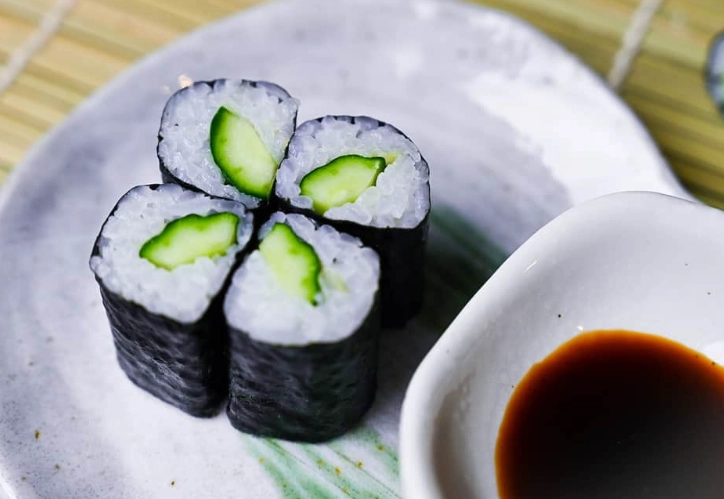
This guide is for anyone who's ever asked that question—what is the meaning of kappa maki—and wanted a real, deep answer. We're not just going to translate the words. We're going to dig into where the name comes from (it involves a mythical creature, which is pretty cool), why it's so important in Japan, how to make it properly, and why it might just become your new favorite order. Whether you're a sushi novice trying to figure out what to order or a seasoned fan looking to appreciate the classics on a deeper level, you're in the right place.
The Core Meaning: A Quick Translation
Let's break down the name. In Japanese, "maki" (巻き) means "roll." It refers to the style of sushi where ingredients are rolled up inside vinegared rice and nori (seaweed). "Kappa" (河童) is the name of a creature from Japanese folklore—a mischievous water imp that loves cucumbers. Put them together, and kappa maki literally means "kappa roll" or, more understandably, the "cucumber roll." It's a playful name for a very straightforward dish.
Where Did the Name "Kappa" Come From? It's Not Just a Vegetable
This is my favorite part. The meaning of kappa maki is tied to a piece of Japanese folklore that's way more interesting than just naming it after a vegetable. The Kappa is a legendary creature, often described as a child-sized, humanoid being that lives in rivers and ponds. They're depicted with a water-filled dish on their heads (which is the source of their power), webbed hands and feet, and a beak-like mouth.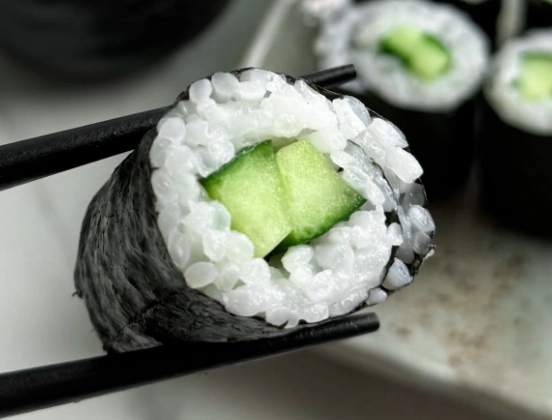
And their favorite food? You guessed it: cucumbers.
Folklore says that to avoid being dragged into the water by a Kappa, you could throw a cucumber into the river, preferably with your family name carved into it. Some traditions even involved families making special cucumber rolls (kappa maki) to offer to the Kappa for protection. So when you order kappa maki, you're not just ordering a snack; you're touching a tiny piece of ancient Japanese myth. It adds a layer of charm that you just don't get with "California roll." The Japan National Tourism Organization has some great resources if you want to dive deeper into Japanese folklore and mythology.
I think that's a much better story than the origin of, say, a spicy tuna roll.
Why Is Kappa Maki Such a Big Deal in Japan?
If you walk into a traditional sushi-ya in Tokyo, you'll notice something. The chefs aren't judging you by whether you order the most expensive toro (fatty tuna). They're often watching to see if you appreciate the fundamentals. And kappa maki is a fundamental.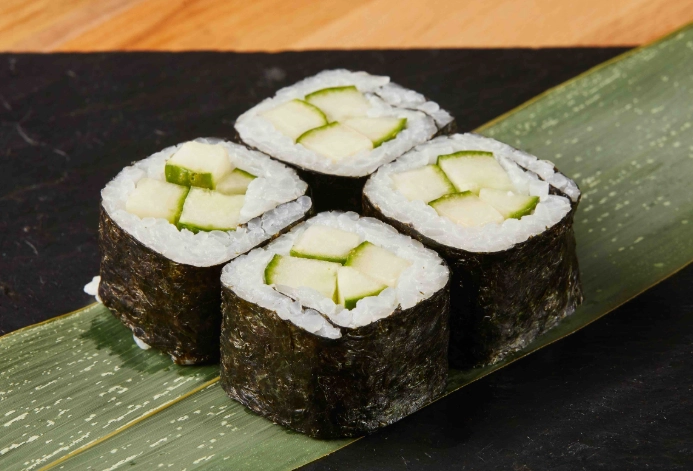
A Personal Observation: I remember sitting at the counter of a small sushi bar in Kyoto, years ago. The chef, an older man with incredibly focused eyes, placed a simple kappa maki in front of me after I'd worked through a few more complex pieces. He just nodded. It was a test. That single roll, with its perfectly balanced rice, crisp cucumber, and tight, even roll, told me more about his skill than anything else I ate that night. It was flawless. And it made me realize that in sushi, simplicity isn't simple. It's the foundation.
Here’s why it holds such a revered spot:
- The Ultimate Palate Cleanser: In a traditional sushi meal, richer, oilier fish like salmon or mackerel are often followed by a piece of kappa maki. The cool, crisp, and refreshing cucumber acts like a reset button for your taste buds, washing away the lingering fats and preparing you for the next flavor. It's functional and brilliant.
- A Showcase of Basic Technique: With only three ingredients (nori, rice, cucumber), there's nowhere to hide. The rice must be seasoned perfectly—not too sweet, not too sour. The roll must be tight enough to hold together but not so tight it mashes the rice. The cucumber must be cut just right. A master chef can demonstrate their entire philosophy in this one, humble roll.
- Accessibility and Affordability: Historically, sushi was fast food. Kappa maki, made with a cheap, plentiful vegetable, was an accessible way for everyone to enjoy it. That spirit of accessibility remains.
- A Vegetarian Staple: Long before plant-based diets were a global trend, kappa maki was there for vegetarians. It's a naturally vegan-friendly option in a cuisine often centered around seafood.
What's Actually In It? Deconstructing the Perfect Roll
Let's get practical. To truly understand what is the meaning of kappa maki on your plate, you need to know what goes into a great one. It seems simple, but the devil is in the details.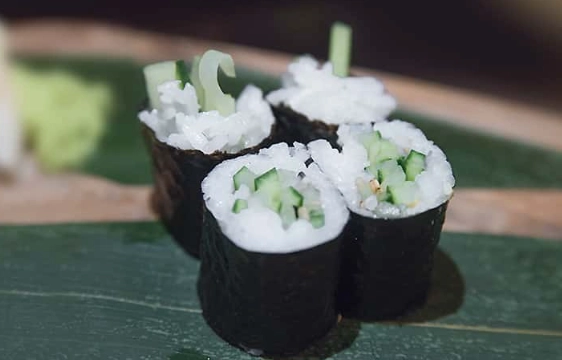
The Three Pillars of Kappa Maki
1. Sushi Rice (Shari): This isn't just steamed rice. It's short-grain Japanese rice seasoned with a mix of rice vinegar, sugar, and salt. The balance is key. Too much sugar and it tastes dessert-like; too much vinegar and it overpowers the cucumber. The rice should be at body temperature when rolled, sticky but with distinct grains.
2. Nori (Seaweed Sheet): A toasted sheet of edible seaweed. It should be crisp, have a deep green color, and a subtle oceanic aroma. Lower-quality nori can be chewy or taste overly fishy, which ruins the delicate balance.
3. Cucumber (Kyūri): Typically Japanese cucumbers are used. They are longer, thinner, have fewer seeds, and a more concentrated flavor and crunch than the common English cucumber. The core with the seeds is usually removed, and the cucumber is cut into long, thin julienne strips. The crunch is non-negotiable.
That's it. No mayo, no cream cheese, no "special sauce." The beauty is in the purity. Sometimes a tiny bit of wasabi is spread on the nori before adding the rice, but in a true kappa maki, even that is often omitted to let the cucumber shine.
How It Stacks Up Against Other Popular Maki
It's helpful to see where kappa maki fits in the larger sushi roll family. Here’s a quick comparison of some common hosomaki (thin rolls).
| Roll Name (Maki) | Main Filling | Japanese Name Meaning | Flavor Profile | Complexity |
|---|---|---|---|---|
| Kappa Maki | Cucumber | Kappa (water imp) Roll | Fresh, clean, crisp, slightly sweet | Simple / Fundamental |
| Tekka Maki | Tuna (Maguro) | "Iron Fire" Roll (refers to the gambling dens where it was eaten) | Rich, meaty, savory | Simple |
| Kanpyō Maki | Dried Gourd Strip (Kanpyō) | Dried Gourd Roll | Sweet, savory, slightly chewy | Simple |
| Negitoro Maki | Fatty Tuna & Green Onion | Green Onion & Tuna Scrap Roll | Very rich, fatty, oniony punch | Moderate |
| Oshinko Maki | Pickled Daikon Radish | Pickled Vegetable Roll | Tangy, crunchy, salty-sour | Simple |
See? Kappa maki is in a league of its own when it comes to pure refreshment. It's the only one on that list that actively cleanses your palate.
Making Kappa Maki at Home: A Realistic Step-by-Step
Want to truly grasp the meaning of kappa maki? Try making it. It's the best way to appreciate the craft. Don't be intimidated. Your first rolls will be messy. Mine looked like abstract art. But it's fun.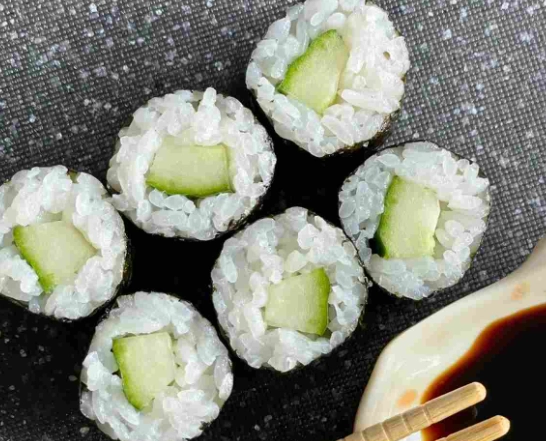
You'll need a bamboo rolling mat (makisu), plastic wrap to cover it (keeps rice from sticking), and the three ingredients. For authentic ingredients, online retailers like Amazon or specialty Asian grocers are your best bet for things like Japanese cucumber seeds or specific rice vinegar brands.
- Prep the Cucumber: Wash a Japanese or English cucumber. Peel it if you prefer (I often leave a little skin for color and texture). Cut it in half lengthwise and scrape out the watery seed core with a spoon. Then, cut it into long, thin matchsticks.
- Season the Rice: Cook short-grain rice. While it's hot, gently fold in your vinegar mix (rice vinegar, sugar, salt dissolved together). Fan the rice as you mix to cool it and give it a glossy shine. Let it cool to slightly warm.
- The Roll: Place a sheet of nori, shiny side down, on the plastic-wrapped mat. With wet hands (keep a bowl of water nearby), take a handful of rice and gently spread it evenly over the nori, leaving a 1-inch border at the top farthest from you. Press lightly.
- Add the Fillings: Lay a few cucumber sticks horizontally in a line across the rice, about one-third of the way up from the edge closest to you.
- The Roll Motion: Using the mat, lift the edge of the nori over the filling and tuck it in tightly. Squeeze the mat to form a cylinder, then continue rolling forward, applying gentle pressure. The uncovered nori border at the top will seal the roll.
- Slice: With a very sharp, wet knife, cut the roll in half. Then line up the halves and cut into 6 or 8 even pieces. Wipe the knife clean between cuts.
Pro Tip Nobody Tells You: If your rice is too sticky or you press too hard, you'll end up with a dense, gummy log. The rice should be fluffy. And for the love of all that is good, don't use a serrated knife to cut it. You'll shred everything. A sharp chef's knife is the only way.
It takes practice. My first attempt was so loose it unraveled when I picked it up. The second was so tight the cucumber juice got squeezed into the rice. But by the third, I had something I was proud to eat. The process makes you respect sushi chefs infinitely more.
Nutrition & Health: Is Kappa Maki a Healthy Choice?
Short answer: Absolutely, it's one of the healthiest things on a sushi menu. Let's break it down.
Cucumber is mostly water, packed with vitamins like K and C, and contains antioxidants. It's hydrating and low in calories. Nori is a sea vegetable loaded with iodine (essential for thyroid function), vitamins A, C, and B12, and minerals like iron and calcium. Sushi rice provides carbohydrates for energy, and the vinegar may help with digestion and blood sugar control.
Compared to a tempura roll or one slathered in spicy mayo, kappa maki is a nutritional powerhouse. A typical order of 6 pieces might contain:
- Calories: 150-200 (mostly from the rice)
- Fat: Virtually 0g (unless made with added oils, which it shouldn't be)
- Protein: 2-4g (from the rice and nori)
- Carbohydrates: 30-35g
It's a fantastic option if you're watching your calorie intake, are vegetarian/vegan, or just want something light and clean. For authoritative information on the nutritional content of sea vegetables, resources like the National Institutes of Health (NIH) have published studies on their benefits.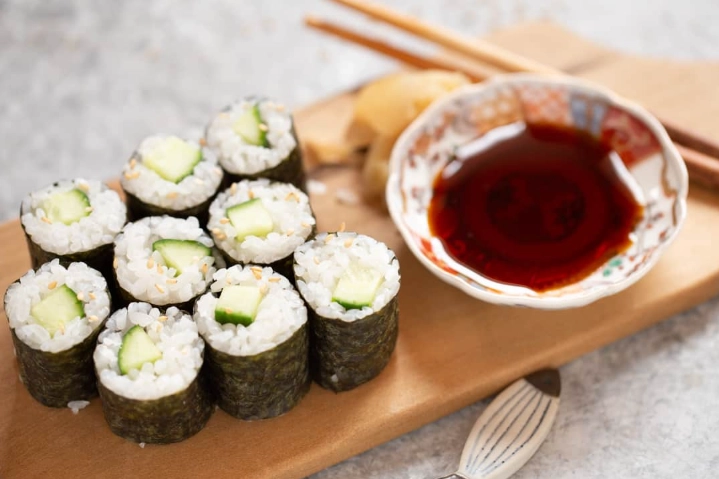
A guilt-free bite, in every sense.
Your Kappa Maki Questions, Answered (FAQs)
Over the years, I've gotten a lot of questions about this roll. Here are the ones that come up most often, the things people are really searching for when they type "what is the meaning of kappa maki" into Google.
Finding the Best Kappa Maki: What to Look For
Not all kappa maki is created equal. Now that you know what is the meaning of kappa maki, here’s how to spot a great one versus a mediocre one.
- The Rice: It should be glossy and loosely packed, not mushy or dense. Each grain should be discernible. It should taste balanced—not too sweet, not too sour.
- The Crunch: The cucumber must be crisp. If it's limp or soggy, it's been sitting too long. Freshness is paramount.
- The Roll Structure: The roll should be cylindrical and firm enough to pick up with chopsticks without falling apart, but it shouldn't feel like a solid brick. You should see distinct layers of nori, rice, and a bright green center of cucumber.
- The Nori: It should be crisp. If you're eating it immediately at the counter, the nori should have a slight snap. If it's been packaged for takeout, it may be softer, but it shouldn't be chewy or leathery.
If you're served a kappa maki where the rice is packed so tight it's gummy, or the cucumber is warm and soft, you've been short-changed on the experience.
Final Thoughts: More Than Just a Cucumber Roll
So, what is the meaning of kappa maki? It's more than a definition. It's a story about a mythical water imp. It's a lesson in Japanese culinary philosophy where simplicity is the highest form of sophistication. It's a technical challenge for chefs and a refreshing, healthy choice for diners. It's a cultural artifact and a living, edible tradition.
Next time you see it on the menu, don't skip over it. Give it a try. Order it as a palate cleanser between richer pieces. Pay attention to the crunch, the balance of the rice, the quality of the nori. You'll start to see sushi in a new way. It went from being my overlooked item to my essential benchmark for judging any sushi restaurant. If they can't do a great kappa maki, how can I trust them with anything more complicated?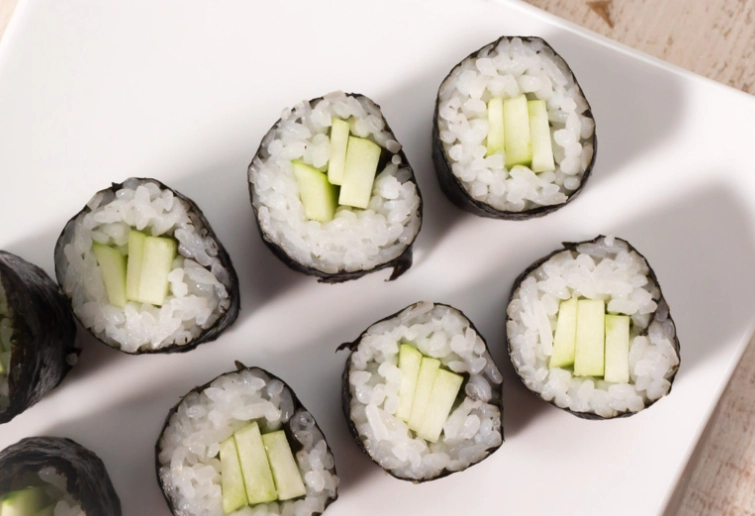
It’s the humble heart of sushi. And now you know exactly why.
Reader Comments