Quick Navigation
Let's be honest. We've all had those days. You know the ones. It's raining, work was a drag, and the thought of cooking something complicated makes you want to order pizza for the third time this week. But then you remember there's a container of leftover rice in the fridge, some curry roux blocks in the pantry, and a bag of cheese that's begging to be used. In that moment, you're not just thinking about dinner. You're thinking about salvation. You're thinking about Curry Doria.
If you've never heard of it, don't worry. You're not alone. Outside of Japan, Curry Doria lives in the shadow of its more famous cousins like ramen and sushi. But inside Japanese homes and family restaurants, it's a legend. It's the culinary equivalent of a warm hug. It's what you make when you need something deeply satisfying without putting in tons of effort. The concept is beautifully simple: take cooked rice, smother it in Japanese-style curry sauce, top it with a generous blanket of cheese, and bake it until everything is bubbling and golden. The result is a glorious, messy, carb-and-cheese-loaded masterpiece that defies its humble origins.
So, what exactly is Curry Doria? At its core, it's a yoshoku dish. Yoshoku refers to Japanese-style Western food, a whole category of dishes that were adapted from Western cuisine after Japan ended its period of isolation in the late 19th century. Think dishes like korokke (croquettes), hambagu (Japanese hamburger steak), and omurice. Curry Doria fits right in. It's believed to be a marriage of two other yoshoku staples: curry rice and doria. Doria itself is a baked rice dish, typically with a white cream sauce, that's said to have been invented in the 1920s at a Yokohama hotel. Someone, at some point, had the brilliant idea to swap the white sauce for curry. And a star was born.
I first encountered Curry Doria in a tiny, family-run restaurant in a back alley of Osaka. It wasn't on the English menu. I saw it on the ticket of the person sitting next to me—a sizzling, cheese-pull-inducing plate of pure comfort. I pointed and said, "I'll have that." It was one of the best food decisions I've ever made. The richness of the curry, the slight bite of the baked rice, the gooey, salty cheese forming a perfect crust... it was a revelation. It wasn't fancy. It was better than fancy. It was honest food.
Why does this dish work so well? Let's break it down.
The Anatomy of a Perfect Curry Doria
Getting Curry Doria right isn't rocket science, but paying attention to each layer makes a world of difference. It's a dish of contrasts and harmonies.
The Foundation: The Rice
This is where many home cooks go wrong. You cannot use freshly cooked, steaming hot rice. It will turn into a soggy, mushy mess in the oven. The rice needs structure. The best rice for Curry Doria is day-old, refrigerated Japanese short-grain rice (like Koshihikari). The cold temperature firms up the starches. When you pack it into your baking dish, leave some air pockets—don't press it down into a dense brick. You want the curry sauce to seep into the crevices. Some people even mix a little butter or a beaten egg into the cold rice for extra flavor and binding, which is a pro move I highly recommend.
My personal fail: I once tried to shortcut this with warm rice. Big mistake. The final texture was like curry-flavored baby food with cheese on top. Not a good look. Always use cold rice. Trust me on this.
The Soul: The Curry Sauce
This is the heart of the dish. Most people in Japan use store-bought curry roux blocks (like House Foods Vermont Curry or S&B Golden Curry). There's no shame in this—they're delicious, consistent, and the backbone of Japanese home cooking. The key is to make the sauce a bit thicker than you would for regular curry rice. It needs to hold its own and not make the rice underneath too wet. Simmer it down until it coats the back of a spoon.
But what if you want to go the extra mile? You can make the curry from scratch. Sauté onions until they're deeply caramelized—this is non-negotiable for depth of flavor. Add your other veggies and protein (chicken, beef, or pork are classics), then your curry powder or paste, some broth, and let it simmer. The Japanese Ministry of Agriculture, Forestry and Fisheries (MAFF) even has resources on the importance of *umami* in Japanese cuisine, which is exactly what you're building here. A touch of grated apple, a spoonful of honey, or even a dash of instant coffee can add that complex, rounded sweetness that defines Japanese curry.
The sauce shouldn't be an afterthought. It's the main event.
The Crown: The Cheese
Ah, the cheese. The glorious, melty, golden-brown lid that makes Curry Doria so irresistible. The classic choice is a mix. You want a cheese that melts well and gets stringy (like mozzarella) and a cheese that adds a sharp, salty punch (like cheddar or parmesan). A common supermarket blend in Japan is a pre-shredded mix of mozzarella and cheddar. Piling it on is part of the fun. Don't be shy. You want a layer thick enough to form a cohesive, bubbly blanket. Under the broiler for the last minute or two, it transforms into a speckled, crispy landscape that crackles when you break it with your spoon.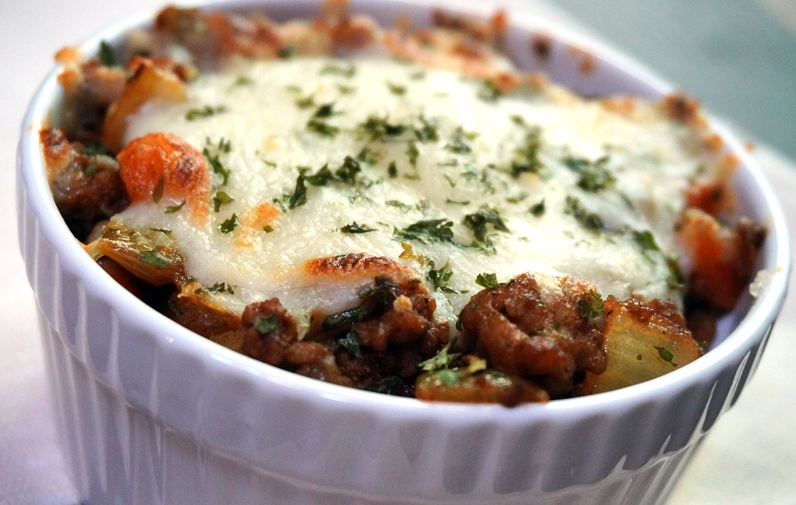
A word of caution: Pre-grated cheese often contains anti-caking agents like potato starch. This can sometimes prevent it from melting as smoothly as cheese you grate yourself. If you have the time, grating your own cheese from a block gives you the best, silkiest melt. But in a pinch, the bagged stuff works just fine. I've used both.
How to Make Curry Doria at Home: A No-Stress Recipe
Okay, let's get practical. Here’s a straightforward, weeknight-friendly Curry Doria recipe that works every time. This is less of a rigid formula and more of a template. Play with it.
Step 1: The Rice Base. Take about 3 cups of cold, cooked Japanese short-grain rice. Fluff it up with a fork. If you're feeling fancy, mix in a tablespoon of softened butter. Press it lightly into a greased oven-safe dish (like a small casserole or even individual ramekins). Don't compact it.
Step 2: The Curry. In a pan, cook 200g of diced chicken thigh until browned. Remove. In the same pan, cook one large, thinly sliced onion over medium-low heat for a good 15-20 minutes until deeply golden and sweet. Add a diced carrot and potato, cook for a few minutes. Add the chicken back in, pour in 2 cups of water or chicken broth, and bring to a simmer. Cook until the veggies are tender. Turn off the heat. Break in 2-3 squares of Japanese curry roux (half a standard block). Stir until completely melted and the sauce has thickened. Let it cool for a minute—it will thicken more.
Step 3: Assemble. Pour the thick curry sauce evenly over the rice. Don't worry if it looks like a lot; the rice will absorb some of it.
Step 4: The Cheese Blanket. Generously cover the entire surface with 1.5 to 2 cups of shredded cheese. A mozzarella-cheddar mix is perfect.
Step 5: Bake. Preheat your oven to 200°C (400°F). Bake for 15-20 minutes, until the cheese is fully melted and starting to bubble. Then, switch your oven to broil/grill for 2-3 minutes, watching closely, until the top is beautifully spotted with brown. Let it sit for 5 minutes before serving. It's molten hot!
That's it. You've just made a classic Curry Doria. The beauty is in its versatility. No chicken? Use beef, pork, or just mushrooms and chickpeas for a vegetarian version. Different curry roux brands have different spice levels (mild, medium, hot). Find your favorite.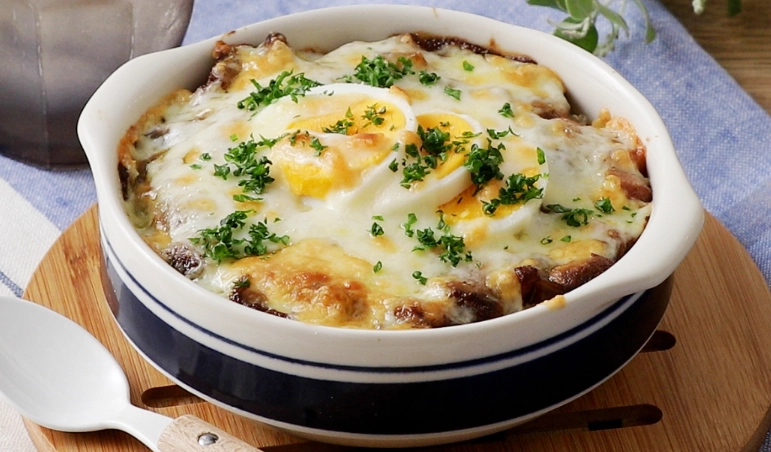
Curry Doria vs. Other Baked Rice Dishes: What's the Difference?
It's easy to get confused. Japan has a few baked rice dishes. Here’s a quick breakdown to clear things up.
| Dish Name | Main Sauce | Key Characteristics | Cheese? |
|---|---|---|---|
| Curry Doria | Japanese Curry Sauce | Savory, spiced, hearty. Often with meat/veg in the curry. | Yes, a thick layer. |
| Doria (Classic) | White Cream Sauce (Béchamel) | Milder, creamier. Often with seafood (shrimp, scallops) or chicken. | Yes, but sometimes less. |
| Omurice | Ketchup-based fried rice, sometimes with demi-glace | Not baked. Fried rice wrapped in a thin omelette. | No |
| Gratin | White Cream Sauce | Similar to Doria, but can include pasta as well as rice. | Yes |
So, while a regular Doria is comforting in a creamy, gentle way, a Curry Doria is its bolder, more robust sibling. The spices in the curry cut through the richness of the cheese in a way that a mild cream sauce can't. It's a more complex flavor profile.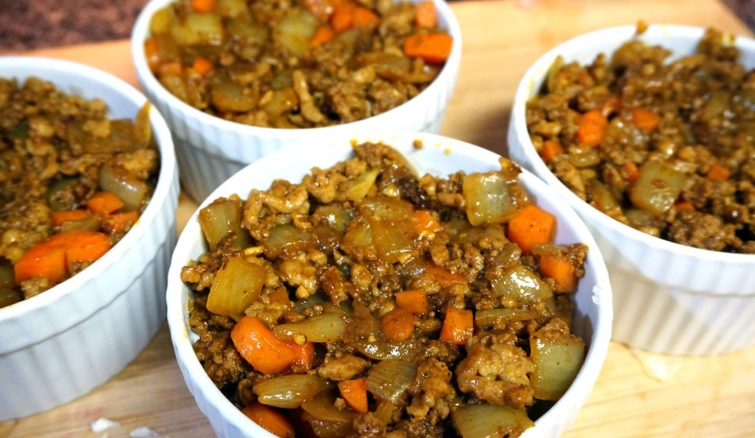
Where to Find the Best Curry Doria (If You're Not Cooking)
Maybe you're in Japan, or maybe you're at a Japanese restaurant elsewhere and want to know what to look for. Not all Curry Doria is created equal.
The Family Restaurant Style
Think chains like Saizeriya, Gusto, or Jonathan's. This is the most common type. It's reliable, affordable, and always hits the spot. The curry is usually from a standard roux, the cheese is plentiful, and it's served piping hot in a metal plate. It's the equivalent of a great burger at a diner—consistent and satisfying. Perfect for when you just need that fix.
The Specialty Restaurant Version
Some places, especially older, established yoshoku or curry shops, take it more seriously. They might use a house-made, from-scratch curry with more spices or unique ingredients. The cheese might be a higher-quality blend, and the presentation is often more careful. You pay a bit more, but the depth of flavor is usually noticeable.
The Home-Style Interpretation
This is what we're aiming for with the recipe above. It's often chunkier, with more visible pieces of meat and vegetables in the sauce. It might be a little less "polished" but often has more heart. You might find this at small, local cafes or, of course, in someone's kitchen.
I have a soft spot for the family restaurant style. There's something nostalgic about it. But when I want to be impressed, I seek out the specialty spots. The Japan National Tourism Organization (JNTO) website can be a good starting point to find well-regarded local restaurants in specific areas, though you might need to dig for yoshoku places.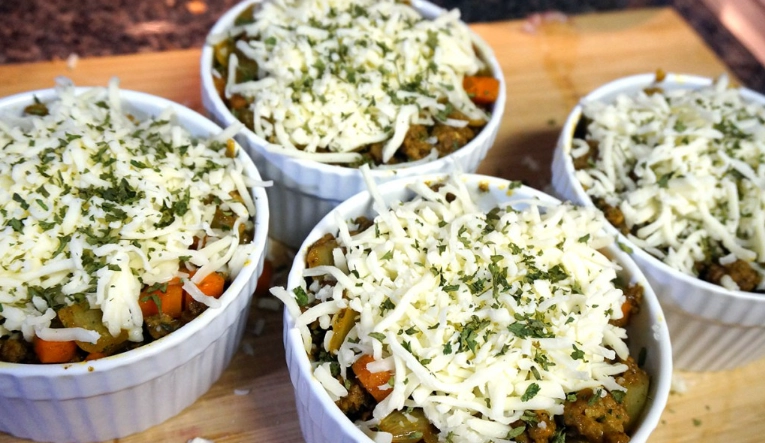
Pro Tip: In Japan, if a restaurant's menu has a picture of the Curry Doria and the cheese is pulling in a long, glorious string in the photo, that's usually a good sign. They're proud of their cheese-to-sauce ratio.
Answering Your Curry Doria Questions (FAQ)

The Cultural Comfort of Curry Doria
To understand Curry Doria is to understand a slice of modern Japanese food culture. It's not a centuries-old tradition like sushi. It's a modern invention, a product of cultural fusion and everyday ingenuity. It represents yoshoku's philosophy: taking an idea from elsewhere and adapting it wholeheartedly to local tastes and ingredients until it becomes something uniquely Japanese.
It's also a testament to practicality and avoiding waste. Using leftover rice? Check. Making a hearty meal from inexpensive ingredients? Check. Creating something that feels indulgent but isn't overly complicated? Double check. In that way, Curry Doria shares DNA with casseroles and shepherd's pies from other parts of the world—it's humble, hearty, home food.
You won't find many articles about the "art" of Curry Doria. And that's fine. It doesn't need that. Its value isn't in precision or prestige. Its value is in the way it makes you feel after a long day. It's in the silence that falls over the table when everyone takes their first bite, followed by a collective, contented sigh. It's in the simple joy of scraping up the last bits of crispy cheese and curry from the edges of the dish.
Maybe that's the real secret. It's not just food. It's a mood.
The last time I made Curry Doria, it was for a friend who had never tried it. She looked at the bubbling dish coming out of the oven with a bit of skepticism. "It looks... heavy," she said. Ten minutes later, her plate was clean. "Okay," she admitted, "I get it now. This is what comfort food is supposed to be." Exactly.
So, whether you're in Japan ordering it from a laminated menu, or in your own kitchen giving the recipe a try, you're participating in a quiet, delicious tradition. You're not just making baked curry rice. You're making a Curry Doria. And there's a world of difference between the two.
Give it a go. You might just find your new favorite bad-day remedy.
Reader Comments