Forget everything you think you know about ramen from the instant packets. Real tonkotsu ramen is a different beast entirely. It's a culinary project, a bowl of pure umami alchemy that transforms humble pork bones into a creamy, complex, and deeply satisfying broth. The first time I had a truly great bowl in a tiny Fukuoka shop, the steam hitting my face smelled like roasted nuts and rich pork, and the first spoonful coated my mouth in a way that was almost shocking. That's the experience we're chasing.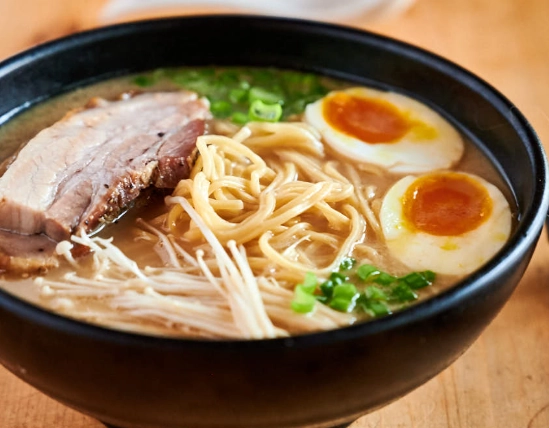
This guide isn't just a list of facts. After years of eating, cooking, and frankly, failing at making this dish, I want to show you what actually matters. We'll crack the code of the broth, learn how to spot the real deal in a restaurant, and I'll even walk you through a home recipe that actually works (and where most online recipes get it wrong).
What You'll Find in This Guide
The Broth Secret: It's All About the Emulsion
Let's clear something up. Tonkotsu (豚骨) means "pork bones." The magic isn't in fancy ingredients; it's in the brutal, simple process of breaking those bones down.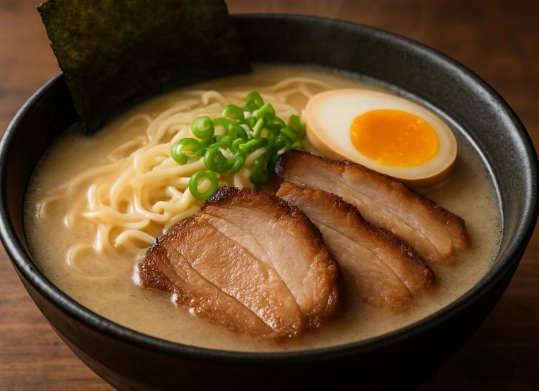
Most soups ask for a gentle simmer to keep things clear. Tonkotsu demands the opposite. You need a violent, rolling boil that lasts for at least 12 hours, often 18 or more. This sustained chaos does two critical things: it extracts every bit of collagen, marrow, and fat from the bones, and it violently emulsifies those fats and proteins into the water.
That emulsification is the key. It's what turns the broth milky white and gives it that luxurious, velvety texture that clings to the noodles. If the broth is clear or even just lightly cloudy, they didn't boil it hard enough.
Pro Tip Most Blogs Miss: The type of bone matters more than the breed of pig. You want a mix: meaty neck bones for flavor, joint bones (like knee/ankle) for collagen and gelatine, and especially vertebrae. Vertebrae have nooks and crannies full of marrow that blast out during the long boil, contributing massively to the richness and creamy color. Ask your butcher for pork spine bones.
And here's a specific mistake I made for years: skimping on the initial clean. You must soak the bones in cold water for hours (overnight is best), then bring them to a boil in fresh water, dump that water out, and scrub the bones clean. This removes blood and impurities that cause off-flavors and a greyish tint. Skip this, and your broth will taste funky and look dull.
Finding the Real Deal: A Guide to Authentic Tonkotsu Shops
You can read a hundred "best ramen" lists, but they often just recycle the same famous names. How do you judge for yourself? Use your senses.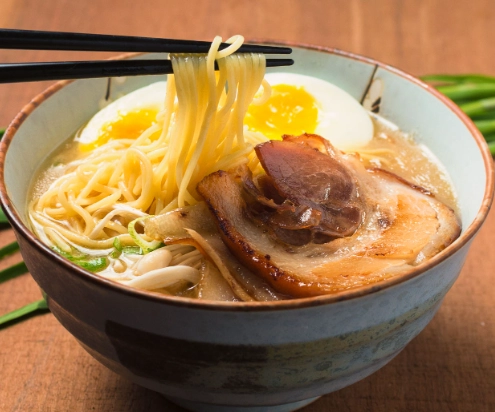
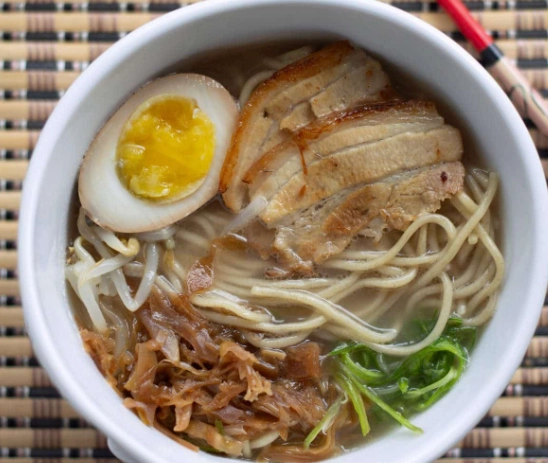
Look: The broth should be opaque. A pale, creamy white or a light tan. If it's dark brown, that's probably a tonkotsu gyokai (pork-seafood blend) or a heavy soy sauce tare. If it's clear, it's not tonkotsu.
Listen: A serious tonkotsu shop will have a powerful exhaust fan humming. That's the sound of bones boiling at full tilt.
Smell: Walk by the shop. You should get a warm, deep, roasty pork aroma, not a generic salty smell. If it smells like nothing, be suspicious.
Let's get specific. Here are two iconic but different approaches, so you know what to expect:
| Shop (Location) | Style & Signature | What to Order / Note | Approx. Price |
|---|---|---|---|
| Ichiran (Various, origin: Fukuoka) | The streamlined, pure classic. Focus is entirely on the balance of rich broth, thin firm noodles, and their secret red sauce. | The standard "Tonkotsu." Use the order sheet to customize hardness, richness, garlic, etc. The solo booth experience is part of it. | ¥890 - ¥1,200 |
| Tsuta (Tokyo, Sugamo) | Michelin-starred refinement. Lighter, more delicate tonkotsu broth blended with dashi, served with incredible toppings. | Their Shoyu Soba or Shio Soba (both use a tonkotsu base). Be prepared to queue for a ticket hours in advance. | ¥1,000 - ¥1,800 |
| Ippudo (Worldwide, origin: Fukuoka) | Rich, user-friendly, and aromatic. Known for a cloudier, garlicky broth and their "Akamaru Shinaji" modern twist. | "Shiromaru" for the classic, "Akamaru" for the miso-blended version. Their gyoza are also a solid choice. | $15 - $20 (outside Japan) |
Ichiran is your textbook benchmark. Tsuta shows how the form can be elevated to fine dining. Ippudo proves it can travel well. Try them to calibrate your palate.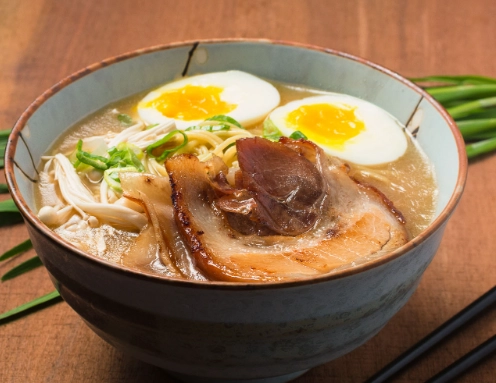
The Home Kitchen Project: A Realistic Tonkotsu Recipe
Okay, you're brave. Making real tonkotsu at home is a weekend commitment, but it's deeply rewarding. This isn't a "quick" hack; it's the real process, simplified for a home stove.
What You Absolutely Need
The Bones: 4-5 lbs mix of pork neck bones, femur/knuckle bones, and spine bones. Get them from an Asian butcher if you can.
The Pot: The biggest, heaviest stockpot you own. An 8-gallon pot is not too big.
The Time: A full day. Prep Saturday, boil all day Sunday.
The Step-by-Step (Where Most Go Wrong)
Day 1: The Prep. Soak your bones in cold water in the fridge. Change the water once if you can. This pulls out the blood.
Day 2: The Blanch. Put bones in your pot, cover with cold water. Bring to a rolling boil. You'll see a ton of grey/brown scum foam up. This is the impurities. Boil for 10-15 minutes, then dump everything into the sink. Rinse each bone under cold water, scrubbing off any dark residue. Clean the pot. This step is boring but non-negotiable for a clean flavor.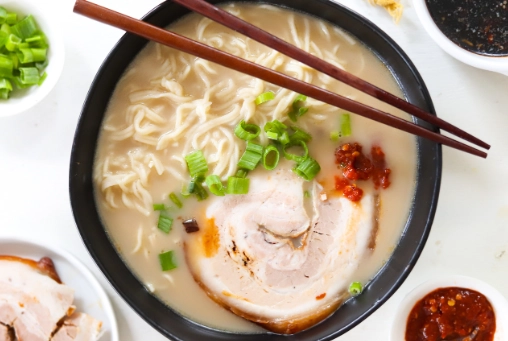
The Boil. Return clean bones to the clean pot. Cover with fresh water (about 2 inches above bones). Bring to the strongest rolling boil your stove can maintain. A full, chaotic boil with big bubbles. Maintain this for 12 hours minimum. Yes, you'll need to add boiling water from a kettle every few hours to keep the level up. Do not let it drop below the bones.
After 12 hours, you should have a pot of creamy, off-white liquid. Strain it through a fine-mesh sieve. You now have tonkotsu broth. Season it simply with sea salt, a little soy sauce, and maybe some mirin to make your tare.
Assembly: Cook fresh or good quality dried ramen noodles. In a bowl, add a spoonful of your tare. Ladle in the piping hot broth. Add noodles. Top with sliced chashu pork (braised pork belly), a marinated soft-boiled egg, scallions, nori, and mayu (black garlic oil) if you're feeling fancy.
It's a labor of love. The first time I succeeded, the broth was so rich it almost felt like a sauce. That's the goal.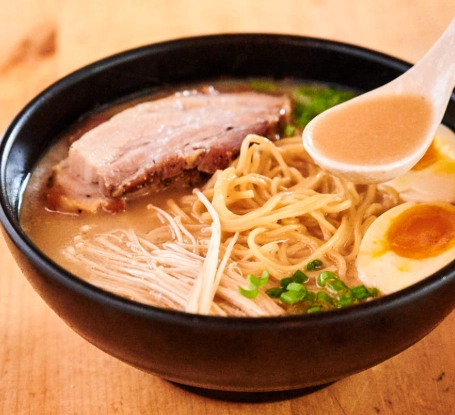
Your Tonkotsu Questions, Answered
Tonkotsu ramen is more than a dish; it's a lesson in patience and transformation. It takes the most inexpensive parts of an animal and, through time and fire, turns them into something complex and profoundly comforting. Whether you seek it out in a dedicated shop or embark on the home project, understanding the why behind the how changes the experience completely. You're not just drinking soup. You're tasting hours of deliberate effort in every sip.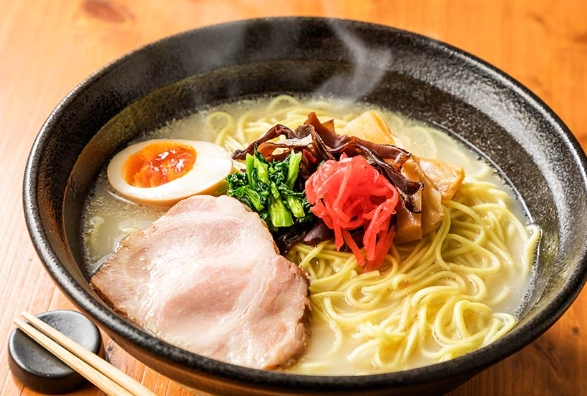
Reader Comments