Quick Navigation
- What Exactly is Beef Tataki?
- The Nutritional Breakdown of Beef Tataki
- The Potential Health Benefits of Eating Beef Tataki
- The Potential Risks and Downsides
- Beef Tataki vs. Other Dishes: A Health Comparison
- How to Make a Healthier Beef Tataki Choice
- Frequently Asked Questions (FAQs)
- Final Verdict: So, Is Beef Tataki Healthy?
So you've seen it on a menu, this beautiful plate of thinly sliced, lightly seared beef, maybe with a ponzu dipping sauce. It looks amazing. But then the question pops into your head: is beef tataki healthy? I get it. We're all trying to make better choices, but we also want to enjoy our food. Is this Japanese appetizer a smart pick, or a dietary misstep dressed up in fancy presentation?
Let's cut through the noise. I've dug into the research, talked to a few chef friends about how it's really made, and even thought back to my own experiences ordering it (sometimes with regret, sometimes with pure joy). The answer isn't a simple yes or no. It's a classic "it depends"—on the cut of meat, the preparation, the portion size, and your own health. But by the end of this, you'll have a crystal-clear picture to decide for yourself.
We're going to break down everything: what's actually in it, the good stuff your body might thank you for, the potential pitfalls you need to watch for, and how it stacks up against other dishes. No fluff, just the facts mixed with some real-talk.
What Exactly is Beef Tataki?
First things first, let's make sure we're talking about the same dish. "Tataki" (たたき) in Japanese means "pounded" or "hit into pieces." In culinary terms, it refers to a method where meat or fish is quickly seared over very high heat, leaving the inside completely raw or very rare, then sliced thin. It's not the same as steak tartare, which is completely raw and finely chopped. That's a key difference right off the bat.
Quick History Tidbit: The technique is said to have originated in the Kochi prefecture of Japan, possibly influenced by contact with European traders centuries ago. The searing was a method to kill surface bacteria while preserving the tender, raw interior—a practical solution before modern refrigeration.
The typical beef tataki you'll find involves:
- The Sear: A high-quality cut of beef (like tenderloin, sirloin, or ribeye) is briefly seared in a blazing hot pan or over charcoal, sometimes just for 30-60 seconds per side. This creates a flavorful, caramelized crust.
- The Chill: It's then often plunged into an ice bath or chilled quickly to stop the cooking process. This is crucial for that perfect texture.
- The Slice: Chilled, it's sliced paper-thin against the grain.
- The Serve: It's arranged artfully on a plate and served with a dipping sauce, usually ponzu (a citrus-soy sauce) or a ginger-based sauce, and garnishes like sliced onions, garlic chips, or shredded daikon radish.
So, the health question really hinges on this specific preparation. It's not a deep-fried tempura. It's not a heavy, creamy dish. It's essentially high-quality beef, barely cooked, with a light sauce. That structure gives us a lot to work with.
The Nutritional Breakdown of Beef Tataki
To honestly answer "is beef tataki healthy," we need to look at the numbers. But here's the catch—there's no single standard. A 100-gram (3.5 oz) serving of beef tenderloin tataki, prepared with minimal added fat and a typical ponzu sauce, might look something like this. Remember, these are estimates that can swing based on the cut and sauce.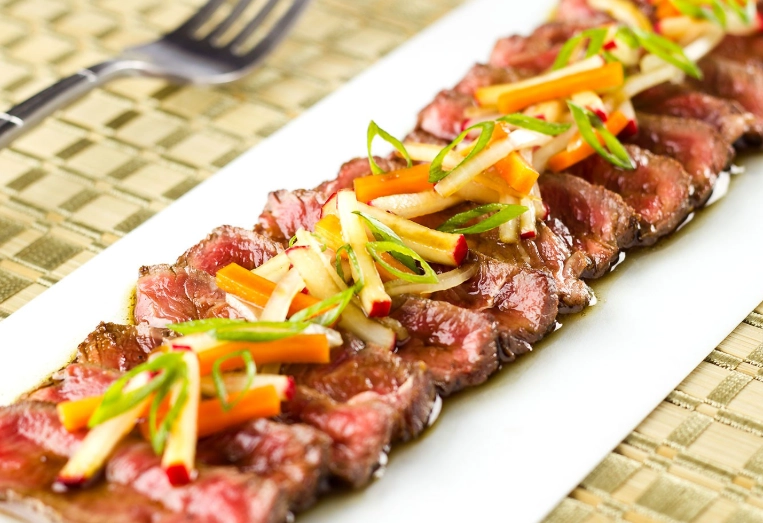
| Nutrient | Approximate Amount (per 100g serving) | % Daily Value (DV) * |
|---|---|---|
| Calories | 180 - 220 kcal | 9-11% |
| Protein | 25 - 30 g | 50-60% |
| Total Fat | 8 - 12 g | 10-15% |
| Saturated Fat | 3 - 5 g | 15-25% |
| Iron | 2.5 - 3 mg | 14-17% |
| Zinc | 4 - 6 mg | 36-55% |
| Vitamin B12 | 2 - 2.5 mcg | 83-104% |
| Sodium (from sauce) | 400 - 700 mg | 17-30% |
| Carbohydrates | 2 - 5 g | |
| Sugars | 1 - 3 g | Varies |
*Based on a 2,000 calorie diet. Source estimates derived from the USDA FoodData Central for beef tenderloin and common ponzu ingredients.
Looking at that table, a few things jump out immediately. The protein content is exceptional. We're talking about half your daily needs in a modest serving. That's a huge point in its favor for anyone looking to build or maintain muscle, feel full longer, or just get a high-quality nutrient bang for their calorie buck.
The fat content is moderate, and a good portion of it in a lean cut like tenderloin is actually monounsaturated fat (the kind found in olive oil). The saturated fat is there, sure, but it's not off the charts compared to a fatty ribeye steak.
Now, the elephant in the room: sodium. That number, 400-700mg, comes almost entirely from the soy sauce in the ponzu. That's a significant chunk of the American Heart Association's recommended limit of 2,300mg per day (and their ideal limit of 1,500mg). If you're dipping each piece liberally, you're loading up on salt. This is arguably the biggest health drawback of the dish as commonly served.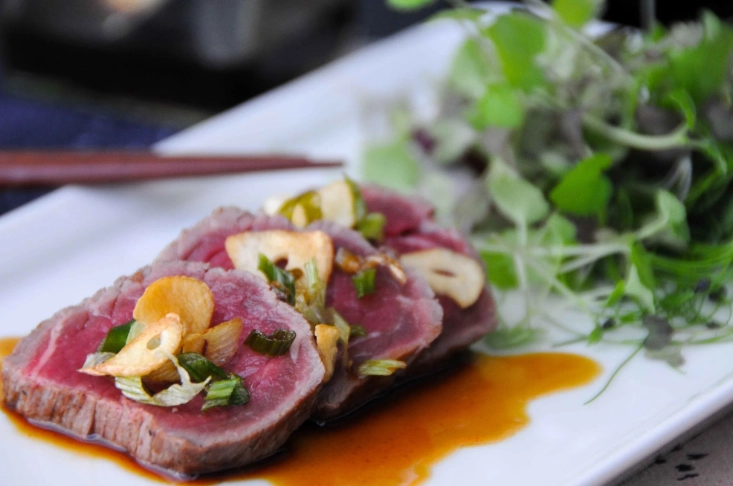
The micronutrients are where beef tataki truly shines. Iron (especially heme iron, which your body absorbs easily), zinc (critical for immune function), and a whopping dose of Vitamin B12 (for energy and nerves) are all delivered in spades. You're getting a nutrient-dense package.
The Potential Health Benefits of Eating Beef Tataki
Okay, so the numbers look promising in some areas. But what does that translate to in real-world benefits? Let's connect the dots on why someone might consider beef tataki a healthy option.
An Excellent Source of High-Quality Protein
This is the headline benefit. Protein is the building block for just about everything in your body—muscles, skin, hair, enzymes. Beef is a complete protein, meaning it contains all nine essential amino acids we need to get from food. The searing process doesn't significantly degrade this protein quality.
For athletes, gym-goers, or older adults concerned about sarcopenia (age-related muscle loss), this kind of high-bioavailability protein is gold. It promotes satiety too, which can help with weight management by keeping you from snacking an hour later. Compared to a carb-heavy appetizer like edamame or gyoza, beef tataki will keep you fuller, longer.
Rich in Readily Absorbable Iron and Zinc
Iron deficiency is one of the most common nutrient deficiencies globally, especially among women and vegetarians. The iron in red meat is heme iron, which is absorbed 2-3 times more efficiently than the non-heme iron from plants like spinach. A serving of beef tataki can provide a solid boost. The same goes for zinc, which is vital for immune health and wound healing. The National Institutes of Health notes that meat is a major source of bioavailable zinc.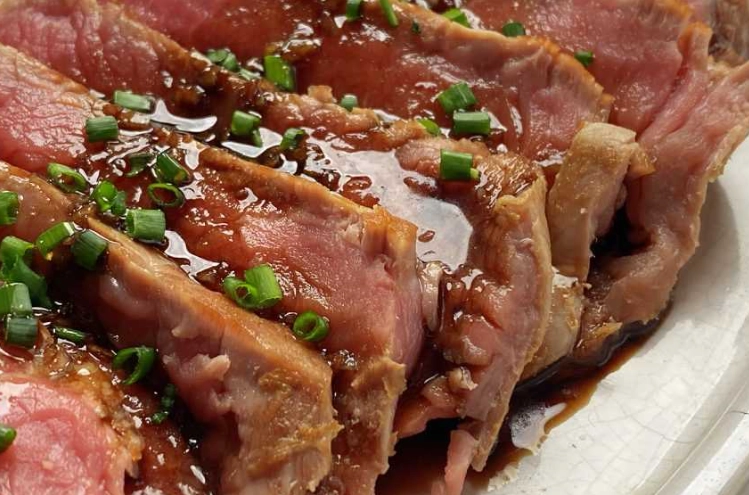
Personal Take: I remember a period when I was feeling constantly drained, and my doctor suggested checking my iron. I wasn't anemic, but I was on the lower end. Incorporating lean red meat like a good tataki once a week, alongside my usual chicken and fish, made a noticeable difference in my energy levels within a month. It's not a magic bullet, but for some people, it addresses a real need.
Packed with B Vitamins, Especially B12
Vitamin B12 is almost exclusively found in animal products. It's essential for nerve function, DNA synthesis, and forming red blood cells. A single serving of beef tataki can meet or exceed your entire day's requirement. This is a massive benefit for anyone on a mostly plant-based diet who includes occasional meat (the "flexitarian" approach).
Potentially Lower in Fat Than Other Cooking Methods
Think about it. There's no oil used in deep-frying (like karaage). There's no butter sauce slathered on top. The fat content is primarily the natural fat within the beef cut itself. If you choose a lean cut like tenderloin (filet mignon), you're getting a remarkably lean piece of protein. Even the searing uses minimal oil. So, in the grand scheme of restaurant appetizers, it's often a lower-fat choice.
The Potential Risks and Downsides
Now, let's balance the scales. It wouldn't be a fair guide if we only sang its praises. To fully answer "is beef tataki healthy," we have to look at the concerns. And they are valid.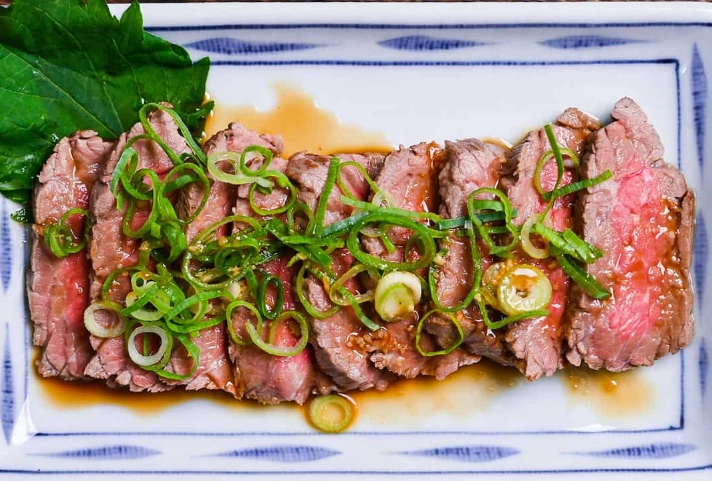
Foodborne Illness Risk from Raw Meat
This is the number one fear, and it's not unfounded. Eating any undercooked meat carries a risk of exposure to bacteria like E. coli, Salmonella, and Listeria. The quick sear kills bacteria on the surface, but the interior remains raw. The safety hinges entirely on the quality and handling of the meat.
Important: The CDC advises that certain groups of people should avoid raw or undercooked meat altogether. This includes pregnant women, young children, older adults, and anyone with a compromised immune system (e.g., from chemotherapy, HIV, or organ transplants). For these individuals, the answer to "is beef tataki healthy?" is a clear no—the risk is not worth it.
Reputable restaurants source high-quality, sometimes even sushi-grade, beef intended for raw consumption and follow strict handling procedures. But you're placing a lot of trust in the kitchen. I've had amazing tataki, and I've also had a piece that just didn't smell or look right—I sent it back. Trust your senses.
High Sodium Content from Dipping Sauces
We touched on the numbers, but it bears repeating. Soy sauce is basically liquid salt. A single tablespoon can have about 900mg of sodium. While you might not use a full tablespoon, the ponzu or soy-based dipping sauce is a major sodium delivery vehicle. If you have hypertension, heart disease, or are simply watching your salt intake, this is a serious drawback. You can ask for the sauce on the side and use it sparingly, or even request a low-sodium soy sauce alternative if the restaurant has it.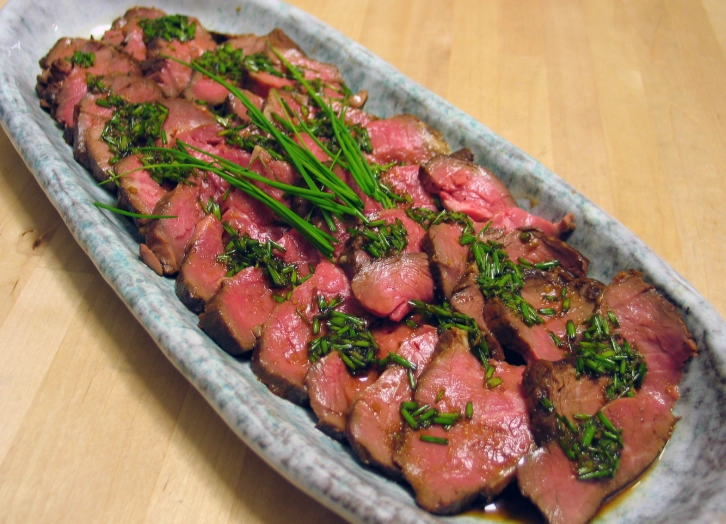
Saturated Fat Content (Varies by Cut)
While lean cuts are great, not all tataki is made with tenderloin. If it's made with a more marbled cut like ribeye, the saturated fat content can double or triple. Diets high in saturated fat are linked to increased LDL ("bad") cholesterol and a higher risk of heart disease. It's worth asking your server what cut of beef they use.
Not Suitable for Everyone
Beyond the high-risk groups for food poisoning, others might want to avoid or limit beef tataki:
- Those with Gout: Red meat is high in purines, which can trigger gout attacks.
- Individuals with Iron Overload Disorders: Like hemochromatosis.
- People on Very Strict, Low-Fat Diets.
Beef Tataki vs. Other Dishes: A Health Comparison
Context is everything. Is beef tataki healthy compared to what? Let's stack it up against some common alternatives you might find at a Japanese restaurant or when you're craving protein.
| Dish (Typical Appetizer Serving) | Key Health Consideration | Verdict vs. Beef Tataki |
|---|---|---|
| Beef Tataki | High protein, high B12/iron, raw risk, high sodium sauce. | Baseline for comparison. |
| Steak Tartare (Raw, chopped) | Similar nutrients, but higher food safety risk due to more surface area exposed and often includes raw egg yolk. | Less safe. Tataki's sear provides a marginal safety advantage. |
| Grilled/Steamed Chicken Yakitori | Lean protein, lower in iron/B12, often glazed with a sugary teriyaki sauce. | Often healthier. Lower risk, but watch sauce sugar. Less rich in certain minerals. |
| Tempura (Shrimp/Vegetables) | Deep-fried, high in refined carbs and unhealthy fats from frying oil. | Less healthy. Tataki is a far more nutrient-dense, less processed choice. |
| Edamame | Plant-based protein, fiber, vitamins, very low risk, often just salted. | Healthier for most. Lower calorie, high fiber, no food safety concerns. But lacks heme iron/B12. |
| Agedashi Tofu | Fried tofu in a dashi broth. Moderate protein, fried exterior, broth can be salty. | Less healthy protein source. The frying is a downside, though it's a good plant-based option. |
See? It's a mixed bag. Beef tataki isn't the undisputed health champion, but it's certainly not the villain either. It occupies a niche of being a high-nutrient, higher-risk option that's better than fried foods but requires more caution than steamed or grilled alternatives.
How to Make a Healthier Beef Tataki Choice
If you've read this far and still want to try it (I usually do!), here's how to tilt the odds in your favor for a healthier experience. These are practical tips you can use next time you're at a restaurant or even making it at home.
Your Beef Tataki Health Checklist:
- Ask About the Cut: "What cut of beef do you use for the tataki?" Go for tenderloin or sirloin over ribeye if you're concerned about saturated fat.
- Request Sauce on the Side: This is the single biggest move for controlling sodium. Dip the tip of the meat, don't drown it. You'll still get the flavor.
- Evaluate the Restaurant: Is the place clean, busy (high turnover of fresh ingredients), and reputable? Don't order raw meat from a dingy, empty restaurant.
- Check the Color and Smell: When it arrives, the seared exterior should be brown/gray, the interior a bright red or pink. It should smell fresh and clean, not sour or off.
- Balance Your Meal: Pair it with a big salad, steamed vegetables, or miso soup. Don't make it the centerpiece of a meal that also includes fried gyoza and tempura.
- Consider Frequency: Treat it as an occasional, high-quality protein choice, not an everyday meal. Once every week or two is a reasonable approach for most healthy adults.
At home, you have even more control. You can buy the highest-quality, freshest beef from a trusted butcher, use a very light touch with salt in your homemade ponzu, and ensure all your tools and surfaces are scrupulously clean. A home cook with good practices can arguably make a safer tataki than a careless restaurant.
Frequently Asked Questions (FAQs)
How safe is beef tataki really?
It carries a measurable, but often low, risk when prepared correctly with high-quality meat in a clean environment. The searing step reduces surface pathogens. The risk is not zero, which is why vulnerable populations (pregnant, immunocompromised, etc.) should avoid it. For a healthy adult with a robust immune system, the risk from a reputable source is generally considered acceptable by many, but it's a personal risk-benefit calculation.
Can I eat beef tataki while pregnant?
No. Major health organizations, including the American College of Obstetricians and Gynecologists (ACOG), recommend that pregnant women avoid all raw and undercooked meat due to the risk of toxoplasmosis and other infections that can harm the fetus. This is a non-negotiable for me when giving advice.
Is beef tataki good for weight loss?
It can be, with caveats. Its high protein and moderate fat content promote satiety, which can prevent overeating later. At ~200 calories for a good-sized serving, it fits into a calorie-controlled diet. However, the sodium can cause water retention, making the scale temporarily go up, which can be discouraging. And if you're dipping heavily in sauce, the sodium and extra sugar (in some sauces) add up. As a plain, lean protein source, yes. As commonly served, be cautious.
What's the best cut of beef for a healthier tataki?
Hands down, beef tenderloin (filet mignon). It's the leanest, most tender cut with the least marbling (intramuscular fat). Sirloin is a good, slightly more affordable second choice. Avoid ribeye, New York strip, or other well-marbled cuts if health is your top priority.
Can I make a healthy beef tataki at home?
Absolutely, and it's the best way to control everything. Buy the freshest, highest-quality lean cut you can afford from a source you trust. Sear it quickly in a smoking hot pan with just a whisper of high-heat oil (like avocado oil). Make your own ponzu with reduced-sodium soy sauce, fresh citrus juice, and a touch of mirin. Chill, slice thin, and enjoy knowing exactly what went into it.
Is beef tataki healthier than a fully cooked steak?
Nutritionally, they are very similar if the same cut is used. The cooking process doesn't destroy most nutrients. A rare or medium-rare steak will have nearly identical protein, vitamin, and mineral content. The main differences are texture and the slightly higher theoretical risk in the tataki due to a cooler internal temperature. Some people also argue that minimal cooking preserves certain heat-sensitive enzymes, but the scientific consensus on any significant health benefit from this is lacking.
Final Verdict: So, Is Beef Tataki Healthy?
After all this, here's my honest, no-BS conclusion.
Beef tataki is a nutrient-dense, high-protein food with significant benefits and non-negligible risks. It's not a "health food" you should eat daily, but it can be a smart, satisfying part of a balanced diet for most healthy adults.
Think of it as a premium fuel. You're getting an incredible dose of bioavailable iron, zinc, and B12, wrapped up in a protein package that keeps you full. For people prone to deficiencies in these areas, it's a powerful dietary tool.
But you have to respect the downsides. The sodium in the sauce is a silent killer for your heart health if you're not careful. And the raw element, while part of its appeal, is its Achilles' heel for safety.
The Bottom Line: If you're a healthy adult, eating at a clean, reputable restaurant, and you control the sauce, enjoying beef tataki occasionally is a perfectly reasonable and healthy-ish choice. It's a far better option than fried appetizers. But if you're in a high-risk group, have hypertension, or are just very risk-averse with food safety, there are safer ways to get those nutrients (like a lean, fully-cooked steak or lentils with a vitamin C source for iron absorption).
Ultimately, the question "is beef tataki healthy?" is yours to answer based on your own body, your health goals, and your comfort level. I hope this guide gave you all the tools you need to make that call with confidence. Now, if you'll excuse me, all this talk has made me crave a beautifully seared piece of tataki... with the sauce firmly on the side.
Reader Comments