Your Chashu Roadmap
Let's be honest. We've all been there. You're halfway through a glorious bowl of ramen, and your chopsticks zero in on that one perfect slice of pork chashu. It's tender, it's rich, it's got that beautiful marbled edge. And you think, "I could never make this." Well, I'm here to tell you that you're wrong. Dead wrong. Making restaurant-quality pork chashu at home isn't some guarded culinary secret. It's a process, sure, but it's a deeply satisfying one that fills your house with the kind of smells that make neighbors jealous.
I messed it up the first time, too. My pork was tough. The flavor was one-dimensional. It was a sad, chewy affair. But that failure taught me more than any perfect attempt ever could. This guide is the result of all those lessons, a bunch of research (I spent more time than I'd like to admit reading Japanese cooking forums and even browsing resources from places like Japan's Ministry of Agriculture, Forestry and Fisheries for context on traditional food preparation), and a genuine love for turning a humble piece of pork into something magical.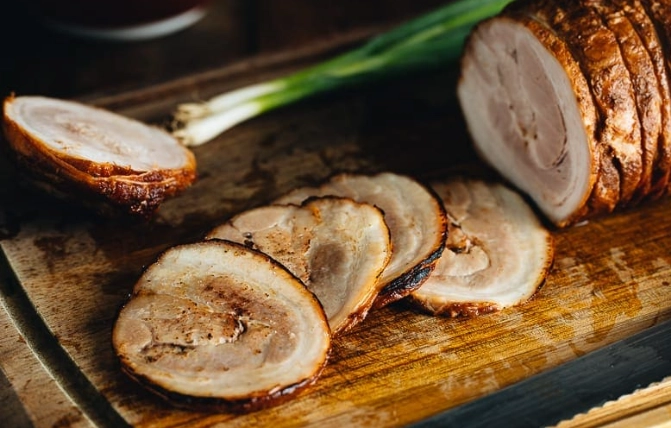
What Exactly Is Pork Chashu, Anyway?
First things first, let's clear up the confusion. When we talk about "pork chashu" in the context of ramen, we're not talking about the Chinese barbecued pork (char siu), though the name is derived from it. Japanese chashu is a different beast entirely. It's typically made from a rolled, tied, and braised piece of pork belly or shoulder. The goal isn't a sweet, sticky glaze, but rather a supremely tender, savory, melt-in-your-mouth slice of pork that's been infused with a soy-based braising liquid.
Think of it as pork's version of a long, relaxing bath in a flavor spa.
The magic happens through a combination of techniques: sometimes a quick sear for flavor, always a long, gentle braise to break down connective tissue, and often a period of resting or chilling that makes it sliceable. The resulting pork chashu is rich, slightly salty, umami-packed, and has a texture that's impossible to forget.
The Anatomy of Perfect Pork Chashu
Before you even turn on the stove, you need to understand the components. Getting each part right is what separates good chashu from the stuff of dreams.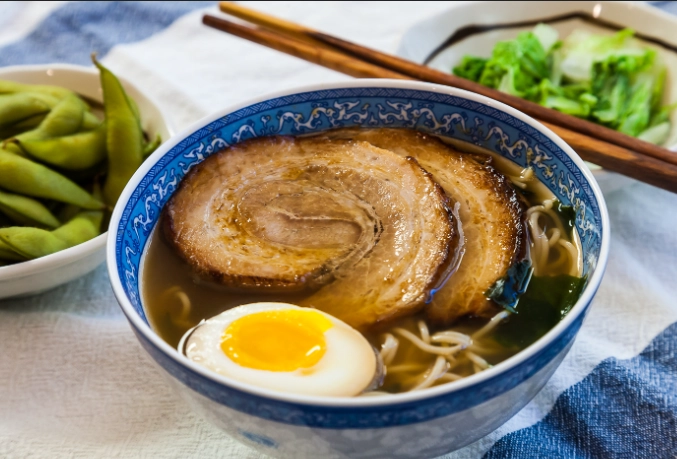
Choosing the Right Cut: Belly vs. Shoulder
This is the big decision. Your choice here fundamentally changes your final product.
Pork Belly: This is the classic, the king of ramen shops. It's the cut with those beautiful, alternating layers of fat and meat. When cooked correctly, the fat renders and bastes the meat from within, creating an unbelievably rich, juicy, and tender slice. The downside? It can be too rich for some, and if under-rendered, the fat can be chewy.
Pork Shoulder (Butt): My personal favorite for home cooking. It's leaner than belly but packed with flavor. It has more connective tissue, which sounds bad, but that's exactly what transforms into gelatinous, mouth-coating goodness during a long braise. The texture is more meaty and shreddy, less slice-and-serve perfect, but I find the flavor deeper. It's also more forgiving and often cheaper.
Here’s a quick comparison to help you decide:
| Cut of Pork | Fat Content | Texture When Cooked | Best For | Forgiveness Level |
|---|---|---|---|---|
| Pork Belly | Very High | Very tender, rich, melt-in-mouth | Classic ramen presentation, luxury | Medium (easy to under-render fat) |
| Pork Shoulder | Medium-High | Meaty, shreddable, deeply flavorful | Home cooks, deeper flavor, budget | High (hard to overcook in braise) |
| Pork Loin | Low | Firm, can dry out easily | Not recommended for traditional chashu | Low |
See? Shoulder isn't just the runner-up; it's a champion in its own right. I almost always reach for a nice piece of boneless pork shoulder.
The Flavor Foundation: Your Braising Liquid (Tare)
The liquid you braise your pork chashu in is called a *tare* (pronounced tah-reh). This isn't just broth; it's a powerful, concentrated seasoning base. Getting its balance right is non-negotiable.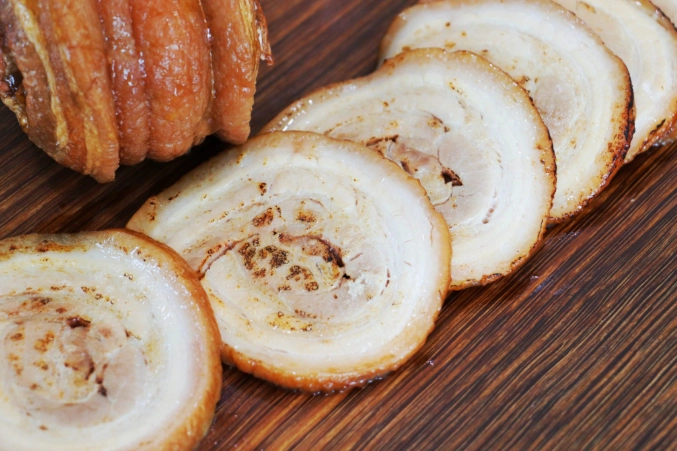
The holy trinity here is soy sauce, mirin, and sake. Soy sauce provides salt and umami. Mirin (sweet rice wine) adds a gentle, complex sweetness and gloss. Sake contributes aroma and helps tenderize the meat. From there, you build aromatics: ginger slices, crushed garlic cloves, the white parts of green onions. Some recipes add a touch of sugar, a piece of kombu (dried kelp), or a star anise for depth.
Pro Tip: Don't use "cooking mirin" if you can help it. It's often just corn syrup and flavoring. Real mirin, while more expensive, makes a noticeable difference in the depth of flavor. If you're in a pinch, a tiny bit of sugar mixed with dry sherry or even white wine can approximate it, but it's not quite the same.
The beauty of the tare? You can reuse it. Strain it after braising, let it cool, and freeze it. It gets better and more concentrated each time. It becomes your secret weapon for ramen broth, stir-fry sauces, or marinating eggs.
The Step-by-Step Process: No More Guesswork
Okay, theory is over. Let's get our hands dirty. This is the method I've settled on after countless pots of pork chashu. It works for both belly and shoulder.
Step 1: Prepping the Pork
If using belly, you might want to roll and tie it with kitchen twine for even cooking and that classic circular slice. Shoulder? I often leave it as a large chunk. Pat the meat very dry with paper towels. This is crucial for getting a good sear. Some people skip the sear, but I think it builds a foundational flavor that permeates the whole braise. Just a quick browning on all sides in a hot, heavy pot.
Step 2: The Braise (Low and Slow is the Law)
Remove the pork, throw your aromatics (ginger, garlic, green onions) into the pot for a minute until fragrant. Then, add your soy sauce, mirin, and sake. The amounts vary, but a good starting ratio is 1:1:1, with enough water to eventually cover about two-thirds of the pork. Bring this to a simmer, then return the pork.
Now, the most important instruction: be patient.
You want the barest simmer. A few lazy bubbles breaking the surface. A violent boil will make the pork tough and the sauce cloudy. Cover the pot with a lid slightly ajar. For a 2-3 pound piece of pork shoulder, you're looking at 2 to 3 hours. Belly might be done in 1.5 to 2. You know it's ready when a fork or skewer slides into the meat with almost no resistance.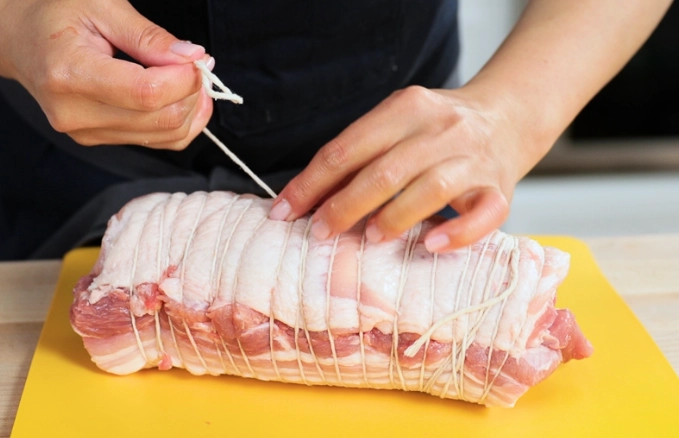
Common Pitfall: Don't keep poking it! Every time you lift the lid, you lose heat and steam. Set a timer, leave it alone for the first hour at least. Trust the process.
Step 3: The Rest and The Chill
This step is what makes your pork chashu sliceable instead of shreddable. Once the pork is fork-tender, turn off the heat and let it cool in the pot for about an hour. This allows the meat to reabsorb some of the juices.
Then, for the cleanest slices, you need to chill it. Wrap the whole piece tightly in plastic wrap and let it cool completely in the fridge, preferably overnight. The fat and juices set, making it firm enough to slice paper-thin. If you're starving and can't wait, you can slice it warm, but it will be messier and more likely to fall apart.
Step 4: Slicing and Serving
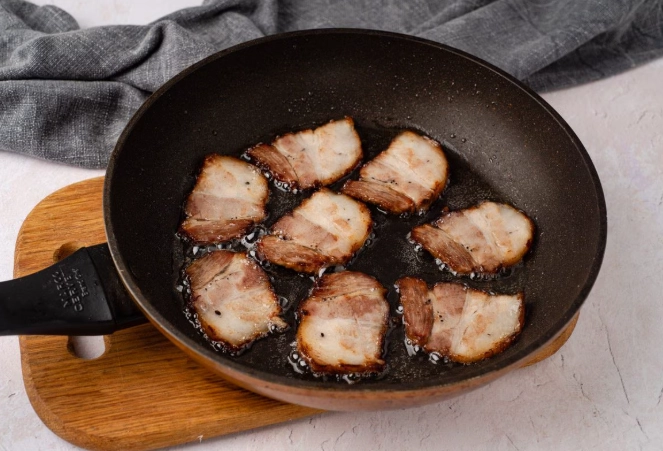
Use a very sharp knife. For belly rolls, slice into half-inch thick rounds. For shoulder, I like slightly thicker slices, maybe 3/4 of an inch. You can eat it cold, but the classic ramen presentation involves briefly torching the slice with a kitchen torch or quickly searing it in a hot pan to warm it up and slightly crisp the edges. That contrast of a warm, slightly caramelized edge and a cool, tender center is divine.
Beyond the Ramen Bowl: What to Do With Your Pork Chashu
Sure, it's the star of tonkotsu ramen. But limiting your homemade pork chashu to just soup is a crime. Here are some of my favorite ways to use it up:
- Chashu Donburi: Slice it up, lay it over a bowl of hot rice, drizzle with a little of the reduced tare, and top with a soft-boiled egg and green onions. The ultimate comfort meal.
- Sandwiches & Buns: Shredded pork chashu makes an incredible filling for bao buns or even a gourmet pulled pork sandwich with a quick, spicy mayo.
- Fried Rice: Dice it up small and use it as the protein in fried rice. The fat and flavor it releases are unreal.
- Breakfast Hash: Cube it and fry it with potatoes and onions. Top with a fried egg. You'll thank me later.
- Pasta: Sounds weird, but trust me. Toss thick spaghetti with shredded chashu, a bit of the tare, butter, and Parmesan. It's umami bomb pasta.
The point is, once you have a batch of this stuff in your fridge, you'll find excuses to eat it. It's that good.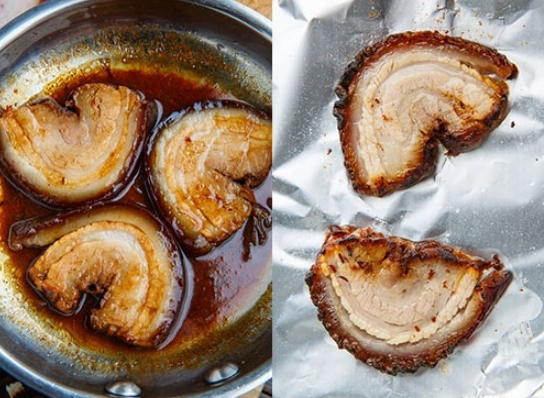
Storing and Freezing Like a Pro
You've made a big batch (because why wouldn't you?). Here's how to keep it tasting great.
In the fridge: Keep the whole unsliced piece submerged in some of its braising liquid in an airtight container. It'll last for 4-5 days. The liquid keeps it from drying out.
Freezing for the future: This is the real hack. Slice the chilled pork chashu first. Lay the slices in a single layer on a parchment-lined baking sheet and freeze until solid (flash freezing). Then, transfer the frozen slices to a zip-top freezer bag, squeezing out as much air as possible. They'll keep for 2-3 months. You can pull out exactly how many slices you need for a single bowl of ramen. Thaw in the fridge or drop them frozen right into your hot broth to warm through.
Answering Your Burning Pork Chashu Questions
Can I make pork chashu with a different cut of meat?
You can experiment, but stick to fatty, collagen-rich cuts. Pork belly and shoulder are the gold standards. Pork loin will almost always end up dry. Some people use beef brisket for a "beef chashu," which is delicious but a different recipe entirely.
Why did my pork chashu turn out tough?
Two main reasons: 1) You didn't cook it long enough. Connective tissue needs time and low heat to break down. 2) You boiled it too hard. A raging boil tightens the muscle fibers. Remember, a bare simmer is your friend.
Can I use a slow cooker or pressure cooker?
Absolutely! A slow cooker is perfect for the "low and slow" method—just sear the meat first for flavor. A pressure cooker (like an Instant Pot) is a fantastic time-saver. Sear using the sauté function, then pressure cook on high for about 45-60 minutes with a natural pressure release. The texture will be slightly different—more like a pot roast—but still incredibly tasty. For food safety guidelines on cooking pork to the correct internal temperature, the USDA's Food Safety and Inspection Service is a reliable resource, though the long braise for chashu far exceeds their recommended minimums for tenderness.
My braising liquid is too salty! How can I fix it?
Dilute it with a bit of water or unsalted chicken stock. Next time, use less soy sauce or use a lighter sodium soy sauce. Remember, you can always add salt, but you can't take it away. Start with a slightly less salty tare.
Is there a way to make it less fatty?
Choose pork shoulder over belly. After chilling, you can also carefully trim off some of the outer layer of solidified fat before slicing. But honestly, the fat is where a lot of the flavor and unctuous texture comes from. I'd encourage you to embrace it.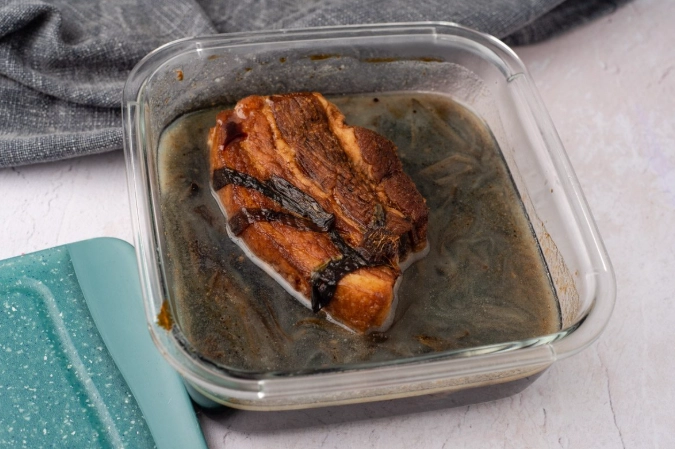
Final Thoughts: Embrace the Imperfection
Look, your first batch of homemade pork chashu might not look like the picture-perfect spiral from a Tokyo ramen-ya. Mine sure didn't. It might be a little lopsided, or your slices might be thicker than you intended. That's okay. In fact, it's more than okay—it's perfect.
Because what you're making is real food, with your own hands, filling your home with incredible aromas. You're learning a technique, understanding how ingredients transform. Whether you choose the luxurious belly or the hearty shoulder, whether you sear it or not, whether you torch it or just slap it on some rice, you're creating something deeply satisfying.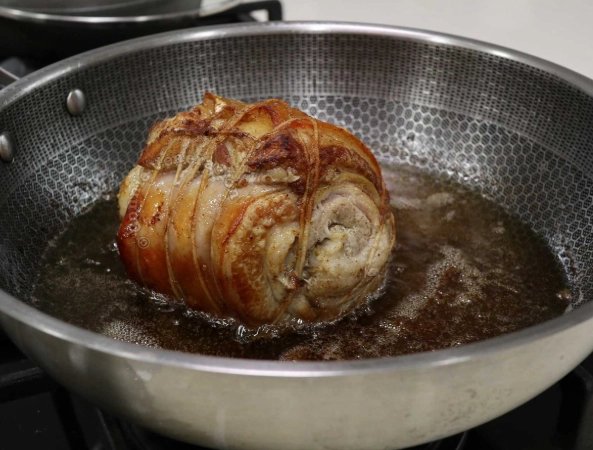
That's the real secret of pork chashu. It's not just a recipe; it's an experience.
So go buy a piece of pork. Grab some soy sauce, mirin, and sake. Clear your afternoon. Put on some music. And just start. The worst that can happen is you end up with a very tasty, if slightly imperfect, pot of meat. And from where I'm sitting, that sounds like a pretty great result.
Reader Comments