Quick Guide
Let's be honest. You've probably stood in the Asian food aisle, picked up a bottle of Bulldog tonkatsu sauce, and wondered – could I make this myself? I know I have. That glossy, dark brown, sweet-savory-tangy sauce that makes fried pork cutlet (tonkatsu) and other fried foods sing is iconic. But the store-bought stuff, while convenient, sometimes has a list of ingredients you need a chemistry degree to understand.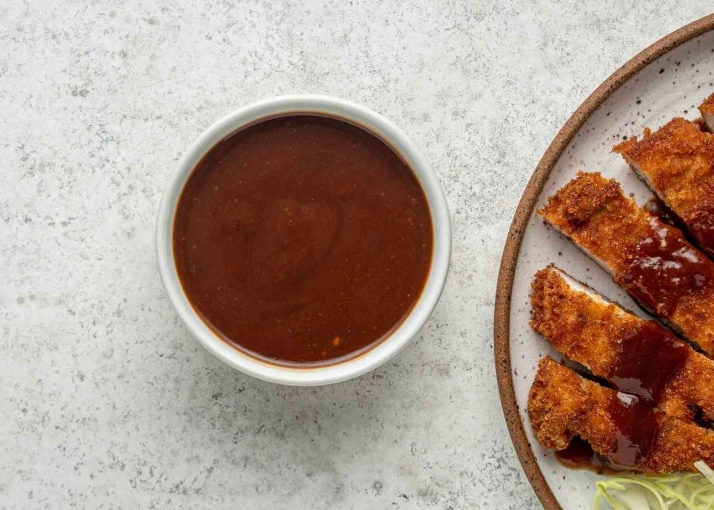
So I started experimenting in my own kitchen. After more failed batches than I care to admit (one was so vinegary it made my eyes water), I finally landed on a homemade tonkatsu sauce recipe that's not just good, it's better. It's fresher, you control the sweetness and salt, and the flavor is more complex. It's also ridiculously easy.
This isn't just about copying a store-bought product. It's about understanding the soul of the sauce. Why do those specific ingredients work? What's the real difference between Worcestershire sauces? And how can you tweak it to make it your own? Whether you're a Japanese cooking newbie or a seasoned pro looking for a from-scratch version, this guide will walk you through everything.
Why Bother Making Your Own Tonkatsu Sauce?
It's a fair question. A bottle is cheap and lasts forever. But once you taste the homemade version, the difference is night and day. The primary flavor in commercial sauces often comes from concentrated fruit and vegetable purees that have been cooked down for ages. When you make it fresh, the flavors are brighter and more distinct. You can taste the apple, the tomato, the spices – they don't just blend into one generic "brown sauce" note.
Then there's the control factor. Are you watching your sugar? Reduce the sugar or use a substitute like monk fruit. Need it gluten-free? Use a certified GF soy sauce and tamarind paste instead of Worcestershire (more on that later). Want a deeper umami kick? Add a splash of dashi. A homemade tonkatsu sauce recipe is endlessly adaptable.
And honestly, it's satisfying. There's a special pride in dipping your crispy katsu into a sauce you crafted yourself. It connects you to the food in a way a plastic bottle never can.
The Core Recipe & The Science Behind It
At its heart, a classic tonkatsu sauce recipe is a Western-style brown sauce that Japan adopted and perfected. It's built on a foundation of sweet, sour, salty, and umami. Let's break down the usual suspects and why they're there.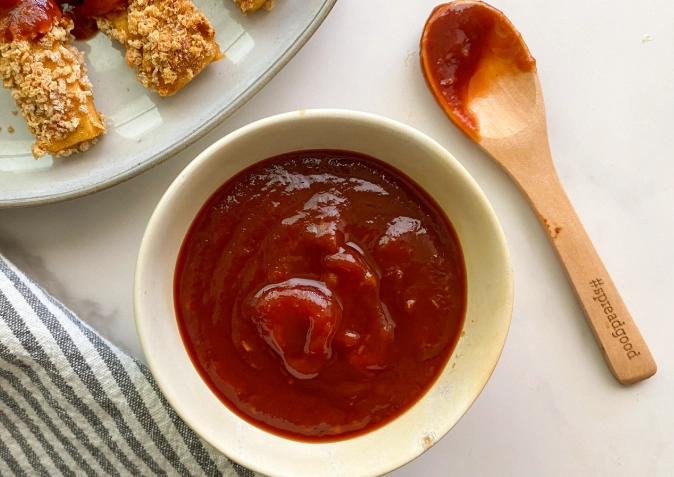
The Foundational Homemade Tonkatsu Sauce Recipe
This is the base I come back to every time. It makes about 1 cup, perfect for a family meal. Scale it up if you want to keep a jar in the fridge.
- 1/2 cup ketchup (the tomato base for sweetness and tang)
- 2 tablespoons Worcestershire sauce (the complex, spiced backbone)
- 1 tablespoon soy sauce (for salty umami depth)
- 1 tablespoon mirin (sweet rice wine for rounded sweetness)
- 2 teaspoons sugar (adjust to your taste)
- 1 teaspoon Dijon mustard (adds a subtle sharpness and helps emulsify)
- A tiny pinch of grated garlic and ginger (optional, but adds a fresh kick)
Method: Whisk everything together in a small bowl until smooth. That's it. Really. For a more developed flavor, let it sit in the fridge for at least an hour, or even overnight. The flavors marry and mellow beautifully.
See? Simple. But the magic is in the details and the choices you make for each component.
Ingredient Deep Dive: Your Choices Matter
Not all ketchups or Worcestershire sauces are created equal. Your final sauce hinges on these.
Ketchup: This is your main sweet and tangy component. A standard American ketchup like Heinz works perfectly. Avoid "fancy" ketchups with added smoke or chipotle – you want the pure tomato-vinegar-sweet flavor. If you're using a low-sugar ketchup, you might need to bump up the sugar or mirin a touch.
Worcestershire Sauce – The Heart of the Matter: This is the most critical ingredient and the source of most confusion. Traditional Worcestershire sauce (like Lea & Perrins) is a fermented condiment made from vinegar, molasses, anchovies, tamarind, onions, garlic, and spices. It’s complex, savory, and slightly funky. Japanese Worcestershire sauce (often labeled "Bulldog Vegetable & Fruit Sauce" or just "Sauce") is a bit different – it's sweeter, thicker, and fruitier. For an authentic tonkatsu sauce recipe, the Japanese version is the intended base. But here's the thing: the beauty of a homemade recipe is we can use the more widely available Western Worcestershire and adjust.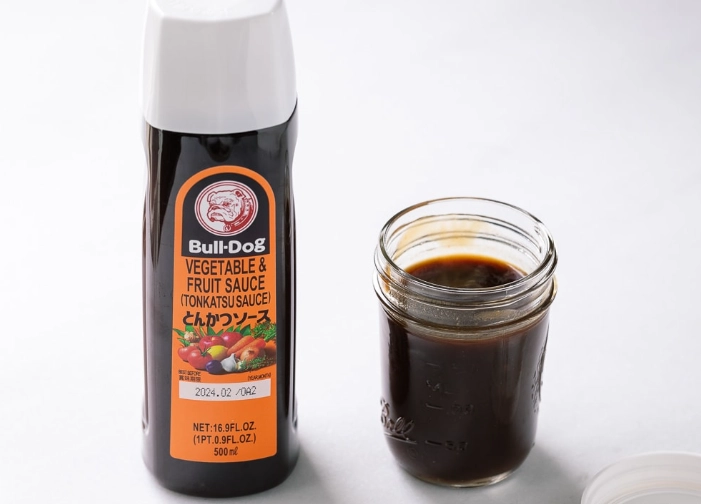
If you use Lea & Perrins, your sauce will be darker, less sweet, and have a more pronounced savory/anchovy note. You'll likely want to add a bit more sugar or mirin. Some recipes even add a teaspoon of fruit jam (apricot, apple) to mimic the fruitiness of the Japanese version. The Japanese Ministry of Agriculture, Forestry and Fisheries (MAFF) actually has classifications for these sauces, which you can read about on their official site, highlighting how ingrained these condiments are in the food culture.
Soy Sauce: Use a regular Japanese soy sauce (koikuchi shoyu). Dark soy will be too intense and salty. Light soy (usukuchi) is saltier and less flavorful. Tamari is a great gluten-free alternative that works well.
Mirin: This sweet rice wine is crucial. It's not just sweetness; it adds a glossy sheen and depth. If you don't have it, you can substitute with 1 tablespoon of sake or white wine plus an extra 1/2 teaspoon of sugar, but the flavor won't be quite the same. Hon mirin (true mirin) is best, but the more common aji-mirin (seasoned mirin) is perfectly fine for this.
The Step-by-Step Guide & Pro Tips
Okay, you've got your ingredients. Let's talk about the actual process and how to avoid the pitfalls I stumbled into.
First, get all your ingredients measured and ready. This takes two minutes. Use a small whisk or a fork. A bowl with a spout makes pouring into a storage jar easier later.
Whisk the ketchup, Worcestershire, and soy sauce first until they're fully combined. You don't want streaks of soy sauce. Then whisk in the mirin, sugar, and mustard. Finally, if using, add that whisper of grated garlic and ginger. Whisk until the sugar is completely dissolved.
Now, taste. This is non-negotiable. Dip a spoon in (clean one, please!).
Is it too tangy/vinegary? Add a pinch more sugar or a drizzle of honey. Too sweet? A few drops of Worcestershire or soy sauce will balance it. Too salty? A tiny splash of water or a bit more ketchup can help. Not complex enough? Let it sit. Time is an ingredient here.
Once it's rested, give it a final stir and transfer it to a clean glass jar or bottle. It will keep in the refrigerator for up to 2-3 weeks. The vinegar and sugar act as natural preservatives.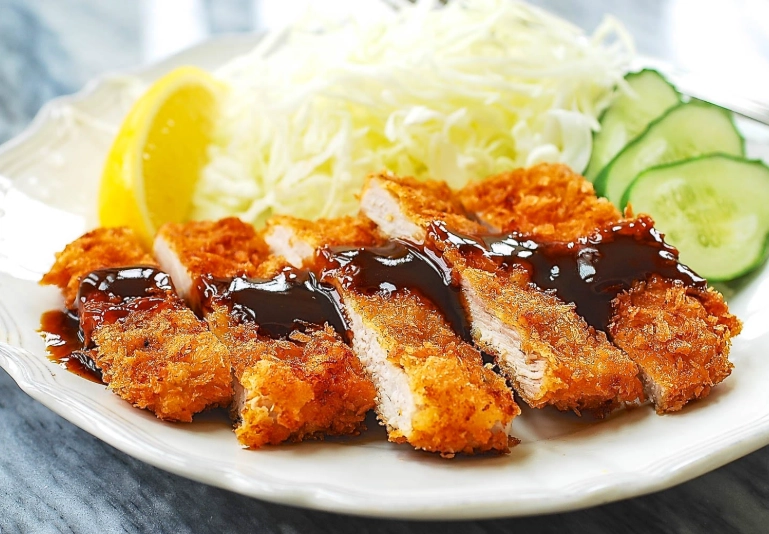
Variations & Creative Twists on the Classic
Once you've mastered the basic homemade tonkatsu sauce recipe, the fun begins. Think of the base recipe as a canvas.
| Variation | How-To | Best Paired With |
|---|---|---|
| Fruit-Forward | Add 1 tbsp of apple, pear, or apricot puree. Simmer the sauce gently for 5 mins to blend. | Classic pork or chicken katsu. Adds a subtle sweetness kids love. |
| Spicy Katsu Sauce | Add 1/2 to 1 tsp of Korean gochujang or a few dashes of hot sauce like Sriracha. | Chicken katsu, fried tofu, or as a burger sauce. Cuts through richness. |
| Extra Umami Bomb | Add 1/4 tsp of dashi powder (hon-dashi) or a teaspoon of oyster sauce. | Tonkatsu, korokke (croquettes). Deepens the savory flavor. |
| Honey Mustard Twist | Replace Dijon with whole grain mustard and the sugar with honey. | Fried fish or chicken tenders. A more Western-friendly profile. |
| Vegan/GF Version | Use tamari, skip Worcestershire (use 1 tbsp soy + 1 tsp tamarind paste + pinch allspice). | Vegetable tempura, tofu katsu. Makes the sauce accessible to all diets. |
I'm particularly fond of the fruit-forward version. I had some overripe pears once, made a quick puree, and added it to the sauce while gently heating it. The result was incredible – a velvety texture and a natural sweetness that wasn't cloying. It became my go-to for a while.
Frequently Asked Questions (The Stuff You Really Want to Know)
They're cousins, not twins. Both are thick, brown, and Worcestershire-based. However, tonkatsu sauce is generally a bit sweeter and less tangy, designed to complement the simple, savory flavor of fried meat. Okonomiyaki sauce, used on the savory Japanese pancake, is often thicker, slightly less sweet, and sometimes has a hint of more pronounced fruitiness to stand up to the myriad of toppings (mayo, bonito flakes, seaweed). You can often use one in a pinch for the other, but purists will notice.
Yes, but you have to build the complexity it provides. Worcestershire brings vinegar, sweetness (molasses), umami (anchovies), and spice. A decent substitute mix is: 1 tbsp soy sauce, 1 tsp tamarind paste (for tang), 1 tsp molasses or dark brown sugar, a pinch of ground allspice or clove, and a splash of vinegar. It won't be identical, but it'll be in the same neighborhood. The BBC's Food section often has great guides on substituting core ingredients like this.
In a clean, airtight container in the fridge, 2-3 weeks is safe. The high acidity from vinegar and ketchup, along with the sugar, creates an environment where bacteria struggle. Always use a clean spoon to scoop it out to prevent contamination. If it develops an off smell, color change, or mold (unlikely but possible), toss it.
Too thin: Simmer it gently in a small saucepan for 5-10 minutes. The water will evaporate, concentrating the flavors and thickening the sauce. Let it cool before using. Too thick: Easy. Whisk in water, a teaspoon at a time, until it reaches your desired consistency. You could also use a bit more mirin or even a splash of sake.
Absolutely! This is a fantastic all-purpose dipping and glazing sauce. I use it for:
- Dipping: Chicken nuggets, french fries, onion rings, spring rolls, fried shrimp.
- Glazing: Brush it on meatloaf during the last 15 minutes of baking, or on grilled chicken or pork chops.
- Stir-fry: A tablespoon or two can add a great sweet-savory base to a simple veggie stir-fry.
- Burger Sauce: Mix a few tablespoons with some mayo for an incredible Japanese-style burger sauce.
It's incredibly versatile. Once you have a jar in your fridge, you'll find yourself reaching for it constantly.
The Final Verdict: Is It Worth It?
Look, if you eat tonkatsu once a year, just buy the bottle. No judgment.
But if you love Japanese food, enjoy cooking, or simply want to know exactly what's in your food, making your own tonkatsu sauce is a no-brainer. It takes 5 minutes of active work, costs pennies per batch, and the flavor payoff is huge. You get a sauce that's fresher, more nuanced, and tailored to your palate.
This homemade tonkatsu sauce recipe demystifies a classic condiment. It shows you that the magic isn't in a secret ingredient, but in the balance of a few simple, good-quality components. Give it a try this weekend. Make a batch, let it sit overnight, and then fry up some panko-crusted pork or chicken. The moment you dip that first crispy, golden piece into your own creation, you'll understand.
And who knows? You might just find yourself, like I did, never going back to the store-bought version again.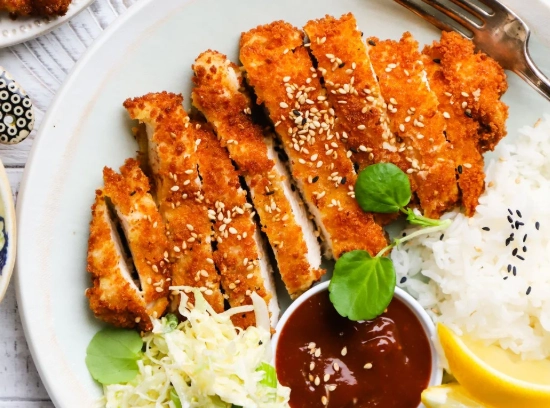
Reader Comments