Let's talk about Japanese chicken dishes. Forget the dry, bland chicken breast you might be used to. In Japan, chicken is treated with a kind of reverence, transformed through techniques that maximize umami, texture, and comfort. It's not just about teriyaki, though that's a great start. It's about smoky yakitori from a back-alley stall in Tokyo, the soul-warming embrace of a bowl of oyakodon on a rainy day, and the impossibly crisp yet juicy bite of karaage. I've spent years eating my way through izakayas and home kitchens from Hokkaido to Kyushu, and I'm still discovering new twists. This isn't a history lesson; it's a practical guide to understanding, ordering, and cooking these dishes like you mean it.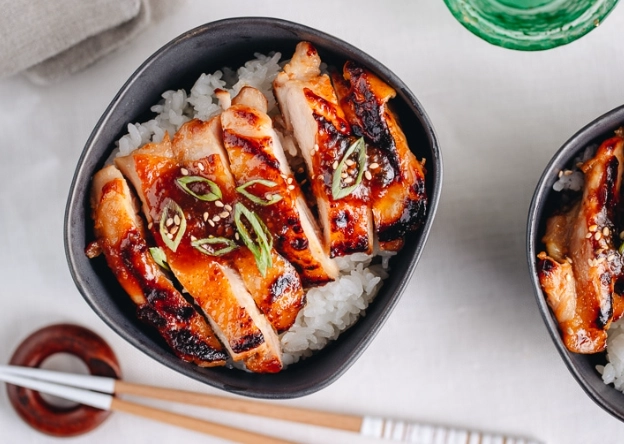
Your Quick Guide to Japanese Chicken Mastery
What Makes Japanese Chicken Dishes So Unique?
It boils down to a few non-negotiable principles. First, the dashi foundation. That kombu and bonito broth isn't just for soup. It's the stealth ingredient in sauces, stews, and simmering liquids, adding a deep, savory backbone that plain water or Western stock can't match. Try making oyakodon with chicken stock instead of dashi – it'll taste flat, one-dimensional.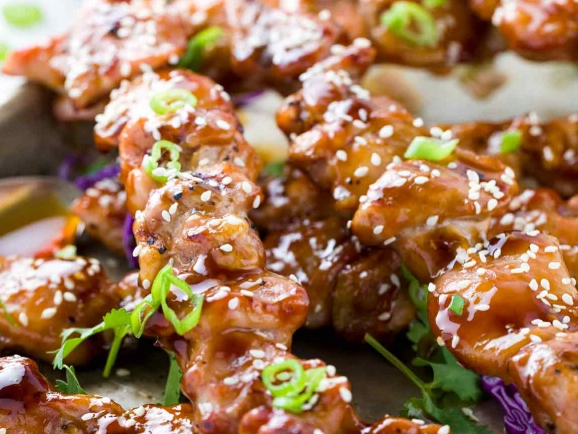
Second, the balance of seasonings – soy sauce, mirin, sake, and sugar. It's a quartet, not a solo act. The soy provides salt and umami, mirin adds sweetness and gloss, sake tenderizes and removes gaminess, and sugar (or sometimes honey) caramelizes. The ratio is everything. A common mistake is drowning everything in soy sauce. The goal is harmony, not a salt bomb.
Third, texture is king. Whether it's the crackling skin of yakitori, the silky-soft egg draped over chicken in oyakodon, or the audibly crunchy exterior of karaage, mouthfeel is designed into the dish. It's why thigh meat (momo) is almost always preferred over breast for its higher fat content and forgiving texture during high-heat cooking.
How to Master the Top 3 Japanese Chicken Dishes at Home
Let's get practical. You can find a million recipes online. I'll tell you what those recipes often gloss over – the tiny details that make the difference between good and "how did you do this?"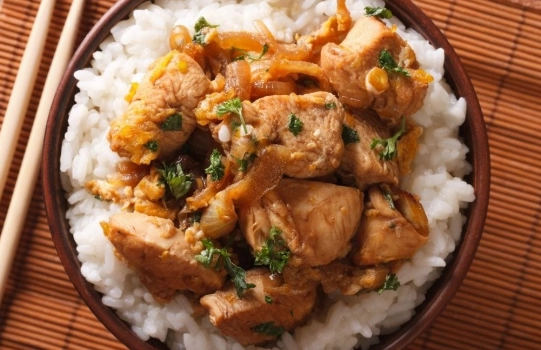
The Yakitori Code: Street Food Perfected
Yakitori seems simple: chicken on a stick. But the variation is staggering. At a good shop, you'll see a menu with 20+ types. The key is the cut and the seasoning (shio for salt, or tare for a sweet-savory sauce).
For home cooks, skip the fancy binchotan charcoal unless you're a purist. A very hot gas grill or even a heavy cast-iron grill pan works. The real secret is in the skewering and saucing.
For tare sauce, don't baste too early. The sugar in mirin and soy will burn. Grill the chicken 80% of the way with just salt, then dip the skewer in tare and return it to the grill for the final 20-30 seconds per side. That's how you get that sticky, caramelized glaze without charring it to a crisp.
Chicken Teriyaki: The Truth About The Glaze
Most Western versions are a sad, syrupy, one-note affair. Authentic teriyaki is about the teri (gloss) and the yaki (grill/broil).
Here's the method most recipes get wrong: they tell you to cook the chicken in the sauce. That steams the chicken and makes the skin soggy. Instead, pan-fry or broil your chicken pieces (skin-on thighs, please) until nearly cooked and the skin is crisp. Remove the chicken. In the same pan, pour off excess fat, then add your teriyaki mixture (equal parts soy, mirin, sake, and a spoon of sugar). Let it boil and reduce by half until it thickens to a syrup that coats the back of a spoon. Then return the chicken to the pan, turn it in the glaze for just 30 seconds, and let it rest. The residual heat sets the glaze. Perfection.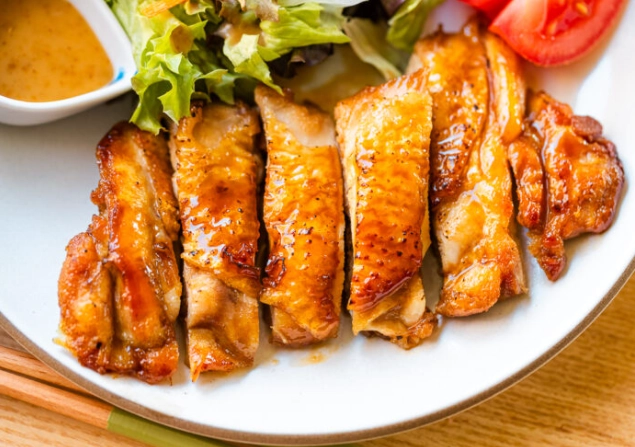
Oyakodon: The Ultimate Comfort Food, Deconstructed
"Parent-and-child donburi." Chicken and egg over rice. It sounds simple, but the texture of the egg is everything. It should be barely set, creamy, and silky, not scrambled or rubbery.
The trick is a two-stage egg pour. Simmer sliced onions and chicken in a dashi-soy-sake-mirin mix in a small skillet. When the chicken is just cooked through, pour in about two-thirds of your beaten eggs. Let it set for 20 seconds over low heat. Now, pour the remaining egg over the top, immediately cover the skillet, and turn off the heat. Let it sit for one minute. The steam will finish cooking the top layer to a delicate, custardy consistency. Slide the whole thing over a bowl of hot rice. The eggs will continue to cook slightly from the rice's heat, so err on the side of underdone in the pan.
Beyond the Basics: Regional Gems and Izakaya Favorites
Once you've got the big three down, the world opens up.
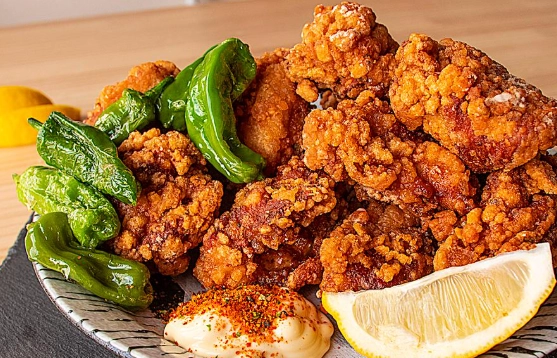
Tori Karaage: Japanese fried chicken. The marinade (typically soy, ginger, garlic) and the double-dusting of potato starch (not flour) are key. Potato starch fries up lighter and crispier. Fry at 340°F (170°C) for a longer time to cook through, then a quick 30-second dip at 375°F (190°C) to re-crisp. Serve with a wedge of lemon and karashi mayo.
Mizutaki: A Fukuoka specialty, this is a chicken hot pot. A whole chicken is simmered to make a rich, clear broth. You then dip the tender chicken and vegetables into a ponzu or sesame sauce. It's clean, healthy, and incredibly flavorful. The quality of the chicken itself is paramount here.
Toriniku no Tatsuta-age: Similar to karaage but marinated in soy, ginger, and sake, then coated in potato starch mixed with a little flour. It creates a craggier, more delicate crust. You'll see this as a bar snack everywhere.
Here’s a quick guide to some of these staples you’ll find on menus:
| Dish Name | Key Characteristic | Typical Setting | Beginner-Friendly? |
|---|---|---|---|
| Yakitori | Grilled skewers, salt or tare sauce | Izakaya, street stalls | Medium (grill control needed) |
| Oyakodon | Chicken & egg simmered in dashi over rice | Lunch sets, teishoku-ya | Yes (one-pan meal) |
| Tori Karaage | Marinated, deep-fried chicken pieces | Izakaya, bento boxes | Yes (mind the oil temp) |
| Mizutaki | Chicken hot pot with clear broth | Specialty restaurants, winter | Easy (it's boiling water, basically) |
| Sasami Katsu | Fried chicken tenderloin cutlet | Izakaya, modern washoku | Yes (like tonkatsu but chicken) |
Pro Tips & Common Mistakes to Avoid
Let's wrap with some hard-earned advice.
- Buy the right chicken: For dishes like yakitori or mizutaki where the chicken flavor is front and center, try to find free-range or jidori if you can. The taste difference is noticeable.
- Sharp knives are non-negotiable. Clean cuts on chicken, especially for yakitori and stir-fries, ensure even cooking. Tearing the meat with a dull blade ruins texture.
- Don't substitute mirin. Sweet rice wine is not the same as "aji-mirin" (corn syrup-based). Real mirin has alcohol and complex flavor. If you're in a pinch, a tiny bit of dry sherry or white wine with a pinch of sugar is closer than the fake stuff. The Japan External Trade Organization (JETRO) has great resources on authentic ingredients if you're sourcing them.
- Rest your meat. After grilling or frying, let chicken rest for a few minutes before slicing or serving. This lets the juices redistribute. Cutting into a piece of karaage straight from the oil is a one-way ticket to Dryville.
One last personal gripe: I see so many recipes for "healthy teriyaki" that use low-sodium soy and sugar substitutes. You're stripping out the soul of the dish. If you want to eat healthier, make a different dish, like grilled chicken with shio koji marinade, or a chicken and vegetable nimono. Don't bastardize teriyaki.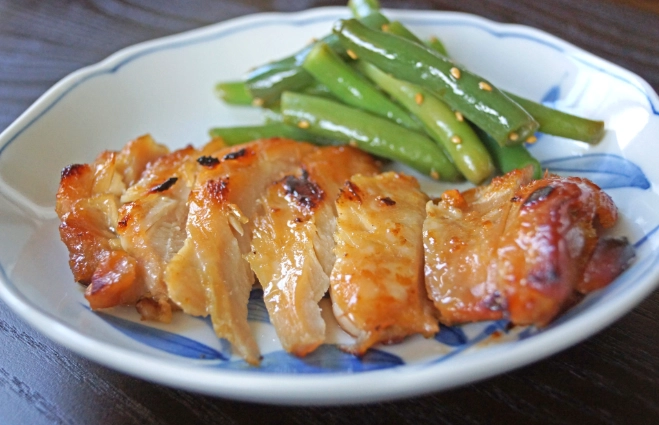
Your Burning Questions Answered
Reader Comments