Quick Navigation
Let's talk about Amberjack. If you're into fishing or just love good seafood, you've probably heard the name. Maybe you've seen it on a sushi menu, listed as "Kanpachi." Or perhaps you've heard stories from anglers about the brutal fight this fish puts up. But what exactly is an Amberjack fish? Is it just one fish, or are there different kinds? And more importantly, is it good to eat? I remember the first time I tried to research it – the information was all over the place. Some sources made it sound like a trophy fish only for experts, others just talked about sushi. It was frustrating.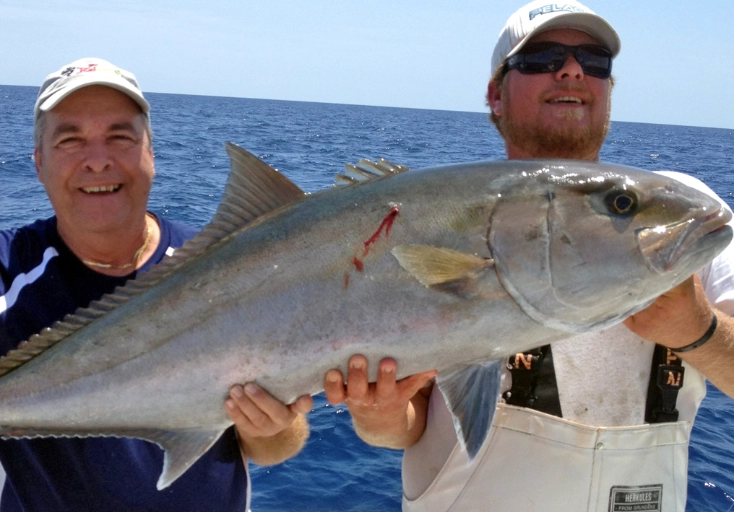
So, I decided to pull everything together. This isn't just a list of facts. It's the guide I wish I had when I started. We'll dig into the different species (trust me, this matters), the absolute best ways to catch them (I've learned some lessons the hard way), and how to turn your catch into an incredible meal. We'll also tackle the big, scary topic that everyone whispers about: ciguatera poisoning. Is it a real concern, or just an old fisherman's tale? Let's find out.
What Exactly Is an Amberjack Fish?
First things first. "Amberjack" isn't the name of a single fish. It's more like a family nickname for several powerful, fast-swimming predators in the jack family (Carangidae). They're built like torpedoes – streamlined and muscular. Think of them as the offshore athletes of the fish world. They love warm waters, so you'll find them in the Atlantic, the Mediterranean, the Pacific, and especially around Japan and Hawaii.
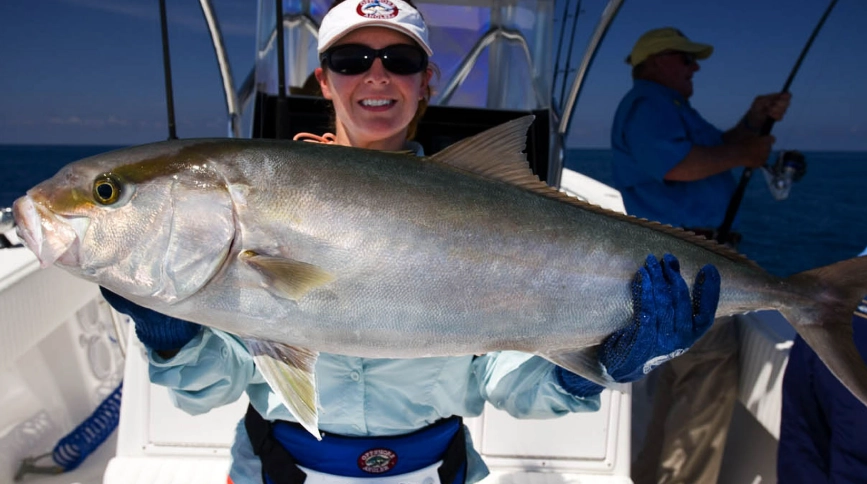
Their color is usually a bluish-green or grayish on top, fading to a silvery white belly. That's where the "amber" part might come from – sometimes you can catch a golden or amber sheen along their sides, especially near the tail. But the most reliable mark is a dark diagonal stripe running from their nose, through the eye, and fading as it goes toward their back. It's like a racing stripe. If you see that, you're likely looking at some type of Amberjack.
Quick ID Tip: The dark "mask" through the eye and the fierce, angular head profile are dead giveaways. Younger, smaller Amberjack fish often hang around floating debris or oil rigs, while the big brutes prefer deeper reefs and ledges.
They're not picky eaters. An Amberjack's diet includes squid, smaller fish, and crustaceans. This opportunistic feeding is part of what makes them such a thrilling catch – they'll aggressively hit a well-presented lure or live bait. It's also a key fact when we talk about safety later on.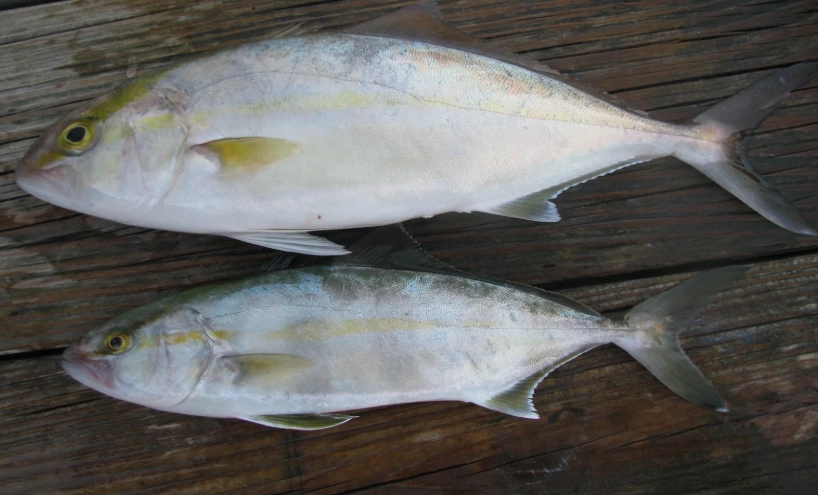
The Main Players: A Breakdown of Amberjack Species
This is where confusion often starts. People say "I caught an Amberjack," but which one? The fighting style, taste, and even safety can vary. Here’s a clear breakdown of the main species you'll encounter.
| Common Name | Scientific Name | Key Identifying Features | Typical Size & Habitat | Culinary Notes |
|---|---|---|---|---|
| Greater Amberjack | Seriola dumerili | Prominent dark eye stripe, amber lateral band, robust body. | Largest species. Common 20-60 lbs, can exceed 100 lbs. Deep reefs, wrecks, offshore. | Firm, rich red flesh. Best grilled or seared. Larger fish risk of ciguatera. |
| Yellowtail Amberjack (Hamachi/Kanpachi) | Seriola quinqueradiata | Yellowish tail fin and mid-body band. | Highly prized in Japan. Often farmed. 5-30 lbs. | The sushi superstar. Fatty, buttery, mild flavor. Excellent raw. |
| Almaco Jack | Seriola rivoliana | Deeper body, steeper forehead. Stripe extends to front of dorsal fin. | Found worldwide. Often mixed with Greater Amberjack. | Similar to Greater Amberjack. Dense, flavorful meat. |
| Lesser Amberjack | Seriola fasciata | Smaller, more elongated body. Less distinct stripe. | Smaller species, usually under 10 lbs. | Less common on plate. Flesh can be softer. |
See the difference? If you're fishing in the Gulf of Mexico or off Florida, you're probably after the Greater Amberjack. It's the classic sport fish. But if you're ordering at a nice sushi bar, you're almost certainly eating Yellowtail Amberjack, often called Hamachi (younger) or Kanpachi (a specific farmed variety). The farming of Yellowtail is a huge deal in Japan, producing a consistent, high-quality product for the global market. The Monterey Bay Aquarium's Seafood Watch program has resources on the sustainability of different fishing and farming practices for species like Amberjack, which is worth checking out if you're conscientious about your seafood choices.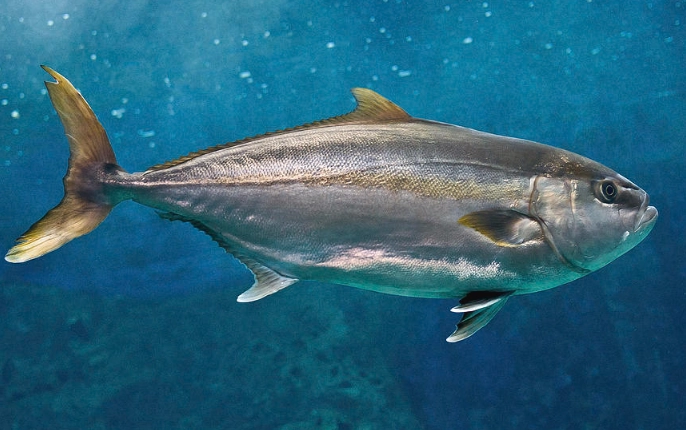
I once caught what I thought was a huge Greater Amberjack, only for a more experienced angler to point out it was an Almaco Jack by the shape of its head. The fight was just as brutal, but it taught me to look closer. Knowing your species isn't just for bragging rights; it helps you understand the fish.
How to Catch Amberjack: It's a War of Attrition
Let's be honest. Catching an Amberjack fish, especially a big one, is not a delicate affair. It's a test of your gear and your back. They are famously powerful, making deep, dogged runs that can spool you if you're not prepared. I've seen rods nearly ripped from holders. The key is to be prepared for a fight that feels personal.
Gear You Absolutely Need
Leave the light tackle for another day. For Amberjack, you need heavy-duty equipment.
- Rod & Reel: A sturdy 6-7 foot heavy-action rod paired with a high-capacity conventional reel (think Penn International or similar level). You need a reel that can hold at least 300 yards of 50-80 lb braid.
- Line: Braided line (50-80 lb test) for its no-stretch sensitivity and strength, with a top shot of 60-100 lb fluorocarbon leader. Their sharp gill plates can rub through mono.
- Terminal Tackle: Strong, corrosion-resistant circle hooks (8/0 to 10/0) are my preference for live bait. They hook in the corner of the mouth, which is better for the fish if you're releasing and gives you a solid hold. For jigging, heavy metal jigs (200-400 grams) or butterfly jigs are killers.
Finding Them and What to Throw
Amberjack are structure-oriented. They love places where currents bring food to them.
Top Amberjack Hangouts: Offshore oil and gas platforms, artificial reefs, sunken ships, natural rock ledges, and deep-water pinnacles. Use your fish finder to look for arches suspended mid-water around this structure.
For bait, live is almost always king. A lively blue runner, small bonito, or even a large pinfish sent down to the structure is an irresistible meal. The trick is to get it down to their level without it getting eaten on the way by smaller fish.
Vertical jigging is another incredibly effective and active method. You drop a heavy jig down, work it up and down with sharp rod lifts, and wait for the brutal thump. When an Amberjack fish hits a jig, it doesn't tap it. It feels like you hooked a subway car. Be ready.
The fight.
It starts with that heavy thud. Then your drag starts screaming. They will head straight for the bottom, trying to wrap your line around the reef or wreck. Your job is to stop that first dive if you can. Apply steady, heavy pressure. Pump the rod, reel down. It's a grind. They have incredible stamina. Just when you think they're done, they'll often make another powerful run. It's exhausting and exhilarating.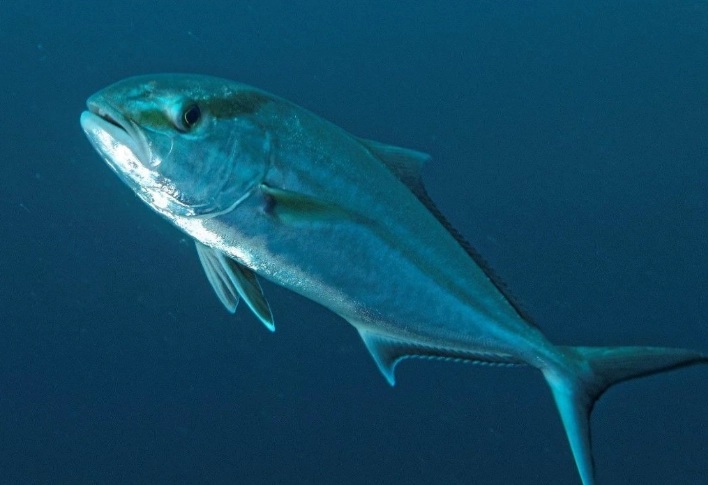
From Catch to Kitchen: Preparing and Cooking Amberjack
Okay, you've landed one. Now what? How do you turn this powerful fighter into a delicious meal? The first step is proper handling. Amberjack flesh is firm but can spoil if not treated right.
Bleeding and Icing: The Non-Negotiables
As soon as you boat the fish, bleed it. Make a clean cut across the throat (just behind the gill plates) to sever the main arteries. Let it bleed out over the side. This removes blood from the meat, which greatly improves flavor and shelf life. Then, get it on ice immediately. Not just next to ice, but buried in a slurry of ice and seawater. This rapid chilling is the secret to top-quality fish, especially for something you might want to eat raw.
Filleting and the Bloodline
Filleting an Amberjack is similar to other large round fish. Make a cut behind the pectoral fin down to the backbone, then run your knife along the backbone from head to tail. You'll end up with a large, thick fillet.
Here's the critical part: the dark red bloodline. That strip of darker meat along the centerline of the fillet is strong-tasting and can turn people off. For the mildest, most versatile fillets, you should remove it. Use a sharp, flexible fillet knife to cut it out. What's left is a beautiful, firm, pinkish-white piece of meat.
A Must-Read Note on Ciguatera: This is the big one. Ciguatera is a foodborne illness caused by toxins that accumulate in some reef fish. Larger predatory reef fish like Amberjack (especially Greater Amberjack over about 20 lbs from tropical reefs) are prime candidates. The toxin comes from algae and moves up the food chain. It cannot be killed by cooking, freezing, or any preparation method. Symptoms are nasty: neurological issues like temperature reversal (cold things feel hot, hot things feel cold), nausea, and muscle aches. The CDC provides detailed information on ciguatera, including regions of higher risk. My personal rule? I am extremely cautious with large Amberjack from known ciguatera hotspots like the Caribbean, Florida Keys, or certain Pacific islands. For smaller fish (under 15-20 lbs) or Amberjack from open-water structures farther from dense reef systems, the risk is generally considered much lower. When in doubt, find out about local advisories or simply release the big ones. It's not worth the risk.
Cooking Methods That Shine
Amberjack's firm texture holds up to almost anything. It's a chef's dream.
For Sushi/Sashimi (Kanpachi/Hamachi): This is the pinnacle for Yellowtail. The farmed Kanpachi is specifically raised for this. The flesh is fatty, clean, and melts in your mouth. If you've caught a smaller, very fresh Yellowtail or even a young Greater Amberjack, and you are 100% confident in its safety (see warning above), it can be sublime. Slice it thinly against the grain.
Grilling or Pan-Searing: Perfect for steaks or thick fillets. The meat won't fall apart. Score the skin to prevent curling. Use high heat to get a crispy sear. A simple marinade of soy, ginger, and garlic works wonders. I love it with a spicy mango salsa on top.
Baking or Roasting: A whole, scaled and gutted smaller Amberjack, stuffed with lemon and herbs and roasted, is a stunning centerpiece. The thick skin gets crispy, the flesh stays moist.
Ceviche: The firm texture is ideal for ceviche. It "cooks" beautifully in the citrus juice without becoming mushy. Dice it small, use fresh lime juice, red onion, cilantro, and a touch of chili.
Nutrition and Sustainability: The Broader Picture
Is Amberjack fish good for you? Absolutely. It's an excellent source of lean protein, packed with omega-3 fatty acids (especially the prized DHA and EPA), and rich in vitamins like B12 and selenium. It's a healthy choice. The FDA's advice on eating fish places most Amberjack in the "Good Choices" category (eating once a week), though they note the specific ciguatera risk for larger reef predators, which aligns with our earlier warning.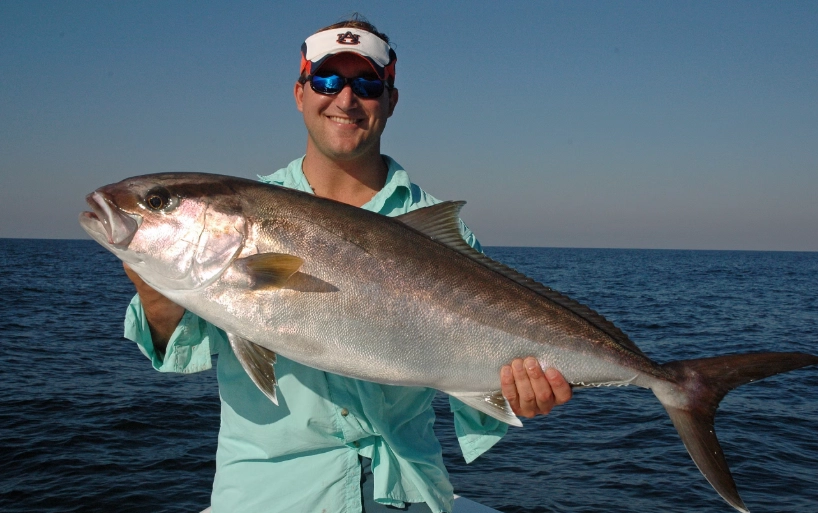
Sustainability is a mixed bag. Wild Greater Amberjack populations in places like the Gulf of Mexico have faced pressure. There are strict regulations on size and bag limits to help stocks recover. Always check your local fishing regulations. On the flip side, the farming of Yellowtail Amberjack (Seriola quinqueradiata) in Japan is a highly developed industry, producing a sustainable and consistent product. Other Seriola species are also being farmed experimentally elsewhere. When buying, ask questions. Where is it from? Is it wild or farmed? Your choices matter.
Your Amberjack Questions, Answered
So there you have it. The Amberjack fish is more than just a hard fighter or a menu item. It's a fascinating group of species that connects sport fishing, culinary arts, ecology, and food safety. Whether you're dreaming of hooking into a powerful Greater Amberjack on the deep reef or savoring a piece of silky Kanpachi at a sushi bar, understanding this fish makes the experience richer. Be informed, be respectful of the ocean, and most importantly, enjoy the pursuit and the plate.
Go out there, be safe, and tight lines.
Reader Comments