You see it on menus everywhere now. That creamy, orange-hued broth topped with ground meat and a soft-boiled egg. Tan tan ramen. It's become a global phenomenon, but what exactly is it? Is it just a spicy noodle soup? Having slurped down countless bowls from Tokyo back-alleys to my own kitchen experiments (and a few disappointing failures), I can tell you it's a dish with depth, history, and a few secrets most guides don't mention.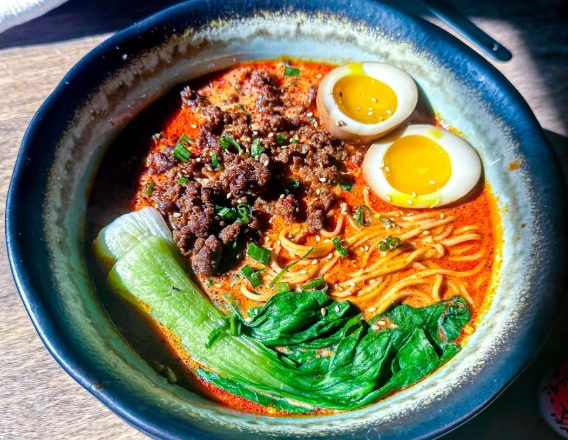
What's Inside This Guide
What Is Tan Tan Ramen, Really?
Let's clear something up first. Tan tan ramen (坦々麺) is the Japanese adaptation of Chinese Sichuan dan dan mian. The name comes from the carrying pole (dan dan) vendors used to hawk the noodles. But the Japanese version took a sharp turn. While the original is a saucy, numbing, dry noodle dish, Japan turned it into a rich, creamy soup.
The transformation happened in the 1970s and 80s. Japanese chefs, inspired by the flavors but catering to local tastes for ramen soup, added a milky tonkotsu or chicken broth and blended in sesame paste. The result? A completely new creature. It's less about the face-numbing Sichuan peppercorn (though some places use it) and more about a complex, nutty, savory, and warming spice. Calling it just "spicy ramen" is like calling a Ferrari "a fast car"—technically true, but missing the essence.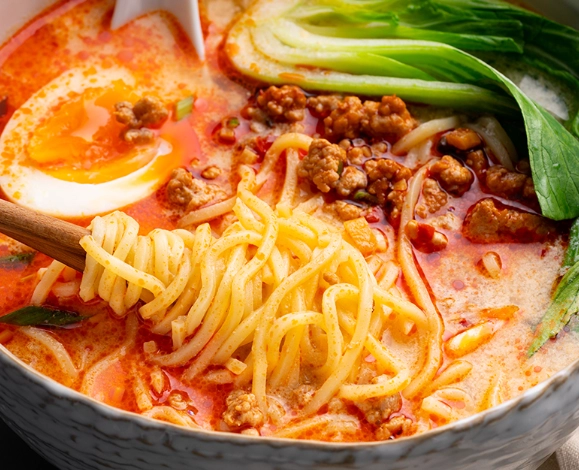
Deconstructing the Bowl: The 5 Key Components
Every great bowl hinges on these parts working together. Mess up one, and the balance is off.
1. The Broth: The Creamy Foundation
This is the biggest departure from China. You need a rich, opaque broth. A pure pork (tonkotsu) broth is common, but I've had incredible versions with chicken paitan (white broth) or a blend. The key is collagen and fat, which emulsify to create that signature creaminess. A common home cook mistake? Using a clear, light dashi. It won't work. You need body.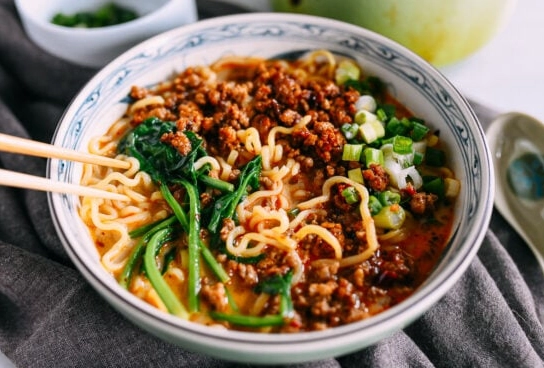
2. The Tare (Seasoning Paste): The Flavor Bomb
This is where the magic happens in the kitchen. The tare is a concentrated paste added to the bowl before the broth. It typically contains:
- Sesame Paste or Tahini: The soul of the dish. Use Chinese sesame paste for a deeper roast, or Japanese nerigoma for smoothness. Runny tahini works in a pinch.
- Doubanjiang (Spicy Bean Paste) or Chili Oil (Rayu): Provides the heat and fermented depth.
- Miso or Soy Sauce: For saltiness and umami.
- Minced Meat: Often pork or chicken, cooked with aromatics until crispy. This isn't just a topping; its rendered fat goes INTO the tare.
The tare is whisked with hot broth in the bowl to create the final soup.
3. The Noodles: The Vehicle
Medium-thick, wavy, yellow alkaline noodles (chūkamen) are standard. The waves help grab the creamy broth. Fresh is best, but good dried ramen noodles are fine. Don't use somen or soba—they're too delicate.
4. The Toppings: The Finishing Touches
The classic lineup: the crispy minced meat, a soft-boiled ajitama egg, chopped scallions, bok choy or spinach, and sometimes a sprinkle of crushed peanuts or sesame seeds. Nori (seaweed) is less common here than in other ramen.
5. The Aroma Oil: The Secret Weapon
A final drizzle of fragrant oil—chili oil, sesame oil, or a blend—seals the deal. It adds a glossy sheen and carries aroma directly to your nose with every sip. Never skip this.
Pro Tip from the Kitchen: Most recipes tell you to mix the sesame paste into the tare. Try this instead: blend a portion of the hot broth with the sesame paste first to make a smooth slurry, then add it back. This prevents the paste from seizing up or forming clumps in your bowl—a subtle but common textural flaw.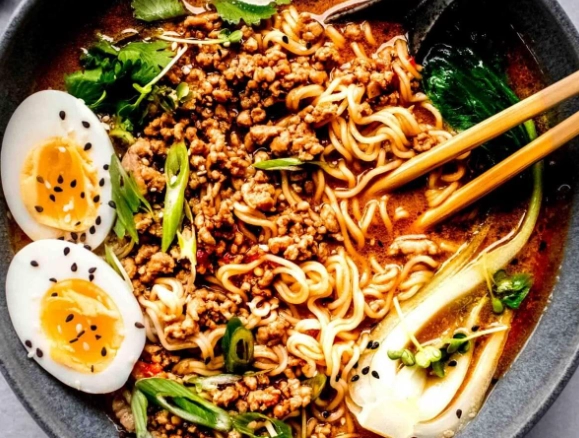
How to Make Authentic Tan Tan Ramen at Home
You don't need a professional kitchen. But you need patience and the right ingredients. Here's a streamlined approach based on my trial and error.
Step 1: Build a Rich Broth. If you have 8 hours, make a proper tonkotsu. If you're short on time, cheat smartly. Simmer chicken wings, pork neck bones, and a chunk of pork fat for 3-4 hours. The goal is milky white. A pressure cooker cuts this to 90 minutes. For a quick hack, use a good quality unsalted chicken bone broth from the store and simmer it with a few tablespoons of gelatin powder and a strip of pork fat for 30 minutes. It's not perfect, but it gets you 85% there.
Step 2: Make the Flavor Base (Tare). Sauté 200g of ground pork until crispy. Remove the meat, leaving the fat. In that fat, fry 2 tbsp of doubanjiang and 1 tbsp of minced garlic/ginger for a minute. Off heat, stir in 3 tbsp of sesame paste, 2 tbsp of soy sauce, 1 tbsp of mirin, and 1 tsp of sugar. Add the crispy meat back in. This is your master paste.
Step 3: Assemble the Bowl. This is the crucial moment. For each bowl, place 2 heaping tablespoons of the tare paste. Cook your noodles. Ladle in about 350ml of piping hot broth. Use a whisk or chopsticks to vigorously mix the paste and broth until it's fully combined and slightly frothy. Add the drained noodles. Top with your meat, a halved soft-boiled egg, greens, and scallions. Finish with a drizzle of chili sesame oil.
The common failure point is broth temperature. If it's not hot enough, the fat won't emulsify, and you'll get a greasy, separated soup.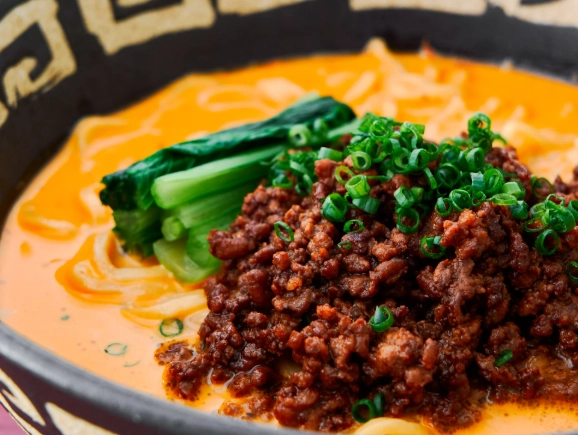
Where to Find the Best Tan Tan Ramen in Tokyo
Reading about it is one thing. Eating the real deal is another. If you're in Tokyo, these spots are worth the trip. I've ranked them based on broth depth, spice balance, and overall experience.
| Shop Name / Area | Address & Access | What Makes It Special | Price Range & Hours |
|---|---|---|---|
| 1. Kikanbo (Ikebukuro) | 2-10-1 Ikebukuro, Toshima. 5-min walk from Ikebukuro Station (East Exit). | The king of spice customization. You choose levels of "spicy" and "numbing." Their miso-based tan tan is incredibly rich, with whole peanuts and thick minced pork. Not for the faint-hearted. | ¥1,100 - ¥1,300. Open 11:00-22:00. Expect a line. |
| 2. Menya Musashi (Shinjuku) | Multiple locations. The main shop is in Shinjuku's Kabukicho area. | Famous for its double soup (seafood + pork). Their tan tan ramen is a masterclass in balance—creamy but not heavy, spicy but not overwhelming. The noodles have a perfect chew. | ¥950 - ¥1,200. Usually 11:00-23:00. Very tourist-friendly. |
| 3. Nakiryu (Otsuka) | 2-34-4 Minamiotsuka, Toshima. Near Otsuka Station. | A Michelin-starred ramen shop. Their tantanmen is more refined, with a complex, layered chicken-based broth and high-quality ingredients. It's elegant. The spice is subtle but builds. | ¥1,000 - ¥1,100. Open 11:30-15:00, 18:00-21:00 (sells out fast). Queue up early. |
| 4. Hanamichi (Nakano) | Inside Nakano Broadway, 5th Floor. | A hidden gem. Their version uses a black sesame paste, giving the broth a darker color and an intense, toasty nuttiness that's different from the norm. A unique take worth seeking out. | ¥900 - ¥1,000. Follows Nakano Broadway hours (typically ~12:00-20:00). |
A word on etiquette: Slurping is encouraged—it cools the noodles and aerates the broth. Pay at the vending machine first if there is one. Don't linger too long after you finish; these are quick-turnover spots.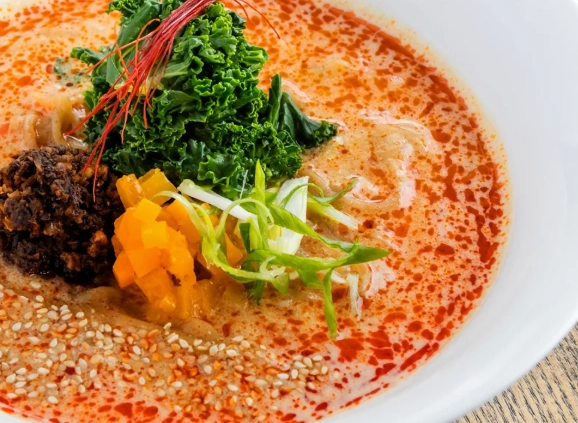
Your Tan Tan Ramen Questions Answered
After talking to dozens of fellow ramen enthusiasts, here are the real questions people have.
So there you have it. Tan tan ramen is more than a trend. It's a delicious, adaptable dish that bridges cultures. Whether you're hunting down the best bowl in Tokyo or trying your hand at the recipe, remember it's about that perfect, comforting harmony of creamy, nutty, savory, and spicy. Now go get a bowl. Your taste buds will thank you.
Reader Comments