Quick Navigation
- What Are Panko Bread Crumbs, Really?
- The Panko vs. Regular Breadcrumbs Showdown
- Buying and Storing Panko: Keeping That Crunch
- The Golden Rules for Using Panko Bread Crumbs
- Beyond Frying: Creative Uses for Panko
- Flavoring Your Panko: From Basic to Brilliant
- Troubleshooting Common Panko Problems
- Panko Substitutes (For When You're in a Pinch)
- Your Panko Recipe Shortlist
- Panko FAQs: Answering Your Burning Questions
Let's be honest. We've all been there. You follow a recipe for crispy fried chicken or fish to the letter, you coat it in what you think are perfectly good breadcrumbs, and what comes out of the pan or oven is... soggy. A little sad. It sticks to the pan, the coating falls off in patches, and that beautiful, shatteringly crisp texture you were dreaming of is nowhere to be found. I've thrown away more than a few disappointing dinners because of this.
Then I discovered panko bread crumbs. It wasn't in a fancy cooking class, but out of sheer frustration. A friend mentioned them offhand, and I picked up a box on a whim. The difference wasn't subtle. It was a revelation. Suddenly, my homemade tonkatsu (Japanese pork cutlet) had that professional, airy crunch. My baked zucchini fries were actually crispy, not just soft sticks in a faintly browned jacket. That's when I fell down the rabbit hole.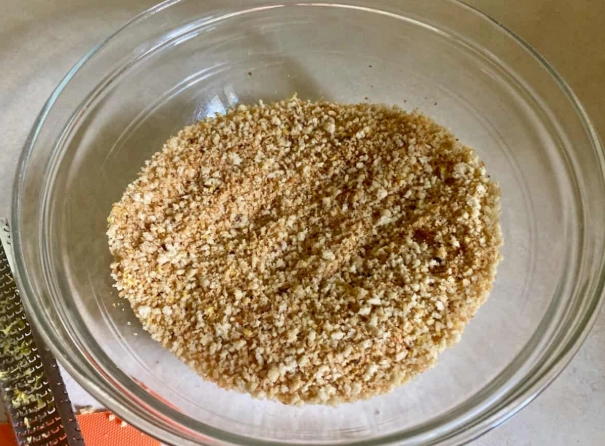
What is it about these Japanese-style breadcrumbs that makes them so different? Why do they work so much better for certain things? And are they just a trendy ingredient, or a genuine kitchen game-changer? This guide is everything I wish I'd known when I started. We're going to strip away the mystery and get into the real, practical details of what panko is, how to use it, and how to make it work for you.
What Are Panko Bread Crumbs, Really?
At its core, panko is just breadcrumbs. But that's like saying a sports car is just a car. The magic is in the how. Unlike traditional breadcrumbs, which are often made from baked bread that's ground or crushed into fine, sand-like particles, panko is made from crustless white bread. The bread is processed using an electrical current, not baking, which creates a unique, airy structure without crusts. This mixture is then coarsely grated, resulting in those familiar, flaky, shard-like pieces.
The result? A crumb with a completely different architecture. Regular breadcrumbs are dense. Panko crumbs are light, airy, and full of sharp edges. Think of it as the difference between packing down sand (regular crumbs) and piling up snowflakes (panko). This structure is the secret to its superpower: creating a coating that's incredibly crispy, remarkably light, and doesn't get greasy.
The Panko vs. Regular Breadcrumbs Showdown
This is the big question, right? Can't you just use the cheaper, more common stuff? Sometimes, yes. But often, no. The wrong choice can ruin a dish. Here’s the breakdown from my own (sometimes messy) kitchen experiments.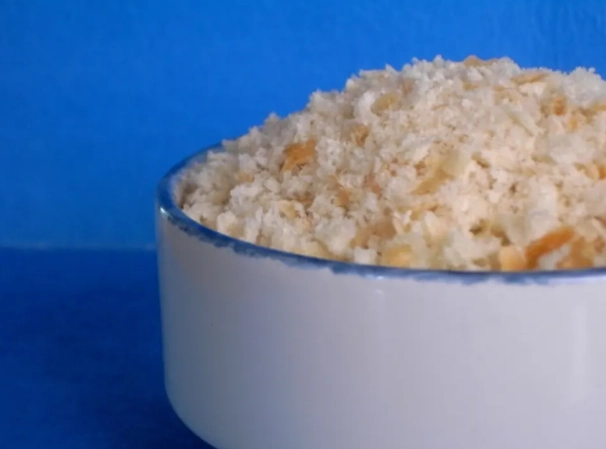
| Characteristic | Panko Bread Crumbs | Traditional Breadcrumbs |
|---|---|---|
| Texture & Shape | Large, flaky, shard-like, coarse, airy. | Fine, sandy, granular, uniform, dense. |
| Final Crunch | Extremely crispy, light, shattering crunch. Stays crispier longer. | Firmer, denser, harder crunch. Can become soggy faster. |
| Oil Absorption | Lower. The airy structure means less oil soaks in, leading to a lighter feel. | Higher. The dense particles soak up oil like a sponge, can feel greasy. |
| Best For... | Frying (deep/shallow), air frying, baking where maximum crisp is desired. Coating cutlets, shrimp, fish, creating toppings for casseroles. | Binding (for meatballs/meatloaf), breading for pan-frying where a thinner coating is okay, stuffing, thickening sauces. |
| Visual Appeal | Creates a craggy, visually appealing golden brown crust with lots of texture. | Creates a smoother, more even, but sometimes less exciting coating. |
See the difference? It's not that one is better than the other. They're tools for different jobs. Using fine breadcrumbs to coat a chicken katsu is like using a butter knife to carve a turkey—it'll sort of work, but you're fighting the tool. Panko is your specialty slicer.
Buying and Storing Panko: Keeping That Crunch
You'll find panko in most major supermarkets now, usually in the Asian foods aisle or near the regular breadcrumbs. You can get it plain or seasoned. My strong advice? Go plain. Always. Seasoned panko limits what you can make, and the seasonings are often mediocre. It's far better to add your own herbs, spices, grated cheese, or citrus zest to plain panko bread crumbs. You control the flavor.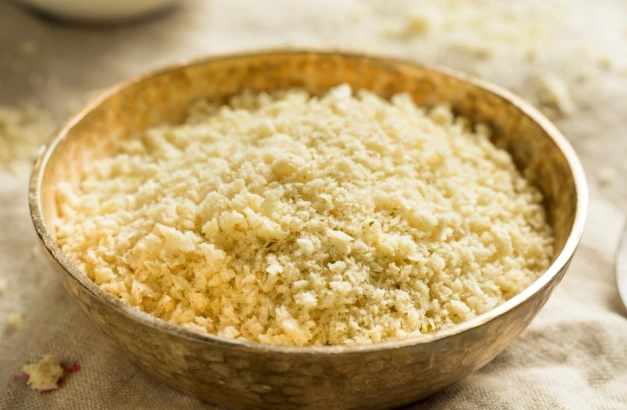
What to Look For
- Color: Should be a bright, creamy white. Any yellowing or off-colors can mean it's old or stale.
- Texture through the bag: Gently squeeze the bag. You should feel light, separate flakes, not a dense brick.
- Ingredients: The best ones have a very short list: wheat flour, yeast, sugar, salt, maybe oil. Avoid long lists of preservatives you can't pronounce.
Storage is Critical!
This is where I messed up early on. Panko's enemy is moisture. That beautiful airy structure is a humidity magnet. Once it gets damp, it's dead. The crunch is gone forever.
- Seal, Seal, Seal: After opening, transfer the panko to an absolutely airtight container. The bag it comes in is rarely good enough for long-term storage. I use a large glass jar with a rubber-sealed lid.
- Cool & Dark: Keep it in the pantry, away from the stove or dishwasher where steam is constant.
- Freezer for the Win: This is my pro tip. If you don't use panko often, or you buy in bulk, store it in the freezer. It keeps for ages, and the cold, dry environment locks in that perfect texture. You can use it straight from the freezer—no need to thaw.
If your panko smells musty or feels at all soft or clumpy, toss it. It won't crisp up.
The Golden Rules for Using Panko Bread Crumbs
Okay, you've got your box of panko. Now what? Throwing it on food and hoping isn't the strategy. There's a method to the crispiness.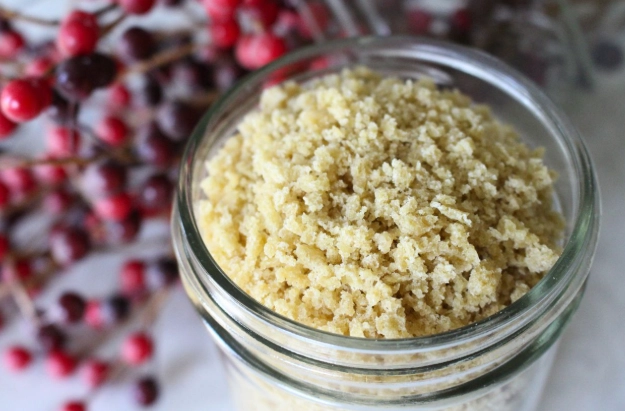
The Standard Breading Procedure (The Holy Trinity)
This is the foundation for 90% of your panko success. It creates layers that seal in moisture and give the crumbs something to cling to.
- Seasoned Flour: Pat your protein (chicken, fish, tofu) dry. Dredge it in seasoned all-purpose flour. This is your first, grippy layer. Shake off the excess.
- Egg Wash: Dip the floured item into a beaten egg wash (eggs + a splash of water or milk). Let the excess drip off. This is your glue.
- Panko: Press the wet item firmly into a plate of panko bread crumbs. Don't just sprinkle. Press! Get a good, even, generous coating. For extra thickness, some people do a double coat (egg, panko, egg, panko again).
Why does this work? The flour seals the surface and absorbs any last bit of moisture. The egg wash creates a sticky, protein-rich layer that the dry panko locks onto. Skipping a step often leads to the coating sliding right off during cooking. Trust the process.
Heat and Oil: The Dynamic Duo
Panko needs the right environment to transform. For frying, your oil needs to be hot enough—typically between 350°F and 375°F (175°C - 190°C). If it's too cool, the food will absorb oil and become greasy before the panko can crisp. A good test? Drop a single panko flake in the oil. It should sizzle vigorously and float immediately.
For baking or air frying, two things are non-negotiable:
- Oil Spray: You must lightly but thoroughly spray or brush the panko-coated item with oil (like avocado or canola oil). Panko needs fat to brown and crisp in the dry heat of an oven. Without it, you'll get pale, dry, and hard crumbs.
- High Heat: Bake at a high temperature, usually 400°F (200°C) or above. This quickly sets the crust and drives off moisture.
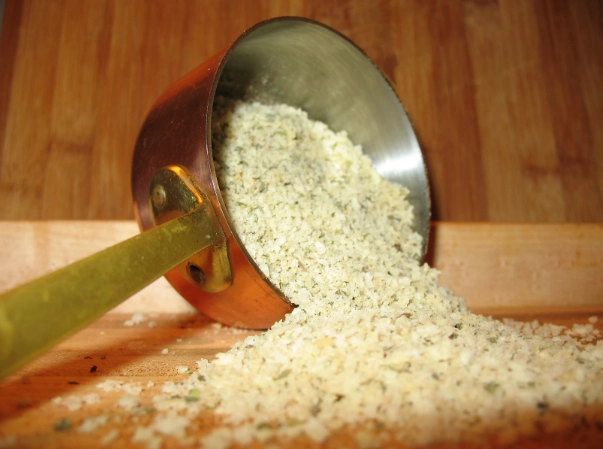
My Personal Mess-Up: I once tried to make "healthy" baked chicken tenders with panko but didn't use any oil. I followed a recipe that promised they'd crisp up anyway. They didn't. They came out looking anemic, tasting like dry bread, and the texture was awful—like eating Styrofoam packing peanuts. A light spray of oil makes all the difference between diet food and delicious food.
Beyond Frying: Creative Uses for Panko
Frying is the classic move, but panko's talents are versatile. Here are some of my favorite ways to use it that go beyond the deep fryer.
Top Uses for Panko Bread Crumbs
- The Ultimate Casserole Topper: Mix panko with melted butter, grated Parmesan, and herbs like thyme or parsley. Sprinkle over mac and cheese, tuna noodle casserole, or baked pasta before it goes in the oven. It bakes into an irresistible, crunchy golden lid that beats soggy breadcrumbs any day.
- Crispy Baking Buddy: For oven-baked fish fillets, chicken breasts, or even cauliflower steaks. Use the breading procedure and bake on a wire rack set over a sheet pan. The air circulation crisps everything evenly.
- Air Fryer's Best Friend: Panko and air fryers are a match made in heaven. The intense, circulating hot air crisps the panko coating perfectly with minimal oil. It's how I make 80% of my crispy foods now.
- Texture Booster for Salads: Toast plain panko in a dry skillet with a pinch of salt until golden brown. Let it cool. It becomes "crouton dust"—a fantastic, gluten-free(ish) way to add crunch to salads, soups, or roasted vegetables without the big, hard croutons.
- Binding Agent (with a twist): While fine breadcrumbs are better for most binding, using a 50/50 mix of panko and regular crumbs in meatballs or meatloaf gives a lighter, more interesting texture. The panko creates little pockets of tenderness.
Flavoring Your Panko: From Basic to Brilliant
Plain panko is a blank canvas. This is where you can get creative and make dishes truly your own. Mix these into your panko bread crumbs before breading: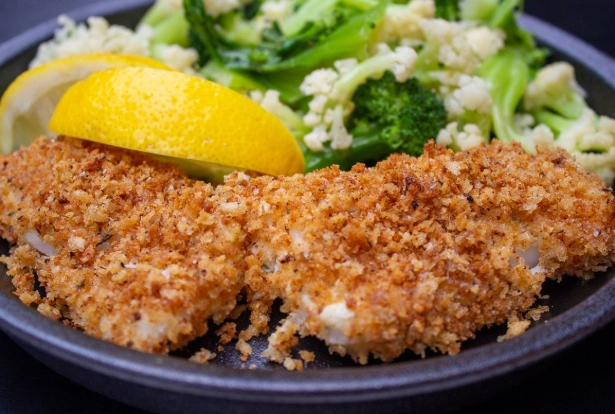
- Cheese: Finely grated Parmesan, Pecorino Romano, or sharp cheddar. (This is a game-changer for chicken parm).
- Herbs & Spices: Dried oregano, thyme, smoked paprika, onion powder, garlic powder, cayenne pepper, lemon pepper.
- Citrus Zest: Finely grated lemon, lime, or orange zest adds a bright, fragrant note perfect for fish or shrimp.
- Nuts & Seeds: Finely chopped almonds, pecans, or sesame seeds mixed in add flavor and even more crunch.
- Furikake: This Japanese seaweed and sesame seasoning blend is a natural, incredible pairing with panko.
Just mix your chosen flavorings thoroughly into the panko on a plate before you start the breading process. Easy.
Troubleshooting Common Panko Problems
Things can go wrong. They have for me. Let's fix them.
Why is my panko coating not crispy?
The usual suspects: 1) Oil wasn't hot enough. It fried slowly and soaked up oil. 2) You overcrowded the pan. Adding too much food at once drops the oil temperature dramatically. Fry in batches. 3) You didn't use oil when baking/air frying. Remember the spray! 4) The panko was stale or damp. Check your storage.
Why does the coating fall off?
You likely skipped the flour or egg step, or didn't pat your food dry first. Moisture is the enemy of adhesion. A proper, dry-to-wet-to-dry breading sequence is non-negotiable for a secure coat of panko bread crumbs.
Why is it burning before the food is cooked?
Your heat is too high. Lower the flame or oven temperature. For deep frying, use a thermometer. For pan-frying, use medium-high heat, not maximum. For thick cuts, you can start on the stove to brown the panko, then finish in a moderate oven to cook through without burning.
Panko Substitutes (For When You're in a Pinch)
You're mid-recipe and realize you're out of panko. Don't panic. Here are your best options, ranked from best to okay-ish.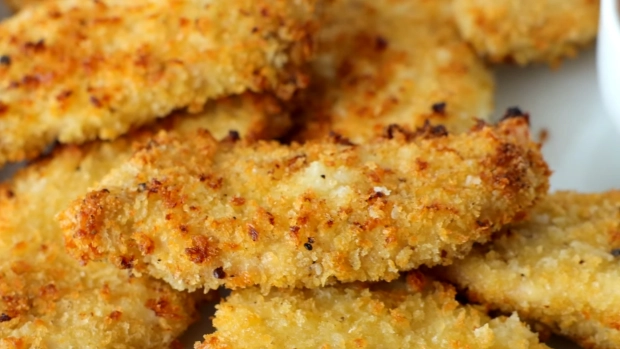
- Crushed Cornflakes or Crispy Rice Cereal: Surprisingly great. They have a similar light, crisp texture. Crush them coarsely in a bag. They'll be sweeter, so balance with salt in your seasoning.
- Crushed Crackers: Saltines, Ritz, or even plain Melba toast. Crush them to a coarse, uneven consistency, not a fine powder. They brown beautifully and are flavorful.
- French Fried Onions (the canned kind): Crush them up. They add incredible flavor and crispness, especially for casserole toppings or coating pork chops.
- Regular Breadcrumbs (as a last resort): You won't get the same spectacular crunch, but it will work. To improve them, toast the regular breadcrumbs in a dry pan with a little oil until golden first. It helps dry them out and adds flavor.
Remember, none are a perfect 1:1 substitute, but they'll save your dinner. For authoritative information on breadcrumb classifications and standards, the USDA's Agricultural Marketing Service provides official grade standards, though they focus more on traditional styles.
Your Panko Recipe Shortlist
Ready to cook? Here are three foolproof starting points that showcase what panko does best.
Crispy Panko Shrimp (Ebi Fry)
Peel and devein large shrimp, leaving the tail on. Make a few shallow cuts on the belly to prevent curling. Follow the standard breading procedure (flour, egg, panko). Fry in 365°F oil for 2-3 minutes until golden. Serve with tonkatsu sauce or a squeeze of lemon. The panko creates a cloud-like crunch around the juicy shrimp.
Easy Weeknight Chicken Katsu
Pound chicken breasts thin. Season, bread with panko, and pan-fry in 1/2 inch of oil over medium heat for 4-5 minutes per side. Slice and serve over rice with shredded cabbage and a rich tonkatsu or curry sauce. This is the dish that made me a panko believer.
Crispy Baked Parmesan Zucchini Fries
Cut zucchini into fry-sized sticks. Toss in flour, dip in egg wash, then roll in a mixture of panko bread crumbs, grated Parmesan, garlic powder, and black pepper. Place on a wire rack, spray generously with oil, and bake at 425°F for 18-22 minutes until deeply golden. They actually stay crispy.
Panko FAQs: Answering Your Burning Questions
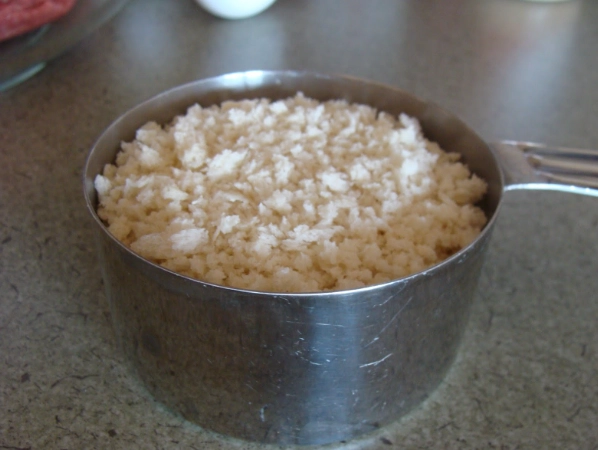 So, is it worth the extra shelf space? Absolutely.
Panko bread crumbs aren't a magic bullet for every recipe, but for that specific, glorious, airy-crispy texture, nothing else comes close. It turns home cooking into something that feels special, restaurant-quality. It fixed my soggy fried food problem for good. Once you understand its rules—dry food, the breading sequence, enough heat, a touch of oil for baking—you unlock a world of crunch. Keep a box in your pantry (or freezer). Your fried chicken, your baked fish, your mac and cheese topping will thank you.
Now go make something crispy.
Reader Comments