Quick Guide
- The Heart of the Matter: A Deep Dive into the Broth
- Beyond the Broth: Noodles, Toppings, and the Full Experience
- Nutrition, Calories, and the Modern Diner's Concerns
- Roots and Regions: Where Each Bowl Calls Home
- Your Decision Guide: Which One Should YOU Choose?
- Common Questions (FAQs) About Shoyu and Miso Ramen
- Beyond the Duel: A Quick Word on Other Ramen Types
Let's be real. You're standing in front of a ramen menu, your stomach is growling, and you're stuck. Shoyu? Miso? What's the real difference, and more importantly, which one is actually going to hit the spot for you right now? It's a classic dilemma. I've been there more times than I can count, staring at the options while my friends make their picks. Sometimes I've chosen perfectly, other times... well, let's just say I've ended up with a bowl that wasn't what I was craving.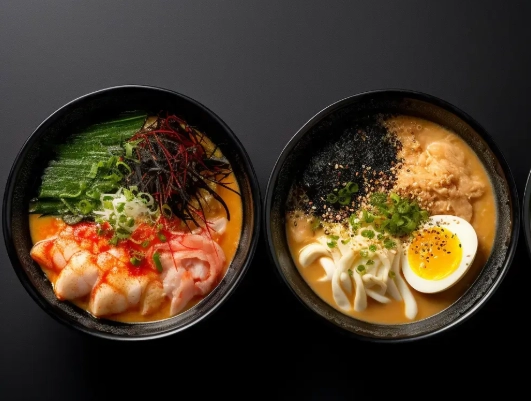
This isn't just about soy sauce versus fermented bean paste. The whole shoyu ramen vs miso ramen debate goes deeper into the soul of Japanese comfort food. It's about the base of the broth, the personality of the noodles, the dance of the toppings, and the history behind the bowl. Getting it right transforms a meal.
So, let's end the confusion for good.
The Heart of the Matter: A Deep Dive into the Broth
Everything in ramen starts and ends with the soup. It's the foundation, the soul, the thing that makes you take that first sip and go "ahhh." When you're comparing shoyu vs miso ramen, you're really comparing two fundamentally different approaches to building flavor.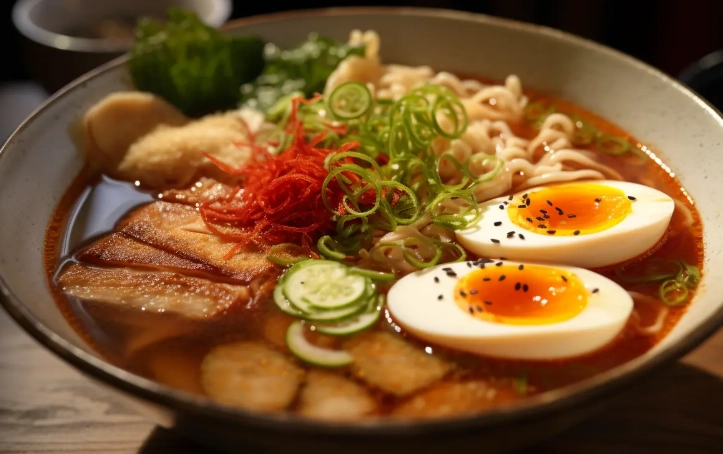
Shoyu Broth: The Savory Standard
Shoyu, meaning soy sauce, gives this ramen its name and its defining character. But don't think it's just broth with a splash of Kikkoman. The process is an art. Traditionally, the broth (dashi) starts with a base—commonly chicken (tori-gara), sometimes mixed with seafood (niboshi) or pork bones. It's simmered for hours to extract a clean, umami-rich flavor. *Then* the soy sauce tare (seasoning sauce) is added. This tare is a concentrated blend of soy sauce, mirin, sake, and sometimes sugar and dried seafood, all carefully balanced.
The result? A broth that's clear, amber-colored, and profoundly savory. It's salty, yes, but in a refined, multi-layered way. It has a sharpness that cuts through richness and highlights the other ingredients. I find a good shoyu broth incredibly refreshing; it doesn't weigh you down. It's the broth that made ramen famous in Tokyo and Yokohama. According to the Japanese Ministry of Agriculture, Forestry and Fisheries (MAFF), soy sauce itself is a cornerstone of washoku (traditional Japanese dietary culture), and its use in ramen is a modern evolution of that tradition.
But here's a personal take: a poorly executed shoyu broth can be a one-note salt bomb. I've had some where the soy sauce was too harsh, lacking the depth from a good dashi base. It's a reminder that simplicity demands perfection.
Miso Broth: The Rich & Complex Powerhouse
Miso ramen is a different beast entirely. Born in Sapporo, Hokkaido, in the mid-20th century, it was created to combat the harsh, cold winters. The broth is typically a combination of a rich pork bone (tonkotsu) or chicken broth, which is then blended with a miso-based tare. And not just any miso—chefs often use a blend of red (aka), white (shiro), and other miso pastes to create a unique flavor profile.
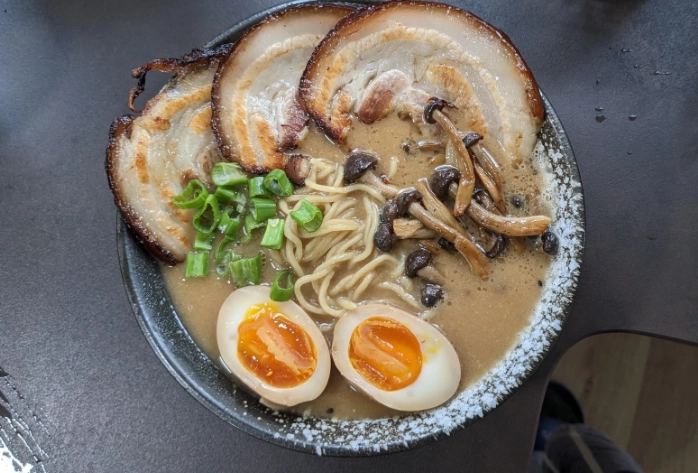
The miso isn't just a seasoning; it's a primary ingredient. When it's stirred into the hot broth and fat, it emulsifies. This creates a broth that's cloudy, opaque, and packed with body. The flavor is deep, earthy, nutty, and has a distinctive fermented tang. It's also noticeably sweeter than shoyu, thanks to the natural sugars in the fermented soybeans and grains. It coats your mouth, your noodles, and everything in between.
This is the bowl you want when you need sustenance. It's hearty, almost stew-like in its satisfaction. The complexity of the miso means no two bowls are exactly alike—each restaurant's blend is its signature. However, that richness can be a double-edged sword. I've occasionally found a bowl of miso ramen to be too heavy, especially if the balance of fat and miso is off, leaving a slightly cloying aftertaste. It's not for every day, but when it's right, it's spectacular.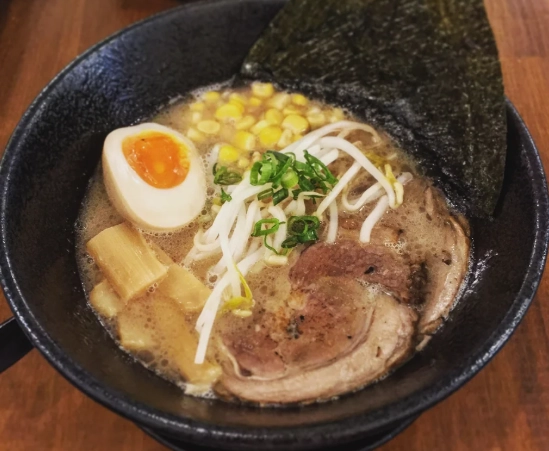
| Aspect | Shoyu Ramen Broth | Miso Ramen Broth |
|---|---|---|
| Core Flavor | Clear, sharp, salty-umami, refined. | Rich, earthy, nutty, complex, slightly sweet. |
| Color & Texture | Clear to light amber, thin to medium body. | Cloudy/opaque, creamy, thick, and coating. |
| Base Broth | Often chicken or seafood (clear). | Often pork (tonkotsu) or chicken (rich). |
| Key Seasoning (Tare) | Soy sauce blend. | Fermented miso paste blend. |
| Origin & Vibe | Tokyo/Kanto region. The classic. | Sapporo, Hokkaido. The hearty innovator. |
| Best For | When you want a cleaner, savory, "lighter" taste. | When you crave deep, comforting, robust flavor. |
See? Already, the choice starts to take shape based on your mood.
Beyond the Broth: Noodles, Toppings, and the Full Experience
The broth might be the star, but the supporting cast is crucial. In the shoyu ramen vs miso ramen matchup, the noodles and toppings aren't just afterthoughts—they're specifically chosen to complement their soup's personality.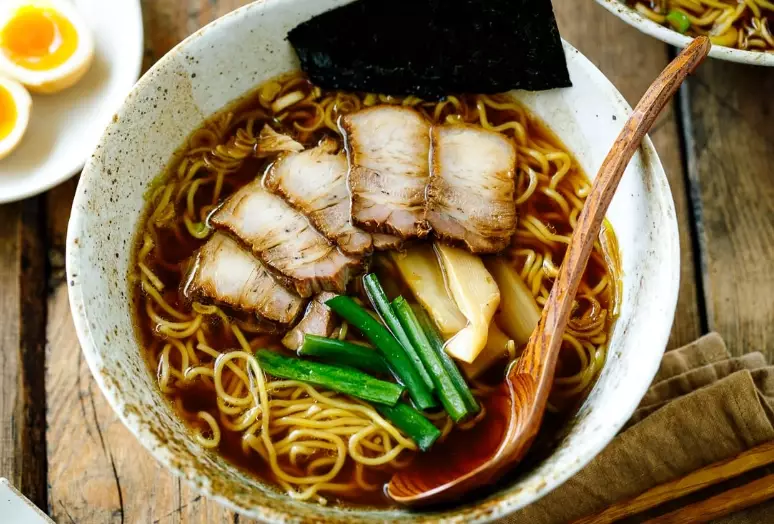
The Noodle Factor
Noodles matter more than people think. For shoyu ramen, you typically find straight, thin to medium-thick noodles. They're often made with a higher kansui (alkaline mineral water) content, giving them a firm, springy texture and a slight yellow hue. This chewiness stands up perfectly to the clear, sharp broth, allowing you to slurp up the soup without the noodles getting lost or soggy too quickly.
Miso ramen, on the other hand, usually calls for thicker, wavy, curly noodles. There's a practical reason for those waves—they trap the thick, creamy miso broth in every nook and cranny. The noodles are heartier, designed to be a substantial partner to the rich soup. They're often slightly softer than shoyu noodles, embracing the broth's weight rather than fighting it.
Toppings: The Customizable Canvas
This is where regional styles and chef creativity really shine, but there are common patterns.
Shoyu ramen toppings tend towards the classic and delicate:
- Chashu: Often leaner, sliced pork loin or shoulder, sometimes braised in a shoyu-based sauce.
- Menma: Fermented bamboo shoots, a classic textural element.
- Narutomaki: The iconic pink-and-white fish cake slice.
- Negi: Finely chopped green onions.
- Nori: A sheet of dried seaweed.
- Seasoned Egg (Ajitsuke Tamago): A must-have for many.
The goal is to add complementary flavors and textures without overwhelming the broth's clarity.
Miso ramen toppings are bolder and often include ingredients that can stand up to—or cut through—the richness:
- Chashu: Frequently thicker, fattier slices of pork belly.
- Bean Sprouts (Moyashi) & Cabbage: Almost a staple in Sapporo-style miso ramen, often stir-fried with the miso paste before the broth is added for extra aroma.
- Corn: A Hokkaido signature, its sweetness plays beautifully with the miso.
- Butter: Yes, butter. Another Hokkaido touch, a pat of butter melts into the hot soup, adding an incredible layer of creaminess and richness.
- Ground Pork (Soboro): Sometimes added for an extra meaty texture.
The miso bowl is a hearty, loaded plate of food. It's an ensemble where every ingredient adds to a symphony of robust flavor.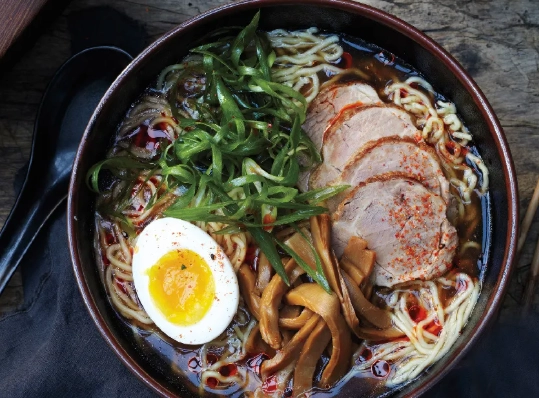
Nutrition, Calories, and the Modern Diner's Concerns
Let's address the practical stuff. If you're watching your diet, the difference between shoyu and miso ramen can be significant.
Generally speaking, a bowl of miso ramen tends to be higher in calories and fat. Why? The broth base is often pork bone (tonkotsu), which is inherently fatty, and the miso paste itself adds calories. The common toppings like corn, butter, and fatty chashu pile on more. A rich miso ramen can easily climb over 600-700 calories per bowl.
Shoyu ramen, with its clearer broth and often leaner toppings, is typically the lighter option. A standard bowl might range from 450-550 calories. The sodium content, however, is a different story. Both are high in sodium due to their seasoning bases (soy sauce and miso are both salty). It's a toss-up, but shoyu might edge out as slightly saltier per spoonful because the saltiness in soy sauce is more direct.
My advice? If you're concerned, enjoy either as an occasional treat, drink plenty of water, and don't feel pressured to finish every last drop of the soup—that's where most of the salt lives.
Roots and Regions: Where Each Bowl Calls Home
Understanding where these ramens come from adds so much context to the shoyu ramen vs miso conversation.
Shoyu Ramen is the soul of the Kanto region, specifically Tokyo and Yokohama. It's considered one of the four main ramen types of Japan (alongside Shio, Tonkotsu, and Miso). Its origins are tied to Chinese noodle soups adapted by Japanese cooks in the early 20th century, using soy sauce—a ubiquitous Japanese condiment—as the key flavoring. It's the "default" ramen in much of Japan, representing balance and tradition.
Miso Ramen is the proud invention of the north. In the 1950s, in Sapporo, Hokkaido, a chef named Morito Omiya decided to add miso to his ramen to create something more substantial for the cold climate. It was a hit. The style evolved, incorporating local ingredients like corn and butter. It's a testament to regional adaptation and innovation. While shoyu speaks of history, miso speaks of necessity and hearty ingenuity.
Your Decision Guide: Which One Should YOU Choose?
Okay, so with all this info, how do you pick? Stop overthinking it. Ask yourself these questions:
- What's the weather like? Cold, rainy day? My brain screams miso. Hot, humid day? A light, savory shoyu feels more refreshing.
- What's your hunger level? Ravenously hungry, need something stick-to-your-ribs? Miso. Want something satisfying but not coma-inducing? Shoyu.
- What's your flavor mood? Craving something clean, sharp, and umami-forward? Shoyu. Want deep, complex, earthy, and hearty? Miso.
- Are you new to ramen? If you're a beginner, shoyu is often the more accessible, less challenging entry point. Miso can be an amazing second adventure.
Common Questions (FAQs) About Shoyu and Miso Ramen
Beyond the Duel: A Quick Word on Other Ramen Types
While the shoyu ramen vs miso battle is iconic, the ramen world is bigger. Briefly:
- Shio (Salt) Ramen: The oldest style, seasoned with salt. The broth is often the clearest and lightest in color, with a delicate, pure seafood or chicken flavor. It's the ultimate test of a chef's dashi skills.
- Tonkotsu Ramen: From Kyushu. A milky-white, opaque broth made by boiling pork bones for 12+ hours until they emulsify. Incredibly rich, creamy, and pork-forward. It's all about the texture and depth of the bone broth itself.
But for today, we're keeping our focus sharp on our two main contenders.
So, there you have it. The next time you're faced with the menu, you won't just be guessing. You'll know that shoyu ramen offers a clear, savory, classic elegance, while miso ramen brings a rich, complex, hearty warmth. It's not about which one is objectively better—that's impossible. It's about which one is better for you, right now, in that moment.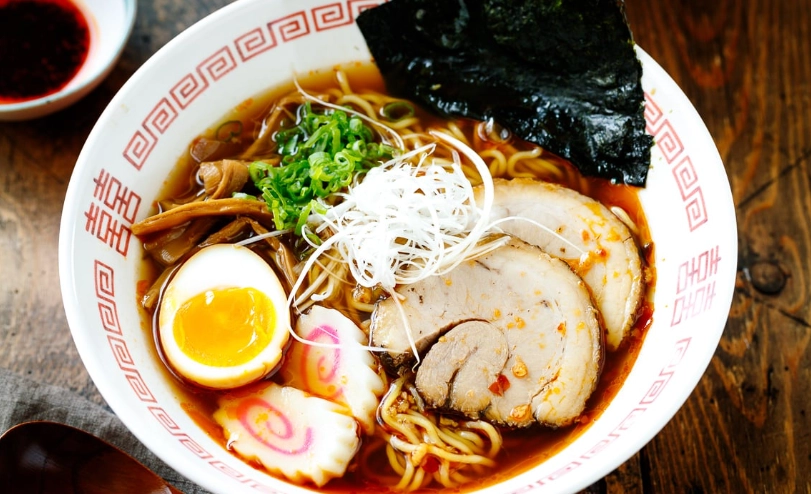
Trust your craving. Slurp happily.
Reader Comments