Quick Navigation
- What Are Japanese Hors d'Oeuvres, Really?
- The Classic Line-Up: Traditional Japanese Starters
- Modern Takes and Fusion Ideas
- How to Serve Japanese Hors d'Oeuvres Like a Pro
- What to Drink With Japanese Starters?
- Common Questions About Japanese Hors d'Oeuvres (Answered)
- Building Your Own Japanese Starter Platter
Let's be honest, when most people think of Japanese food, they immediately picture sushi rolls or a steaming bowl of ramen. But what about before the main event? That's where the magic of Japanese hors d'oeuvres comes in. It's a world that often gets overlooked, but once you dive in, you realize it's just as intricate and satisfying as the main course. I remember the first time I was served a proper spread of these small plates before a kaiseki meal in Kyoto. It wasn't just food; it was a series of tiny, deliberate introductions—a preview of flavors, textures, and seasonal themes to come. It completely changed how I view starting a meal.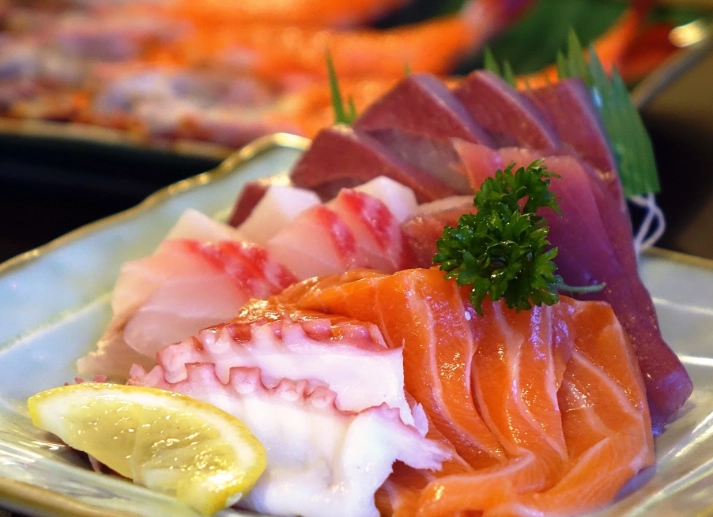
Japanese hors d'oeuvres, or zensai as they're traditionally known, are not an afterthought. They're a cornerstone of Japanese dining philosophy. They're meant to whet the appetite, sure, but also to set the tone, showcase the season's best ingredients, and demonstrate the chef's skill in minimalism. Think of them as the opening act for your taste buds. And the best part? You don't need to book a flight to Tokyo to enjoy them. With a bit of know-how, you can bring this elegance to your own kitchen or next gathering.
So, what exactly falls under the umbrella of Japanese hors d'oeuvres? It's broader than you might think. It encompasses everything from chilled, delicate tofu dishes to savory grilled skewers, from vibrant seasonal vegetables to elegant seafood presentations. It's a category defined by intent (to start the meal) and form (small, bite-sized or easily shared portions) rather than one specific cooking method.
What Are Japanese Hors d'Oeuvres, Really?
If you're picturing a cheese platter or pigs in a blanket, we need to reset expectations. Japanese starters operate on different principles. The focus is on seasonality, balance, and artful presentation. A spring hors d'oeuvre might feature bamboo shoots and cherry blossom leaves, while an autumn one highlights mushrooms and persimmon. The goal is harmony—between flavors (sweet, salty, sour, bitter, umami), textures (crispy, soft, chewy, smooth), and colors.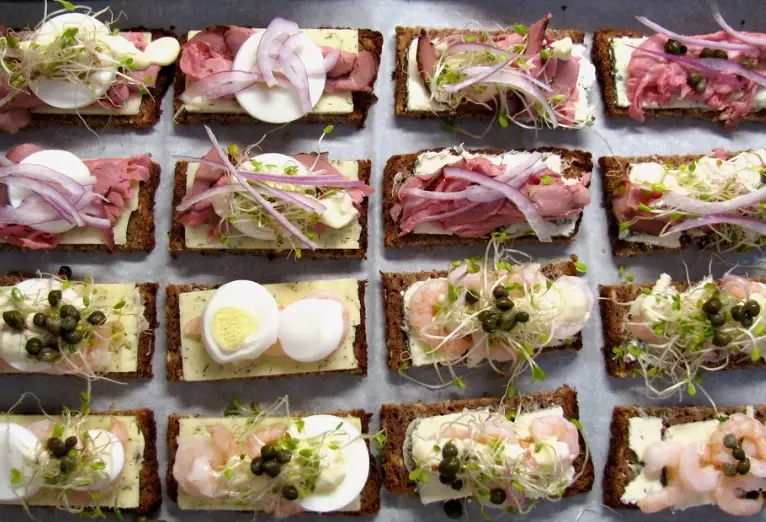
Another key point is that they are often served family-style or as part of a set course. Unlike some Western canapés passed around on a tray, Japanese hors d'oeuvres encourage a moment of pause and appreciation at the table. You look at them, you admire the plate, and then you dig in. It's a more mindful way to begin eating.
I find that this approach takes the pressure off hosting. Instead of frantically assembling hot bites as guests arrive, you can prepare a few beautiful, cold or room-temperature Japanese hors d'oeuvres ahead of time. Place them on the table, and let people help themselves. It feels more relaxed, more intentional.
The Classic Line-Up: Traditional Japanese Starters
These are the staples you'll encounter in traditional restaurants and homes. They form the foundation of the category.
Sunomono and Aemono (Vinegared and Dressed Salads)
This is where lightness reigns supreme. Sunomono are dishes dressed in a sweet-and-sour rice vinegar sauce. Think thinly sliced cucumber with wakame seaweed, or delicate strips of octopus. Aemono are "dressed things," often with a sesame or miso-based sauce. One of my personal favorites is shira-ae, where boiled vegetables like spinach or green beans are folded into a creamy, savory paste of tofu and white sesame. It's surprisingly rich for something so healthy-looking. A great resource for understanding the foundational flavors of these dressings is the Japan External Trade Organization (JETRO) website, which has sections on food culture and ingredients.
Yakimono (Grilled Items)
Not just for main courses. Small, skewered grilled items are perfect Japanese hors d'oeuvres. Yakitori (chicken skewers) can start with simple salted thigh or minced chicken meatballs (tsukune). Gingko nuts skewered and salted are a classic autumn treat with a bitter edge that pairs wonderfully with a cold beer. Even a small piece of grilled mackerel or salted salmon can serve as a robust starter.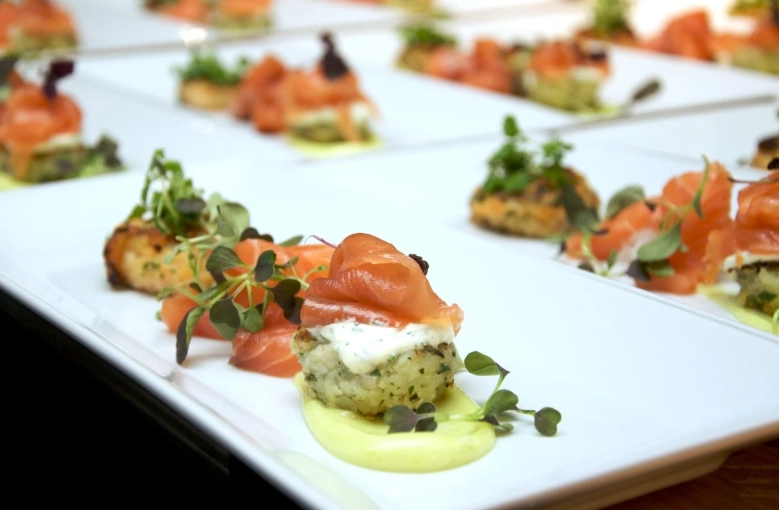
Nimono (Simmered Dishes)
These are comforting, flavor-packed bites where ingredients are slowly cooked in a seasoned broth (dashi). A single piece of simmered daikon radish, absorbing the umami of dashi and soy, is a masterpiece of simple cooking. Chicken and potato stew (nikujaga) in small portions, or simmered kabocha squash, are also wonderful, especially in cooler weather. The key here is that the portion is small—just a taste to awaken the palate to deeper, savory flavors.
Agemono (Fried Items)
Yes, tempura is a star here, but not the heaping plateful you might order as a main. As a starter, think of two or three exquisite pieces: a perfect prawn, a shiso leaf, and a slice of sweet potato. The batter should be ethereally light and crisp. Another fantastic fried starter is korokke (Japanese croquette)—a smaller, bite-sized version filled with creamy potato or minced meat. They're dangerously easy to eat too many of, which I admit is a mistake I make frequently.
Modern Takes and Fusion Ideas
Contemporary chefs and home cooks aren't bound by tradition. The concept of Japanese hors d'oeuvres is evolving, blending techniques and ingredients from other cuisines while keeping that core Japanese sensibility.
You might see tuna tartare served on a crispy rice cracker instead of toast, seasoned with soy and yuzu instead of lemon. Caprese salad gets a makeover with silken tofu replacing mozzarella, topped with tomato and a shiso leaf pesto. I've even had great success making Japanese-style bruschetta: lightly toasted baguette slices topped with miso-marinated eggplant or a smear of wasabi-infaced cream cheese with smoked salmon.
The point isn't to be authentic to any one rulebook, but to capture the spirit: small, beautiful, balanced, and focused on high-quality ingredients. For inspiration on modern Japanese culinary trends, checking publications like Saveur or the culinary sections of major newspapers can offer a window into how these traditions are being reinterpreted globally.
My Go-To Modern Hack: Buy high-quality, seasoned seaweed salad from a Japanese grocer. Serve it in a small, elegant bowl or spoon it onto endive leaves for a crunchy, salty, refreshing one-bite wonder. It takes 60 seconds and always gets compliments.
How to Serve Japanese Hors d'Oeuvres Like a Pro
Presentation is half the battle. Here’s a quick comparison of traditional vs. modern serving styles to help you decide what works for your event.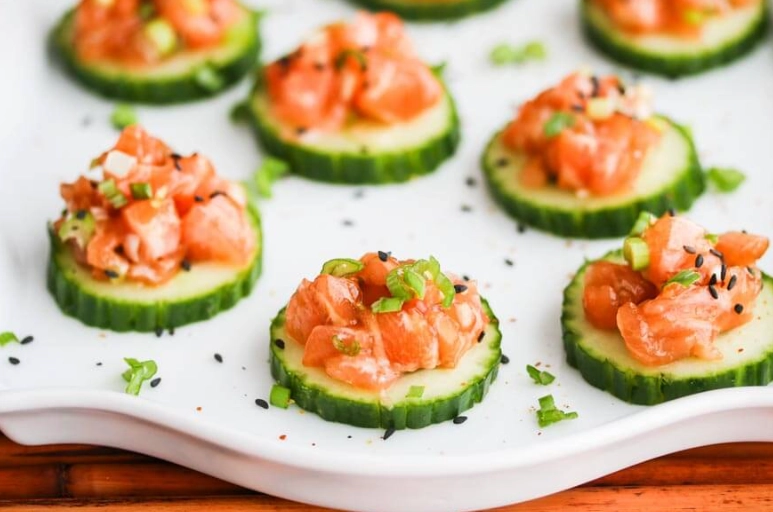
| Aspect | Traditional Serving Style | Modern/Casual Serving Style |
|---|---|---|
| Plates | Individual small plates or lacquerware; each guest gets their own curated set. | Shared platters, slate boards, or a mix of small bowls in the center of the table. |
| Portion Size | Very small, often just 2-3 bites per item. The focus is on variety within a course. | Slightly larger, more "sharable" portions. Think small skewers, piles of edamame, a bowl of salad. |
| Order | Served in a specific sequence: lightest (vinegared) first, moving to richer (fried, grilled). | All served at once, allowing guests to graze and choose their own adventure. |
| Garnishes | Editable garnishes that reflect the season: shiso leaves, myoga ginger, kinome sprouts. | Simpler garnishes like toasted sesame seeds, chopped scallions, or microgreens. |
| Best For | A formal dinner party, a special occasion meal, or when you want to create a truly immersive experience. | A cocktail party, a casual get-together, game night, or when you're introducing friends to Japanese flavors without intimidation. |
A few universal tips, regardless of style:
- Odd Numbers are Key: In Japanese aesthetics, arranging items in odd numbers (3, 5, 7) is considered more natural and pleasing to the eye. Plate three pieces of tempura, five slices of sashimi, or seven edamame pods in a row.
- Mind the Plate: The plate is part of the composition. A stark white plate makes colors pop. A dark, rustic plate adds drama. Don't overcrowd it. Negative space is your friend.
- Seasonal Touch: Even one small seasonal element elevates the dish. A maple leaf in autumn, a cherry blossom (salt-pickled) in spring, or a simple slice of persimmon in fall.
What to Drink With Japanese Starters?
Pairing drinks with these Japanese hors d'oeuvres is half the fun. You have fantastic options beyond just sake.
Sake: It's the classic for a reason. A light, dry junmai or daiginjo sake pairs beautifully with delicate items like sunomono or sashimi. A richer, umami-forward junmai ginjo can stand up to grilled or simmered dishes. The Sake Service Institute website is an excellent, authoritative place to delve deeper into sake varieties and pairing principles.
Shochu: This distilled spirit is incredibly versatile. Sipped on the rocks or with soda water, it's a clean, crisp companion that won't overpower food. A barley shochu is wonderfully neutral, while a sweet potato shochu has more character.
Beer: Never underestimate a cold Japanese lager like Asahi Super Dry or Sapporo. It's the perfect, refreshing match for anything fried (tempura, korokke) or grilled (yakitori). It cuts through richness and cleanses the palate effortlessly.
Wine & Cocktails: Dry white wines like Sauvignon Blanc or Pinot Grigio work well with lighter dishes. For a fusion twist, a yuzu margarita or a ginger mule can be incredible with spicier or more robust starters.
Common Questions About Japanese Hors d'Oeuvres (Answered)
Let's tackle some of the practical questions that might be holding you back from trying this at home.
Can I make Japanese hors d'oeuvres ahead of time?
Absolutely. In fact, many are better made ahead. Sunomono and aemono salads benefit from time marinating. Simmered dishes (nimono) taste deeper the next day. Even components for yakitori can be skewered and marinated hours in advance. The key is to think about components, not just finished plates. Prepare your sauces, chop your vegetables, marinate your proteins. Final assembly or quick cooking can happen just before serving.
What are some easy recipes for beginners?
Start simple to build confidence.
- Edamame: The ultimate no-cook (well, almost) option. Boil frozen edamame pods in salted water for 5 minutes, drain, and sprinkle with flaky sea salt. Serve warm or at room temperature.
- Kyuri no Sunomono (Cucumber Salad): Thinly slice a cucumber, salt it lightly to draw out water, then squeeze dry. Toss with a mixture of rice vinegar, sugar, and a splash of soy sauce. Top with toasted sesame seeds. It's ready in 10 minutes.
- Miso-Glazed Anything: Mix white miso paste with a little mirin and sugar. Spread on chunks of eggplant, fish, or even chicken wings. Broil until bubbly and caramelized. It's foolproof and packed with flavor.
Are Japanese appetizers always served cold?
Not at all! That's a common misconception. While many are served at room temperature or chilled (like salads and sashimi), a great spread will have a mix of temperatures. You might have cold tofu, room-temperature grilled vegetables, and hot, freshly fried tempura all served together. The variety in temperature is part of the sensory experience. For accurate information on food safety and handling for these different preparations, referencing guidelines from a source like the U.S. Food Safety website is always a smart move.
What if I don't have specialty Japanese ingredients?
Don't let that stop you. Improvise. Use regular vinegar with a pinch of sugar instead of rice vinegar. Dijon mustard can add a different kind of bite where you might use karashi (Japanese mustard). Baby spinach works if you can't find chrysanthemum greens. The spirit of using fresh, seasonal ingredients is more important than perfect authenticity. Over time, you can build your pantry with staples like soy sauce, mirin, and dashi granules, which open up a world of possibilities.
Building Your Own Japanese Starter Platter
Feeling inspired? Here’s a blueprint for creating a balanced, impressive platter for 4-6 people. Think of it as a mix-and-match guide.
The Foundation (Pick 1-2):
- A vinegar-based salad (e.g., cucumber sunomono).
- A creamy dressed dish (e.g., spinach with shira-ae dressing).
- A simple seasonal vegetable, blanched and dressed with soy and sesame oil.
The Hearty Element (Pick 1-2):
- Yakitori skewers (chicken thigh or tsukune).
- Small korokke (potato croquettes).
- A few pieces of vegetable tempura (sweet potato, shishito pepper).
- Simmered kabocha squash or daikon.
The Simple Crowd-Pleaser (Always include 1):
- Edamame (it's non-negotiable for me).
- Gyoza (pan-fried dumplings).
- A small bowl of salted roasted nuts (soy-glazed pecans are amazing).
Arrange them on a large platter or several small plates with space between each item. Add small dishes for soy sauce or dipping sauces. Garnish with lemon wedges, scallions, or edible flowers. And there you have it—a beautiful, varied selection of Japanese hors d'oeuvres that tells a story and excites the palate.
It might seem like a lot to think about, but once you start, it becomes intuitive. You begin to look at a cucumber or a piece of fish and think, "How can I make this into a beautiful little bite?" That shift in perspective is the real gift of exploring Japanese hors d'oeuvres. It makes cooking and eating more thoughtful, more enjoyable, and honestly, more fun. So grab a few ingredients, don't worry about being perfect, and give it a try. Your next dinner party is about to get a serious upgrade.
Reader Comments