Jump to What Matters
I still remember my first bowl of shrimp tempura udon in a tiny Tokyo alleyway—steamy broth, crispy shrimp, and chewy noodles that just hit the spot. It’s not just food; it’s comfort in a bowl. If you’re here, you probably love it too, or want to try it. This guide cuts through the fluff and gives you the real deal on making it yourself and finding the best spots, whether you’re in Japan or abroad.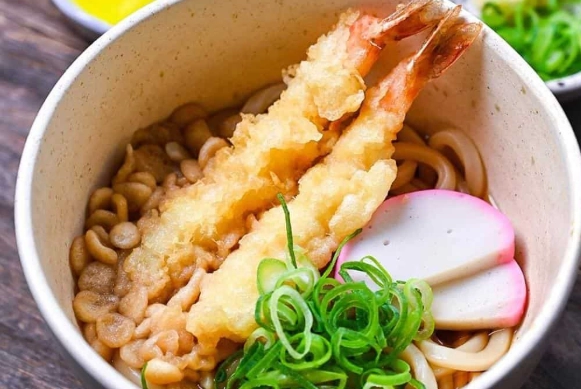
What is Shrimp Tempura Udon?
Shrimp tempura udon is a Japanese noodle soup that combines udon (thick wheat noodles) with a light dashi-based broth, topped with crispy shrimp tempura. It’s a staple in izakayas and ramen shops, often served as a hearty meal. The beauty lies in the contrast: the hot soup softens the tempura slightly, creating a mix of textures that’s pure magic. According to resources like the Japan National Tourism Organization, udon dishes have been popular for centuries, evolving into regional specialties. But shrimp tempura udon stands out for its simplicity and depth—it’s not overly complicated, but getting it right requires some know-how.
Fun fact: In Kagawa Prefecture, known as the udon capital of Japan, they take their noodles seriously. Local chefs emphasize using sanuki udon, which are firmer and chewier, perfect for holding up in broth.
How to Make Shrimp Tempura Udon at Home
Making shrimp tempura udon at home might seem daunting, but it’s totally doable. I’ve messed this up before—soggy tempura, bland broth—so learn from my errors. Let’s break it down.
Ingredients You’ll Need
For the udon soup: dashi stock (you can use instant or make it from kombu and bonito flakes), soy sauce, mirin, and a pinch of sugar. For the tempura: fresh shrimp, tempura flour (or all-purpose flour with cornstarch), ice-cold water, and oil for frying. Don’t skip the ice-cold water; it’s key for a light batter. I prefer large shrimp, peeled but with tails on for presentation.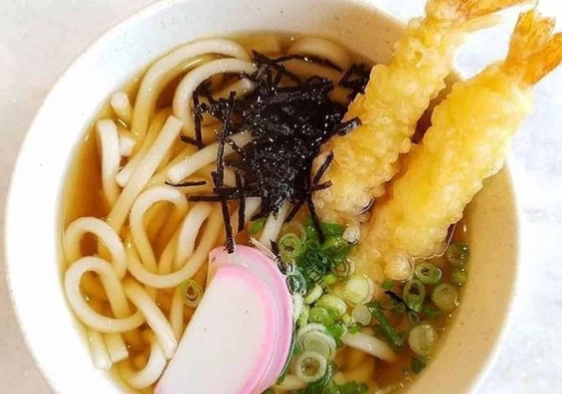
Step-by-Step Cooking Process
Start with the broth. Simmer dashi with soy sauce and mirin for about 10 minutes—keep it gentle to avoid bitterness. While that’s going, prep the shrimp. Devein them, make shallow cuts on the belly to prevent curling, and pat them dry. Moisture is the enemy of crispy tempura.
For the batter, mix tempura flour with ice-cold water until just combined. Lumps are fine; overmixing makes it heavy. Heat oil to 340°F (170°C). Test with a drop of batter—it should sizzle and float. Dip shrimp in batter, fry for 2-3 minutes until golden. Drain on a rack, not paper towels, to keep them crisp.
Cook udon noodles according to package directions, usually 8-10 minutes. Assemble: noodles in a bowl, pour hot broth over, top with tempura. Garnish with green onions or nori if you like. Serve immediately—the tempura will soften over time, but that’s part of the charm.
I learned this from a chef in Osaka who stressed oil temperature. Too hot, and the batter burns before the shrimp cooks; too low, and it soaks up oil. Use a thermometer if you can.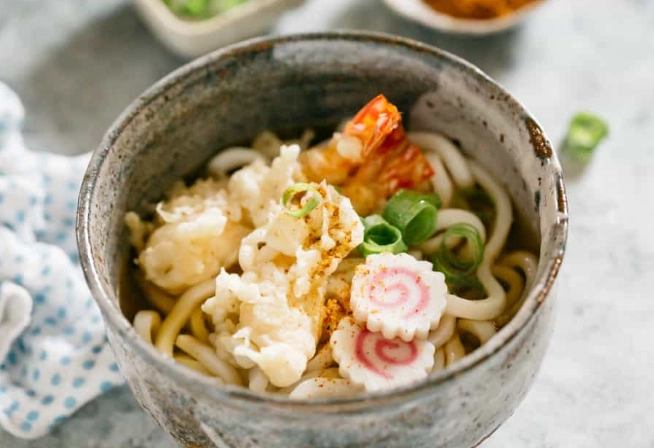
Top Restaurants for Shrimp Tempura Udon
If cooking isn’t your thing, or you want to taste the pros, here are some standout places. I’ve visited many, and these are based on personal experience and local buzz.
| Restaurant Name | Location | Specialty | Price Range | Hours |
|---|---|---|---|---|
| Udon Shin | Tokyo, Shinjuku | Handmade sanuki udon with giant tempura shrimp | $15-20 | 11 AM - 10 PM |
| TsuruTonTan Udon Noodle Brasserie | New York, Union Square | Creative udon bowls, shrimp tempura is a crowd-pleaser | $18-25 | 12 PM - 11 PM |
| Marugame Seimen | Multiple locations globally | Fast-casual, affordable, consistent tempura udon | $10-15 | 10 AM - 9 PM |
Udon Shin in Tokyo is my favorite—their broth has a deep umami flavor, and the tempura stays crispy even after a few minutes. In New York, TsuruTonTan offers a modern twist, but sometimes the broth can be too salty for my taste. Marugame Seimen is reliable for a quick fix, though the noodles might lack the chewiness of artisanal spots.
For authenticity, look for places that make dashi from scratch. Many chain restaurants use powder, which can taste flat. Check reviews on sites like Tabelog for Japan or Yelp for the US, but trust your gut—I’ve found hidden gems by just walking into busy local joints.
Common Mistakes to Avoid
After years of eating and making this dish, I’ve seen recurring errors. First, using warm water for tempura batter. It activates gluten too much, leading to a tough coating. Always use ice-cold water, and keep the batter bowl over ice if needed.
Second, overcrowding the fryer. Fry shrimp in batches to maintain oil temperature. If the oil drops below 320°F, the tempura turns greasy. I’ve ruined a batch this way—ended up with oily shrimp that made the udon soup slick.
Third, boiling the udon broth. Dashi is delicate; simmer it gently. Boiling can make it bitter and cloudy. Also, don’t overcook the noodles—they should be al dente, as they’ll soften in the hot broth.
A subtle mistake: not scoring the shrimp. If you skip those belly cuts, they curl up during frying, making them harder to eat and less visually appealing. It’s a small step that makes a big difference.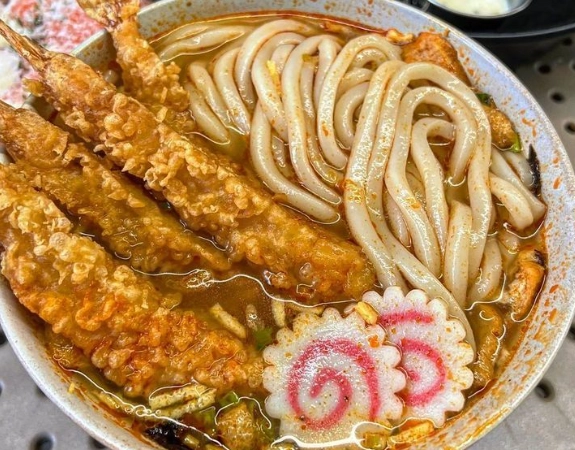
FAQ Section
That wraps it up. Whether you’re cooking at home or hunting for the perfect bowl, shrimp tempura udon is worth the effort. It’s a dish that balances simplicity and skill—get the basics right, and you’ll enjoy it for years. Drop a comment if you have your own tips or favorite spots; I’m always looking to learn more.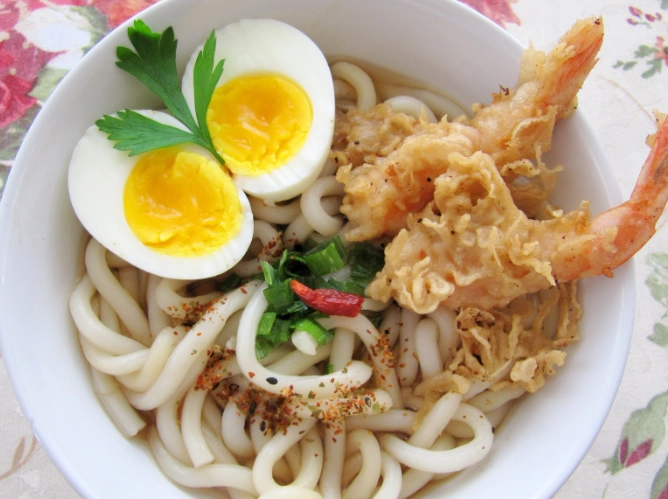
Reader Comments