Let's talk about Japanese crepes. Not the thin, fancy French ones you fold delicately on a plate. I'm talking about the Japanese crape—that glorious, over-stuffed, handheld cone of joy you find on the streets of Harajuku. It's a dessert, a snack, sometimes a meal, and a full-on sensory experience. If you're planning a trip to Tokyo or just dreaming of one, this is your no-nonsense guide from someone who's eaten more of these than I'd care to admit over the last ten years.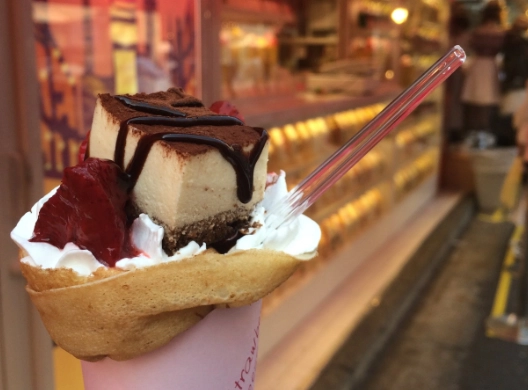
Most blogs will tell you to go to the first stall you see. They'll list flavors. That's the surface level. I'm going to tell you where the locals who've grown up with these actually go, the subtle differences between chains, how to order without holding up the line, and the one mistake almost every first-timer makes that ruins the crepe.
What's Inside This Guide?
Tokyo's Top Japanese Crepe Spots (Ranked)
Forget just "Harajuku." The scene has evolved. Here’s my personal breakdown, balancing iconic status, taste, and the overall experience. I'm factoring in the crepe texture (it should be tender, slightly sweet, never rubbery), filling quality, and innovation.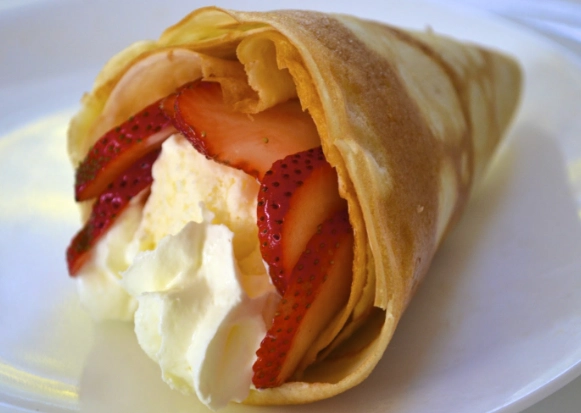
1. Marion Crêpes (Takeshita Street, Harajuku)
This is the O.G., the pioneer that started it all in 1976. Walking down Takeshita Street without seeing their iconic yellow signs and long queue is impossible. The experience is part of the package.
My Go-To Order: The "Chocolate Banana" classic. It's simple, but they've perfected the ratio of fresh banana slices to rich chocolate sauce and just the right amount of whipped cream.
The Insider Note: Yes, it's touristy. But there's a reason. Their batter recipe is a secret, and the crepes are consistently paper-thin and delicate. The line moves fast. Don't be intimidated. Their menu board has pictures—just point.
My Rating: 9/10 for history and consistency. Minus one point for the perpetual crowd.
2. Santa Monica Crepes (Omotesando)
A 5-minute walk from the Harajuku chaos, this is where style meets substance. The vibe is California cool, and the crepes feel slightly more refined.
They use higher-grade dairy, and it shows. Their whipped cream is less sweet, more milky. They also experiment with savory options better than anyone else—think chicken teriyaki with lettuce and mayo, which is surprisingly fantastic.
I once took a friend here who claimed not to like sweets. The "Matcha Azuki" crepe (green tea soft serve, red bean paste, mochi) changed her mind. The bitter matcha balanced the sweet azuki perfectly.
3. Cafe Crape (Shibuya & Ikebukuro)
This is the modern contender. If Marion is the classic rock album, Cafe Crape is the indie artist. They focus on premium ingredients: Hokkaido cream, seasonal fruits from specific prefectures, and artisanal chocolates.
Their summer limited edition with Shine Muscat grapes and fromage cream is something I mark my calendar for. It's pricier (crepes go up to ¥1,200), but you taste the difference. They also have actual cafe seating, a rarity.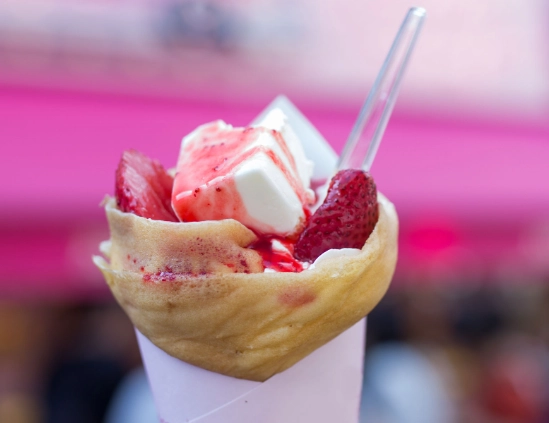
| Shop Name | Location (Main) | Price Range (¥) | Best For | Unique Point |
|---|---|---|---|---|
| Marion Crêpes | Harajuku (Takeshita St.) | 500 - 900 | The iconic experience, classic flavors | Original recipe, historic status, fast service |
| Santa Monica Crepes | Omotesando | 600 - 1,000 | Quality ingredients, savory options | Premium dairy, California vibe, less crowded |
| Cafe Crape | Shibuya, Ikebukuro | 700 - 1,200 | Seasonal luxury, cafe atmosphere | High-end ingredients, limited editions, seating |
| Angels Heart | Harajuku | 550 - 950 | Extreme, Instagrammable creations | Over-the-top presentation (whole cakes in crepes!) |
A quick note on Angels Heart: It's the wild card. They put entire slices of cheesecake or tiramisu inside a crepe. It's a spectacle. Taste-wise, it's a bit much for me—the textures clash. But for a photo and a sugar rush, it's unbeatable.
How to Order & Eat Like a Local (Avoid the Mess)
This is where most guides stop, and where most people fail. Ordering and eating a Japanese crepe has a technique.
The Ordering Process: Speed is Key
The menu is always visual. Decide before you get to the counter. The staff will ask:
- "Hotto? Sodo?" (Hot? Cold?) They mean the crepe skin. Always choose "hotto." The fresh, warm crepe is more pliable and fragrant. "Sodo" means a pre-made, chilled one—it's tougher.
- Point to your choice. Use the number or just tap the picture on the menu. You can say "Kore, onegaishimasu" (This one, please).
- Payment is usually after assembly. Have cash ready. IC cards (Suica) are often accepted too.
That's it. No modifications during rush hour unless you see a clear "add-on" list. Asking to swap out three ingredients will get you polite smiles but slow service.
The Eating Technique: The Horizontal Hold
This is the critical, rarely mentioned tip. Do NOT hold it vertically like an ice cream cone.
You will get a paper wrapper around the bottom third. Grip that wrapper. Hold the crepe almost horizontally, with the filled, open end slightly elevated. Your first bite should be from the top, where all the good stuff is piled. The cone acts as a cradle catching any drips.
As you eat, the structural integrity changes. Keep adjusting your grip on the wrapper. This method prevents the all-too-common disaster of the bottom bursting, sending a cascade of cream and fruit onto your shoes. I've seen it happen. It's tragic.
What About Leftovers?
You usually won't have any. But if you must save it, do not put it in a bag. The steam will turn it into a sad, soggy mess. Leave it in the wrapper, open at the top, and try to finish it within 20 minutes. Honestly, it's a now-or-never food.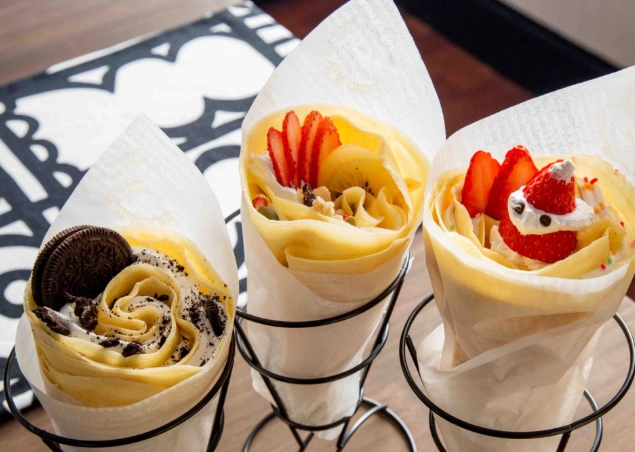
Your Japanese Crepe Questions, Answered
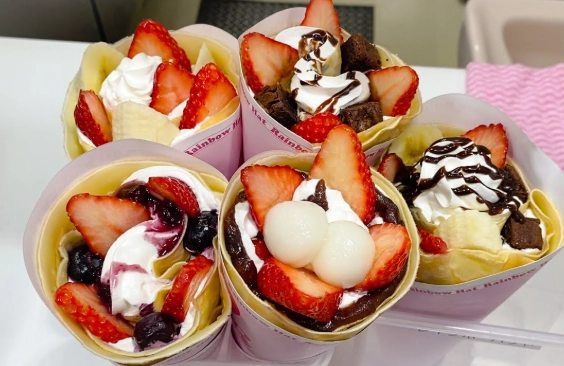
So there you have it. The Japanese crepe is more than a dessert; it's a lesson in precision engineering and instant gratification. Start with Marion for the history, explore Santa Monica for quality, and save Cafe Crape for a special treat. Remember the horizontal hold. Your clothes will thank you.
The next time you're in Tokyo and see that colorful, swirling display, you'll walk up not as a confused tourist, but as someone who knows exactly what they're doing. And that's the best flavor of all.
Reader Comments