You see it on every sushi menu, often tucked between the flashier dragon rolls and spicy tuna creations. Tekkamaki. It looks simple – just tuna and rice wrapped in seaweed. That simplicity is the whole point, and it's where most people, even some chefs, get it wrong. After years of eating and making sushi from Tokyo to New York, I've seen the same mistakes repeated. Too much rice. Soggy nori. Tuna that's been treated like an afterthought. This guide isn't just about what tekkamaki is; it's about understanding why this humble roll is the true test of sushi fundamentals, and how you can experience it at its best, whether you're ordering out or rolling at home.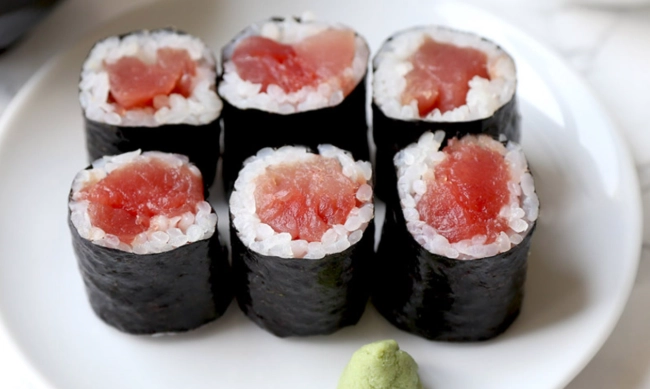
What's Inside This Tekkamaki Deep Dive
What Exactly is Tekkamamaki?
Let's clear something up first. "Tekka" (鉄火) literally means "red-hot iron," a vivid reference to the deep red color of fresh tuna. "Maki" means roll. So, tekkamaki is a thin sushi roll (hosomaki) with a core of raw tuna. That's it. No avocado, no cucumber, no mayo. This purity is its legacy, dating back to Edo-period sushi stalls where it was a quick, flavorful bite. The Japanese Ministry of Agriculture, Forestry and Fisheries notes the central role of nigiri and simple rolls in traditional Edomae sushi. Modern versions might sneak in some negi (scallion), which is acceptable, but the soul of the dish is the marriage of three elements: vinegared rice, nori, and pristine tuna.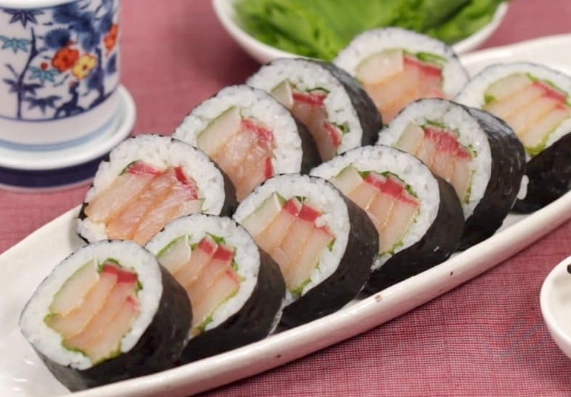
Most articles will tell you that. Here's what they don't say: Tekkamaki is the sushi bar's quality barometer. If a place messes up its tekkamaki – with bland tuna, poorly seasoned rice, or a clumsily cut roll – it's a red flag for everything else on the menu. It has nowhere to hide.
The Anatomy of a Perfect Tekkamaki Roll
Breaking it down reveals why mastery is tricky.
The Rice (Shari): Not just any rice. It must be short-grain Japanese rice, seasoned with a balance of rice vinegar, sugar, and salt. The temperature is critical. Ice-cold rice from the fridge is a disaster; it's hard and flavorless. Perfect sushi rice is body temperature, about 35-40°C (95-104°F), when assembled. Each grain should be distinct, glossy, and slightly firm to the bite.
The Nori (Seaweed): A half-sheet of high-quality, toasted nori. It should be crisp with a green, almost metallic sheen. The common error? Letting the rice moisture penetrate it too quickly, turning it chewy and leathery. A skilled chef times the assembly so the nori retains a slight crispness when it reaches you.
The Tuna (Maguro): This is the star. We're not talking about the scrap ends. For tekkamaki, you typically use akami – the lean, deep red cut from the back. It's meaty and clean-tasting. Some high-end places might use a sliver of fatty otoro, which is sublime but not traditional. The tuna must be impeccably fresh, cut against the grain into a long, rectangular strip (sengiri).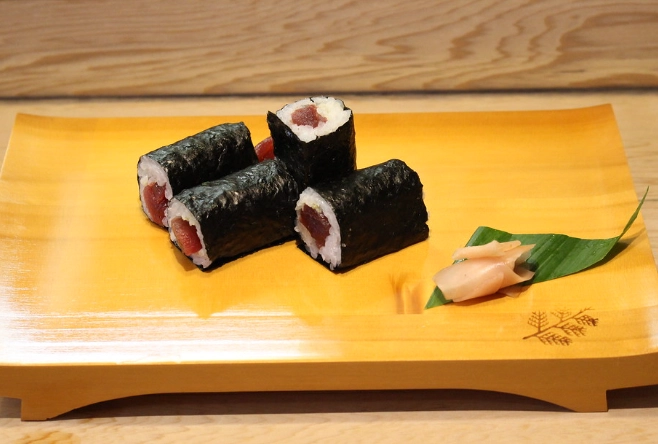
| Tuna Cut | Flavor & Texture | Best Use in Tekkamaki? |
|---|---|---|
| Akami (Lean) | Meaty, clean, slightly metallic | Yes. The classic, standard choice. |
| Chutoro (Medium-Fatty) | Rich, buttery, melts slightly | Sometimes. A luxurious upgrade. |
| Otoro (Fatty) | Extremely rich, almost creamy | Rarely. Can overpower the roll. |
| Negitoro (Scallion & Fatty Scraps) | Savory, oniony, soft | No. That's a different roll (Negitoromaki). |
How to Make Tekkamaki at Home (Without the Usual Frustrations)
You can do this. I've taught dozens of friends. The key is ditching perfectionism and focusing on flavor and technique.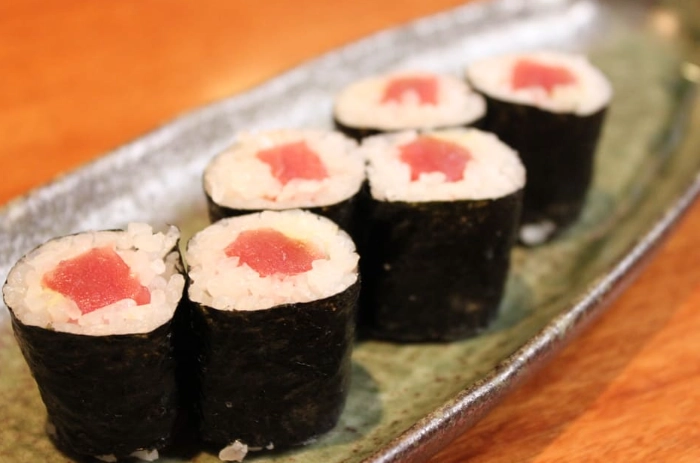
Gear You Actually Need
- A very sharp knife: Dull knives crush the roll and tear the nori.
- A bamboo rolling mat (makisu): Don't try plastic wrap. It's a slip-and-slide mess.
- A bowl of water with a splash of rice vinegar: For wetting your hands so the rice doesn't stick.
The Step-by-Step, Mistake-Proof Method
1. Rice Prep: Cook your rice. While it's hot, fold in the seasoned vinegar with a cutting motion using a rice paddle. Fan it to cool and achieve that glossy look. Let it sit until it's just warm, not hot.
2. The Setup: Place the bamboo mat on the counter. Put a half-sheet of nori on it, shiny side down. Have your strip of tuna ready.
3. Spreading Rice: This is the make-or-break moment. Wet your hands. Grab a golf-ball-sized amount of rice (about 90-100g). Gently spread it over the nori, leaving a 1cm bare strip at the top edge. The layer should be thin and even. Pressing too hard makes gummy rice.
4. Adding Tuna: Place the tuna strip horizontally across the rice, about one-third from the bottom edge.
5. The Roll: Lift the mat from the bottom, using your thumbs. Roll the nori over the filling, tucking it in tightly. Continue rolling forward, applying gentle, even pressure. When you reach the bare nori edge, moisten it slightly with water to seal the roll.
6. The Cut: Let the roll rest for a minute. With your sharp knife, wipe it with a damp cloth. Cut the roll in half, then line up the halves and cut each into three pieces. Six pieces total. Don't saw; use a single, confident downward motion.
The biggest home cook error? Using too much rice. You want to almost see the nori pattern through it. A tekkamaki is about the tuna, not a rice log.
Where to Find Exceptional Tekkamaki: Two Standout Spots
If you want to taste the benchmark, here are two places that treat tekkamaki with respect. One in Japan, one in the US.
1. Sushi Dai, Tokyo's Toyosu Market (Formerly Tsukiji): Yes, there's a line. It's worth it. These guys get first pick of the tuna auction. Their tekkamaki is an exercise in precision. The rice has a perfect tart-sweet balance, the nori crackles, and the akami tastes profoundly of the ocean. It's a reminder that this roll can be a headline act.
Address: 6 Chome-5-1 Toyosu, Koto City, Tokyo. Expect to pay: Around ¥4,000 for a set meal that includes it. Hours: Typically 5:00 AM – 1:00 PM (yes, AM). Go early.
2. Sushi Nakazawa, New York City: Daisuke Nakazawa, Jiro's apprentice, doesn't have tekkamaki on his omakase menu by default. But if you ask, and they have the right tuna, they'll make it. This is a masterclass in texture. The rice is warmer than you're used to, incredibly fragrant. The tuna isn't just fresh; it's aged for optimal flavor development. It ruins you for average tekkamaki.
Address: 23 Commerce St, New York, NY 10014. Expect to pay: Omakase starts at $150. A special request roll might be extra. Hours: Seatings from 5:00 PM – 10:30 PM.
The Art of Eating Tekkamaki: Beyond the Basics
You know to use soy sauce and wasabi. Let's go deeper.
First, don't dunk it. The rice is a sponge. Lightly dip the fish-side corner into your soy sauce. If you've added wasabi inside (not all places do), you don't need more. The goal is to complement, not drown.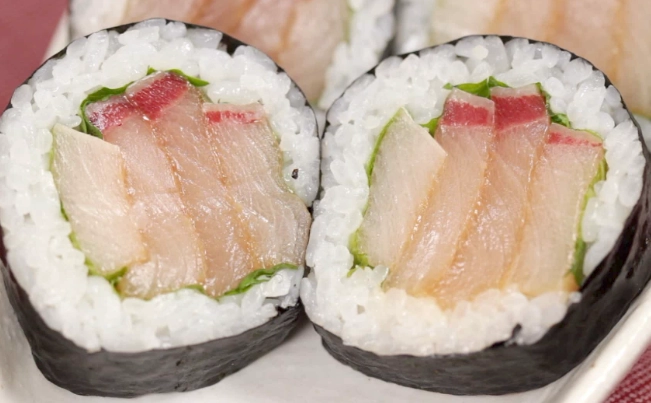
Eat it in one bite if you can. This ensures you get all the flavors and textures in one harmonious package. The initial crisp of the nori, the yielding rice, the firm tuna – it's a sequence.
Pair it with a clean, dry sake or a crisp lager. The simplicity of tekkamaki makes it a fantastic palate cleanser between richer pieces like uni or eel.
Tekkamaki Questions, Answered by a Sushi Regular
Can I use canned tuna to make tekkamaki at home?
Technically, you can make a roll with canned tuna mixed with mayo (like a westernized spicy tuna), but that is not tekkamaki. That's a different, casual snack. The defining characteristic of tekkamaki is raw, fresh tuna. Using canned tuna completely changes the texture, flavor, and cultural context of the dish. If you can't get sushi-grade tuna, consider making a kappamaki (cucumber roll) instead.
Is tekkamaki safe to eat during pregnancy?
This is a serious concern. The official advice from health organizations like the CDC is to avoid raw or undercooked fish due to the risk of parasites or bacteria. While high-quality, flash-frozen sushi fish (which kills parasites) is considered low-risk by many, the official recommendation errs on the side of caution. Pregnant individuals should consult their healthcare provider. Many opt for fully cooked sushi rolls during this time.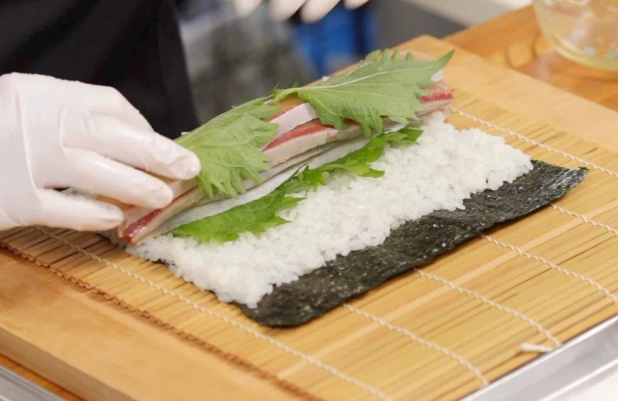
Why does the rice in my homemade tekkamaki always fall apart?
Three likely culprits. First, the rice is too cold. Cold rice is hard and won't stick to itself or the nori. Let it come to near room temperature. Second, you're using the wrong rice. You need Japanese short-grain rice (like Koshihikari or Calrose). Long-grain rice like Jasmine or Basmati lacks the necessary starch. Third, you're cutting with a sawing motion. This drags the rice out. Use a razor-sharp knife and a single, clean chop for each cut.
What's the difference between tekkamaki and a spicy tuna roll?
They're fundamentally different dishes. Tekkamaki is a traditional Japanese hosomaki (thin roll) with plain, raw tuna. A spicy tuna roll is a modern, American-invented futomaki (thick roll) or hand roll, made with minced tuna mixed with spicy mayo (usually sriracha and mayonnaise), and often includes other fillings like cucumber. The spicy tuna roll is about bold, creamy, spicy flavors. Tekkamaki is about subtlety, texture, and the pure taste of tuna.
So next time you're at a sushi bar, don't skip past the tekkamaki. Order it first. See how they handle it. That thin roll of tuna and rice tells you everything you need to know about the chef's respect for tradition and ingredient quality. And if you're feeling brave, grab some nori and sushi-grade tuna. Give it a roll at home. Just remember: less rice, sharp knife, warm rice. You might just create something simple and perfect.
Reader Comments