If you've ever bitten into a perfectly crispy piece of tonkatsu or tempura and wondered how that crunch stays so light, you're probably tasting Japanese bread crumbs, or panko. Unlike the dense, sandy stuff we grew up with, panko is a game-changer in the kitchen. I remember my first attempt at frying chicken with regular breadcrumbs—it turned out greasy and sad. Then I switched to panko, and suddenly, everything clicked. This guide dives deep into what makes panko special, how to use it like a pro, and why it might just become your secret weapon for everything from frying to baking.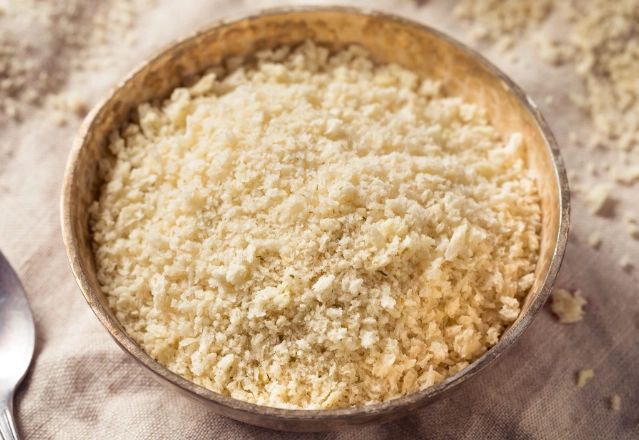
What You'll Find Inside
What Are Japanese Bread Crumbs (Panko)?
Japanese bread crumbs, commonly known as panko, are coarser and flakier than traditional Western breadcrumbs. They're made from crustless white bread that's processed into large, airy flakes, giving dishes a lighter, crispier texture. Originating in Japan, panko has become a staple in global cuisine, especially for fried foods like tempura and katsu.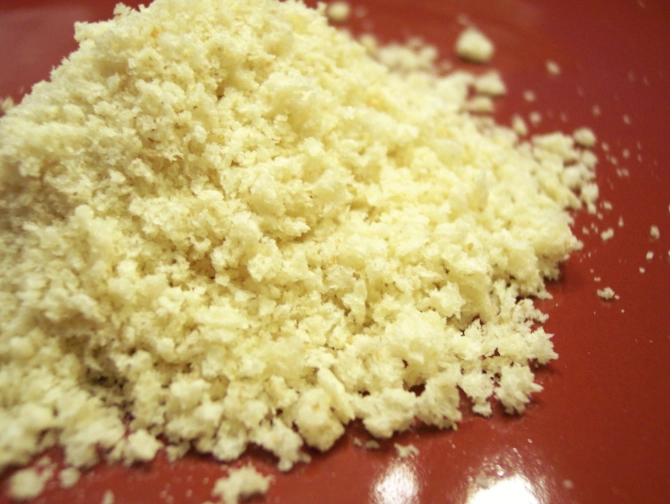
I first discovered panko years ago when a friend made chicken katsu. The coating was so crisp it shattered with each bite—nothing like the soggy mess I'd made with regular crumbs. That's the magic: panko absorbs less oil, so food stays crunchier longer. It's not just for frying; it works wonders in baked dishes too.
The Unique Texture of Panko
Panko's flaky structure comes from bread baked with electric current, which creates a porous, airy crumb. This means it doesn't get as greasy, and it toasts up with a delicate crunch. Regular breadcrumbs can turn into a dense, pasty layer, but panko stays light. Think of it as the difference between fresh snow and packed sand.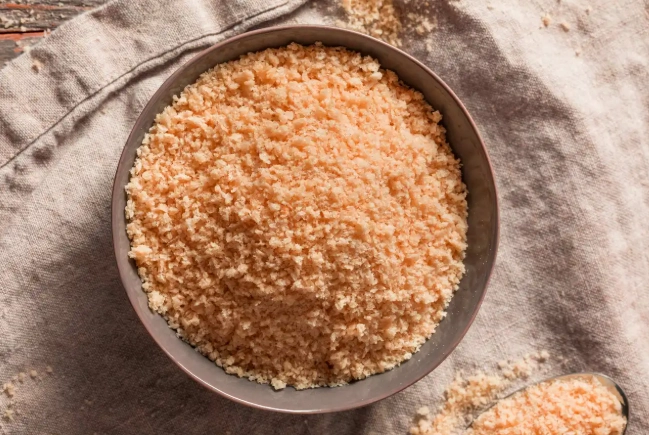
Most store-bought panko uses white bread, but you can find whole wheat or gluten-free versions. The flakes are larger and irregular, which helps them cling better and create that signature crunch. I've tried grinding them finer for coatings, but it ruins the texture—stick to the coarse stuff.
Panko vs. Regular Breadcrumbs: A Side-by-Side Comparison
Here's a quick breakdown to show why panko stands out:
| Feature | Panko | Regular Breadcrumbs |
|---|---|---|
| Texture | Coarse, flaky, airy | Fine, dense, sandy |
| Oil Absorption | Low, stays crispier | Higher, can get soggy |
| Color | Lighter, golden | Darker, browner |
| Best For | Frying, baking, toppings | Breading, meatballs, stuffing |
| Common Use | Tempura, katsu, tonkatsu | Meatloaf, casseroles, breading |
This table isn't just trivia—it explains why panko works better for crispy coatings. The flakes create a shatter effect, while regular crumbs can seal in moisture and turn mushy.
How to Use Panko for Perfect Results Every Time
Using panko isn't rocket science, but a few tricks make all the difference. I learned this the hard way when my first batch of fried shrimp came out with a coating that slid off like wet paper. Here's a step-by-step guide based on trial and error.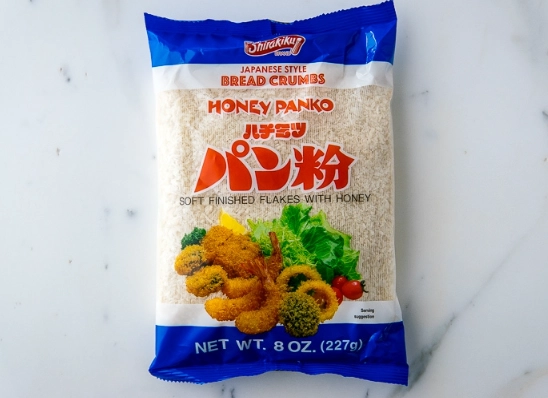
Step-by-Step Guide to Breading with Panko
Start with dry ingredients. Pat your protein or veggie dry with paper towels—moisture is the enemy of crispiness. Then, set up a breading station: flour first, then beaten egg, then panko. Use one hand for wet and one for dry to avoid clumping.
Press the panko firmly onto the food. Don't just sprinkle; really get it in there. Some chefs use a second egg dip for extra crunch, but I find one is enough if you press well. Let it rest for 5-10 minutes before frying. This lets the coating set, so it doesn't fall off in the oil.
For baking, spray a light coat of oil on top. Panko needs that to crisp up in the oven. Air fryers work great too—just don't overcrowd the basket.
Common Mistakes and How to Avoid Them
Too much egg wash makes the panko soggy. Use a fork to let excess drip off. Also, don't reuse oil that's too hot or old; it burns the coating. I once tried to save oil for a second batch, and the panko turned dark and bitter. Not worth it.
Another mistake: not seasoning the flour or panko. Salt, pepper, maybe some garlic powder—it adds flavor to every bite. I've skipped this and ended up with bland chicken. Lesson learned.
Storage matters too. Keep panko in a cool, dry place. If it gets humid, it can clump. I store mine in the pantry, not near the stove.
Top Dishes to Make with Japanese Bread Crumbs
Panko isn't just for Japanese food. I've used it in everything from mac and cheese to fish tacos. Here are a few favorites that always work.
- Tonkatsu: The classic. Pork cutlets breaded with panko, fried until golden. Serve with tonkatsu sauce and cabbage.
- Tempura: Vegetables or seafood in a light batter, then panko. The flakes create that iconic crunch.
- Baked Chicken Tenders: Skip the fryer. Coat chicken in panko, spray with oil, bake at 400°F for 20 minutes. Kids love it.
- Crispy Fish Tacos: Use panko on white fish like cod or tilapia. Add some chili powder to the flour for a kick.
- Vegetable Gratin: Top with panko mixed with Parmesan and herbs. It browns beautifully without getting greasy.
Experiment with flavors. Mix panko with grated cheese, herbs, or even crushed nuts. I tried adding almond flakes once, and it was a hit.
Buying and Storing Panko: Expert Tips
Not all panko is created equal. Look for brands that list just wheat flour, yeast, salt, and maybe sugar. Avoid added oils or preservatives—they can affect crispiness. I once bought a cheap brand with palm oil, and the coating turned out oily and heavy.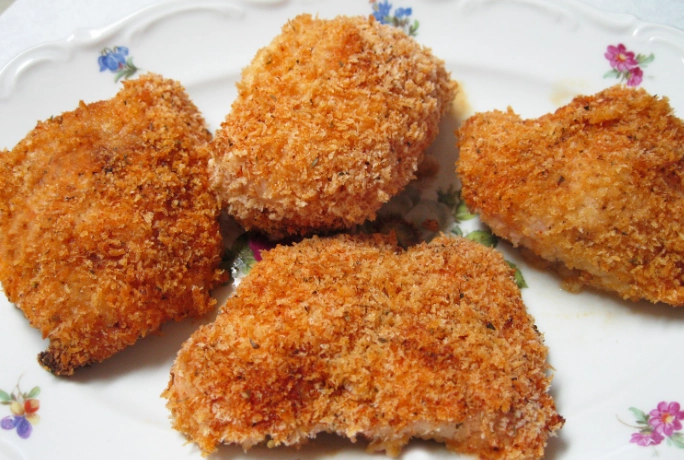
Store panko in its original bag, sealed tight. If it's opened, transfer to an airtight container. Keep it in a cool, dark place. I've had bags go stale because I left them near the stove. Don't make my mistake.
For homemade panko, use stale white bread. Remove crusts, tear into chunks, pulse in a food processor until flaky. Toast in the oven at 300°F for 10-15 minutes. Let it cool completely before using. It's cheaper, but store-bought is more consistent for frying.
FAQ – Your Panko Questions Answered
Panko might seem like a small detail, but it transforms ordinary dishes into something special. Once you get the hang of it, you'll wonder how you cooked without it. I still remember that first perfect tonkatsu—crisp outside, juicy inside. It's worth the extra step.
Reader Comments