Quick Guide
Let's talk about tekka maki. You've probably seen it on every sushi menu, that simple roll with the bright red center wrapped in white rice and black seaweed. It doesn't have the flash of a dragon roll or the creamy texture of a spicy tuna creation. It's straightforward. Some might even call it plain. But here's the thing – mastering a perfect tekka maki is what separates good sushi from great sushi. It's the culinary equivalent of a little black dress or a perfectly tailored white shirt. Simple, yes. Easy to get right? Absolutely not.
I remember the first time I had a truly exceptional piece of tekka maki. It was in a tiny, six-seat counter in Tokyo, the kind of place where the chef watches your face as you eat. The tuna was cool and clean-tasting, the rice was barely warm and seasoned with just the right amount of vinegar, and the nori had that satisfying snap. It was a revelation. How could something with only three ingredients be so complex and satisfying?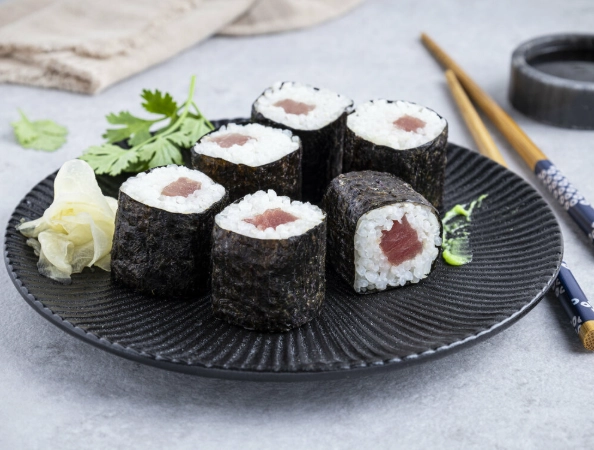
Core Concept: At its heart, tekka maki is a hosomaki (thin roll) consisting of three components: sushi rice, nori (seaweed sheet), and raw tuna. No cucumbers, no avocado, no fancy sauces. Just the essentials. The name itself is a clue to its character. "Tekka" translates to "iron fire," which is old-school slang for a gambling den. The story goes that this roll was a favorite quick bite for gamblers who didn't want to leave their tables – a one-handed, no-mess food. "Maki" simply means "roll." So, you're literally eating a "gambling den roll." How cool is that?
This guide is for anyone who's ever looked at a tekka maki and wondered what the big deal is. We're going to dive deep – into its history, the art of choosing the right tuna, the precise technique for rolling it, and the proper way to eat it. Whether you're a sushi novice trying to understand the menu or a home cook ready to tackle your first roll, this is your starting point.
What Exactly is Tekka Maki? Defining the Classic
Okay, let's get specific. When you order sushi tekka maki, you're ordering a specific type of hosomaki. Hosomaki are thin rolls, usually containing just one main filling. They're typically cut into six pieces. This is different from futomaki (fat rolls with multiple fillings) or uramaki (inside-out rolls where the rice is on the outside).
The construction is non-negotiable: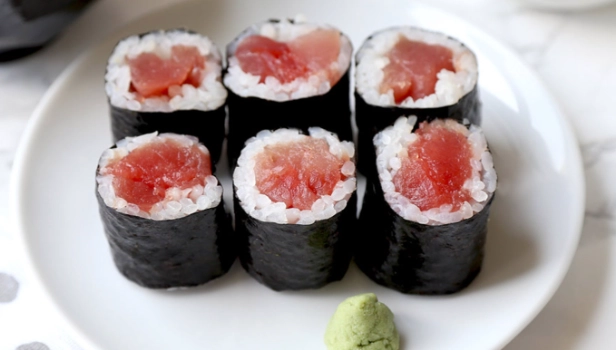
- Nori: A half sheet of roasted seaweed, laid shiny-side down.
- Shari (Sushi Rice): About 100-120 grams of vinegared rice, spread in a thin, even layer over the nori, leaving a 1cm border at the top.
- Neta (Filling): A single strip of raw tuna (maguro), about the length of the nori sheet and roughly the thickness of your thumb. It should be cut from the lean, red akami part of the tuna.
That's it. No mayonnaise. No sprinkles. No secret sauce. The beauty is in the quality and balance of these three elements. The nori provides umami and texture, the rice offers a sweet-and-sour base and substance, and the tuna delivers a clean, meaty flavor and beautiful color contrast.
Why does this simplicity matter? In sushi philosophy, it allows the primary ingredient – the fish – to shine. There's nowhere for subpar tuna to hide in a tekka maki. If the tuna is low-quality, old, or poorly cut, you'll taste it immediately. This roll is a test of the chef's confidence in their fish.
It's the sushi world's truth-teller.
A Slice of History: The Humble Origins of Tekka Maki
To really appreciate tekka maki, it helps to know where it came from. Modern sushi, as we know it (Edomae-zushi), developed in Tokyo (then Edo) during the early 19th century. It was fast food for the bustling merchant class. The story about the "iron fire" gambling dens isn't just a fun anecdote; it points to its functional origin. Gamblers needed food that was:
- Quick to eat: One or two bites per piece.
- Non-messy: No dripping sauces or falling-apart ingredients to soil cards or money.
- Filling: Substantial enough to serve as a meal.
A tekka maki fit the bill perfectly. The nori kept everything contained. It could be eaten with one hand. And it was packed with protein and carbs. Its popularity soared beyond the gambling houses because these were qualities everyone appreciated. It became a staple of sushi stalls and later, sushi restaurants.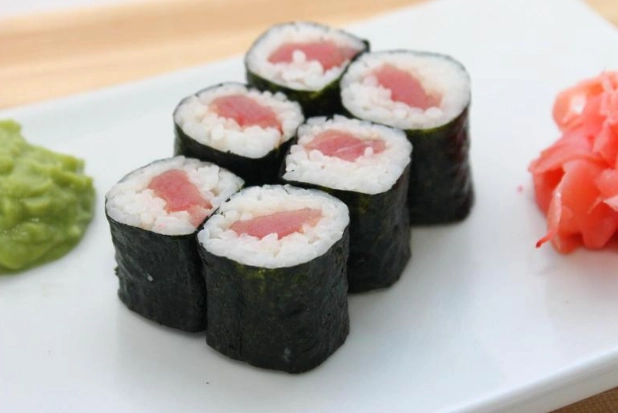
Interestingly, the use of tuna wasn't always a given. In the very early days, the most prized fish for sushi were local, seasonal catches from Tokyo Bay. Tuna, being a large, deep-sea fish, was harder to preserve without refrigeration. Some historical accounts suggest early versions might have used pickled or cured fish. The widespread use of fresh, raw tuna in tekka maki is a testament to advances in fishing and refrigeration technology. For a deeper dive into the official history and cultural significance of sushi in Japan, resources from the Japanese Ministry of Agriculture, Forestry and Fisheries (MAFF) provide authoritative context on its evolution from a preservation method to a global cuisine.
It's a food born from practicality that evolved into an icon. I love that about it.
The Heart of the Matter: Understanding the Tuna
This is where the magic – or the tragedy – happens. The tuna makes or breaks your tekka maki. Not all tuna is created equal, and knowing the difference is key, whether you're ordering at a restaurant or buying fish to make it yourself.
First, let's break down the parts of a bluefin tuna (the king of sushi tuna, though other species like yellowfin or bigeye are also used). The cut you get in your roll is almost always akami.
| Cut (Japanese Name) | Location on Fish | Fat Content | Flavor & Texture | Common Use | Price Point |
|---|---|---|---|---|---|
| Akami | The lean, red dorsal muscle | Very Low | Meaty, clean, slightly metallic; firm texture. | Tekka maki, nigiri, sashimi. | Most affordable of the premium cuts. |
| Chutoro | Belly area, between akami and otoro | Medium-High | Rich, buttery, melt-in-your-mouth; perfect balance of lean and fat. | High-end nigiri, sashimi. | Expensive. |
| Otoro | The fattiest part of the belly | Very High | Extremely rich, almost creamy; dissolves on the tongue. | Ultra-premium nigiri, a special treat. | Very expensive. |
Why akami for tekka maki? Its lean, firm texture holds up perfectly when rolled and cut. It provides a clean, distinct flavor that isn't overwhelmed by the rice and nori. Using otoro in a maki would be overkill – the fat would smear, the texture would be too soft, and the rich flavor would fight with the other components. It'd be like putting filet mignon in a sandwich when roast beef would do the job better.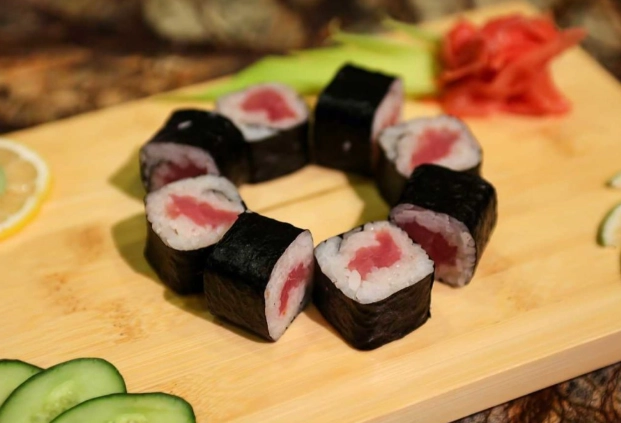
How to Spot Good Tuna for Tekka Maki: Look for a deep, ruby red color (not brown or dull). It should smell fresh and clean, like the ocean, not fishy or ammoniated. The surface should be glossy, not dry or matte. If you're buying a piece, the flesh should be firm to the touch and spring back slightly. If it leaves an indentation, it's past its prime.
Now, a personal gripe. I've been to places – even some that call themselves sushi bars – that use a weird, mushy, dark red tuna in their tekka maki. It tastes tired. It's often tuna that's been frozen and thawed poorly, or it's just old. A good sushi tekka maki should make you appreciate the tuna, not make you wish it was something else.
Sustainability is a real concern with tuna, especially bluefin. When you can, ask where the tuna is from and if it's sustainably sourced. Organizations like the NOAA Fisheries provide resources on sustainable seafood choices, which is worth considering for the long-term health of our oceans. Choosing yellowfin (ahi) or bigeye over bluefin can be a more sustainable option without sacrificing too much quality for a dish like this.
Crafting Perfection: How to Make Tekka Maki at Home
Ready to try your hand at it? Making tekka maki at home is totally achievable. It's less about fancy tools and more about patience and technique. Don't expect perfection on the first try. My first homemade roll looked like a seaweed burrito that had been in a minor traffic accident. It tasted great, though!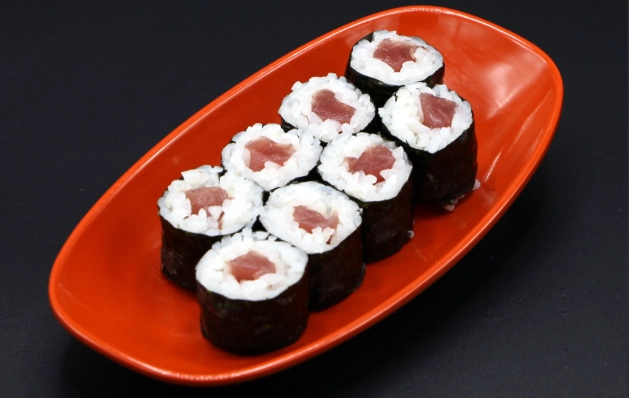
The Ingredients & Tools You Actually Need
You don't need a full sushi chef's kit. Here's the bare-bones list:
- Sushi Rice: Short-grain Japanese rice (like Koshihikari). Don't substitute with long-grain or jasmine rice. It won't stick properly.
- Rice Vinegar, Sugar, Salt: For seasoning the rice.
- Nori Sheets: Look for full-size, roasted sheets. They should be crisp and dark green.
- Sashimi-Grade Tuna: This is non-negotiable. You must use tuna labeled for raw consumption from a trusted fishmonger. Never use regular supermarket tuna.
- A Bamboo Makisu (Rolling Mat): This is the one tool I'd really recommend buying. They're cheap and make rolling infinitely easier. Wrap it tightly in plastic wrap before use to keep it clean.
- A Very Sharp Knife: A dull knife will crush your roll instead of slicing it cleanly.
- A Bowl of Water with a Bit of Vinegar: For wetting your hands to prevent the rice from sticking.
The Step-by-Step Process (Without the Stress)
- Cook and Season the Rice: Cook the rice according to package directions. While it's hot, gently fold in the seasoned vinegar (a mix of rice vinegar, sugar, and salt dissolved together). Fan the rice as you mix to cool it down and give it a glossy shine. It should be body temperature when you use it, not hot.
- Prepare the Tuna: Cut your tuna into a long, rectangular stick (called a kanpyo cut), about 1cm thick and as long as your nori sheet is wide.
- Assemble the Roll: Place a half sheet of nori shiny-side down on the bamboo mat. With wet hands, take a handful of rice (about 100g) and gently spread it evenly over the nori, leaving that 1cm border at the top. Press lightly – don't smash the grains.
- Add the Tuna: Place your tuna stick horizontally across the rice, about one-third of the way up from the edge closest to you.
- The Roll: Using the mat, lift the edge of the nori closest to you over the tuna, tucking it in gently. Squeeze the mat to form a tight cylinder. Continue rolling forward, applying even pressure, until you reach the bare nori border. Dab a little water on that border to act as glue, and finish the roll.
- The Cut: This is the tricky part. With your sharp, wet knife, cut the roll in half. Then, cut each half into thirds, for six equal pieces. Wipe the knife clean between each cut. Don't use a sawing motion; use one confident, downward press.
Common Home Cook Mistake: Using too much rice. A thick layer of rice will make the roll bulky, the nori will tear, and the balance will be off. The rice layer should be thin enough that you can almost see the nori through it in spots. The star is the tuna, remember?
What if it's not perfect? So what. It's homemade. The flavor will still be there. I promise your sixth roll will look miles better than your first. The process of making tekka maki is half the fun.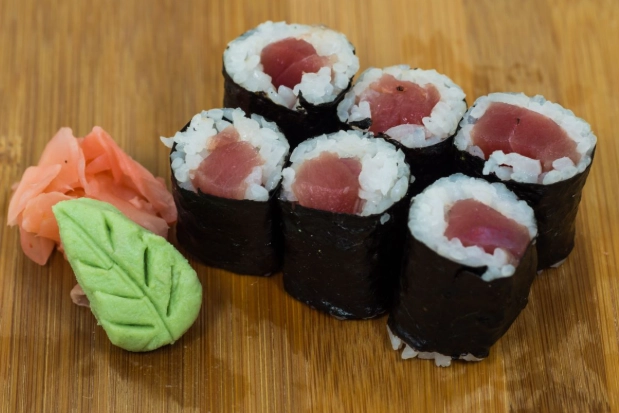
The Art of Enjoyment: How to Eat Tekka Maki Like a Pro
You've got your beautiful plate of tekka maki, whether from a restaurant or your own kitchen. Now what? There's a bit of an art to eating it to get the full experience.
To Dip or Not to Dip? This is the big question. Traditionalists will tell you that a well-made piece of nigiri or maki should not need soy sauce. The rice is already seasoned. However, most people enjoy a little dip. The key is moderation. Turn the piece on its side (so you're dipping the fish part, not the rice) and just barely touch it to the soy sauce. If you dunk the rice side, it will soak up too much sauce, fall apart, and overwhelm the delicate flavors. I usually dip one piece in every three or four, just for a little variation.
Wasabi? The chef has likely already put a small amount of wasabi inside the roll, between the rice and the tuna. Adding more is up to you, but try it without first to appreciate the intended balance.
Fingers or Chopsticks? Either is perfectly acceptable! Sushi started as finger food. Using your fingers lets you feel the temperature and texture. If you use chopsticks, don't stab the piece. Gently pick it up.
Eat it in one bite. A piece of hosomaki is designed to be a single, perfect mouthful. This ensures you get all the flavors and textures at once. Taking two bites means the nori will tear, and the filling might fall out. It's a bit messy, and you lose the harmony.
My personal ritual: I like to eat the pickled ginger (gari) between different types of sushi, not on top of it. It cleanses the palate. So, I'll have a piece of tekka maki, then a sliver of ginger, then maybe a piece of something else. It keeps each flavor distinct.
What to drink with it? Green tea is the classic, of course. A light, crisp lager or a dry sake also pairs wonderfully. The goal is a beverage that cleanses and refreshes, not one that overpowers the tuna.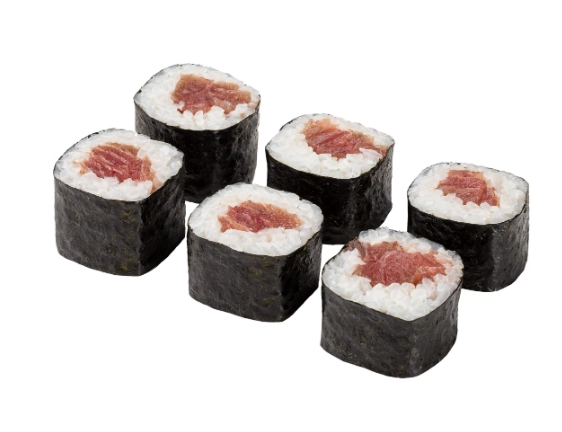
Tekka Maki FAQs: Your Questions, Answered
Look, at the end of the day, sushi tekka maki is more than just food. It's a lesson in restraint, quality, and balance. It teaches you that sometimes, less truly is more. In a world of over-the-top, sauce-drenched, ingredient-stuffed creations, the tekka maki stands firm as a testament to the power of simplicity done well.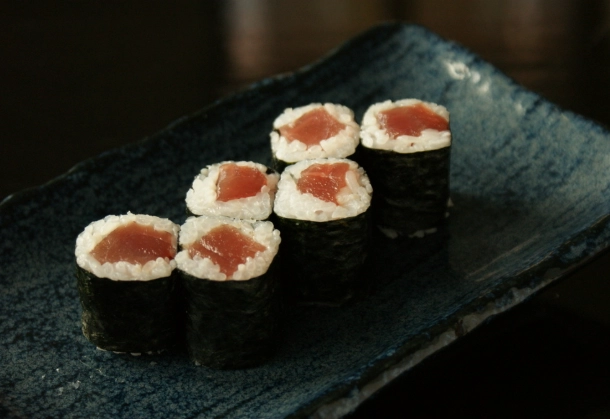
The next time you see it on a menu, don't skip over it as the "boring option." Order it. Pay attention to the color of the tuna, the seasoning of the rice, the crispness of the nori. Use it as a benchmark for the restaurant. If they can't get the tekka maki right, what else are they cutting corners on?
And if you're feeling brave, try making it. It's a wonderfully satisfying kitchen project. You might not get it picture-perfect, but you'll gain a whole new appreciation for every piece of sushi you eat from that day forward. You'll understand the craft. And really, that's what good food is all about – connection and understanding. Now, go enjoy some tuna.
Reader Comments