Quick Navigation
If you've ever been to Nagoya, Japan, you've probably smelled it before you saw it—the irresistible aroma of crispy, glazed chicken wings wafting from izakayas and street stalls. That's tebasaki, and it's more than just a snack; it's a cultural icon. I remember my first bite years ago at a tiny joint near Nagoya Station. The skin was so crisp it shattered, but the meat inside stayed juicy. I've been hooked ever since, and after trying dozens of spots and messing up my own kitchen countless times, I've gathered everything you need to know.
This guide isn't just a rehash of basic recipes. We'll dive into the specifics: why most home cooks fail at getting that perfect crunch, where to find the best tebasaki in Nagoya (with actual addresses and prices), and some non-obvious tips from local chefs. Let's get started.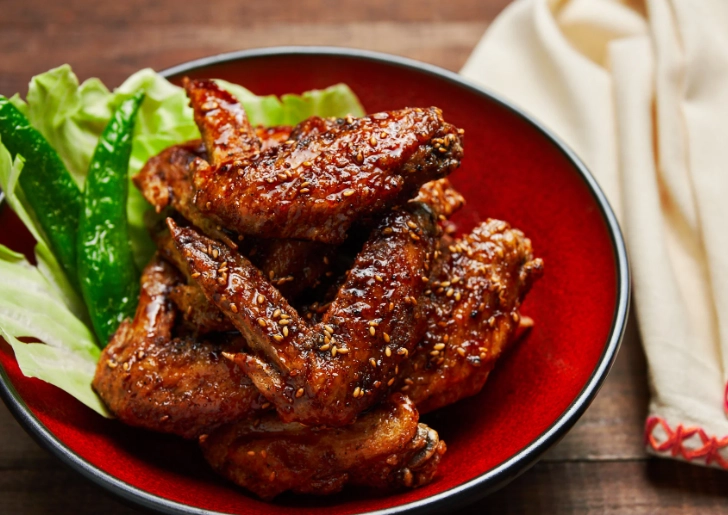
What is Tebasaki? A Brief History
Tebasaki translates to "chicken wings" in Japanese, but in Nagoya, it refers specifically to deep-fried wings seasoned with a sweet-salty glaze, often with a hint of garlic and sesame. Unlike Buffalo wings, tebasaki aren't drenched in sauce; they're lightly coated to keep the skin crispy. The dish originated in Nagoya's working-class districts in the 1960s, as a cheap, flavorful bar snack. According to local lore, it was popularized by izakayas (Japanese pubs) looking for a unique offering to pair with beer.
From Nagoya to the World: The Rise of Tebasaki
Over the decades, tebasaki spread across Japan, but Nagoya remains its heartland. Places like Yamachan and Furaibō turned it into a regional specialty. What sets it apart? The double-frying technique—first at a lower temperature to cook the meat, then at a higher heat to crisp the skin—and the glaze made from soy sauce, mirin, and sugar. It's simple, but the devil's in the details.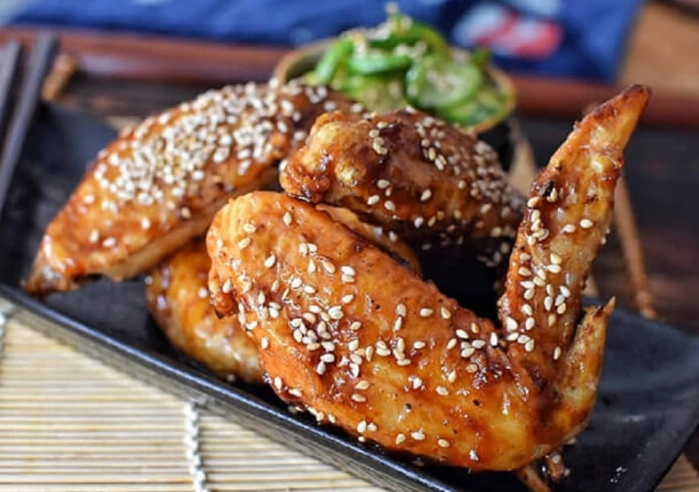
Personal note: I once asked a chef in Nagoya why his tebasaki were so good. He laughed and said, "Most people forget to pat the wings dry. Moisture is the enemy of crispiness." It sounds trivial, but it's a game-changer.
The Anatomy of Perfect Tebasaki
Great tebasaki have three key characteristics: crispy skin, juicy meat, and a balanced glaze. The skin should be golden-brown and crackle when you bite into it. The meat must be tender, not dry. And the glaze should be sticky but not overly sweet, with umami from soy sauce and a touch of garlic or ginger. If it's soggy or bland, something went wrong.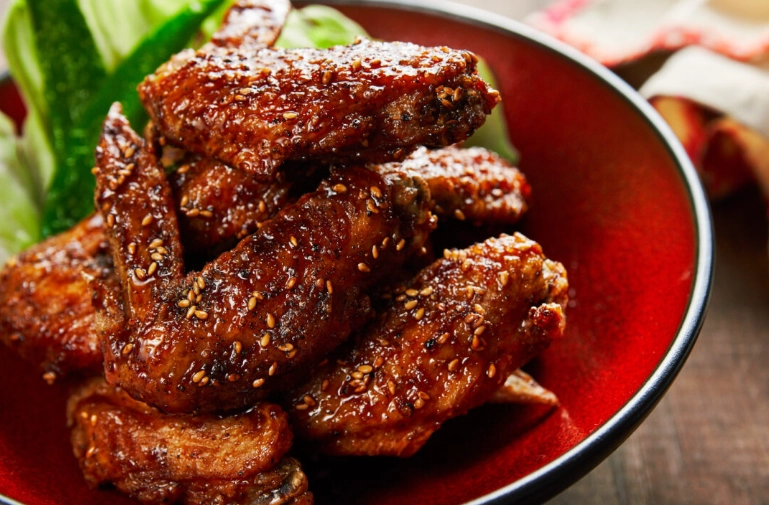
Crispy Skin, Juicy Meat: The Texture Balance
This is where many home cooks stumble. To achieve that balance, you need to control the oil temperature. Too hot, and the skin burns before the meat cooks; too cool, and the wings absorb oil and turn greasy. A candy thermometer is your best friend here. Aim for 170°C (340°F) for the first fry, then 190°C (375°F) for the second. Also, use chicken wings that are at room temperature—cold wings cause the oil temperature to drop.
How to Cook Tebasaki at Home: Expert Recipe
Here's a foolproof recipe I've refined after years of trial and error. It serves 4 people and takes about 45 minutes, plus marinating time.
Ingredients:
- 1 kg chicken wings (about 10-12 wings), patted dry with paper towels
- 2 tbsp soy sauce
- 1 tbsp mirin
- 1 tbsp sake
- 2 cloves garlic, minced
- 1 tsp ginger, grated
- 2 tbsp potato starch or cornstarch (for coating)
- Vegetable oil for frying
- 1 tbsp sesame seeds (for garnish)
Steps:
- In a bowl, mix soy sauce, mirin, sake, garlic, and ginger. Add the chicken wings and marinate for at least 30 minutes (or up to 2 hours in the fridge). Don't over-marinate—the salt can draw out moisture.
- Remove wings from marinade and pat them dry again. This is crucial! Toss them in potato starch until lightly coated. Shake off excess.
- Heat oil in a deep pot to 170°C (340°F). Fry the wings in batches for 6-7 minutes until cooked through but not browned. Remove and drain on a rack.
- Increase oil temperature to 190°C (375°F). Fry the wings again for 2-3 minutes until golden and crispy. Drain on paper towels.
- Optional: Brush with a light glaze made from reduced marinade (boiled for safety) or sprinkle with sesame seeds. Serve immediately.
Why potato starch? It creates a thinner, crispier coating than flour. And yes, double-frying is non-negotiable—it's what gives tebasaki that signature crunch.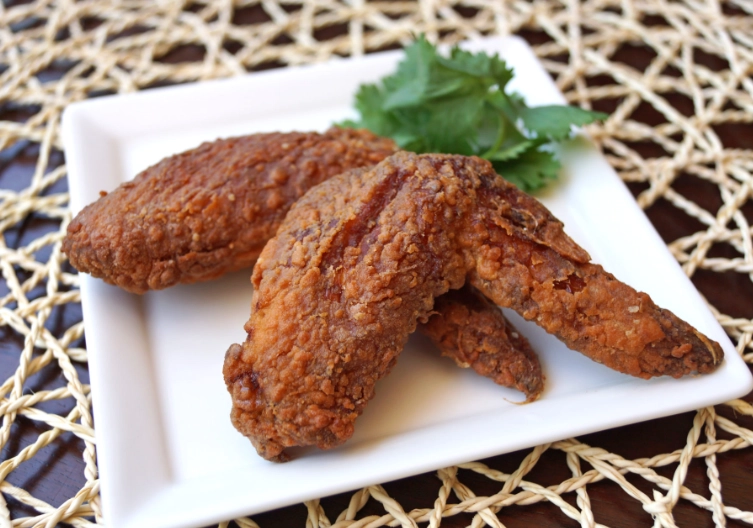
Top 5 Tebasaki Restaurants in Nagoya You Must Visit
If you're planning a trip to Nagoya, here are my top picks for tebasaki. I've visited these places multiple times, and they consistently deliver. Prices are approximate as of my last visit.
| Restaurant | Address | Specialty | Rating (out of 5) | Price per Order | Hours |
|---|---|---|---|---|---|
| Yamachan | Multiple locations; main branch: 3-14-22 Nishiki, Naka Ward, Nagoya | Classic tebasaki with garlic and sesame | 4.5 | ¥600-¥800 | 11:00 AM - 11:00 PM |
| Furaibō | 1-8-19 Sakae, Naka Ward, Nagoya | Spicy tebasaki variant | 4.3 | ¥550-¥750 | 5:00 PM - 1:00 AM |
| Torikai | 2-9-26 Ōsu, Naka Ward, Nagoya | Traditional, less sweet glaze | 4.4 | ¥500-¥700 | 12:00 PM - 10:00 PM |
| Sekai no Yamachan | 4-5-18 Meieki, Nakamura Ward, Nagoya | Famous chain, consistent quality | 4.2 | ¥650-¥850 | 10:00 AM - 10:00 PM |
| Kishimen | 6-9 Tsubakicho, Naka Ward, Nagoya | Teppanyaki-style tebasaki | 4.0 | ¥700-¥900 | 6:00 PM - 12:00 AM |
Yamachan is the most famous, but Furaibō offers a spicier kick that locals love. Torikai is a hidden gem—it's smaller and less touristy, so you might wait longer, but it's worth it. For travel info, check the Japan National Tourism Organization website for Nagoya guides.
Common Pitfalls in Making Tebasaki and Pro Tips
After teaching friends how to make tebasaki, I've seen the same mistakes over and over. Here's how to avoid them:
- Pitfall 1: Skipping the drying step. If the wings are wet, the coating won't stick, and they'll steam instead of fry. Always pat dry with paper towels before marinating and after.
- Pitfall 2: Overcrowding the pot. This drops the oil temperature, leading to greasy wings. Fry in small batches—no more than 4-5 wings at a time.
- Pitfall 3: Using flour instead of starch. Flour absorbs more oil and gets soggy faster. Potato starch or cornstarch gives a lighter, crispier result.
- Pitfall 4: Marinating too long. The acidity in mirin and sake can break down the meat if left for hours. 30 minutes to 2 hours is ideal.
A pro tip from a Nagoya chef: add a pinch of baking soda to the coating for extra crispiness. But go easy—too much can leave a bitter taste.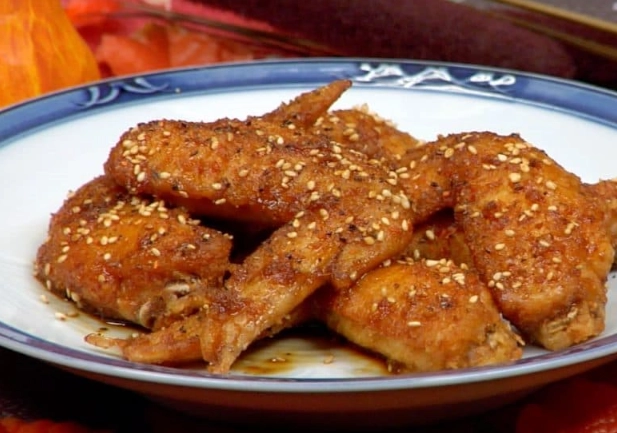
Tebasaki FAQ: Your Questions Answered
That wraps up our deep dive into tebasaki. Whether you're cooking at home or planning a food trip to Nagoya, I hope this guide helps you enjoy those crispy wings to the fullest. Remember, it's all about patience and attention to detail—don't rush the frying process!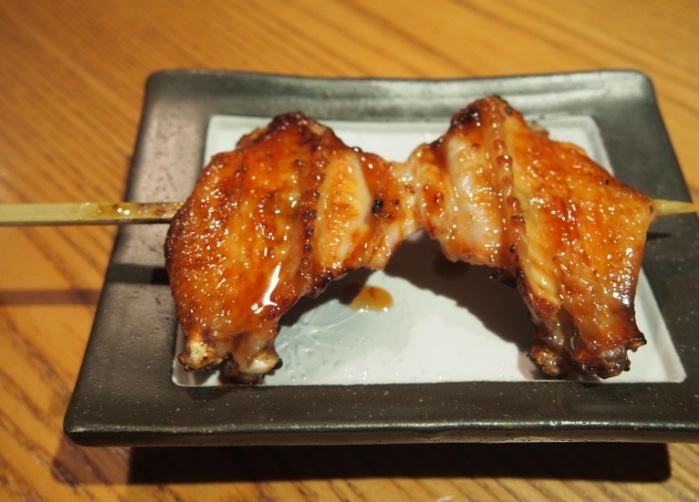
Reader Comments