You've probably seen them at sushi buffets or in Japanese convenience stores: those golden-brown, slightly sweet tofu pouches stuffed with glistening rice. Inari sushi. They look simple, maybe even humble next to their glamorous nigiri cousins. But let me tell you, there's a whole world inside that little pouch. A world of history, quiet ritual, and surprisingly deep flavor that most people completely miss because they dismiss it as just "fried tofu with rice." I've been making and eating these for over a decade, and I'm still learning new tricks. Today, I'm sharing everything—the real story, the common mistakes everyone makes, and how to create perfect inari sushi at home that beats most restaurant versions.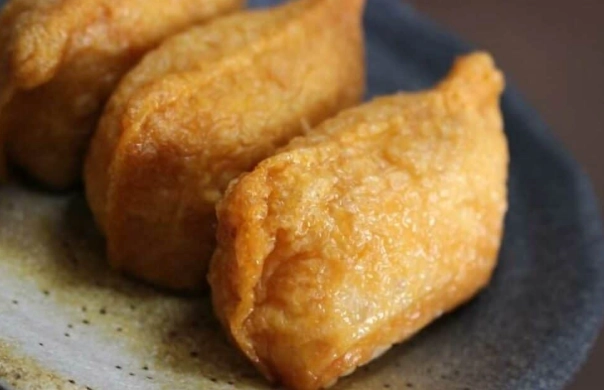
Quick Navigation
What is Inari Sushi? More Than Just a Snack
At its core, inari sushi (稲荷寿司, いなり寿司) is seasoned sushi rice tucked inside a marinated, deep-fried tofu pouch called aburaage. The pouch itself is simmered in a mixture of soy sauce, sugar, and mirin until it becomes sweet, savory, and incredibly tender. The rice is typically sushi rice, sometimes lightly seasoned with sesame seeds or finely chopped carrots and shiitake mushrooms.
But here's what most articles don't tell you: the name comes from the Shinto god Inari, the deity of rice, fertility, and foxes. Foxes (kitsune) are considered Inari's messengers, and folklore says they have a fondness for fried tofu. That's why inari sushi is sometimes called kitsune sushi. You'll often see it offered at Inari shrines across Japan. It's not just food; it's a little edible offering, a piece of cultural symbolism you're holding in your hand.
A note on texture: The magic of a great inari sushi lies in the contrast. The pouch should be slightly chewy yet yielding, not leathery. The rice should be tender and separate, not a dense, packed ball. When you bite, the sweet-salty pouch and the mild, vinegared rice should merge perfectly. If the pouch is tough or the rice is mush, someone skipped a few steps.
How to Make Inari Sushi at Home: A Foolproof Recipe
Making inari sushi is one of the most accessible entry points into Japanese cooking. You don't need a sushi mat. You don't need to handle raw fish. The ingredients are simple. Yet, this is where most home cooks go wrong. They buy pre-seasoned pouches from an Asian grocery store (which are often cloyingly sweet) and stuff them with plain rice. The result is bland and one-dimensional.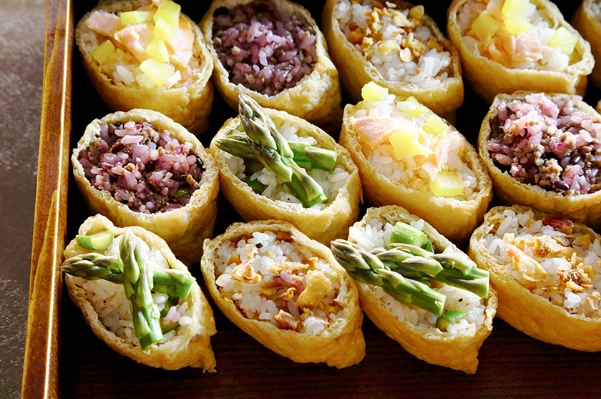
Let's do it right. You need two components: the seasoned tofu pouches and the sushi rice.
Part 1: Simmering the Perfect Tofu Pouch (Aburaage)
You can find pre-cut, blank aburaage pouches in the freezer or refrigerated section of a Japanese grocery store. If you only find flat sheets, you'll need to cut and form them into pouches—a bit more work, but doable.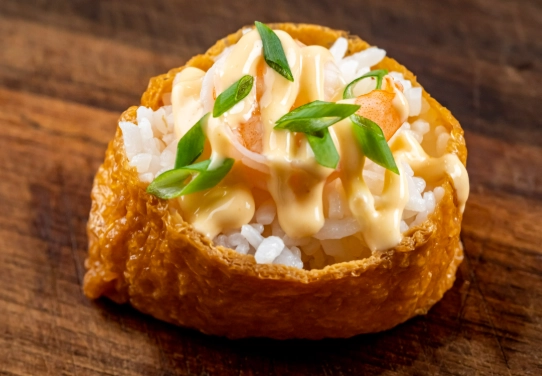
The simmering liquid (tsuyu) is everything. The classic ratio is equal parts soy sauce, mirin, and sugar, diluted with water or dashi. But I find that too sweet. My adjusted ratio, after years of tweaking, leans more savory.
| Ingredient | Quantity | Purpose & Tip |
|---|---|---|
| Aburaage (tofu pouches) | 10 pieces | Rinse briefly with hot water to remove excess oil. |
| Water or Dashi | 1 ½ cups | Dashi (like kombu dashi) adds incredible umami depth. |
| Soy Sauce | 3 tablespoons | Use a standard Japanese soy sauce like Kikkoman. |
| Mirin | 2 tablespoons | Real mirin, not "mirin-type seasoning." It adds a complex sweetness. |
| Sugar | 1 ½ tablespoons | Adjust to your taste. Start with less; you can add more. |
The biggest mistake? Rushing the simmer. Combine all the simmering ingredients in a pan wide enough to hold the pouches in a single layer. Add the pouches. Bring it to a gentle simmer over medium heat, then immediately reduce to the lowest possible heat. Cover with a drop-lid (otoshibuta) or a circle of parchment paper to keep the pouches submerged. Let it bubble softly for 25-30 minutes. Don't boil it hard—that makes the pouches tough and the flavor harsh. Turn off the heat and let them cool in the liquid. This slow cooling lets them absorb the flavor deeply. They should be a uniform, deep amber color.
Part 2: The Rice and Assembly
Cook 2 cups of Japanese short-grain rice as you normally would. For the sushi vinegar, mix 3 tablespoons rice vinegar, 2 tablespoons sugar, and 1 teaspoon salt. Heat gently to dissolve. Fold this into the hot, cooked rice and let it cool to room temperature. Some people add toasted white sesame seeds or very finely minced kampyo (rehydrated gourd strips) for texture.
Now, to stuff them. Gently squeeze the excess simmering liquid from a pouch. Open it with your fingers. Take a small handful of rice—about 1.5 to 2 tablespoons. Lightly form it into an oval, but don't compact it. Gently place it inside the pouch and press just enough so the rice takes up about 80% of the space. Don't overfill it! The top should be open, showing the rice. The pouch should look plump and happy, not bursting at the seams.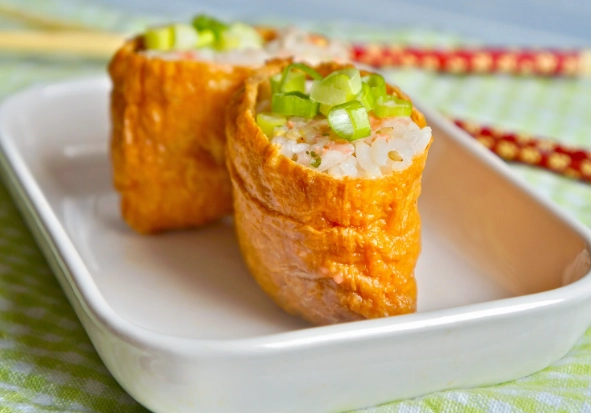
Let them sit for 10 minutes before serving. This lets the flavors marry.
Where to Eat Amazing Inari Sushi: Tokyo & Beyond
While homemade is great, tasting master-crafted inari sushi is an experience. It's a staple at sushi restaurants, but dedicated shops take it to another level. Here are a few standout places, because you need specifics, not just vague recommendations.
- Abura-ya (Tokyo, Asakusa): This tiny, decades-old shop near Senso-ji Temple specializes in aburaage. Their inari sushi is the benchmark. The pouches are simmered for hours in a secret, multi-generational broth. They're darker, more complex, and less sweet than average. You buy them by the piece (around 120 yen each) from a small window. Address: 1-39-12 Asakusa, Taito-ku. Open 10:00-18:00, closed Wednesdays. Cash only. It's not fancy, it's authentic.
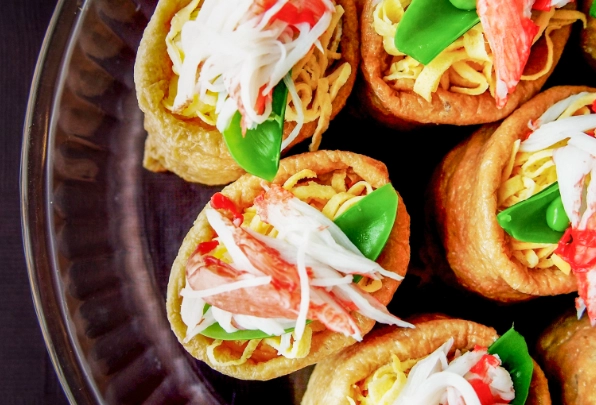
- Inariya (Tokyo, Multiple Locations): A small chain dedicated to inari. They offer variety—classic, mixed-grain rice, even ones stuffed with tuna mayo or ikura. Their classic is excellent: a perfect sweet-savory balance. The Ginza branch is convenient. Prices range from 150 to 250 yen per piece. They also sell simmered pouches to take home.
- At a Sushi Restaurant: Don't skip it on the menu. A high-end sushi chef's inari is often a subtle masterpiece. The rice seasoning is precise, and the pouch is typically made in-house. At Sushi Saito in Tokyo (if you can get a reservation), the inari is famously simple and perfect, served at the end of the meal as a palate-cleansing treat.
Outside Tokyo, look for it at Inari shrines, like the famous Fushimi Inari Taisha in Kyoto. The stalls near the entrance often sell it, and eating it there feels connected to the tradition.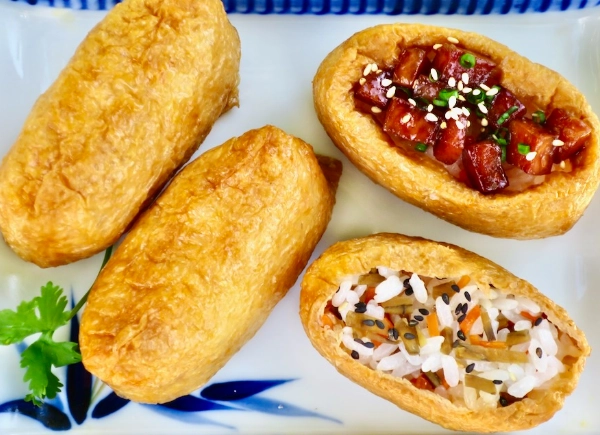
Your Inari Sushi Questions Answered
So there you have it. Inari sushi is far from a simple side dish. It's a bite-sized package of culture, technique, and comforting flavor. Whether you're making it at home with careful attention to the simmer, or seeking out a legendary version in Tokyo, you're now equipped to appreciate every subtle detail. Skip the bland buffet version. Go find—or create—the real thing.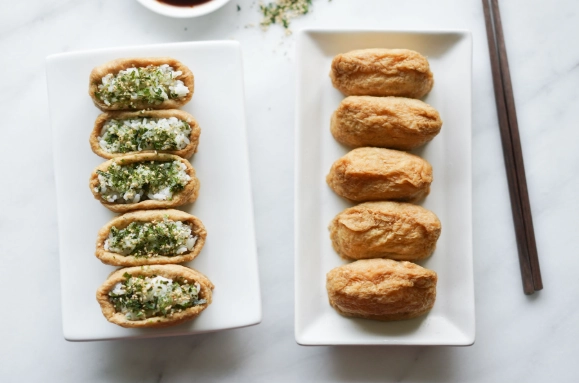
Reader Comments