You see those beautiful bowls of ramen, the artful sushi, the delicate multi-course kaiseki meals. It looks impossible, right? Like you need a decade of training and a kitchen full of specialized tools. I thought the same thing for years. Then I lived in a tiny apartment in Osaka, watched how my neighbors actually cooked on weeknights, and had a revelation. Real, everyday Japanese home cooking—the stuff that fuels people's lives—is built on simplicity, a handful of core ingredients, and smart shortcuts. It's some of the easiest, most satisfying food you can make. This isn't about replicating a sushi master's work. It's about getting a delicious, balanced, genuinely Japanese meal on your table with confidence and without stress.
Your Quick Guide to Easy Japanese Cooking
The 5-Ingredient Japanese Pantry (Forget the Rest)
Walk down the Japanese aisle at a big supermarket and it's overwhelming. Do you need bonito flakes? Seven types of seaweed? Ponzu? Not to start. You need a foundation. With these five items, you can make about 80% of classic home dishes.
Soy Sauce (Shoyu): Get a standard koikuchi soy sauce like Kikkoman or Yamasa. Don't overthink "light" or "dark" yet. This is your salt and umami.
Mirin: This is the secret weapon. A sweet rice wine that adds a glossy sheen and complex sweetness. Crucial for teriyaki. Here's the insider tip most blogs miss: there's "hon mirin" (true mirin, about 14% alcohol, more complex) and "aji-mirin" (seasoned mirin, lower alcohol, sweeter, more common). For ease and availability, start with aji-mirin like Takara or Hinode. It's fine. Just know it's sweeter, so adjust sugar in recipes down a touch.
Sake (Cooking Sake): Not your drinking sake. Cheap cooking sake is perfect. It tenderizes meat and cuts fishy smells. If you can't find it, dry sherry is a decent sub.
Dashi: The soul. This is the broth base. Making it from scratch with kombu and bonito is wonderful, but for "easy Japanese food," instant dashi granules (like Hondashi) are your best friend. It's like Japanese bouillon. One teaspoon in hot water and you have the base for miso soup, noodle soups, and simmered dishes.
Miso Paste: Start with a yellow or white miso (shiro miso). It's milder, sweeter, and versatile for soups, dressings, and glazes.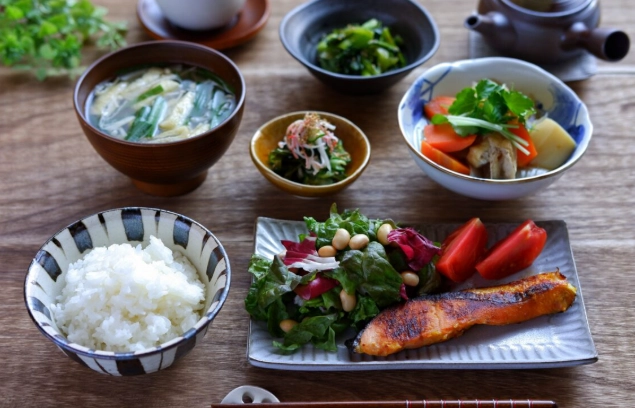
Where to Buy: If your local grocery fails you, Asian supermarkets are a treasure trove. For online shopping, websites like Yamibuy or even Amazon carry all these staples. Brands like Kikkoman (soy sauce), Takara (mirin), and Marukin (miso) are widely available and reliable.
Your First Three Dishes: No-Fail Starting Points
Don't try to make ramen from scratch on day one. These three dishes teach you the core techniques and flavors with almost zero chance of failure.
1. Miso Soup (5 Minutes)
Heat a cup of water with 1 tsp instant dashi granules until nearly boiling. Turn off the heat. In a separate bowl, dissolve 1 tbsp miso paste in a few spoonfuls of the hot dashi. Stir this back into the pot. Add cubed silken tofu and a pinch of dried wakame seaweed (it rehydrates instantly). That's it. You've just made the most fundamental Japanese dish. The key is never boiling the miso—it kills the probiotics and muddies the flavor.
2. Tamagoyaki (Japanese Rolled Omelette)
Beat 3 eggs with 1 tbsp sugar, 1 tsp soy sauce, and 1 tsp mirin. Heat a pan (a rectangular tamagoyaki pan is ideal, but a small non-stick works) with a thin layer of oil. Pour in a third of the egg mix, let it set, roll it to one side. Add more oil, pour another third, lift the first roll to let new egg flow under, set, and roll again. Repeat. You get a sweet-savory, layered log. Slice it. It's fantastic hot or cold in a bento. My first one looked like a scrambled egg burrito—tasted amazing anyway.
3. Teriyaki Chicken (The Real Way)
Here's the common mistake: drowning chicken in a store-bought bottle of sugary gloop. The real method is simpler. Pan-fry chicken thighs until browned. Remove. In the same pan, add 2 tbsp each of soy sauce, mirin, and sake, plus 1 tbsp sugar. Let it simmer and reduce for 2-3 minutes until slightly syrupy. Add the chicken back, spoon the sauce over it until glazed. The sauce reduces and clings to the chicken, instead of the chicken swimming in a thin pool.
The Ultimate Weeknight Hero: The Donburi Rice Bowl
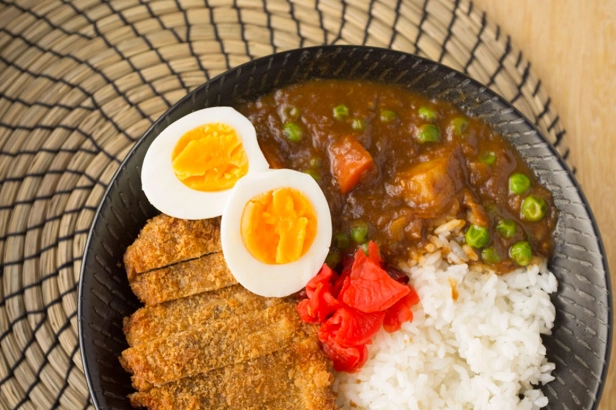
This is the concept that will save you on busy nights. Donburi just means "stuff on rice." Cook a batch of short-grain rice. Top it with any one of these easy preparations.
| Donburi Type | Main Topping | Sauce/Seasoning | Prep Time |
|---|---|---|---|
| Oyako-don | Chicken & Egg | Dashi, soy, mirin, sugar simmered with onions, then egg poured over. | 15 mins |
| Gyudon | Beef & Onions | Thinly sliced beef and onions simmered in a mix of dashi, soy, mirin, sugar. | 20 mins |
| Tenshindon | Crab & Egg | A crab-meat omelette placed on rice, topped with a thickened soy-based sauce. | 15 mins |
| Sake-don | Salmon | Pan-seared or baked salmon, flaked over rice. Drizzle with soy & a bit of mayo. | 20 mins |
The formula is always: savory-sweet simmering sauce + quick-cooking protein + maybe an egg + rice. It's a complete meal in one bowl. Chains like Yoshinoya and Sukiya have built empires on this simplicity.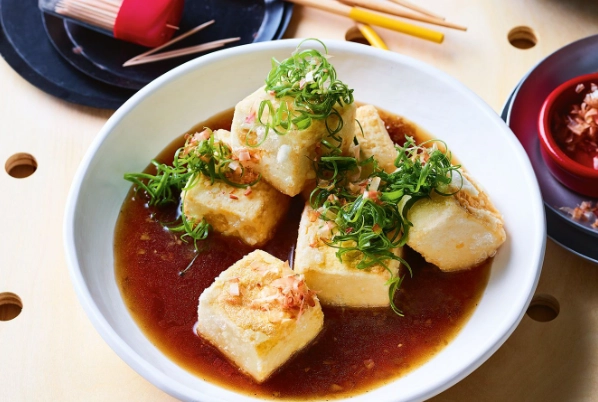
Where Most Beginners Go Wrong (And How to Skip It)
After helping friends start their Japanese cooking journey, I see the same stumbles.
Pitfall 1: Using the wrong rice. Long-grain jasmine or basmati won't give you that sticky, clingy texture needed for bowls and sushi. You need Japanese short-grain rice (often labeled "sushi rice"). Brands like Nishiki or Kokuho Rose are easy to find. Wash it until the water runs almost clear—this removes excess starch for better texture.
Pitfall 2: Overcomplicating sushi at home. Don't start with raw fish. Make temaki (hand rolls). Cook some crab sticks, slice cucumber and avocado. Lay a sheet of nori, spread a bit of rice, add fillings, and roll it into a cone with your hands. Dip in soy sauce. It's fun, interactive, and foolproof. The perfectionism around tight maki rolls can wait.
Pitfall 3: Skipping the side dishes. A Japanese meal feels complete with a soup, a main, and a small side or two (okazu). This doesn't mean more work. A simple sunomono (cucumber salad) is just sliced cucumber salted, squeezed, and tossed with rice vinegar and a dash of sugar and soy sauce. It takes 5 minutes and adds that crucial refreshing element.
A Simple 3-Day Japanese Meal Prep Plan
Let's make this actionable. Here's a plan for three weekday dinners.
Prep Day (Sunday, 45 minutes):
- Cook 4 cups of Japanese short-grain rice. Let it cool, portion into 3 containers, refrigerate or freeze.
- Make a batch of teriyaki sauce (equal parts soy, mirin, sake, half-part sugar, simmered 5 min). Store in a jar.
- Slice 1 onion and 2 chicken breasts. Store separately.
- Whisk 4 eggs for tamagoyaki, store in a pitcher.
Monday: Teriyaki Chicken Donburi. Reheat a portion of rice. Quickly pan-fry the pre-sliced chicken, add a few spoonfuls of your pre-made sauce to glaze. Place over rice with steamed broccoli.
Tuesday: Oyako-don. Reheat rice. Simmer sliced onion in dashi/soy/mirin. Add pre-sliced chicken to cook through. Pour over the pre-whisked egg, cover until just set. Slide over rice.
Wednesday: Bento Night. Reheat rice and leftover teriyaki chicken. Make a quick tamagoyaki with the remaining egg mix. Pack with cherry tomatoes and the cucumber sunomono you make fresh in 5 minutes.
See? It's systematic, not stressful.
Your Questions, Answered
The biggest barrier to easy Japanese food isn't skill—it's the belief that it has to be difficult. It doesn't. Stock those five pantry items, try the three starter dishes, and embrace the rice bowl. Before you know it, you'll be tweaking recipes, trying new things, and realizing that the heart of Japanese cooking at home is about simplicity, balance, and feeding yourself well. Give it a shot this week.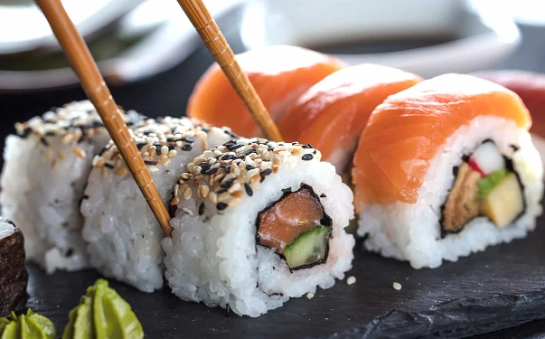
Reader Comments