Jump Straight to What Matters
- What Exactly is Shoyu Ramen?
- Where Did Shoyu Ramen Come From?
- Breaking Down the Bowl: Broth, Noodles, Toppings
- My Top Picks for Shoyu Ramen in Tokyo
- Making Shoyu Ramen in Your Kitchen
- Avoid These Shoyu Ramen Blunders
- Shoyu vs. Miso vs. Tonkotsu: Spot the Difference
- Your Shoyu Ramen Questions Answered
Let's cut to the chase. Shoyu ramen isn't just another noodle soup—it's a delicate balance of soy sauce, broth, and texture that defines Tokyo's food scene. I remember my first bowl at a tiny shop in Shinjuku. The broth was clear but packed with flavor, and the noodles had this perfect chew. I've spent years exploring ramen across Japan, and shoyu remains my go-to for its simplicity and depth.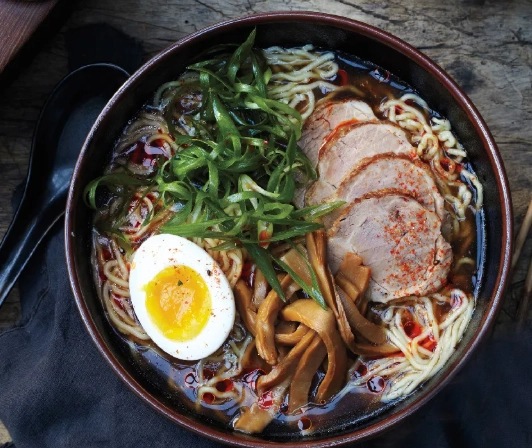
This guide pulls from that experience. We'll cover the basics, dive into specifics, and I'll share some insider tips most blogs miss.
What Exactly is Shoyu Ramen?
Shoyu ramen is a Japanese noodle soup where the key seasoning is soy sauce (shoyu in Japanese). Unlike richer styles like tonkotsu, it typically features a clear, brownish broth made from chicken or pork bones, combined with a soy sauce-based tare (seasoning sauce). The result? A lighter, savory bowl that highlights umami without overwhelming heaviness.
It's often called Tokyo-style ramen because it originated there. But don't let "light" fool you—the flavor is complex, with notes from dashi, mirin, and sometimes sake.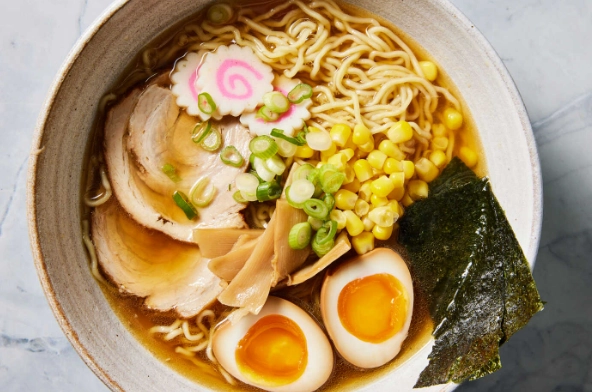
Where Did Shoyu Ramen Come From?
Ramen itself has Chinese roots, but shoyu ramen is a Japanese adaptation that took off in the early 20th century. According to historical records from the Ramen Museum in Yokohama, it started in Tokyo around 1910 when chefs began serving Chinese-style noodles with a soy sauce twist to suit local tastes.
Post-World War II, it became a staple cheap meal. Over time, vendors refined it, adding ingredients like katsuobushi (dried bonito) for depth. Today, it's a classic, with variations across regions.
Breaking Down the Bowl: Broth, Noodles, Toppings
Every shoyu ramen has three core components. Get these right, and you're golden.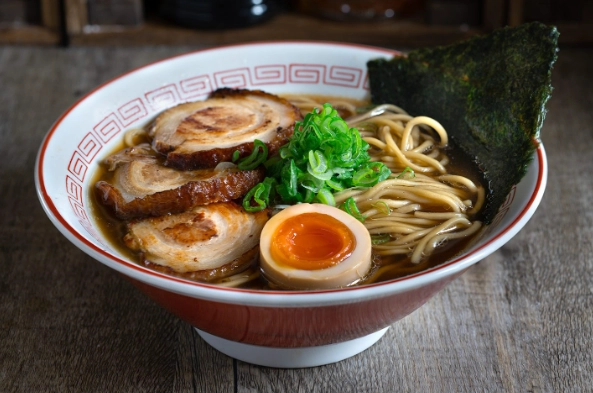
The Broth: Clear but Flavorful
The broth is usually a blend. A common method involves simmering chicken carcasses or pork bones for 4-6 hours to extract collagen, then mixing with a dashi made from kombu (kelp) and katsuobushi. This dual approach keeps it clear while adding umami. Some shops, like those in the Japan Ramen Association, swear by using whole chickens for a cleaner taste.
I've seen home cooks rush this—simmering for just an hour leaves the broth weak. Patience is key.
The Noodles: Firm and Alkaline
Shoyu ramen noodles are typically medium-thin, straight, and made with kansui (alkaline water). This gives them a yellow hue and firm texture. They're cooked al dente to stand up to the hot broth. If you're making it at home, don't use udon or soba—it'll taste off. Look for fresh chukamen noodles at Asian markets.
The Toppings: Simple and Classic
Standard toppings include chashu (braised pork belly), menma (fermented bamboo shoots), nori (seaweed), ajitsuke tamago (marinated soft-boiled egg), and green onions. Some places add spinach or narutomaki (fish cake). Keep it minimal; shoyu ramen is about harmony, not overload.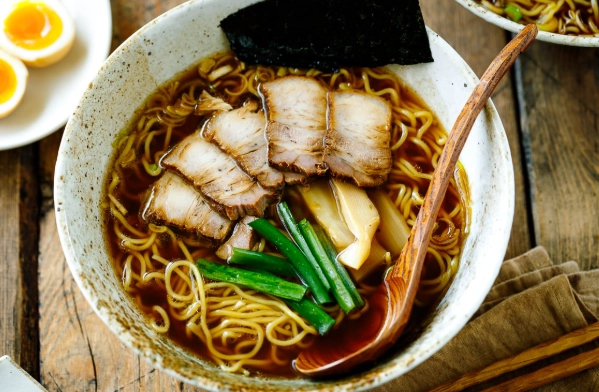
Pro tip: Always add nori last to prevent sogginess. I learned this the hard way after a disappointing bowl where the seaweed turned mushy.
My Top Picks for Shoyu Ramen in Tokyo
If you're in Tokyo, skip the tourist traps. Here are three spots I return to, based on multiple visits and local buzz. Prices are approximate as of recent visits.
| Restaurant | Address | Signature Dish | Price Range | Hours | Why It Stands Out |
|---|---|---|---|---|---|
| Ichiran Shibuya | 1-22-7 Jinnan, Shibuya City | Classic Shoyu Ramen | ¥900-¥1,200 | 24/7 | Consistent quality, customizable broth richness |
| Ramen Hayashida | 2-5-8 Shinjuku, Shinjuku City | Shoyu Chashu Men | ¥1,000-¥1,500 | 11 AM-10 PM | Rich double broth, tender chashu melts in your mouth |
| Tsukemen Gonokami Seisakusho | 3-31-5 Asakusa, Taito City | Shoyu Tsukemen (dipping noodles) | ¥1,200-¥1,800 | 10 AM-8 PM | Unique dipping style, intense soy sauce flavor |
Ichiran is a chain, but their shoyu ramen is reliable—great for beginners. Hayashida feels more authentic, with a broth that's simmered overnight. Gonokami offers a twist with tsukemen, where you dip noodles in concentrated shoyu broth. It's heavier, but worth trying.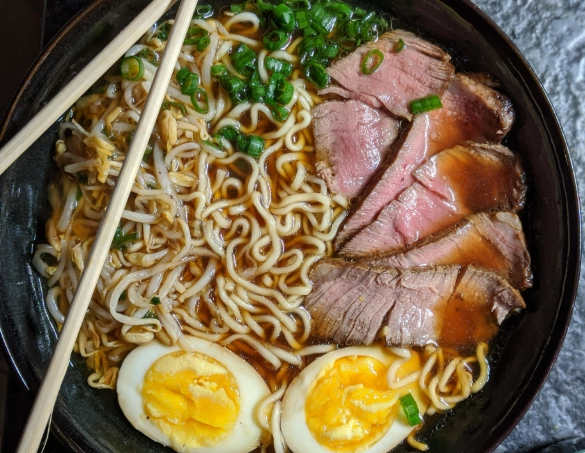
I found Hayashida's chashu a bit too fatty once, so if you're health-conscious, ask for leaner cuts.
Making Shoyu Ramen in Your Kitchen
Want to recreate it? Here's a simplified recipe that captures the essence. It takes time, but the results beat most instant versions.
Ingredients (for 4 bowls):
- Broth: 1 whole chicken (about 2 lbs), 2 liters water, 1 piece kombu, 10g katsuobushi
- Tare: ½ cup soy sauce, 2 tbsp mirin, 1 tbsp sake, 1 tsp sugar
- Noodles: 400g fresh ramen noodles
- Toppings: 4 soft-boiled eggs, 200g chashu, 4 sheets nori, green onions
Steps:
1. Make the broth: Simmer chicken in water for 4 hours on low heat. Skim impurities. In a separate pot, soak kombu in 500ml water for 30 minutes, heat gently, remove kombu, add katsuobushi, simmer 5 minutes, strain. Combine broths.
2. Prepare tare: Mix soy sauce, mirin, sake, and sugar in a pan. Heat until sugar dissolves, cool.
3. Cook noodles: Boil according to package—usually 2-3 minutes. Rinse under cold water to stop cooking.
4. Assemble: In each bowl, add 2 tbsp tare, pour hot broth, add noodles, top with sliced chashu, halved egg, nori, and green onions.
This method mirrors what I've seen in ramen shops. The dual broth adds depth without cloudiness. If you're short on time, use store-bought dashi powder, but fresh tastes better.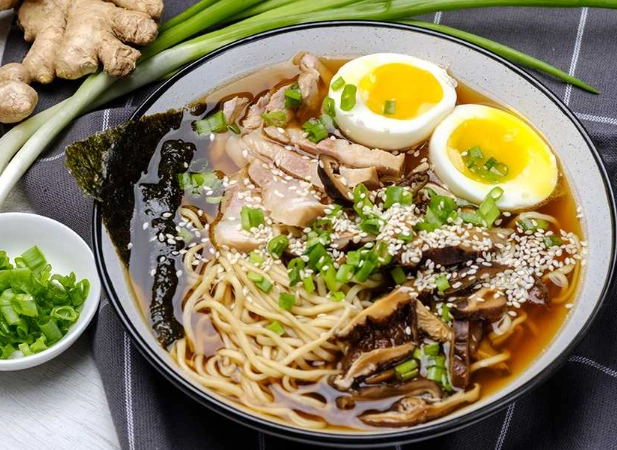
Avoid These Shoyu Ramen Blunders
After years of eating and making ramen, I've spotted common errors. Here's what to watch for.
Over-salting the broth: Shoyu tare is already salty. Taste before adding extra soy sauce—I've ruined bowls by being heavy-handed.
Using the wrong noodles: Spaghetti or instant ramen noodles turn soggy. Stick to alkaline noodles for that chew.
Skipping dashi: Some recipes omit dashi for simplicity, but it's crucial for umami. As noted in resources like the Japan Food Culture Association, dashi is a backbone of Japanese cuisine.
Overcooking toppings: Chashu should be tender, not dry. Simmer it slowly in soy sauce and mirin for at least an hour.
Shoyu vs. Miso vs. Tonkotsu: Spot the Difference
New to ramen? Here's a quick breakdown. Shoyu uses soy sauce tare, resulting in a clear, savory broth. Miso ramen has a fermented soybean paste base—thicker and richer, often from Hokkaido. Tonkotsu is pork bone broth, creamy and white, popular in Kyushu.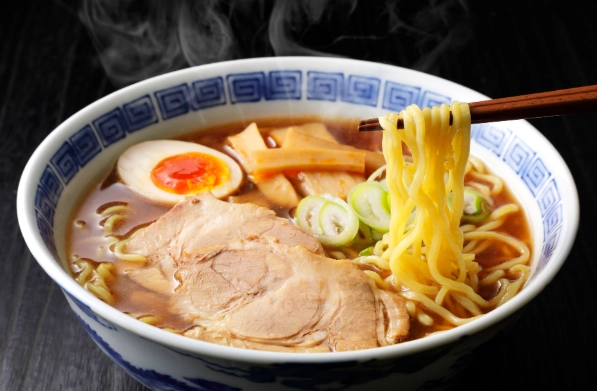
Shoyu is the lightest of the three, but don't equate light with bland. It's all about subtlety.
Your Shoyu Ramen Questions Answered
That's it—a deep dive into shoyu ramen. Whether you're slurping in Tokyo or experimenting at home, focus on balance. Start with a good broth, don't rush, and enjoy the process. Ramen is more than food; it's a craft.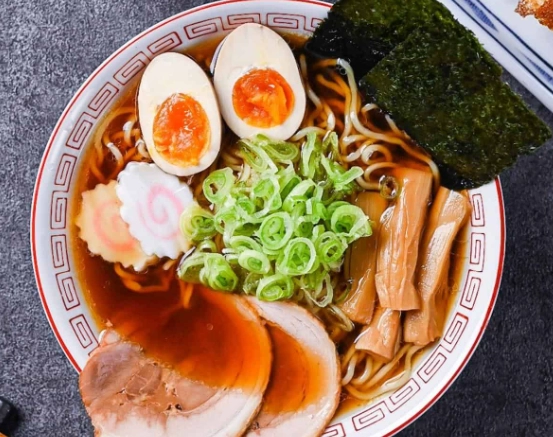
Reader Comments