Let's be honest. A salad can be the most exciting part of a meal, or it can be a sad, soggy afterthought. What makes the difference? Nine times out of ten, it's the dressing. And if you're tired of the same old vinaigrette or ranch, let me introduce you to your salad's new best friend: sesame sauce.
Quick Navigation
- Why Sesame Sauce is a Salad Game-Changer
- Your Home Kitchen Guide: Making Sesame Sauce from Scratch
- The Store-Bought Aisle: Navigating the Bottled Jungle
- Beyond the Bowl: Creative Uses for Your Sesame Sauce
- The Health Angle: Is Sesame Dressing Actually Good For You?
- Fixing Common Sesame Sauce Disasters
- Your Sesame Sauce Questions, Answered
- Final Thoughts: Embracing the Sesame Life
I'm not just talking about a drizzle of tahini. A great sesame sauce for salad is a complex, savory, slightly sweet, and utterly addictive concoction that can transform a bowl of lettuce into something you actually crave. It's the secret weapon in many Asian cuisines, and once you know how to make it or buy the right one, you'll never look at a salad the same way again.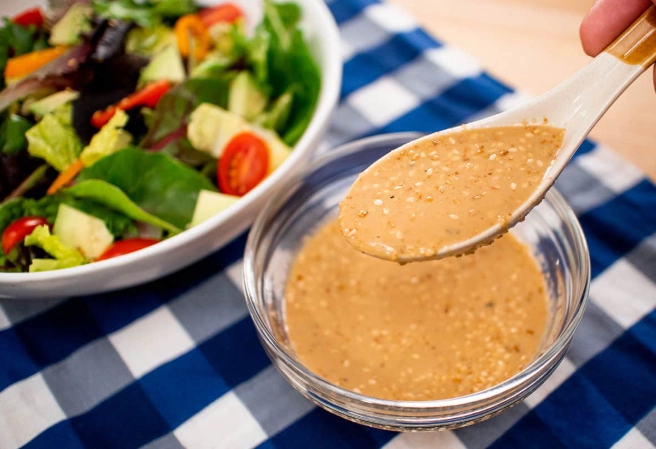
I used to buy bottled dressings that promised "Asian sesame" flavor, only to be disappointed by a one-note, overly sweet, or weirdly artificial taste. It was frustrating.
So, I started experimenting. I talked to chefs, read old cookbooks, and went through more bottles of soy sauce and sesame oil than I care to admit. What I found is that creating an amazing sesame sauce for salad isn't hard, but there are a few key things that most recipes and products get wrong.
Why Sesame Sauce is a Salad Game-Changer
First off, why bother? Well, texture and flavor. A good sesame dressing is creamy without dairy, rich without being heavy, and packs a ton of umami. It clings to every leaf, cucumber slice, and shred of carrot, delivering flavor in every bite. Unlike oil-and-vinegar dressings that can pool at the bottom, a well-emulsified sesame dressing for salad coats evenly.
It's also incredibly versatile. Think beyond green salads. It's a knockout on cold noodle salads, a brilliant dip for spring rolls, and a marinade for grilled chicken or tofu that you'll want to put on everything.
Quick Tip: The magic of sesame in dressings isn't new. Cultures around the Mediterranean, Middle East, and East Asia have been using ground sesame (tahini, zhīma jiàng) as a base for sauces and dips for centuries. It's a classic for a reason.
Your Home Kitchen Guide: Making Sesame Sauce from Scratch
Making your own is the best way to control flavor, texture, and ingredients. You can adjust the sweetness, acidity, and saltiness to your exact taste. The base ingredients are simple, but the variations are endless.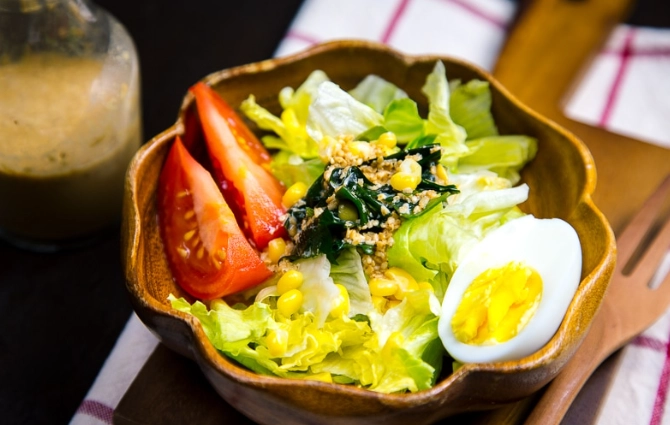
The Non-Negotiable Core Ingredients
Every great homemade sesame sauce for salad starts with a solid foundation. Forget the complicated lists; you only need a few stars.
- Sesame Paste: This is your main character. You have two primary choices: Tahini (hulled, lighter in color and flavor, common in Middle Eastern cuisine) and Asian Sesame Paste (often made from toasted sesame seeds, darker, richer, and nuttier). For that deep, restaurant-style flavor, I strongly prefer the Asian toasted version. The difference is night and day. Look for it in Asian grocery stores or online. If you can only find tahini, it'll work, but you might want to boost the toasted flavor with a bit more sesame oil.
- Sesame Oil: The flavor amplifier. Use a toasted sesame oil. This isn't the oil for cooking at high heat; it's a finishing oil with an intense, nutty aroma. A little goes a very long way. Kadoya and Ottogi are reliable brands.
- Acid: Rice vinegar is the classic choice—it's mild and slightly sweet. Black vinegar adds a fantastic malty complexity. In a pinch, seasoned rice vinegar or even a mild apple cider vinegar can work.
- Salty & Umami: Soy sauce (or tamari for gluten-free) is essential. For extra depth, a tiny bit of miso paste or even a dash of fish sauce (don't knock it till you try it) is incredible.
- Sweetener: Balances the acidity and salt. Sugar, honey, agave, or mirin (sweet rice wine) all work. Mirin is my favorite for its subtle flavor.
- Liquid: Water or a neutral broth to thin the sauce to a drizzle-able consistency.
Got all that? Good. Now, let's break it down into a foolproof recipe.
The Classic, No-Fail Recipe
This is my go-to, weeknight version. It takes 5 minutes and beats any bottle I've bought.
- 1/4 cup Asian toasted sesame paste
- 2 tablespoons rice vinegar
- 1 1/2 tablespoons soy sauce
- 1 tablespoon honey or sugar
- 1 tablespoon toasted sesame oil
- 1 small clove garlic, finely minced (optional but recommended)
- 1-2 teaspoons fresh grated ginger (optional)
- 3-4 tablespoons warm water
Method: Whisk everything except the water together in a bowl until smooth. It might look seized up at first—that's normal. Gradually add the warm water, whisking constantly, until it reaches a smooth, creamy, pourable consistency. Taste. Want it tangier? Add a splash more vinegar. Sweeter? A pinch more honey. This is your canvas.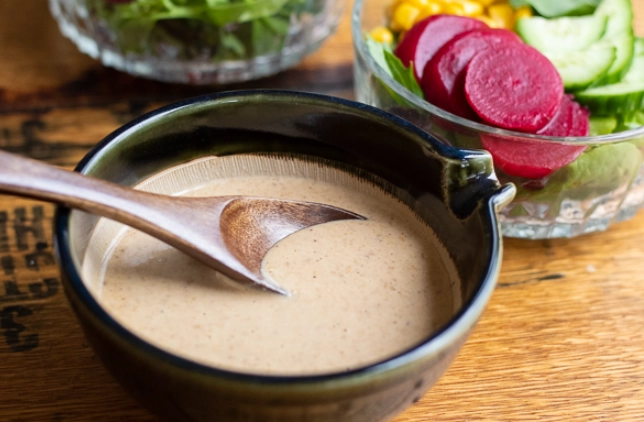
Common Mistake Alert: Adding cold water to thick sesame paste will make it clump and separate. Always use warm water to help it emulsify smoothly. If your sauce does separate, just whisk it vigorously again or give it a quick blitz in a small blender.
Leveling Up: Flavor Variations to Try
The basic recipe is a launchpad. Here are some twists that make it feel like a whole new sesame sauce for salad.
- Spicy Sichuan: Add 1-2 teaspoons of chili crisp or Lao Gan Ma, and a few drops of Sichuan peppercorn oil. It's addictive.
- Citrus Zing: Replace half the rice vinegar with fresh lime or yuzu juice. Bright and perfect for summer salads.
- Creamy Peanut-Sesame: Add a tablespoon of smooth peanut butter along with the sesame paste. It creates an incredibly rich, satay-like sauce that's great for hearty salads with cabbage and noodles.
- Green Goddess Sesame: Blend the finished dressing with a handful of fresh cilantro, basil, or even a bit of spinach. It turns a vibrant green and gets a fresh herb kick.
The Store-Bought Aisle: Navigating the Bottled Jungle
I get it. Sometimes you just don't have the time or energy to whisk. The store-bought market for sesame salad dressing is huge, but quality is all over the map. Some are glorified sugar syrup with a hint of sesame.
Here’s what I look for (and avoid) when buying a bottle.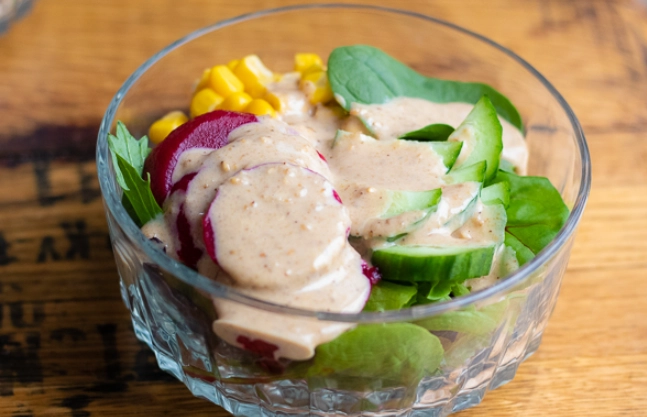
What to Look For: Sesame paste or tahini listed high in the ingredients (not just sesame oil). A reasonable sugar content (aim for under 5g per serving). Natural acids like vinegar. A short, recognizable ingredient list.
Red Flags: High-fructose corn syrup as a top ingredient. A lot of artificial thickeners (xanthan gum is okay in small amounts, but a list of multiple gums is a pass). "Natural flavors" as a primary sesame flavor source. An oil layer separated at the top that doesn't re-mix easily—it often means poor emulsification.
To save you some trial and error (and wasted money), here's a quick comparison of a few widely available brands based on my own fridge-tests.
| Brand Name | Best For | Taste Profile | Biggest Pro | Biggest Con |
|---|---|---|---|---|
| Makoto Ginger Sesame | Green salads, slaws | Bright, gingery, tangy, less sweet | Clean ingredient list, great ginger flavor | Can be a bit thin/watery |
| Annie's Naturals Sesame Shitake | Asian-inspired noodle salads | Earthy, umami-rich, savory | Unique shitake flavor, organic | Some find the mushroom flavor too strong |
| Briannas Home Style Asiago Sesame | Those who like creamy, rich dressings | Very creamy, cheesy, nutty | Unique flavor, clings well to salad | Contains dairy, not for purists |
| Kikkoman Sesame Miso | A quick, all-purpose option | Balanced sweet & savory, classic taste | Easily found, consistent flavor | Contains MSG (not a con for everyone) and can be sweet for some |
| Organicville Toasted Sesame Tahini | Health-conscious buyers | Mild, tahini-forward, less sweet | Organic, uses tahini, no refined sugar | Lacks the deep toastiness of Asian-style pastes |
My personal favorite for a store-bought, "I need it now" option is often Makoto's. It's got a decent balance. But honestly, after making my own for so long, most bottled versions taste either too sweet or too one-dimensional to me now.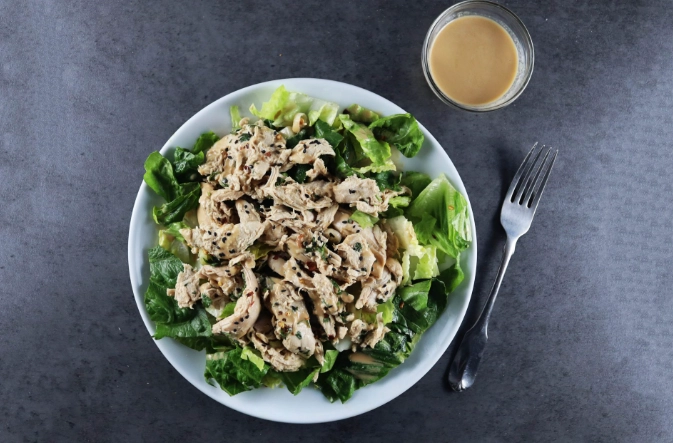
Beyond the Bowl: Creative Uses for Your Sesame Sauce
Once you have a jar of this magic, don't limit it to lettuce.
- Dip: For dumplings, potstickers, fresh spring rolls, or raw veggies. Just thin it out a little less.
- Marinade: For chicken thighs, salmon, or firm tofu. Let it sit for 30 minutes, then bake or grill.
- Noodle Sauce: Toss with cold soba or somen noodles, shredded chicken, and cucumbers for a perfect lunch.
- Drizzle: Over roasted broccoli, cauliflower, or sweet potatoes straight out of the oven. It's incredible.
- Sandwich Spread: Swap out mayo on a turkey or veggie sandwich for a serious upgrade.
The Health Angle: Is Sesame Dressing Actually Good For You?
Let's cut through the marketing. Sesame seeds themselves are nutritional powerhouses. According to the USDA FoodData Central, they're a good source of healthy fats, protein, fiber, and important minerals like calcium, iron, and magnesium. Sesame oil contains antioxidants like sesamol and sesamin.
But—and this is a big but—a dressing is more than just sesame.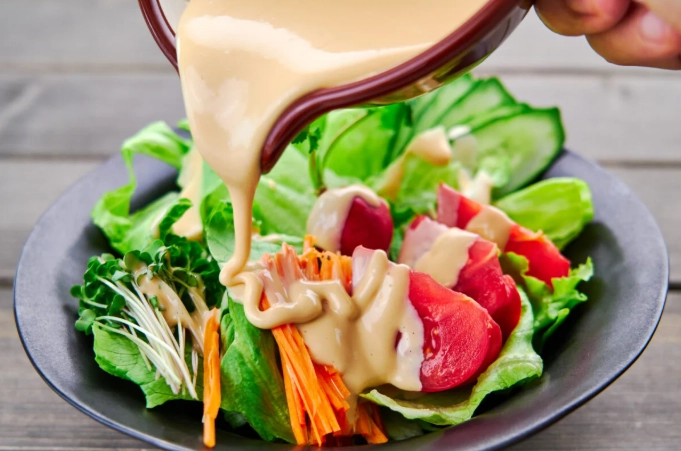
The health factor of your sesame sauce for salad depends entirely on what else is in it. A homemade version with controlled sugar and salt is a far cry from a bottled one where sugar or oil is the first ingredient.
The Good: The fats in sesame are primarily unsaturated. When you make it yourself, you're getting those benefits without a ton of additives. It can help you absorb fat-soluble vitamins (A, D, E, K) from your salad veggies.
What to Watch: Calories and sodium. Like any dressing, it's energy-dense. A couple of tablespoons is plenty. Store-bought versions can be sodium bombs. The FDA's guide to nutrition labels is a handy tool here—check the % Daily Value for sodium.
My take? It's a healthier choice than many creamy dairy-based dressings, but as with anything, portion matters. The real health win is that a delicious dressing makes you want to eat more vegetables, and that's always a good thing.
Fixing Common Sesame Sauce Disasters
Even with a simple recipe, things can go sideways. Here's how to salvage your sauce.
Problem: Sauce is too thick/chalky.
Fix: Whisk in more warm water, one teaspoon at a time. If it's still pasty, a tiny splash of neutral oil (like grapeseed) or even a bit more acid can help loosen it.
Problem: Sauce is too thin/runny.
Fix: You can't easily un-add water. Your best bet is to make another small batch of the base (without water) and whisk the runny sauce into it. Next time, add water more gradually!
Problem: Sauce is too bitter.
Fix: Bitterness usually comes from raw garlic or over-toasted sesame paste. Balance it with a bit more sweetener (honey works well) and acid. A pinch of salt can also help mask bitterness.
Problem: Sauce separates in the fridge.
Fix: This is normal for oil-based emulsions. Just take it out 10 minutes before using and give it a really good shake or whisk. Adding a tiny bit of mustard (Dijon or dry powder) to your initial mix can help stabilize it for longer.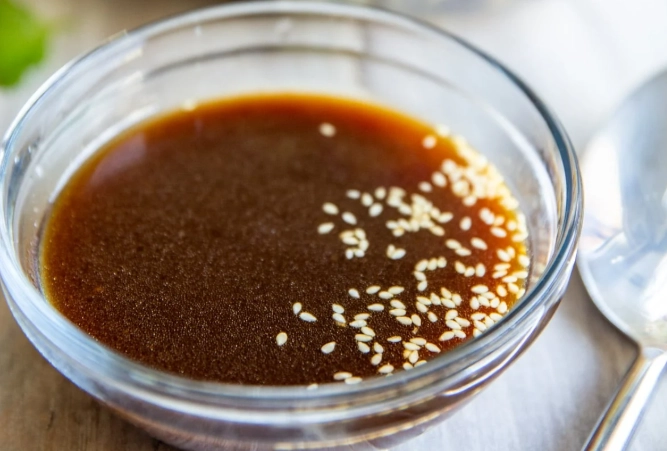
Your Sesame Sauce Questions, Answered
Final Thoughts: Embracing the Sesame Life
Finding the perfect sesame sauce for salad is a journey, but it's a delicious one. Whether you become a from-scratch purist or find a bottled brand you love, the goal is the same: to make your meals more enjoyable and your vegetables irresistible.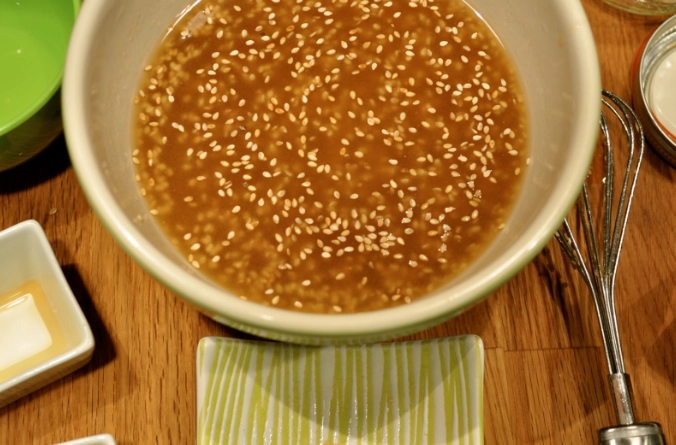
Start with the classic recipe I gave you. Play with it. Make it yours. Once you understand the balance, you'll never need a recipe again. You'll just know how to build that perfect, creamy, nutty, savory sauce that makes everyone ask, "What's in this dressing?"
And that's the best compliment a home cook (or salad enthusiast) can get.
Reader Comments