You walk into a sushi bar. The menu dazzles with toro, uni, and ebi. Tucked away in the corner, almost as an afterthought, you might see it: "Kanpyo Maki." Six pieces for a few dollars. It looks plain. Unassuming. Maybe you've skipped it, thinking it's just filler for vegetarians. I did too, for years.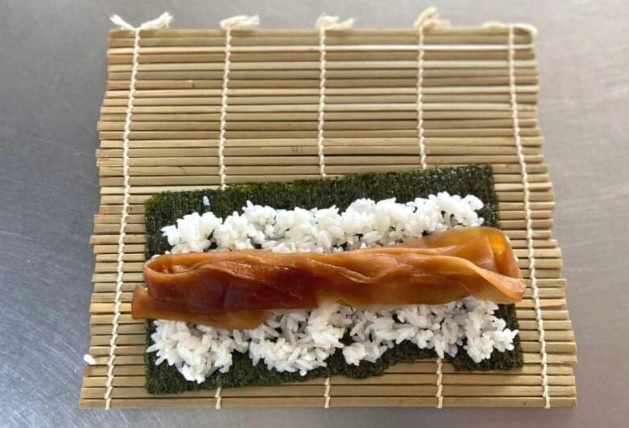
That was my mistake. After spending a decade exploring sushi bars from Tokyo's Tsukiji to back-alley spots in Osaka, I've learned that the kanpyo roll is a silent litmus test. It tells you more about a sushi chef's respect for tradition and foundational skill than any piece of otoro ever could. This isn't a roll you smother in soy sauce. It's one you savor, appreciating the quiet harmony of its few ingredients.
Let's get straight to it: a kanpyo roll is a hosomaki (thin roll) of sushi rice and nori, filled with simmered kanpyo—dried strips of calabash gourd. It's sweet, savory, slightly chewy, and utterly refreshing. But that description alone sells it short. The real story is in the technique, the history, and finding the good ones.
What's Inside This Guide
What Exactly Is a Kanpyo Roll? Breaking Down the Basics
Kanpyo (かんぴょう, 干瓢) is the star. It's the dried ribbon of a specific type of calabash gourd, a winter squash called fukube. The gourd is sliced, peeled into long strips, and dried in the sun. What you buy looks like pale, stiff ribbons or tangled nests. It has a shelf life that puts twinkies to shame, which made it a crucial preserved food in historical Japan.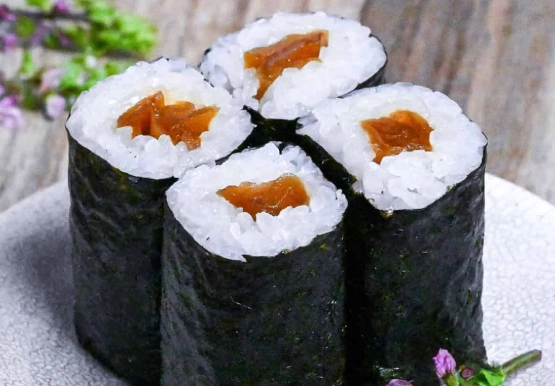
The process to make it edible is where the magic happens. You don't just soak it. You simmer it in a seasoned broth, typically a mix of dashi, soy sauce, mirin, and sugar. This transforms the tough, faintly earthy strip into a tender, sweet-salty, and slightly tangy filling. The flavor is mild but distinct—think of the sweetness of a simmered carrot, but with a more delicate, almost clean finish.
Why it matters: In the world of sushi, kanpyo is one of the classic neta (toppings/fillings). It's not an "alternative"; it's a cornerstone. Its simplicity means there's nowhere to hide. The rice has to be perfectly seasoned. The kanpyo has to be simmered just right—not too mushy, not too firm. The roll has to be tight. A chef who nails a kanpyo maki has mastered the fundamentals.
You'll also hear it called shinko maki. While some use the terms interchangeably, purists make a slight distinction. "Kanpyo maki" usually refers to the roll made with the standard sweet-simmered kanpyo. "Shinko maki" might imply the kanpyo has been pickled (shinko means "new fragrance"), giving it a tangier, more assertive punch. In most everyday sushi joints, they're the same thing.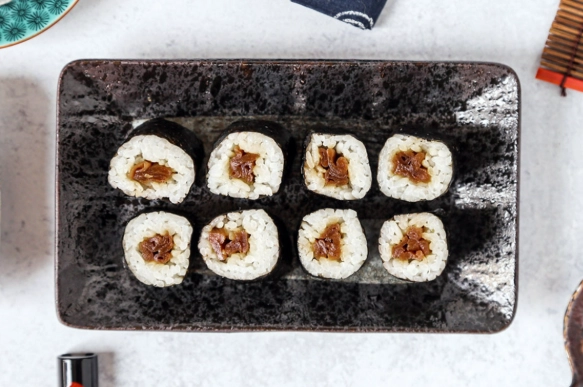
How to Make a Kanpyo Roll: A Step-by-Step Recipe with Pitfalls to Avoid
Making kanpyo roll at home is totally doable. It's also where most beginners, including my past self, mess up. The failure usually isn't catastrophic—it's just a soggy, loosely packed, bland roll. Let's fix that.
Ingredients (for 3-4 thin rolls):
- Dried Kanpyo: 20g (a small handful). Find it at Japanese or Asian grocery stores, often in the dried goods section.
- For Simmering: 1 cup dashi, 2 tbsp soy sauce, 2 tbsp mirin, 1.5 tbsp sugar.
- Sushi Rice: 2 cups cooked short-grain Japanese rice, seasoned with sushi vinegar (rice vinegar, sugar, salt).
- Nori: Half-sheets for hosomaki.
- Optional but recommended: A pinch of baking soda for soaking.
The Critical Step Most Recipes Gloss Over: Prepping the Kanpyo
Don't just toss it in water. Here's the method I learned from a sushi chef in Kyoto:
- Rinse the dried kanpyo quickly under cold water to remove any dust.
- Soak in a bowl of warm water with a tiny pinch of baking soda for 20-30 minutes. The baking soda is the secret—it helps break down the fibers and neutralize some of the stronger compounds, resulting in a milder flavor and more tender texture. Just a pinch; too much will make it mushy.
- Squeeze. After soaking, rinse the kanpyo again. Then, take handfuls and squeeze them dry with your hands. Seriously, get all the murky soaking water out. This is crucial.
- Simmer. In a small pot, combine the dashi, soy, mirin, and sugar. Add the kanpyo. Bring to a simmer, then lower the heat. Place an otoshibuta (a drop-lid, or use a circle of parchment paper) directly on the surface. This ensures even cooking and flavor absorption. Simmer for 15-20 minutes until tender and the liquid is mostly absorbed/evaporated.
- Squeeze (Again). Let it cool slightly, then squeeze out the excess simmering liquid. This step is non-negotiable. Wet kanpyo = soggy nori = failed roll. You want it moist but not dripping.
Rolling and Cutting: Where the Technique Shows
Spread your seasoned sushi rice on the nori, leaving a 1cm border at the top. Place a line of kanpyo strips down the center. Roll tightly using a bamboo mat, applying even pressure. The common mistake is being too gentle. You need a firm, compact cylinder.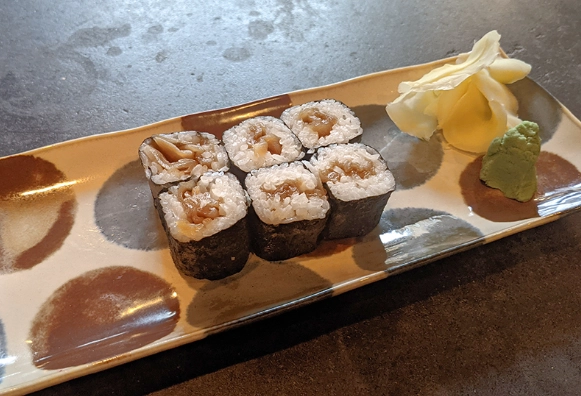
For cutting, wipe your sharp knife with a damp cloth between each cut. Don't saw. Use a single, confident downward motion. If your roll is tight and your kanpyo dry, you'll get perfect, clean pieces.
Where to Find an Authentic Kanpyo Roll (Tokyo Spots Included)
You can find kanpyo rolls everywhere in Japan, from convenience store kaiten-zushi (conveyor belt sushi) to Michelin-starred counters. The quality varies wildly. The pre-packaged ones at 7-Eleven are edible but forgettable. The real gems are at places that still simmer their own kanpyo in-house.
Here’s a shortlist of Tokyo spots where the kanpyo roll is treated with respect. These aren't necessarily the most famous places, but ones where this humble dish shines.
| Restaurant Name / Area | Why It's Notable for Kanpyo | Approx. Price per Roll | Vibe / Tip |
|---|---|---|---|
| Sushi Dai (Toyosu Market) | Famous for long waits and stellar quality. Their kanpyo is a perfect example of classic technique—balanced sweetness, perfect texture. It's often part of their omakase set. | Included in set (¥4,000-5,000) | Go at an off-hour if you can. The kanpyo here proves why basics matter even at a tuna mecca. |
| Standing Sushi Bars (e.g., Uogashi Nihon-Ichi chains) | These are salaryman favorites. The kanpyo is reliable, cheap, and made fresh throughout the day. A great everyday benchmark. | ¥150 - ¥200 | Fast, no-frills. Order it as your last piece to cleanse the palate. Watch how quickly the chefs assemble it. |
| Kiyota (Kagurazaka) | A more refined, traditional sushi-ya. Their shinko maki has a pronounced, elegant tang from a lighter pickle, showcasing a different facet of the ingredient. | ¥300 - ¥400 | Quiet and traditional. Ask for it after richer fish courses. |
| Local Inari-zushi Shops (Neighborhoods like Asakusa) | Shops specializing in inari (fried tofu pouches) often make excellent kanpyo rolls too, as both use simmered ingredients. The simmering broth is usually family-secret level good. | ¥100 - ¥150 per piece | Look for old-school shops with plastic food models. A fantastic, affordable snack. |
Outside Japan, your best bet is traditional sushi bars run by Japanese chefs, not fusion spots. If you see it on a simple paper menu, it's a good sign. If it's absent, the place might be skipping the classics.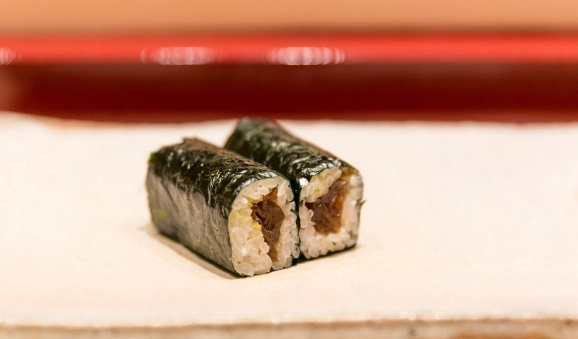
Kanpyo Roll vs. Other Sushi: Understanding Its Unique Place
It's easy to lump it with other vegetarian rolls like cucumber (kappa maki) or pickled daikon (oshinko maki). But it stands apart.
Kanpyo vs. Kappa (Cucumber): Cucumber is all about crunch and water content. It's refreshing but one-dimensional. Kanpyo offers a complex sweet-savory flavor and a satisfying, substantial chew. It feels like more of a "dish" than a garnish.
Kanpyo vs. Tekka (Tuna): This is the classic comparison. Tekka maki is rich, umami-heavy, and often the first roll people learn. Kanpyo maki is its counterpoint—light, sweet, and cleansing. In a formal meal, tekka might come earlier, kanpyo later. They're two sides of the sushi coin.
Its role is often that of a shime, a closing item. After a procession of fatty fish, the mild, slightly sweet kanpyo roll resets your palate, a graceful and intentional ending. It's not an afterthought; it's the final, calming note of the symphony.
Your Kanpyo Roll Questions, Answered
Why does my homemade kanpyo roll always fall apart when I cut it?
Can I find a good kanpyo roll outside of Japan, or is it a lost cause?
My store-bought dried kanpyo is rock hard and smells weird. Is it bad?
Is a kanpyo roll just a boring vegetarian option, or does it have real culinary value?
So next time you're at a sushi bar, skip past the fancy rolls for a moment. Order a kanpyo maki. Look at the construction. Taste the balance. If it's good—perfectly seasoned, tightly rolled, with that gentle sweet chew—you've likely found a place that cares about the roots of the craft. And that's a sign of a truly great sushi experience.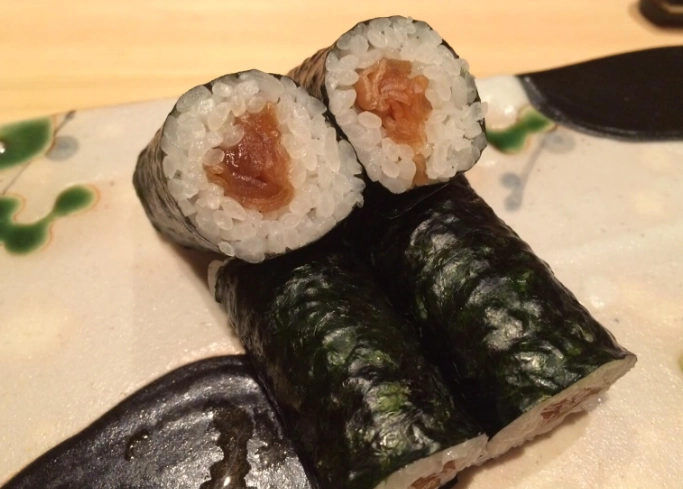
Reader Comments