Quick Guide
So you're staring at a menu, or maybe a recipe, and you see both "tonkatsu" and "katsu" on there. Your brain starts to itch. Are they the same thing? Is one just a shorter version of the other? If you've ever found yourself wondering what is tonkatsu vs katsu, you're absolutely not alone. It's one of those Japanese food questions that seems simple but has a bit more going on beneath the crispy, golden surface.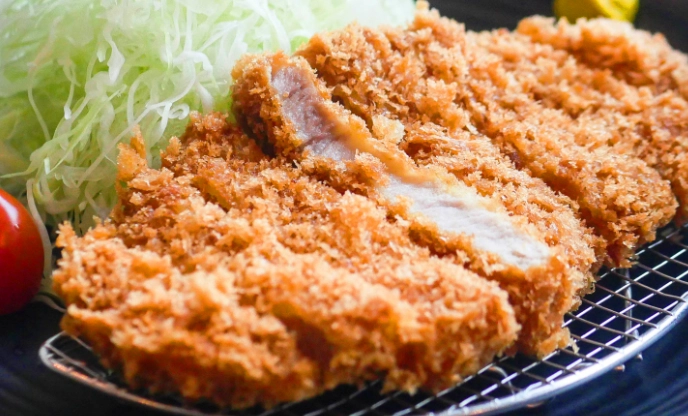
Let's get the biggest misconception out of the way first. No, they are not simply interchangeable terms. Calling all katsu "tonkatsu" is like calling all soda "Coke" – people might understand you in some places, but you're technically wrong and might get a side-eye from a purist. The whole tonkatsu vs katsu confusion usually stems from how these dishes became popular in the West.
The Core Idea: Think of "Katsu" as the general category or technique – it's the method of breading and deep-frying a cutlet. "Tonkatsu" is the most famous and beloved specific type within that category, where "Ton" means pork. So all tonkatsu is katsu, but not all katsu is tonkatsu. Makes sense?
I remember the first time I ordered "chicken katsu" at a Japanese restaurant years ago and my friend, who had lived in Tokyo, gently corrected me when I called it "chicken tonkatsu." It was a tiny moment, but it stuck with me. It's about respecting the specificity of the cuisine. And honestly, once you know the difference, your whole dining experience gets richer. You start to appreciate the choices on the menu.
Where Did This All Start? A Bite of History
To really understand the tonkatsu vs katsu story, we have to go back in time. Japan in the late 1800s (the Meiji era) was opening up to Western influences like never before. Along with new technology and ideas came new foods. European-style breaded cutlets, like the French côtelette or the German schnitzel, landed in Japanese ports.
Japanese chefs, being the brilliant adapters they are, looked at this foreign concept and thought, "We can make this better." Or at least, make it distinctly Japanese. They swapped out the usual breadcrumbs for panko – those wonderful, flaky, airy Japanese breadcrumbs that fry up impossibly light and shatteringly crisp. That was the game-changer. Panko doesn't get soggy as easily, and it creates a craggy, golden armor that's just… perfect.
The earliest versions were made with pork, and the dish was originally called "katsuretsu," a Japanified version of "cutlet." Over time, that got shortened to "katsu." But the pork version was so overwhelmingly popular that for a long time, if you said "katsu," everyone just assumed you meant pork. It was the default. That's probably where a lot of the modern confusion between what is tonkatsu and what is katsu originally took root.
It wasn't until later that chefs and home cooks started applying the same brilliant panko-breading and deep-frying technique to other proteins, creating new members of the katsu family. But the original, the king, remained pork – the tonkatsu.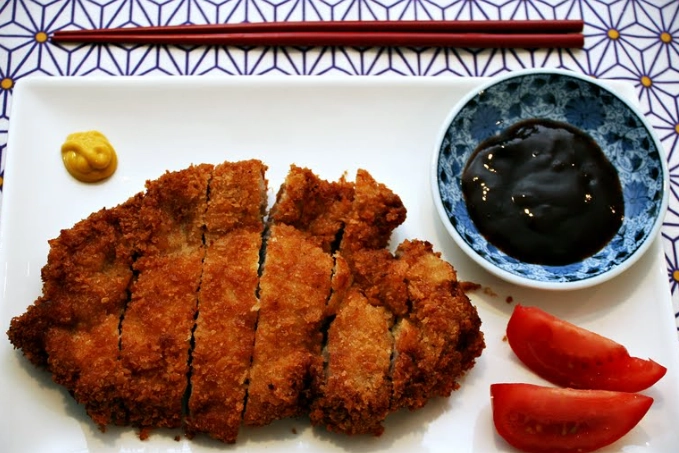
You can trace a direct culinary lineage from a Wiener Schnitzel in Vienna to a perfect, thick-cut tonkatsu in a Tokyo back-alley restaurant. It's a beautiful example of how food travels, adapts, and becomes something entirely new and beloved in a different culture.
The Heart of the Matter: Tonkatsu vs Katsu, Side-by-Side
Okay, history lesson over. Let's get practical. When you're trying to figure out what is tonkatsu vs katsu on a plate, what are you actually looking at? Here’s the breakdown.
Tonkatsu: The Pork Specialist
This is the classic. When you think of a Japanese breaded cutlet, you're probably picturing tonkatsu. It has very specific rules.
The Meat: It's always pork. No exceptions. Usually, you have two choices of cut:
- Hire (ヒレ, Filet or Tenderloin): This is the leaner, more tender cut. It's incredibly soft and melts in your mouth, but some folks (myself included) sometimes find it can lack a bit of the rich, porky flavor. It's the premium, slightly more expensive option.
- Rosu (ロース, Loin): This cut has a rim of fat around the edge. That fat renders during frying, basting the meat from the inside. The result is juicier and more flavorful, with a more satisfying chew. This is my personal go-to. The fat is everything.
The Signature Accompaniments: Tonkatsu is almost always served with:
- Shredded Cabbage: A huge mound of it. It's not just garnish; the crisp, watery cabbage is a vital counterpoint to the rich, fried pork. It's there for balance, and you're meant to eat it all, often with a drizzle of the same tonkatsu sauce or a sesame dressing.
- Tonkatsu Sauce: This is a non-negotiable. It's a thick, sweet, tangy, and umami-rich brown sauce, kind of like a more complex Worcestershire. Brands like Bull-Dog are iconic. The sauce is so crucial that part of the ritual in some restaurants is grinding your own roasted sesame seeds and then mixing the sauce into the paste.
- Japanese Mustard (Karashi): A small dollop on the side for a sharp, sinus-clearing kick.
- A Bowl of Rice and Miso Soup: Completes the set meal, or "teishoku."
Pro Tip: If you see a place that offers you a choice of "hire" or "rosu," you're probably in a more traditional or serious tonkatsu shop. Go for the rosu if you want the full, classic, juicy experience.
Katsu: The Bigger Family
This is where it gets fun. "Katsu" refers to the cooking method. So, any protein that is breaded in panko and deep-fried can be a type of katsu. The name simply changes based on what's inside.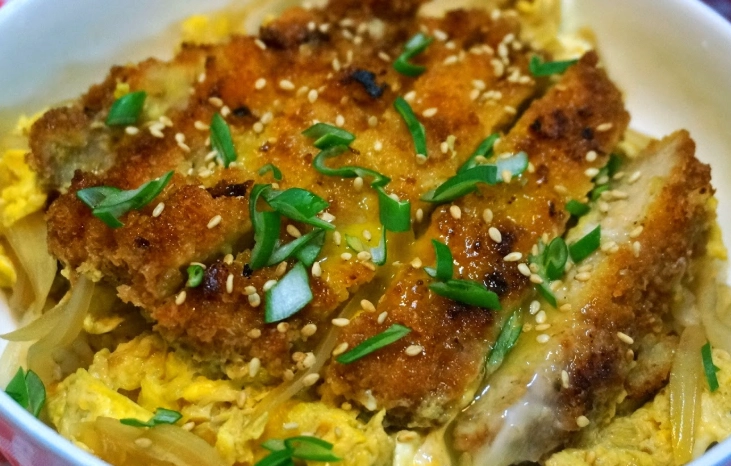
Let's meet the family:
- Chicken Katsu (Torikatsu): Probably the second most popular after tonkatsu. Uses chicken breast or thigh. It's often a bit milder in flavor, letting the crispiness of the panko shine. Sometimes served with tonkatsu sauce, sometimes with a lemon wedge or a ponzu sauce for a lighter touch.
- Beef Katsu (Gyukatsu): A newer, trendy star. The twist here is that the beef (usually a high-quality cut like sirloin) is often fried rare or medium-rare inside its crispy shell. You get this incredible contrast of hot, crunchy exterior and tender, juicy, pink beef inside. It's frequently served with special sauces like a wasabi-infused soy or a yuzu kosho dip.
- Menchi Katsu: This is a ground meat patty (usually pork, sometimes beef or a mix) mixed with onions and spices, then breaded and fried. Think of it as a super juicy, crispy Japanese croquette. Total comfort food.
- Ebi Katsu (or Ebi Fry): A whole prawn or large shrimp, butterflied, breaded, and fried. Elegant and delicious, often seen in bento boxes.
- Vegetable Katsu: Yes, it exists! Slices of kabocha pumpkin, sweet potato, or even asparagus get the panko treatment. A fantastic vegetarian option.
The key difference in the katsu vs tonkatsu experience here is the flexibility. While tonkatsu has a fixed set of sides (cabbage, tonkatsu sauce), other katsu varieties might come with different partners. Chicken katsu might be on a curry. Beef katsu has its own dipping sauces. The core technique is the same, but the presentation adapts to the main ingredient.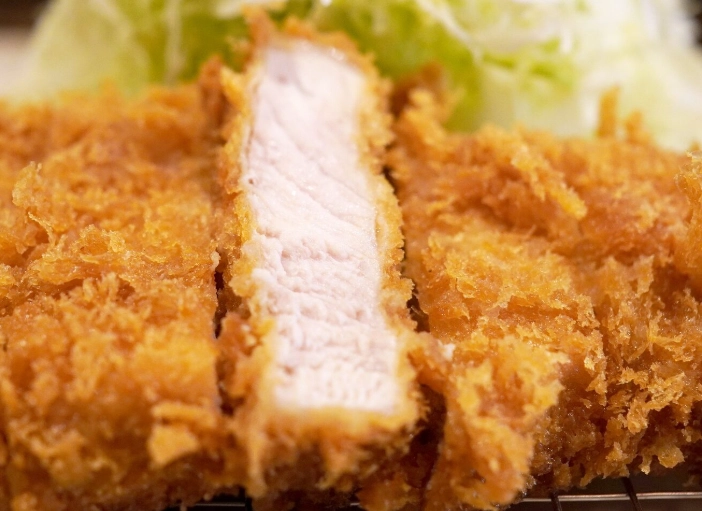
| Feature | Tonkatsu | Other Katsu (e.g., Chicken, Beef) |
|---|---|---|
| Core Protein | Pork Only (Loin or Fillet) | Chicken, Beef, Seafood, Veggies |
| Breading | Panko (Always) | Panko (Always) |
| Signature Sauce | Tonkatsu Sauce (Bull-Dog style) | Varies (Tonkatsu, Ponzu, Curry, Special Dips) |
| Classic Side | Mound of Shredded Cabbage | Varies (Cabbage, Rice, Curry, Salad) |
| Typical Serving | As a Teishoku (Set Meal) | Teishoku, Curry Rice, Donburi, Bento |
| Texture Focus | Juicy pork + Shattering crisp crust | Crisp crust + Qualities of main protein |
See? When you lay it out like that, the answer to what is tonkatsu vs katsu becomes much clearer. One is a specific dish with strict traditions. The other is a versatile culinary method.
How to Make Them: Is There a Difference in the Kitchen?
From a cook's perspective, the process for making any katsu, including tonkatsu, is nearly identical. It's all about the three-step breading station: flour, beaten egg, panko. The magic is in the details.
The Universal Katsu Method:
- Prep the Protein: Pound it gently to an even thickness (about 1-1.5 cm). This ensures even cooking. Season with salt and pepper. For tonkatsu, some chefs might rub a little mustard on the pork for extra depth.
- The Breading Trio: Dredge in all-purpose flour, tapping off the excess. This gives the egg something to grip. Dip thoroughly in beaten egg. Then, press firmly into a mountain of panko breadcrumbs. The pressing is key – you want those big flakes to adhere well and create that signature craggy texture. Let it rest for 5-10 minutes so the coating sets.
- Frying: Deep-fry in neutral oil (like vegetable or canola) at around 170-180°C (340-355°F) until deeply golden brown and cooked through. The oil temperature is crucial. Too low, and it soaks up oil and gets greasy. Too high, and the panko burns before the inside is done. For a thick piece of pork loin (rosu), this might take 5-7 minutes.
- Drain and Rest: Let it drain on a wire rack, not on paper towels. Paper towels steam the bottom and make it soggy. A rack keeps the entire crust crisp. Let it rest for a couple of minutes before slicing.
The One Big Cooking Difference: It's really about the doneness. Pork tonkatsu must be cooked through completely for food safety. But with something like beef katsu (gyukatsu), the goal is often a rare or medium-rare interior, which requires perfect timing and sometimes a higher-quality, tender cut of beef. So the cooking time and internal temperature target are the main variables in the katsu vs tonkatsu cook-off.
My own kitchen disaster? Trying to fry a huge, cold piece of pork straight from the fridge. The outside was charcoal before the center was even warm. Lesson learned: let your meat come closer to room temperature before frying.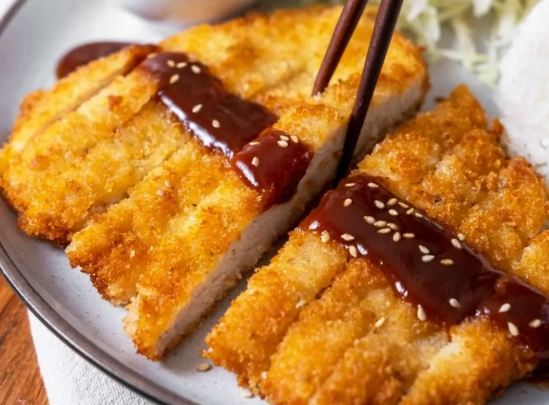
How to Eat Them: The Right Way and Your Way
This is where the culture comes alive. There's a traditional way, and then there's the "whatever makes you happy" way. Knowing both enhances the experience.
The Tonkatsu Ritual
In a proper tonkatsu-ya (specialty shop), the experience is almost ceremonial.
- You'll be presented with the cutlet, whole, on a cutting board or plate.
- It's often sliced into 4-6 perfect, thick pieces right before serving, revealing the juicy interior.
- You'll have a small dish of tonkatsu sauce. In fancier places, you might get a suribachi (grooved mortar) with sesame seeds and a pestle. You grind the seeds until fragrant, then pour the sauce in and mix. The aroma is incredible.
- Take a piece of pork, dip a corner into the sauce (don't drown it!), and eat it with a bite of rice and a forkful of cabbage. The combination of hot rice, rich pork, crisp cabbage, and tangy sauce is the whole point.
- Alternate with bites of the sharp karashi mustard for a palate cleanser.
It's a symphony of textures and temperatures.
Other Katsu: More Freedom
With other katsu, the rules relax. Chicken katsu is fantastic sliced on top of a rich, thick Japanese curry with rice – that's Katsu Curry, a national treasure. Or it can be draped over a bowl of rice with a sweet-savory sauce and a beaten egg for Katsudon.
Beef katsu is usually served with its own dedicated dipping sauces. Menchi katsu is a great snack on its own or with a simple tonkatsu sauce dip. The serving style is part of what defines the specific dish beyond just the tonkatsu vs katsu protein distinction.
Clearing Up the Common Questions (FAQ)
Is Chicken Katsu the same as Tonkatsu?
No. This is the most common mix-up. They share the same cooking method (panko, deep-fry), but chicken katsu is made with chicken, tonkatsu is made with pork. They are different dishes, often served with different sauces and sides. Calling chicken katsu "tonkatsu" is incorrect.
What sauce goes with each?
Tonkatsu is married to tonkatsu sauce (like Bull-Dog). Chicken Katsu can go with tonkatsu sauce, but also often appears with curry or a lemon wedge. Beef Katsu typically has a ponzu, wasabi-soy, or yuzu kosho based dip. Ebi Fry might come with tartar sauce. The sauce is a big clue to the katsu vs tonkatsu identity!
Can I make katsu with other meats?
Absolutely! That's the whole point of "katsu" as a category. Turkey, duck, even fish like salmon work beautifully. The technique is universal. You're only limited by what holds together when breaded and fried.
What about vegetarian options?
Yes! Vegetable katsu is wonderful. Kabocha (Japanese pumpkin) katsu is sweet and creamy inside. Eggplant, thick slices of cauliflower, or even firm tofu pressed and sliced can make fantastic vegetarian katsu. Serve them with a ponzu or a slightly sweetened soy-based sauce.
Is one healthier than the other?
Not really. They're all breaded and deep-fried, so they're firmly in the "indulgence" category. However, chicken breast (torikatsu) is leaner than pork loin (tonkatsu rosu). Vegetable katsu is obviously the lightest option. But let's be real – when you're craving katsu, you're not usually counting calories. The key to enjoying it is the quality of ingredients and perfect frying to avoid greasiness.
Why is the cabbage so important with tonkatsu?
It's not just filler. The fresh, watery, crisp cabbage provides a crucial textural and flavor contrast to the rich, oily, savory pork. It acts as a digestive aid and a palate cleanser between bites. In Japan, the quality and fineness of the shredded cabbage is a point of pride for a tonkatsu restaurant. You can read more about the importance of vegetables in Japanese cuisine from authoritative sources like the Japanese Ministry of Agriculture, Forestry and Fisheries (MAFF), which highlights the cultural and dietary balance in Japanese meals.
Final Verdict: So, What Should You Order?
If you're new to Japanese fried cutlets, start with the king: Tonkatsu. Get the rosu (loin) cut, enjoy it with the cabbage and sauce ritual. It's the classic for a reason.
If you're not a pork fan, go for Chicken Katsu, especially in a curry. It's comforting and familiar.
If you're feeling adventurous and want something truly special, seek out Beef Katsu (Gyukatsu). The rare beef inside a hot crust is a modern revelation.
At the end of the day, understanding the difference between tonkatsu and katsu isn't about being a snob. It's about unlocking a deeper appreciation for a fantastic corner of Japanese food. It helps you read a menu with confidence and know exactly what kind of crispy, satisfying experience you're about to have.
So next time someone asks you, "What is tonkatsu vs katsu?", you can tell them: Tonkatsu is the iconic pork cutlet, the original that started it all, served with its loyal crew of cabbage and special sauce. Katsu is the whole family – a world of possibilities where anything breaded in panko and fried to golden perfection gets a seat at the table. And now, you're ready to enjoy every single one of them.
Happy eating!
Reader Comments