Maguro sashimi isn't just raw fish—it's an art form. If you've ever bitten into a piece that melted in your mouth or one that tasted like cardboard, you know the difference. I've spent years chasing the best cuts, from Tokyo's Tsukiji Market to hidden spots in New York, and I'm here to cut through the noise. Let's get straight to the point: choosing maguro sashimi is about more than color; it's about understanding fat content, freshness signs, and where to find it. This guide will save you from overpaying for mediocre fish and help you enjoy the real deal.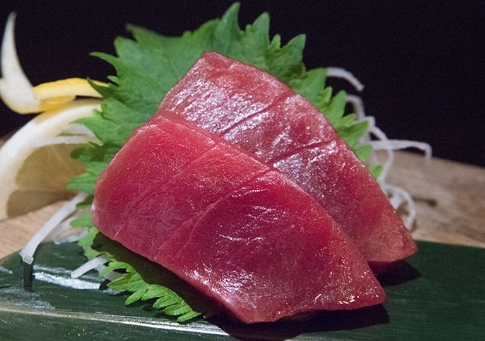
Jump to What Matters Most
What Makes Maguro Sashimi So Special?
Maguro refers to bluefin tuna, specifically the species used for premium sashimi. The magic lies in its texture and flavor profile—lean akami offers a meaty bite, while fatty toro dissolves like butter. Most people think it's all about the red color, but that's a rookie assumption. The quality depends on factors like fishing method (line-caught vs. net-caught), handling speed, and even the tuna's diet. According to reports from the Japan Fisheries Agency, proper handling within hours of catch is crucial to prevent spoilage and maintain that delicate taste.
I remember my first time at a sushi bar in Osaka. The chef served akami with a hint of soy sauce, and the simplicity blew my mind. It wasn't fancy, but the freshness was palpable. That's what sets maguro apart: when done right, it's clean, rich, and unforgettable.
How to Choose the Best Maguro Sashimi: A Step-by-Step Guide
Don't rely on price alone—expensive doesn't always mean good. Here's a practical approach I've refined over time.
Visual Checks: Color and Texture
Look for a bright, consistent red. If it's akami, it should be vivid without dark patches. Toro tends to have a pinkish hue with white marbling. Cloudiness or browning is a red flag. The surface should appear slightly glossy, not dull. When I shop at markets, I ask to see the cut—if it's pre-sliced, check for neat edges and minimal gaps.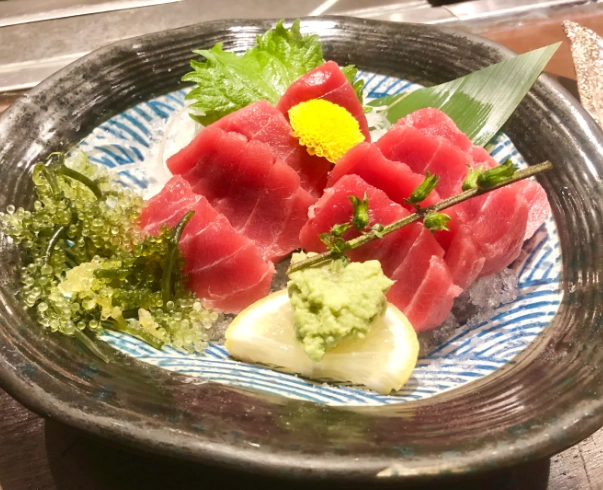
Smell and Touch
Fresh maguro smells like the ocean, not fishy. Give it a gentle press; it should spring back, not leave an indent. If it feels slimy, walk away. Many vendors use this trick: they'll let you smell a sample. Take advantage of that.
Source and Sustainability
Ask where the tuna is from. Pacific bluefin is prized but often overfished—look for certifications from groups like the Marine Stewardship Council. I've seen places in California source from local fisheries, which can be fresher and more ethical. This isn't just eco-friendly; it affects taste. Farmed tuna might be milder, while wild-caught has a deeper flavor.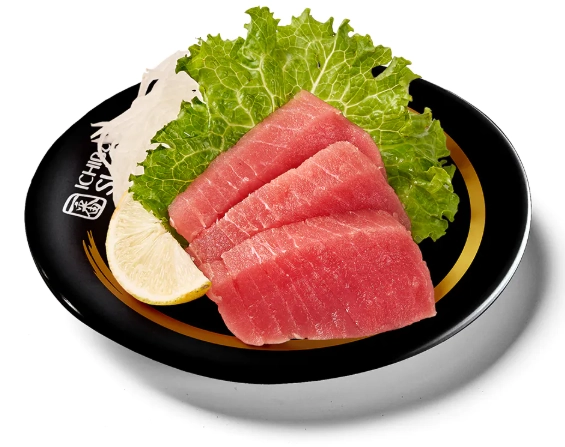
Pro tip: If you're buying from a grocery store, check the packaging date. Avoid anything more than two days old. And don't be shy—ask the fishmonger for recommendations. They usually know what's best that day.
Top 5 Restaurants for Maguro Sashimi in Major Cities
Based on my travels and chats with chefs, here are spots that consistently deliver. I've included details so you can plan a visit.
| Restaurant | Location | Specialty | Price Range | Hours |
|---|---|---|---|---|
| Sushi Saito | Tokyo, Japan (Minato City) | Akami with aged soy sauce | $$$$ (¥30,000+ per person) | 12 PM - 2 PM, 6 PM - 10 PM (Reservation only) |
| Le Bernardin | New York, USA (155 W 51st St) | Bluefin toro tartare | $$$$ ($150+ per person) | 12 PM - 2:30 PM, 5:30 PM - 10:30 PM |
| Sushi Tetsu | London, UK (Clerkenwell) | Maguro nigiri with fresh wasabi | $$$ (£80-£120) | 6 PM - 11 PM (Closed Mondays) |
| Urasawa | Beverly Hills, USA (218 N Rodeo Dr) | Seasonal bluefin selection | $$$$ ($400+ per person) | 5 PM - 10 PM |
| Kyubey | Tokyo, Japan (Ginza) | Traditional maguro sashimi platter | $$$ (¥10,000-¥20,000) | 11:30 AM - 10 PM |
I tried Le Bernardin last year—the toro was like silk, but honestly, the price made me wince. For a more budget-friendly option, check out local izakayas in big cities; they often source from the same suppliers but charge less.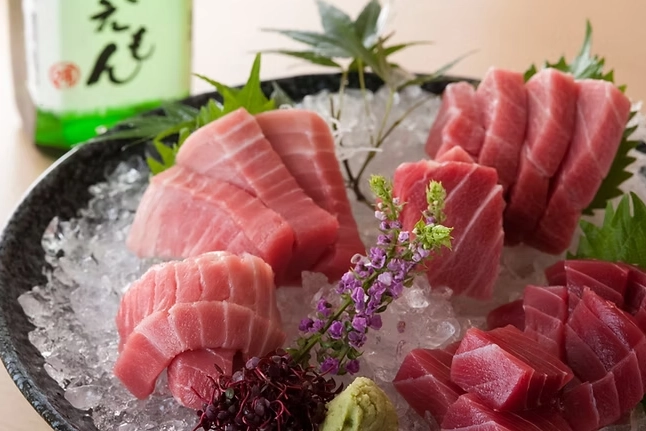
Common Mistakes Beginners Make with Maguro Sashimi
We all mess up. Here are pitfalls I've seen (and committed myself).
Overloading on soy sauce. It masks the flavor. Dip lightly, or let the chef guide you. Once, I drowned a perfect piece in soy, and the chef gave me a look I'll never forget.
Ignoring temperature. Maguro should be served slightly chilled, not ice-cold. Too cold numbs the taste buds. At home, take it out of the fridge 10 minutes before serving.
Assuming toro is always better. It's richer, but akami has its charm—it's leaner and works better in salads or with citrus. I prefer akami for everyday meals because it's less overwhelming.
Storing it wrong. Leftovers? Don't just toss them in a bowl. Use an airtight container with paper towels, as mentioned earlier. I learned this the hard way when a batch turned soggy overnight.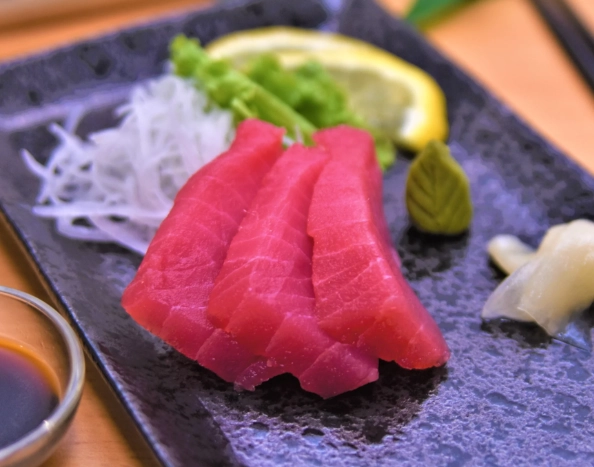
FAQ: Your Maguro Sashimi Questions Answered
Maguro sashimi is a journey—start with the basics, experiment, and don't be afraid to ask questions. Whether you're splurging at a high-end spot or enjoying a simple plate at home, the key is freshness and respect for the ingredient. Go out and taste it for yourself.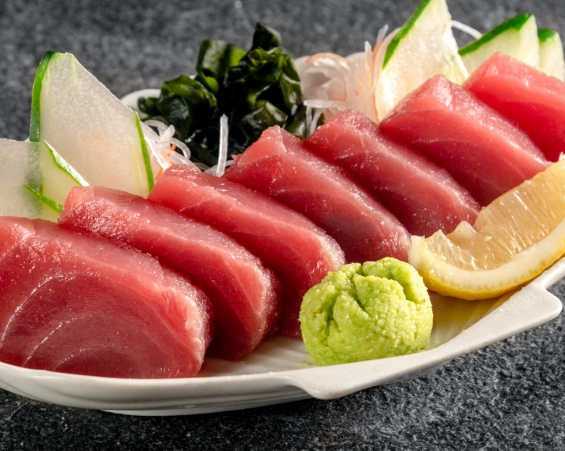
Reader Comments