Quick Guide to Tan Tan Noodles Dry
- What Exactly Are Tan Tan Noodles Dry?
- A Bite of History: From the Streets of Sichuan to the World
- Deconstructing the Perfect Bowl: Your Tan Tan Noodles Dry Toolkit
- The Step-by-Step: Building Your Tan Tan Noodles Dry at Home
- Key Ingredients Deep Dive: A Quick Reference Table
- Leveling Up: Tips, Tricks, and Common Questions Answered
- Beyond Your Kitchen: Where to Find Fantastic Tan Tan Noodles Dry
Let's be honest, the first time I heard "Tan Tan noodles," I pictured something sweet. Maybe it was the "tan" sound. Boy, was I wrong. I stumbled upon the dry version in a cramped little spot in Chengdu, steam hitting my face, the sound of sizzling woks everywhere, and one bite completely rewired my brain about what noodles could be. It wasn't just a meal; it was an experience—a chaotic, spicy, nutty, utterly satisfying punch of flavor. That's what I want to unpack here. Not just a recipe, but the soul of this dish. Because making authentic Tan Tan noodles dry at home isn't about perfection; it's about capturing that spirit.
You've probably seen it pop up on menus or food blogs. Sometimes it's called Dan Dan Noodles. Sometimes it's served soupy. But the dry version? That's the one that truly highlights the magic of the sauce. No broth to dilute things. Just noodles clinging to a complex, layered paste that's equal parts fire, funk, and fragrance.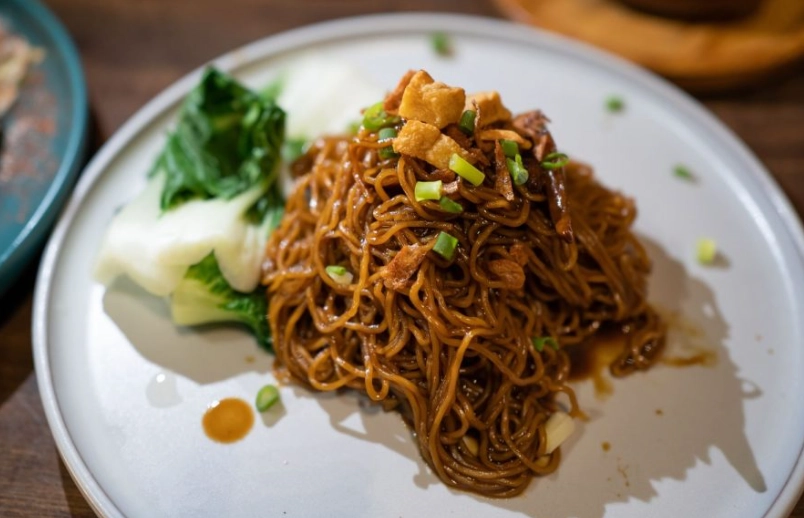
What Exactly Are Tan Tan Noodles Dry?
Okay, let's clear the air first. The name's a bit of a story. "Dan Dan" refers to the carrying pole (dan dan) that street vendors used to haul their noodles and sauce around in old Sichuan. So, Tan Tan noodles dry are, at their heart, street food. Worker's food. Fast, cheap, and incredibly flavorful to make up for the lack of fancy ingredients.
The dry style means the noodles are tossed, not swimming. The core is a savory, spicy, slightly numbing sauce base made with a few key players: chili oil, Sichuan peppercorns, zhacai (pickled mustard tuber), suan cai (pickled vegetables), minced pork, and sesame paste or peanut butter. It's this last one that often causes debate—purists swear by Chinese sesame paste, but I've seen peanut butter work in a pinch. The result is a dish that's texturally fascinating: chewy noodles, crunchy pickles, tender pork, all coated in that glossy, addictive sauce.
A Bite of History: From the Streets of Sichuan to the World
It's hard to talk about Tan Tan noodles without feeling the history. This dish is a direct product of Sichuan's culture and geography. Sichuan is inland, historically not as wealthy as coastal provinces, and they developed a cuisine that used preservation (pickling, salting) and bold flavors to make inexpensive ingredients sing. The famous Sichuan peppercorn, which gives that citrusy, tingling numbness (mala), is a cornerstone.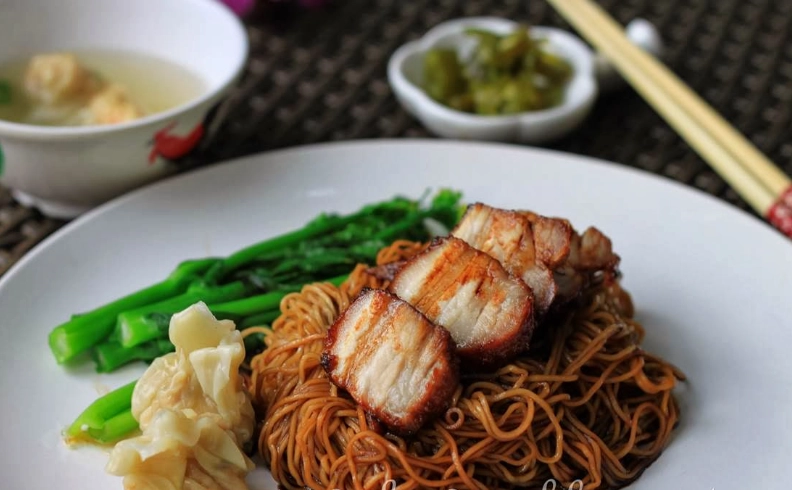
The dish likely originated in the 1800s in Chengdu or Zigong. Vendors would walk the streets with a pole over their shoulders. On one end, a pot with noodles; on the other, a pot with the secret sauce and condiments. For a few coins, they'd assemble a bowl right there. The dry version was practical—easier to eat standing up, no sloshing broth. It was fuel for the masses.
To understand its place, it helps to look at resources like the Sichuan Provincial government's cultural pages (which often highlight culinary heritage) or the China Culture Center, which documents intangible cultural heritage, including foodways. Tan Tan noodles are a living piece of that history. They traveled with Chinese diaspora, got adapted (sometimes sweetened, sadly) in other countries, but the dry, savory, spicy version remains the gold standard for anyone who's tasted the original.
Why does this matter for making it at home? Because when you know it's street food, you stop being intimidated. It's meant to be adaptable, robust, and forgiving.
Deconstructing the Perfect Bowl: Your Tan Tan Noodles Dry Toolkit
Before you even turn on the stove, let's talk ingredients. This isn't a dish where you can skip half the list and expect the same result. Each component builds a layer.
The Non-Negotiables (The Holy Trinity of Flavor)
Sichuan Chili Oil: This is your color and primary heat. Not just any chili flakes in oil. A good one has depth—infused with aromatics like star anise, cinnamon, and ginger. You can buy it (look for brands with sediment at the bottom) or make it. The oil itself is as important as the flakes.
Sichuan Peppercorns: This is what makes it "Sichuan." They provide the citrusy aroma and that unique, tingling numbness (ma). For the sauce, you often use ground roasted peppercorns. Freshness is key—stale ones taste like sawdust. Toast them lightly in a dry pan until fragrant, then grind.
Chinese Sesame Paste (Zhima Jiang): This is the rich, nutty, slightly bitter glue that holds the sauce together and gives it body. It's made from toasted sesame seeds and is thicker and more intense than Middle Eastern tahini. If you absolutely must substitute, use a mix of tahini and a bit of smooth peanut butter, but know it won't be quite right.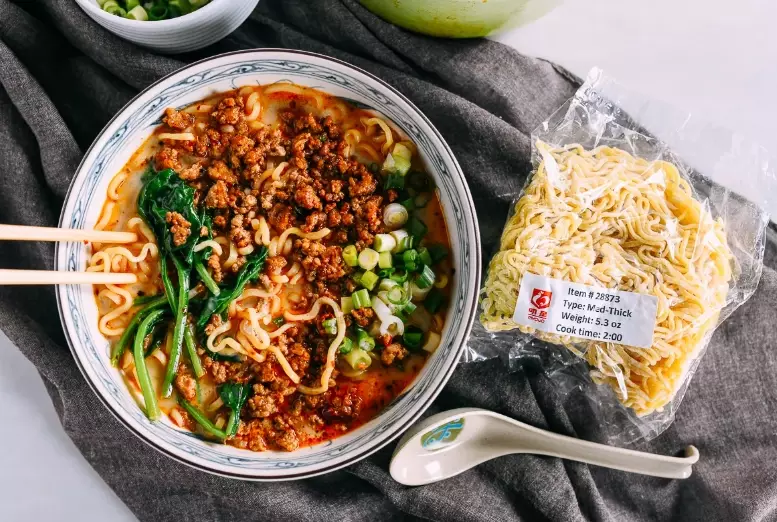
The Supporting Cast
- Zhacai: Pickled mustard tuber. It's crunchy, salty, and slightly sour. Usually comes in vacuum packs. Chop it finely.
- Suan Cai: Another type of pickled vegetable, often mustard greens or cabbage. Adds a different, brighter sour note.
- Minced Pork: Traditionally a fatty pork shoulder or belly, minced not too fine. It's fried until crispy and golden, becoming "pork crispies" (rou sao). This is your umami bomb.
- Soy Sauces: Both light soy for saltiness and dark soy for color and a hint of molasses flavor.
- Chinese Black Vinegar: Just a touch. It lifts everything with a mild, complex acidity.
- Garlic & Ginger: Minced finely. Freshness matters here.
- Scallions & Peanuts: For garnish and fresh crunch.
- The Noodles: Fresh or dry wheat noodles with good chew. Lo mein noodles or even thin udon work. Avoid spaghetti if you can—it's just not the same texture.
The Step-by-Step: Building Your Tan Tan Noodles Dry at Home
Here’s where we get our hands dirty. I’ve made this dozens of times, failed a few, and landed on a method that works in a home kitchen without special equipment.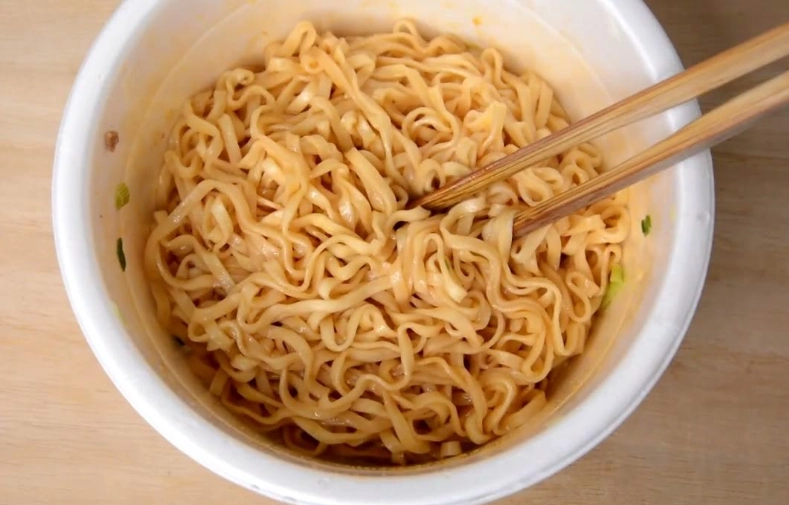
Step 1: The Secret Weapon – The Pork Topping (Rou Sao)
Don't just brown the pork. You want to render the fat and get it crispy and tiny. Start with cold oil in a wok or skillet, add the minced pork, and break it up. Cook on medium until the fat renders and the bits turn golden brown and crispy. This can take 10-15 minutes. Be patient. Then add a splash of Shaoxing wine, light soy sauce, and a pinch of five-spice. Cook until dry. This topping is magic—it's salty, savory, and adds incredible texture.
Step 2: The Sauce – It's All About Balance
While the pork cooks, make your sauce base in the bottom of your serving bowl. This is the fun part—tasting and adjusting. Here’s a core ratio to start with for one serving:
- 1.5 tbsp Chinese sesame paste (loosened with 1 tbsp of hot water or noodle cooking water)
- 1.5 tbsp Sichuan chili oil (with flakes!)
- 1 tsp light soy sauce
- ½ tsp dark soy sauce
- 1 tsp Chinese black vinegar
- ½ to 1 tsp ground roasted Sichuan peppercorns (to taste)
- ½ tsp sugar (cuts the heat, balances acidity)
- 1 small clove garlic, minced
- A few tbsp of the starchy noodle cooking water to thin it to a saucy consistency
Whisk it all together in the bowl. It should look like a glossy, red-brown paste. Taste it. Too salty? Add a touch more water or a pinch of sugar. Not enough kick? More chili oil. Missing that tingle? More ground peppercorn. This is your canvas.
Step 3: Assembly – Bringing It All to Life
Cook your noodles according to package directions, but aim for al dente. They'll soften a bit in the sauce. Just before draining, scoop out a ladle of that starchy cooking water—it's liquid gold for adjusting sauce consistency.
Drain the noodles and immediately toss them vigorously in the bowl with the waiting sauce. The heat from the noodles will bloom the garlic and meld the flavors. Add a splash of noodle water if it looks too thick or dry; you want every strand coated, not drowning.
Now, top with your crispy pork, a generous heap of chopped zhacai and suan cai, crushed roasted peanuts, and a big handful of sliced scallions. The contrast of hot noodles, cool crunchy toppings, and that rich, spicy sauce is the whole point.
Serve immediately. Mix it all up at the table and dig in.
Key Ingredients Deep Dive: A Quick Reference Table
| Ingredient | Role in the Dish | Best Substitute (If Desperate) | Where to Find |
|---|---|---|---|
| Sichuan Chili Oil | Provides heat, red color, and aromatic depth. | Other Asian chili oils (like Lao Gan Ma) + a pinch of Chinese five-spice. | Asian grocery, online specialty stores. |
| Sichuan Peppercorns | Delivers the signature mala (numbing) sensation and citrus aroma. | No true substitute. Omit if unavailable; the dish will lack its defining character. | Asian grocery (check for freshness), online. |
| Chinese Sesame Paste | Gives nutty richness, bitterness, and thickens the sauce. | Mix of 2 parts tahini + 1 part smooth peanut butter. | Asian grocery (look for "Zhi Ma Jiang"). |
| Zhacai (Pickled Mustard Tuber) | Adds salty, sour crunch and umami. | Fine-chopped sauerkraut (rinsed) or kimchi (for a different kick). | Asian grocery, usually vacuum-packed. |
| Fresh Wheat Noodles | The hearty, chewy base that carries the sauce. | Dry lo mein noodles, thin udon, or even ramen noodles (discard seasoning). | Asian grocery, sometimes in refrigerated section. |
Leveling Up: Tips, Tricks, and Common Questions Answered
How Do I Make It Less Spicy?
This is the number one question. The beauty of making Tan Tan noodles dry at home is you control the heat. Use less chili oil, or use a milder one. You can even separate the oil from the flakes—use the fragrant oil for flavor and just a few flakes for color. Don't skip the Sichuan peppercorns though; their numbing quality actually cools the burn of the chili in a weird, wonderful way.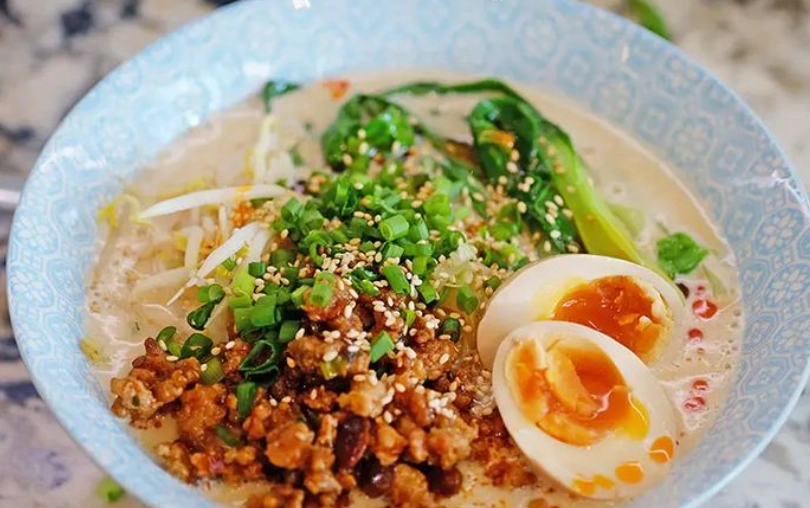
Can I Make It Vegetarian or Vegan?
Absolutely. The soul is in the sauce. For the pork, swap in minced mushrooms (shiitake or king oyster are great). Cook them down until all their moisture is gone and they get crispy. Use a rich, umami-packed mushroom soy sauce. For vegan, ensure your sesame paste and chili oil don't contain animal products (most don't). The result is a deeply savory, meat-free version that's just as compelling.
Why Is My Sauce Clumpy or Too Thick?
Two reasons. First, you didn't dilute the sesame paste enough before adding other ingredients. Second, you didn't use the starchy noodle water. That water is key—it's slightly thick, helps emulsify the sauce, and makes it cling to the noodles. Always reserve some.
How Do I Store Leftovers?
The assembled dish doesn't keep well—the noodles soak up the sauce and get soggy. But you can prep components! Make a big batch of the crispy pork and the sauce base (minus the noodle water and garlic) and keep them in the fridge for up to 5 days. Cook fresh noodles when ready. It becomes a 5-minute meal.
What's the Difference Between Dry and Soup Versions?
It's all about the amount of liquid. The soup version uses a light, savory broth (often chicken or pork) to dilute the same sauce base, creating a noodle soup. The dry Tan Tan noodles concentrate all the flavor onto the noodles themselves. I prefer dry because it's more intense, but the soup version is fantastic on a cold day.
The quest for the perfect Tan Tan noodles dry is a journey, not a destination. Every bowl is a little different, and that's the charm.
Beyond Your Kitchen: Where to Find Fantastic Tan Tan Noodles Dry
Sometimes you just want someone else to do the cooking. If you're hunting for a great bowl out in the world, here's what to look for.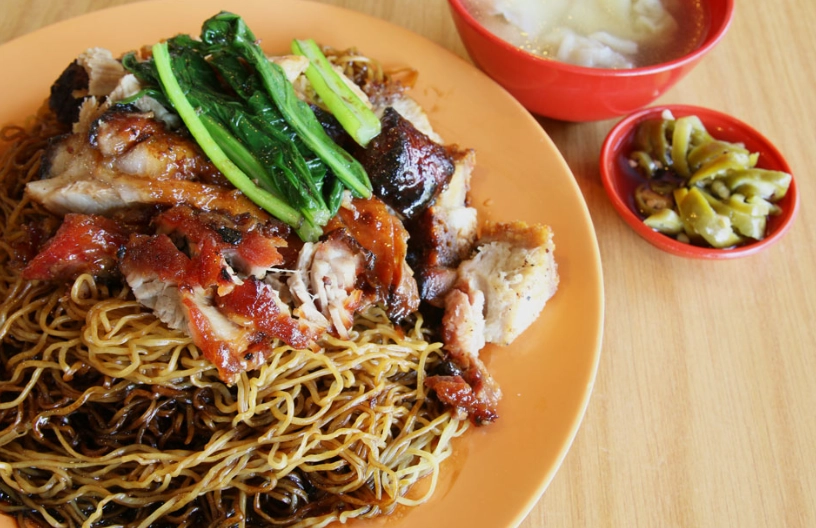
In authentic Sichuan restaurants, it's often listed as "Dan Dan Mian" on the menu. The description should mention minced pork, chili oil, and Sichuan pepper. If it describes a "peanut sauce" or seems sweet, it might be a Westernized version.
In major cities with strong Chinese communities, seek out restaurants that specialize in Chengdu or Chongqing cuisine. Don't be afraid to ask if it's the dry or soup style. A good sign is if the noodles arrive with the sauce at the bottom and the toppings piled high, requiring a good mix.
I've had incredible versions in places like Chengdu's back alleys (obviously), but also in Flushing, New York, and the San Gabriel Valley in California. The best ones balance the heat, numbness, nuttiness, and saltiness so no single element overpowers.
Making Tan Tan noodles dry connects you to a rich culinary tradition. It’s a dish that’s humble in origin but extraordinary in flavor. It’s forgiving enough for a weeknight but impressive enough for guests. Most importantly, it’s deeply, deeply satisfying. So grab your wok, source those key ingredients, and don’t be afraid to adjust that sauce until it makes your taste buds sing. You’ve got this.
Reader Comments