Let's get this out of the way: a great yakisoba recipe isn't about fancy techniques. It's about nailing a few simple things most home cooks miss. The sizzle of noodles hitting a hot pan, the sweet-savory aroma of the sauce caramelizing—that's what you're after. I've messed this up more times than I care to admit. Soggy noodles, cloyingly sweet sauce, bland vegetables. Not good. After years of tweaking, including a humbling lesson from a street food vendor in Osaka, I've locked down a method that works every single time. This is your guide to how to make yakisoba that tastes like it came from a bustling Japanese festival stall, not your average weeknight dinner fail.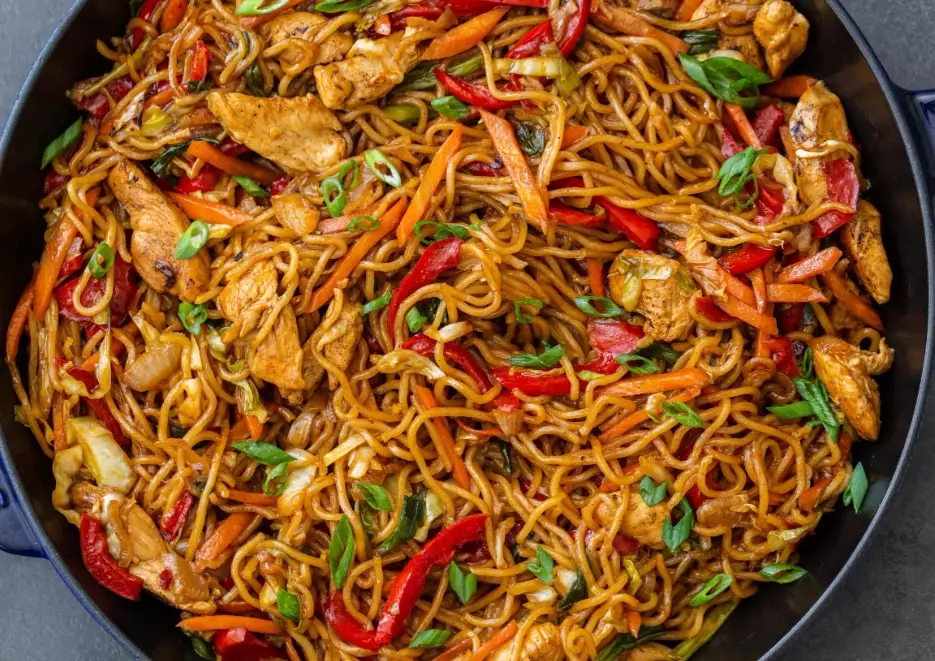
What You'll Learn in This Guide
What is Yakisoba? A Brief History
Yakisoba literally means "fried noodles." Despite "soba" in the name, it's not made with buckwheat noodles. It uses wheat-based Chinese-style steamed noodles, which is a clue to its origins. The dish evolved in Japan after World War II, influenced by Chinese chow mein. It became a staple at street stalls, festivals (matsuri), and home kitchens because it's cheap, filling, and incredibly adaptable. The core is always the same: chewy noodles stir-fried with pork and cabbage, coated in a thick, glossy, umami-rich sauce. It's Japan's answer to comfort food, and once you get it right, you'll make it constantly.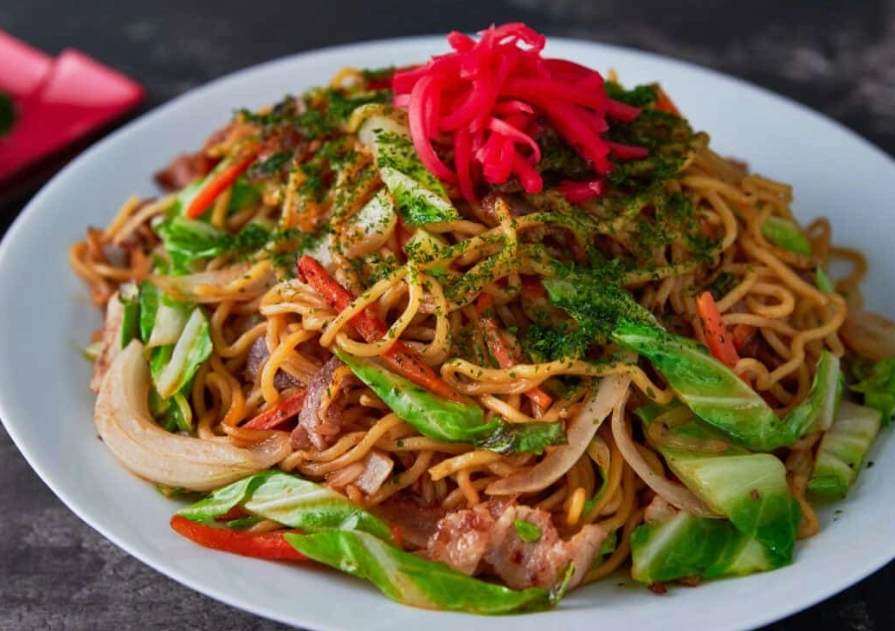
Essential Ingredients for Yakisoba
You don't need a ton of exotic stuff. The magic is in the combination.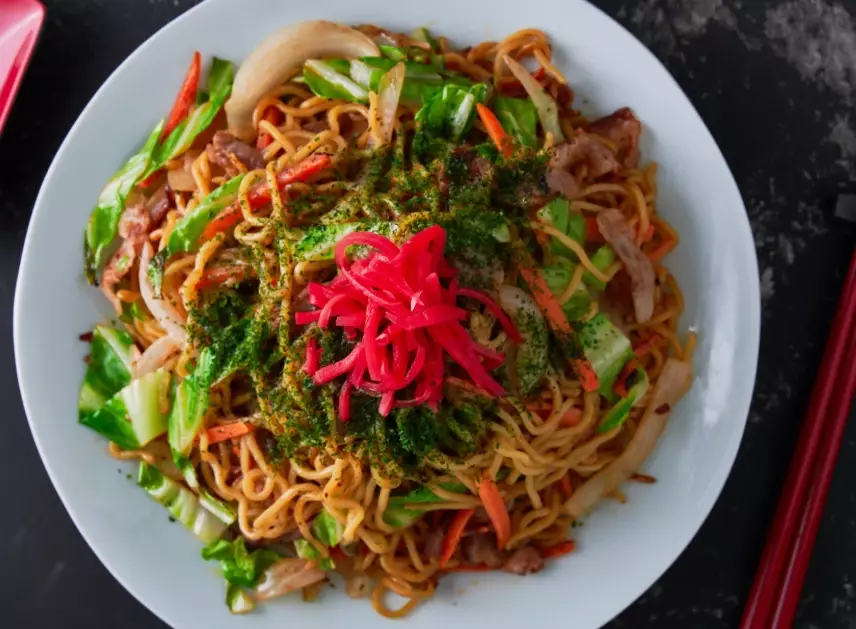
The Non-Negotiables
Noodles: This is the heart. Look for packages labeled "yakisoba noodles" or "chuka soba" in the Asian aisle. They're usually pre-steamed and par-cooked, sold in blocks. In a real pinch, fresh ramen noodles work. Dried ramen noodles (discard the seasoning packet) can work too, but you must boil them first.
Protein: Thinly sliced pork belly or shoulder is traditional. Its fat renders and flavors the entire dish. Chicken thigh or shrimp are excellent swaps.
Vegetables: Cabbage is mandatory. It adds sweetness and crunch. I prefer green cabbage, but the purple kind works too—it just dyes everything pink. Carrots and onions are the other classics for their natural sugars that caramelize.
The Sauce: The soul of the dish. We'll make it from scratch next. It's a balance of savory, sweet, tangy, and rich.
Toppings: Aonori (green seaweed powder), katsuobushi (bonito flakes), pickled red ginger (beni shoga), and mayonnaise. Yes, mayo. It's a classic, creamy contrast.
Here’s a quick visual guide to the core veggie lineup:
| Vegetable | Role in the Dish | Prep Tip |
|---|---|---|
| Cabbage | Adds bulk, sweetness, and essential crunch. The backbone. | Cut into 1-inch squares. Don't shred it too finely. |
| Onion | Provides a savory-sweet base flavor when caramelized. | Slice thinly against the grain. |
| Carrot | Adds color, sweetness, and a slight bite. | Julienne or cut into thin matchsticks. |
How to Make Yakisoba Sauce from Scratch
Bottled sauce is fine. Homemade sauce is a game-changer. It's brighter, more balanced, and you control the sweetness. The base is a simple 1:1:1:1 ratio that's easy to remember.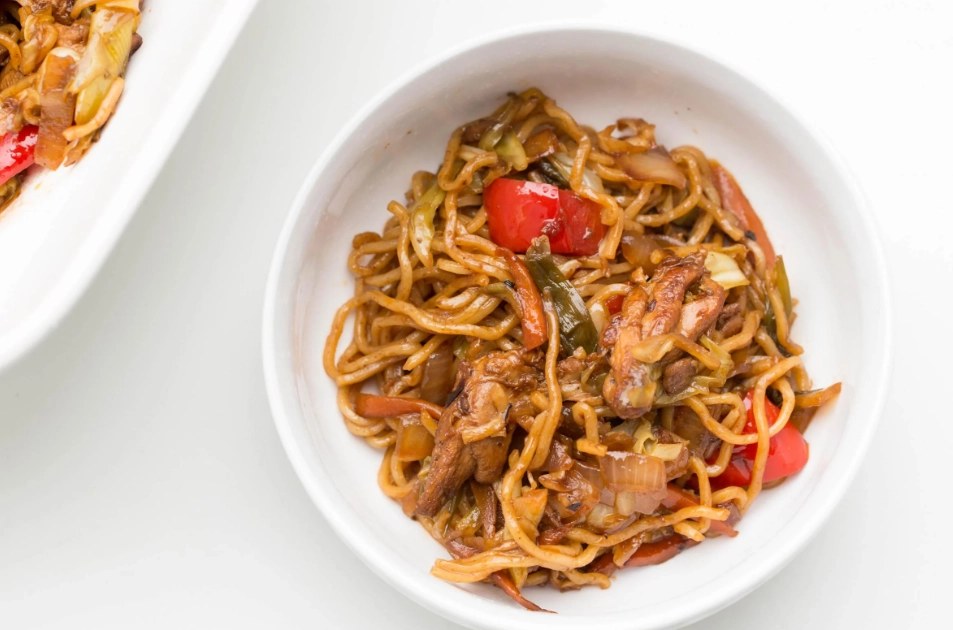
The Core Ratio: Equal parts (by volume) of Worcestershire sauce, soy sauce, ketchup, and oyster sauce. Start with 2 tablespoons of each for a batch serving 2-3 people.
That's your foundation. Now, let's build on it. Here’s my go-to yakisoba sauce recipe:
- 2 tbsp Japanese Worcestershire sauce (like Bulldog or Tonkatsu sauce—it's thicker and fruitier than Lea & Perrins)
- 2 tbsp soy sauce (use usukuchi/light soy for less color, or regular)
- 2 tbsp ketchup
- 1 tbsp oyster sauce (for depth; use vegetarian oyster sauce if needed)
- 1 tbsp mirin (or 1/2 tsp sugar dissolved in 1 tbsp water)
- 1 tsp toasted sesame oil
- A pinch of white pepper
Whisk it all together. Taste. Want it sweeter? Add a touch more mirin. More savory? A dash more soy. This sauce keeps for a week in the fridge.
How to Cook Yakisoba: Step-by-Step Guide
This is where the magic happens. Have everything prepped and within arm's reach. Stir-frying is fast.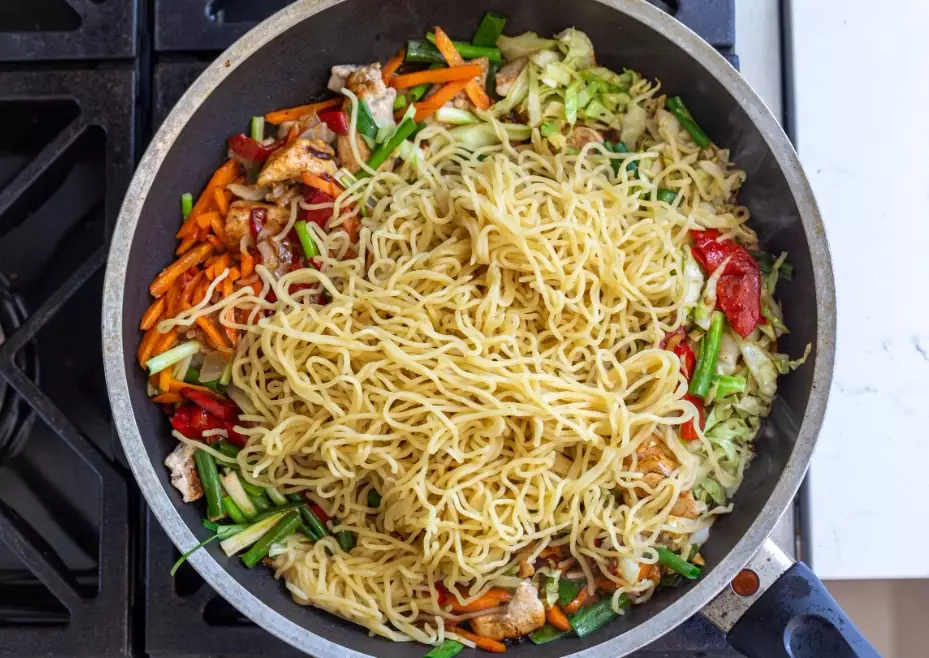
Step 1: Prep and Separate
Separate your yakisoba noodle blocks under running warm water. Don't boil them! They're already cooked. You're just loosening them. Drain well. If using other noodles, cook them 1 minute less than package directions, rinse in cold water, and drain thoroughly. Wet noodles = soggy yakisoba.
Step 2: Cook the Protein
Heat a large wok or skillet over high heat. Add a neutral oil. Add your sliced pork in a single layer. Let it sear and get some color without moving it for a minute. This builds flavor. Once browned, remove it to a plate. It will finish cooking later.
Step 3: Stir-Fry the Vegetables
In the same wok (with the pork fat—that's flavor), add a bit more oil if needed. Toss in the onions and carrots first. Stir-fry for 2 minutes until they start to soften. Then add the cabbage. The wok should be hissing. Keep everything moving for another 3-4 minutes until the cabbage is wilted but still has a crunch. Don't let it go limp.
Step 4: Combine and Sauce
Push the veggies to the side. Add the noodles to the center. Let them sit for 30 seconds to get a little crispy on the bottom—this is a pro move for texture. Then, return the pork to the wok. Pour your sauce over everything. Using tongs or two spatulas, toss and fold aggressively for 1-2 minutes. The sauce will thicken, glaze the noodles, and coat everything evenly. The heat should be high the whole time.
Step 5: Serve Immediately
Plate it up. Top with aonori, a handful of katsuobushi (watch it dance in the steam), a few strips of red pickled ginger, and a zigzag of Japanese mayonnaise (Kewpie is the gold standard). Squeeze of lemon? Optional, but nice.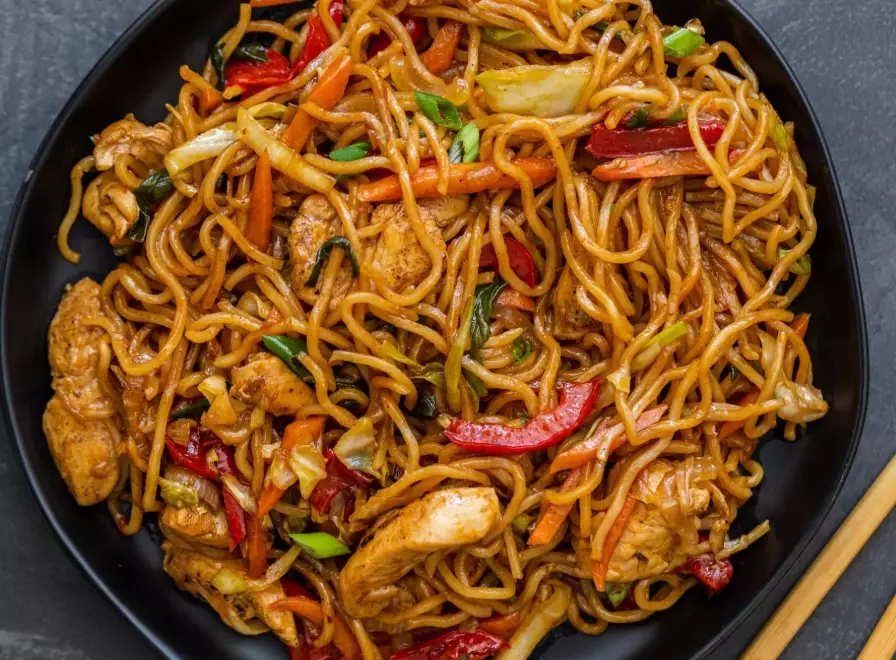
Common Mistakes and Pro Tips
I learned these the hard way so you don't have to.
The Soggy Noodle Catastrophe: The #1 failure. Causes: 1) Using noodles that are too wet. Drain them like your dinner depends on it. 2) Overcrowding the pan. If you double the recipe, cook in batches. 3) Adding the sauce too early or on low heat. High heat, quick toss.
The Bland Vegetable Blues: Don't just dump all veggies at once. Onions and carrots need more time than cabbage. Sequence matters. Also, season the veggies lightly with a pinch of salt as they cook.
The Sauce That Overpowers: You're coating noodles, not making soup. Start with 3/4 of your sauce, toss, and only add more if it looks dry. You can always add more; you can't take it out.
My #1 Secret Weapon: A tiny splash (like a teaspoon) of rice vinegar or lemon juice added with the sauce. It cuts through the richness and makes all the flavors pop in a way most recipes never mention.
Yakisoba Recipe Variations
The basic formula is a canvas.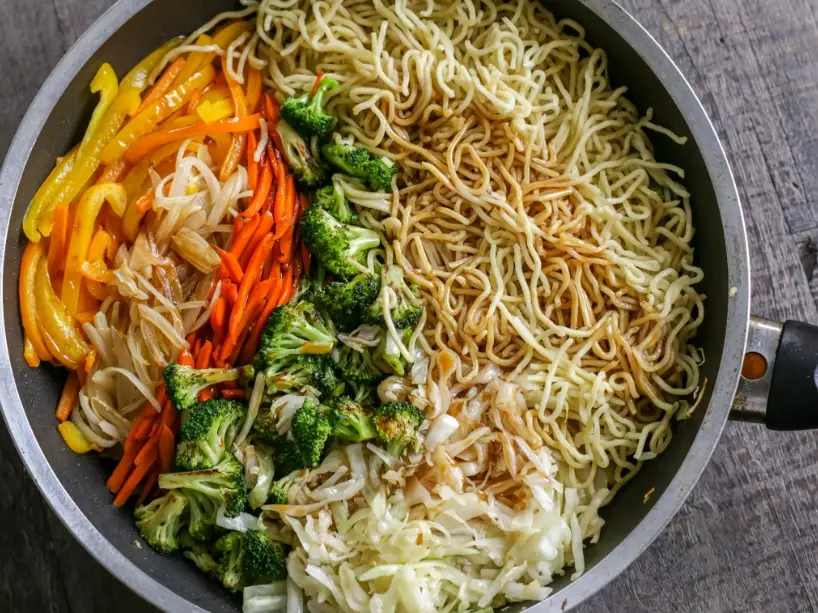
Seafood Yakisoba: Swap pork for shrimp, squid, and scallops. Add them after the veggies, cook just until opaque, then proceed.
Modern Veggie Load-Up: Add sliced bell peppers, mushrooms, bean sprouts, or baby corn in with the cabbage.
Spicy Yakisoba: Add a teaspoon of chili garlic sauce (like Lao Gan Ma) or a pinch of shichimi togarashi to your sauce mix.
Okonomiyaki-Style: Top with a fried egg. It's a glorious mess.
Your Yakisoba Questions Answered
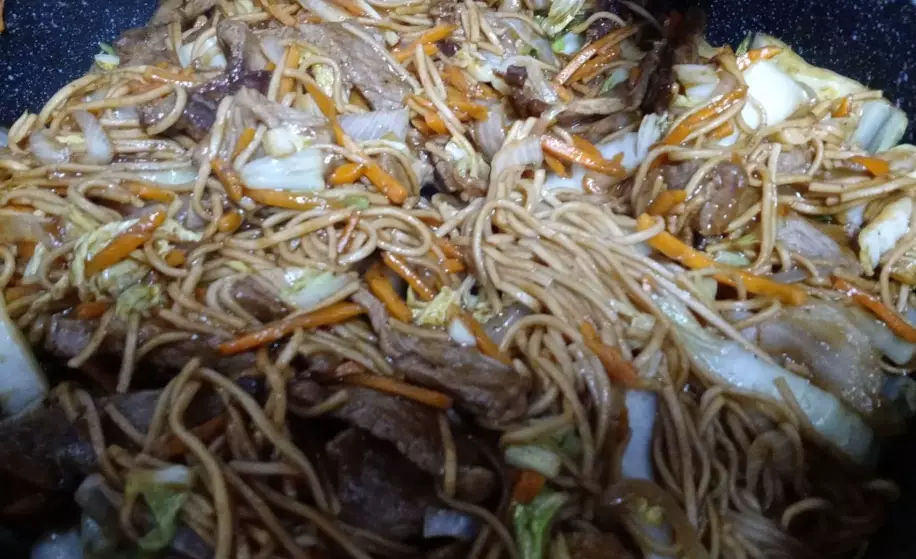 There you have it. A yakisoba recipe that focuses on the details most guides gloss over. It's not just a list of ingredients and steps; it's about understanding why each step matters. Get your wok screaming hot, have your sauce mixed, and don't be afraid of a little char on those noodles. That's where the flavor lives. Now go make some. And put the mayo on it. Trust me.
Reader Comments