You see it everywhere now. A steaming bowl of ramen, rich broth, a perfect egg. But if you think that's the whole story of Japanese noodles, you're missing out on a world of texture, tradition, and regional pride that goes far deeper than tonkotsu. I spent years in Japan, from cramped Tokyo counters to family-run shops in the countryside, and the biggest lesson was this: ramen is the loud, exciting newcomer, but udon and soba are the soulful classics. And most guides don't tell you how to navigate them.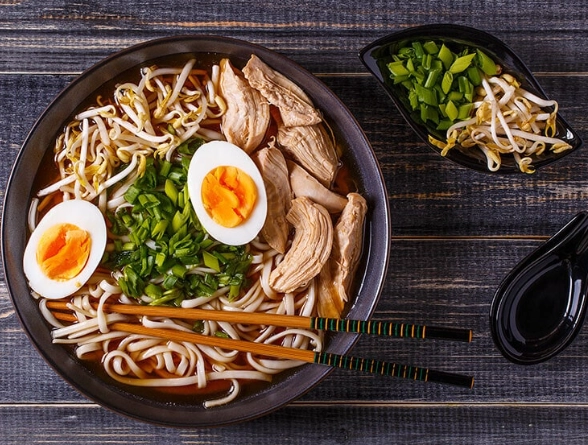
What's Inside This Noodle Guide
The Big Three: Ramen, Udon, Soba Decoded
Let's clear the confusion first. These three are pillars, but they're made from different stuff, served different ways, and even eaten with different etiquette.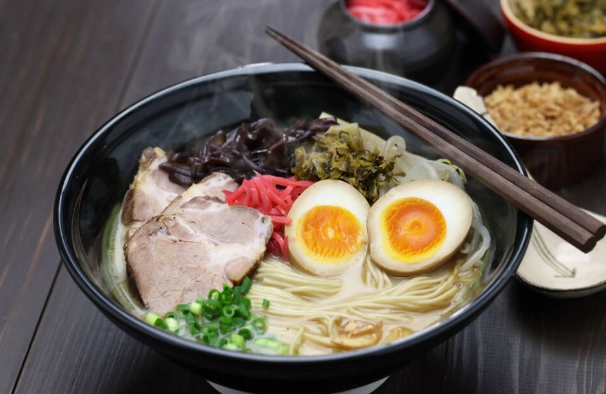
Ramen: The Engineered Comfort Food
Ramen is wheat noodles made with kansui (alkaline mineral water). That's what gives them their yellow hue, firm springy bite, and that unique aroma. The magic is in the combination: noodles engineered for a specific broth.
A common mistake? Thinking all ramen broths are heavy. Sure, tonkotsu (pork bone) from Fukuoka is creamy and intense. But shoyu (soy sauce) ramen in Tokyo is often clearer, sharper, more savory than fatty. Shio (salt) ramen can be light, delicate, almost tea-like. Miso ramen from Sapporo is robust and hearty.
The noodles vary too. Hakata-style ramen uses thin, straight noodles that cook in about a minute. They're meant to be eaten fast, before they soften in the rich broth. Kitakata ramen, on the other hand, uses flat, curly, chewier noodles.
Pro Tip: The Noodle Refill (Kaedama)
In many ramen shops, especially tonkotsu specialty places, you can order a kaedama—an extra ball of noodles—after you finish your first serving. Don't dump it into your leftover cold broth. Signal to the staff when you're nearly done, and they'll usually bring the kaedama fresh, for you to add to what's left of your still-warm soup.
Udon: The Thick, Chewy White Canvas
Udon noodles are thick, white, and made from just wheat flour, salt, and water. Their beauty is in their simplicity and satisfying chew—what the Japanese call koshi.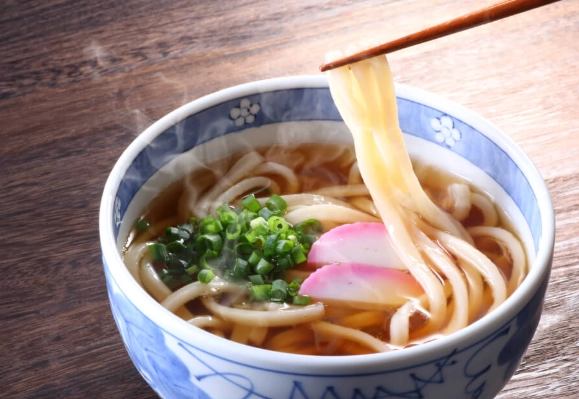
They're served in a multitude of ways:
- Kake udon: In a hot, mild dashi-based broth, often with a sprinkle of scallions. The ultimate simple comfort.
- Kitsune udon: Topped with a sheet of sweetened fried tofu (aburaage). My personal favorite for a sweet-savory hit.
- Tempura udon: With a piece of shrimp or vegetable tempura on top. The tempura gets slightly soggy, soaking up the broth—it's intentional and delicious.
- Zaru udon: Chilled, served on a bamboo tray with a dipping sauce (tsuyu) and garnishes. Perfect for summer.
The best udon I ever had was in a tiny shop in Takamatsu, Kagawa Prefecture (the self-proclaimed udon kingdom). The noodles were hand-cut, irregular, and had an unbelievable bounce. You could hear people slurping with gusto all around you.
Soba: The Nutty, Earthy Sophisticate
Soba is noodles made from buckwheat flour, sometimes mixed with wheat flour. They have a grayish-brown color, a slightly grainy texture, and a distinctive nutty, earthy flavor. They're considered healthier and are often eaten for luck on New Year's Eve (toshikoshi soba).
Like udon, they come hot in broth (kake soba) or cold with a dip (zaru soba). The dipping sauce for cold soba (soba tsuyu) is more concentrated and flavorful than the hot broth.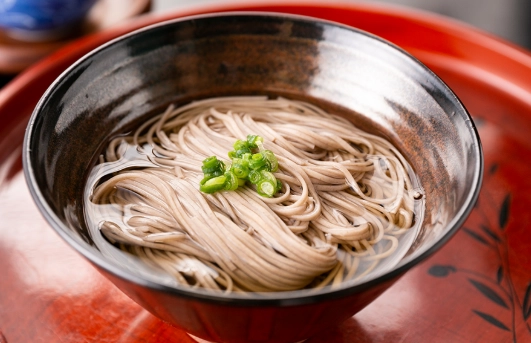
Here's a subtle point most miss: when you finish cold zaru soba, the server will give you a little pot of the hot water the noodles were cooked in, called soba-yu. Pour this into your leftover dipping sauce, mix it, and drink it. It's a warm, nutty finisher that's part of the full experience. Skipping it means you missed the last act.
| Noodle Type | Main Ingredient | Key Texture | Classic Serving Style | Flavor Profile |
|---|---|---|---|---|
| Ramen | Wheat + Kansui | Springy, Firm | Hot in rich, flavored broth | Varies (Savory, Porky, Soy, Miso) |
| Udon | Wheat | Thick, Chewy, Soft | Hot in mild dashi broth or cold with dip | Mild, Wheaty (takes on broth flavor) |
| Soba | Buckwheat | Firm, Slightly Grainy | Hot in broth or cold with concentrated dip | Nutty, Earthy, Distinctive |
Beyond the Basics: Lesser-Known Noodle Stars
Japan's noodle scene has more players.
Somen are the thinnest of all. Thread-like wheat noodles, served ice-cold with a dipping sauce in summer. Draining them through flowing bamboo flumes (nagashi somen) is a fun traditional experience.
Hiyamugi are slightly thicker than somen but thinner than udon, also served cold. They often come in a mix of white and pink or green noodles.
Shirataki are translucent, gelatinous noodles made from konjac yam. Almost zero calories, they're a diet food staple and often found in sukiyaki or certain hot pots. Don't expect a hearty chew—their texture is unique, some would say slippery.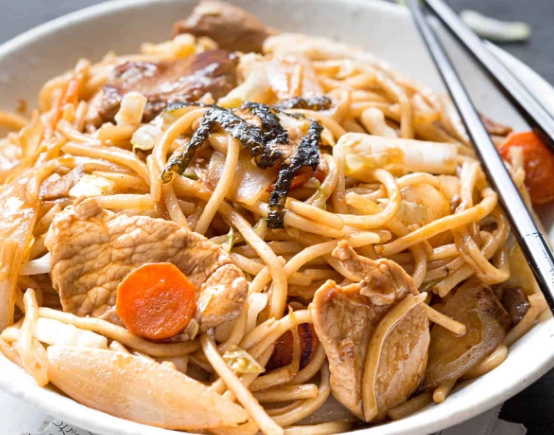
Then there are regional crossovers like Okinawa Soba. Despite the name, it's not buckwheat. It's a wheat noodle closer to a thick ramen noodle, served in a pork-based broth with stewed pork belly. It defies categorization and is delicious.
How to Eat Them Like You Know What You're Doing
Slurping is not just allowed, it's encouraged. It aerates the noodles, enhances flavor, and cools them down as they enter your mouth. Don't be shy.
With chopsticks in one hand and a spoon (for ramen) or by lifting the bowl (for udon/soba), get close to the bowl. It's less messy than trying to haul noodles from a distance.
For dipped noodles (zaru udon/soba), take a bite-sized portion from your serving, dip it lightly into the sauce—don't drown it—and slurp. It's polite to avoid double-dipping the part that's touched your mouth back into the shared dipping sauce.
Regional Treasures: A Noodle Road Trip
If you travel, seek these out.
Sapporo, Hokkaido: Miso ramen. Born in the cold north, it's hearty, often with sweet corn and butter melting on top. A local chain called Sumire is a classic for a reason.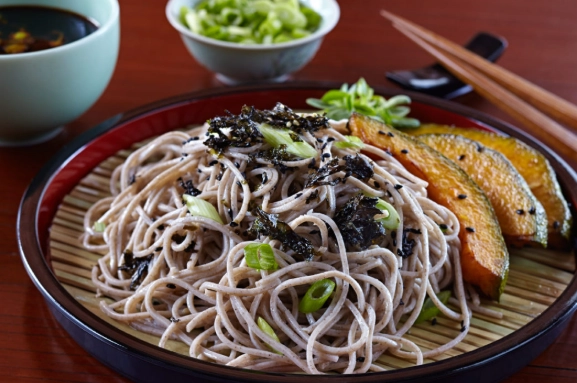
Kitakata, Fukushima: Known for its ramen with flat, wide, curly noodles in a shoyu-based pork and niboshi (dried sardine) broth. The texture of the noodle is everything here.
Takamatsu, Kagawa: The Udon Kingdom. Sanuki udon is famous for its square cross-section and exceptional chew. Go to a teuchi udon (handmade) shop. You often order at a counter, choose tempura toppings from a display, and eat standing up or at simple tables. It's fast, cheap, and phenomenal.
Izumo, Shimane: Izumo soba is served in a unique three-tiered lacquer box, with different toppings in each layer. The soba itself is often 100% buckwheat (ju-wari soba), giving it a stronger, grainier flavor.
Bringing It Home: Cooking Japanese Noodles Right
You can find good dried or fresh-frozen versions of all these noodles in Asian grocery stores or online. The cooking method is crucial.
For Ramen (dried): Use plenty of boiling water. Cook for the time on the package, but taste a minute before. They should be al dente, with a firm core. Drain immediately and don't rinse (you want the starch to help the broth cling). Get them into your bowl fast.
For Udon (dried or frozen): Frozen par-boiled udon is often better than dried. You can just heat it through in hot water or even microwave it. For dried, boil until tender but still chewy. You can rinse udon briefly with cold water to stop cooking and improve texture, especially for cold dishes.
For Soba (dried): This is the one you must rinse. Use a generous amount of boiling water. Cook, drain, and then wash thoroughly under cold running water, rubbing the noodles with your hands. This removes surface starch and prevents clumping, giving you that clean, distinct soba flavor and texture.
The broth is another story. For a quick fix, quality dashi packets or concentrates are your friend. For ramen, a good tare (seasoning base—buy shoyu or miso tare) mixed with your dashi can get you 80% of the way there. Top with a soft-boiled egg (marinated in soy/mirin), some chashu pork (you can use braised pork belly), scallions, and nori.
It's not about perfect replication. It's about capturing the spirit. A simple kake udon with a well-made dashi, some green onion, and a dash of shichimi togarashi (seven-spice) on a cold day is a deeply satisfying meal.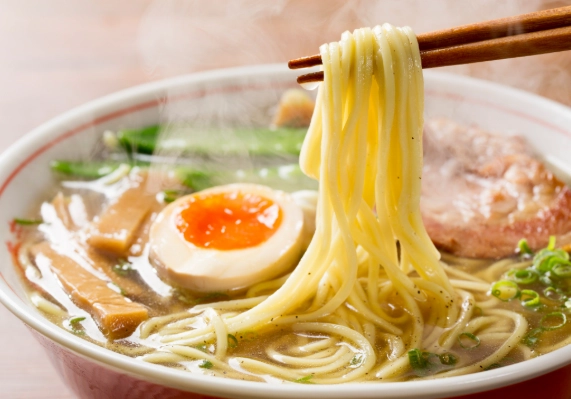
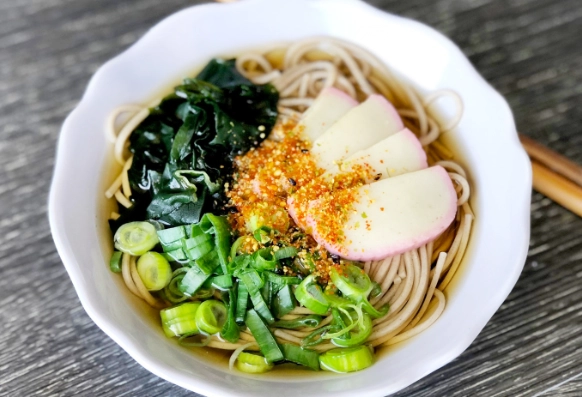
Japanese noodles are a journey. Start with the big three, but don't stop there. Pay attention to the texture, the way the noodle interacts with its sauce or soup. Try a regional specialty. And when you cook at home, respect the simple rules—cook in plenty of water, mind the starch, and build your flavors in layers. There's a whole world beyond that first bowl of ramen, and it's worth exploring.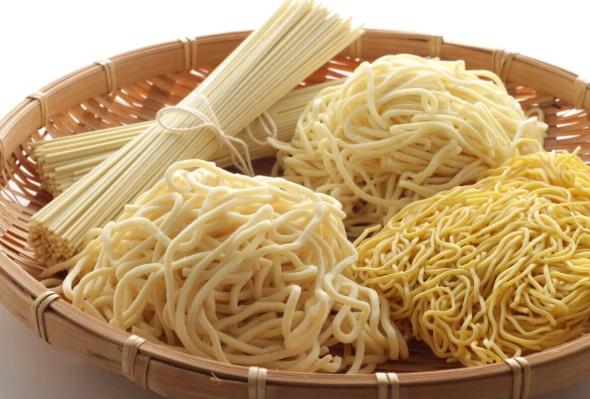
Reader Comments