You know that feeling when you bite into something and it's not at all what you expected? That's warabi mochi. It looks like a block of mochi, it's often served alongside mochi, but the moment it hits your tongue, the resemblance ends. It's cool, jiggly, and melts almost instantly. It's one of Japan's most underrated summer sweets, and it's nothing like the chewy, glutinous rice cake you might be picturing.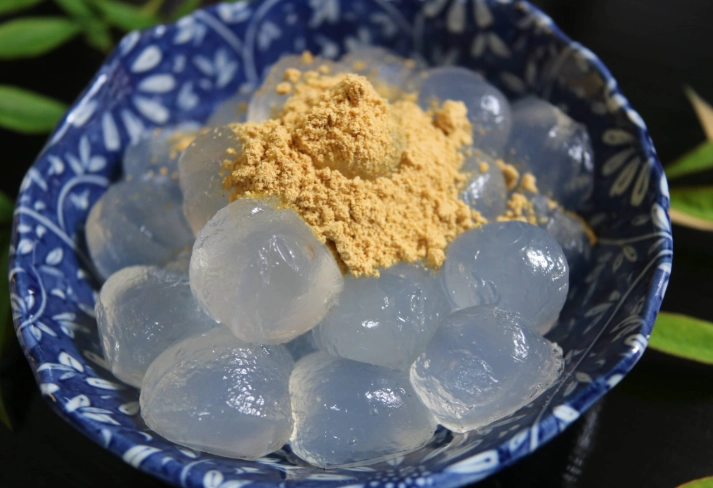
What's Inside This Warabi Mochi Guide?
What Exactly Is Warabi Mochi?
Let's clear this up first. The name is misleading. It contains no rice. Zero. Zilch. That's the whole point. Calling it "mochi" is a bit of a culinary misdirection, a nickname that stuck because of its shape and serving style. True mochi is made from glutinous rice (mochigome). Warabi mochi is made from the starch of a specific fern, the bracken (warabi or Pteridium aquilinum). That starch is called bracken starch or warabi flour.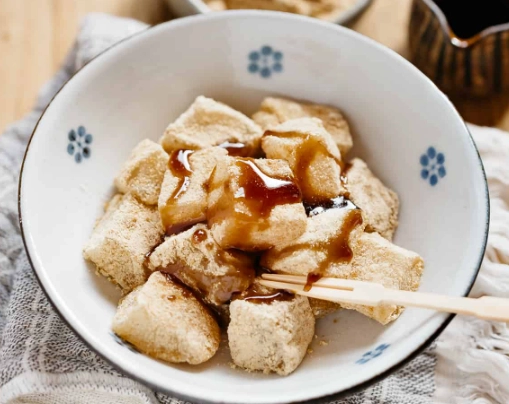
This origin story matters.
Because no rice means no gluten. This makes warabi mochi one of the oldest and most naturally gluten-free desserts in Japan, long before the term "gluten-free" ever existed. It was a food of necessity and practicality, often served during the hot, humid summers because its cool, jelly-like texture was refreshing and didn't require the heavy, laborious pounding that rice mochi did.
The texture is everything. If regular mochi is a satisfying, dense chew, warabi mochi is a delicate, trembling surrender. It's soft, but with a slight resistance. It's smooth, and it dissolves almost cleanly, leaving a subtle, earthy sweetness that comes directly from the fern starch itself. It's not overly sweet, relying heavily on its toppings for flavor.
How to Make Warabi Mochi at Home: A Step-by-Step Guide
I'm going to be honest here. Making warabi mochi is simple, but it's also unforgiving. There's a critical step that most online recipes gloss over, and it's the difference between a wobbly masterpiece and a rubbery failure.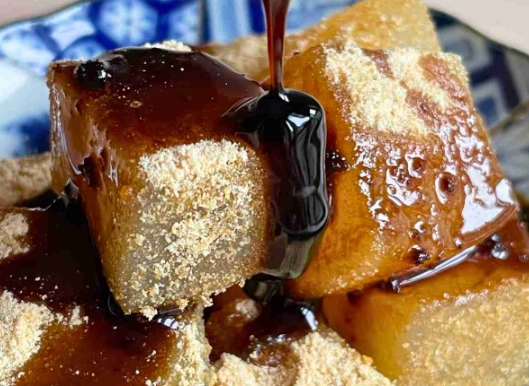
You need to cook the starch mixture for longer than you think.
Most recipes tell you to stir until it thickens and then immediately pour it into a pan. That's the beginner's method. The expert's trick is to keep cooking and stirring over medium-low heat for another 3 to 5 minutes after it thickens. You want it to become a very thick paste that pulls away from the sides of the pan and leaves a clear path when you drag a spoon through the bottom. This ensures the starch is fully gelatinized. If you stop too soon, the warabi mochi will be too soft and may not set properly, especially on a humid day.
Here's my foolproof recipe, scaled for a standard home batch.
The Ingredients (for about 4 servings)
- 50g warabi flour (bracken starch) – This is non-negotiable. Do not substitute with any other starch. You can find it online at stores like Amazon or at specialized Japanese grocery stores.
- 200ml water
- 100g granulated sugar
- Pinch of salt
The Equipment You'll Need
- A medium saucepan (non-stick is easier)
- A sturdy wooden spoon or silicone spatula
- A square or rectangular container (for setting, about 15cm x 15cm is ideal)
- Plastic wrap or a damp cloth
- Katakuriko (potato starch) for dusting – again, cornstarch or tapioca starch will alter the flavor and texture negatively.
Step-by-Step Process
- Mix the dry ingredients. In your saucepan, whisk together the warabi flour, sugar, and salt. This ensures no lumps.
- Add the water slowly. Gradually pour in about 50ml of the water while whisking constantly to create a smooth slurry. This is called "making a slurry" and it's crucial. Once that's smooth, whisk in the rest of the water until everything is fully dissolved and you have a thin, milky liquid.
Now, here's where most people mess up.
- Cook over medium-low heat, stirring constantly. Place the saucepan over medium-low heat. You must stir continuously with your wooden spoon, making sure to scrape the bottom and sides. At first, nothing will happen. Then, after a few minutes, you'll notice the mixture start to thicken slightly. This is the beginning of gelatinization.
- The critical phase. It will then thicken dramatically and quickly, within about 30 seconds. It will go from a thin liquid to a very thick, translucent paste. Do not stop stirring. This is where you need to switch from a whisking motion to a folding and pressing motion to break up any lumps. Reduce the heat to low.
- The "secret" extra cooking. Continue to cook and stir this thick paste for another 3 to 5 minutes. Yes, your arm will get tired. This is the step most recipes skip. You want the paste to become so thick that when you drag the spoon through the bottom of the pan, it leaves a clear path that fills in slowly. It should pull away from the sides of the pan almost completely. This extra cooking ensures the starch is fully set and will give you the perfect, firm-yet-tender texture.
- Transfer and smooth. Immediately pour this very hot paste into your prepared container (lightly dusted with katakuriko starch). Use a spatula dipped in water to smooth the top quickly and evenly. The water prevents sticking.
- Cover and cool. Cover the surface directly with plastic wrap or a damp cloth to prevent a skin from forming. Let it cool at room temperature for about 30 minutes, then transfer to the refrigerator to chill completely, for at least 3 hours or, ideally, overnight. This slow cooling also helps the texture.
See? The process is simple, but that final cooking time is what separates the good from the great. I learned this the hard way my first few attempts, ending up with a dessert that was either too soft and sticky or too firm and rubbery. Getting that window right takes a bit of practice, but once you see and feel the correct consistency, you'll never go back.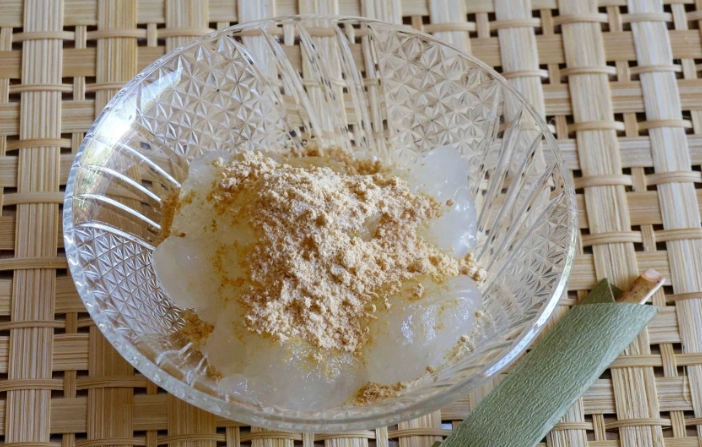
Where to Find the Best Warabi Mochi in Japan?
If you're traveling to Japan, seeking out warabi mochi is a delightful treasure hunt. It's not as ubiquitous as, say, dorayaki. You'll find it in specific places, often with regional variations.
Here are my top three recommendations, based on a decade of chasing this dessert across the country.
| Shop Name | Location | Why It's Special | Price Range (per serving) | Best Time to Visit |
|---|---|---|---|---|
| 1. Kameya Yoshifusa (亀屋吉房) | Nakagyo-ku, Kyoto | The undisputed king. Founded in 1865, they still use traditional stone-grinding methods for their bracken starch, resulting in an unbelievably smooth, almost ethereal texture. Their kinako (soasted soybean flour) is blended with a whisper of brown sugar, creating a perfectly balanced flavor that isn't overly sweet. | ¥400 - ¥600 | Morning (they often sell out by early afternoon) |
| 2. Funabashiya (船橋屋) | Asakusa, Tokyo | A shop that has perfected the art of the "soft bite." Their warabi mochi is slightly less firm than Kameya's, offering a different but equally mesmerizing melt-in-your-mouth experience. They also offer a unique kurogoma (black sesame) kinako topping that is intensely aromatic. | ¥350 - ¥500 | Afternoon |
| 3. Warabi no Sato (わらびの里) | Takayama, Gifu | This is a hidden gem. Located in the mountains, they source their bracken locally. The texture is slightly more resilient, with a pronounced, clean bracken flavor that shines through. It's a rustic, powerful interpretation of the classic. | ¥300 - ¥450 | All day (they are a cafe and restaurant) |
Kameya Yoshifusa is the pilgrimage site. Be prepared to queue, but the line moves fast and the experience is worth every second. For something a bit different in Tokyo, Funabashiya offers an incredible alternative. And if you're an adventurous eater, the trip to Warabi no Sato in the Japanese Alps is an experience that blends the dessert with its literal source.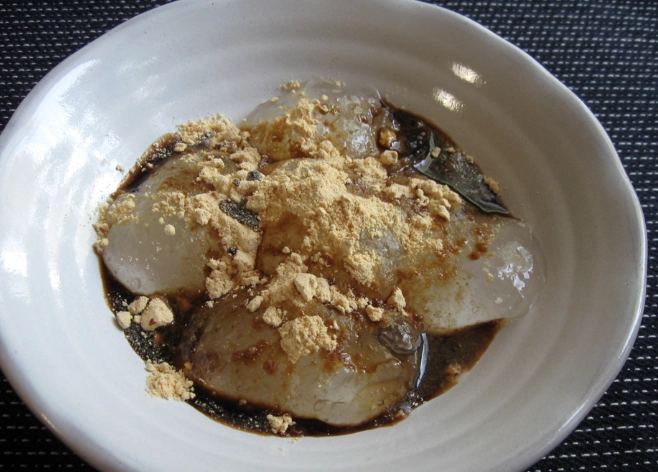
One common mistake tourists make is buying prepackaged warabi mochi from airport souvenir shops or generic department stores. The texture is often compromised, and the flavor can be cloyingly sweet. Always seek out the specialist shops, even if they are slightly out of the way. The difference is profound.
How to Serve and Eat Warabi Mochi (Beyond the Basics)
The classic, and in my opinion, the only proper way to eat plain warabi mochi, is dusted with a generous amount of kinako (soybean flour). The nutty, slightly bitter flavor of the kinako cuts through the mild sweetness of the jelly perfectly. A light drizzle of kuro mitsu (black sugar syrup) is sometimes added, but I find it often makes the dessert too sweet and masks the delicate bracken flavor.
But let's talk about the modern interpretations, which can be fantastic or, frankly, a bit of a mess.
The Good: I've had it served with a dollop of whipped cream and fresh strawberries, which works surprisingly well. The cream adds richness and the strawberries a touch of acidity. I've also seen a version with matcha (green tea) powder and red bean paste, which stays true to Japanese flavor profiles.
The Bad (and this is my personal, non-consensus view): The trend of drizzling it with chocolate syrup, caramel, or even worse, fruit-flavored syrups from a squeeze bottle, is a mistake. It overpowers the subtlety. Warabi mochi is a quiet, refined dessert. It's not a canvas for bold, clashing flavors. It should be the star, not the vehicle for cheap, overly sweet toppings.
Warabi Mochi vs. Regular Mochi: The Texture Showdown
This is the most common question I get. The only thing they share is the name "mochi."
Think of it this way. Regular mochi is chewy, dense, and filling. It's a satisfying, substantial food. Warabi mochi is light, refreshing, and almost ethereal. It's a textural palate cleanser, not a stomach filler. They serve completely different purposes in a meal. Comparing them is like comparing a steak and a sorbet.
Regular mochi can be grilled, baked, or added to soups. Warabi mochi cannot. It will simply melt. It is meant to be served chilled and eaten quickly, often as a summer treat or a light dessert to finish a rich meal.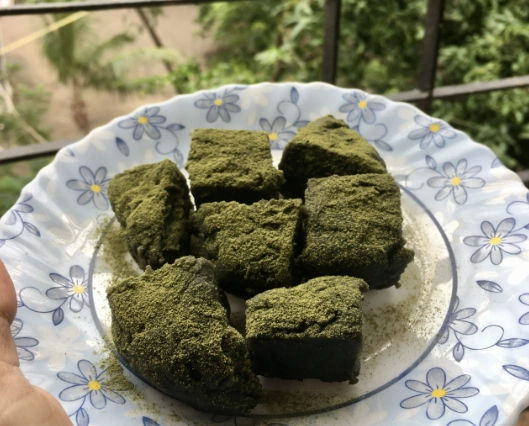
So, the next time someone says they don't like warabi mochi, ask them if they've actually tried it, or if they're just imagining it to be something it's not.
Reader Comments