Quick Navigation
- What Exactly Is Zaru Soba? Let's Clear This Up First
- The Noodles Themselves: It's All About the Buckwheat
- The Heart of the Matter: The Dipping Sauce (Tsuyu)
- The Art of the Assembly: How to Actually Eat Zaru Soba
- Why Cold? The Practical and Sensory Reasons
- Common Questions (Stuff You Were Too Afraid to Ask)
- Zaru Soba vs. Other Cold Noodle Dishes: A Quick Comparison
- My Go-To Homemade Zaru Soba Setup (The Lazy Version)
- The Final Slurp
I remember the first time I had proper zaru soba. It wasn't in Japan, surprisingly. It was in this tiny, family-run spot in Los Angeles that had about eight seats total. The chef, an older Japanese man, placed this beautiful bamboo tray in front of me. On it sat a neat bundle of grayish-brown noodles, looking almost delicate. Next to it was a small ceramic bowl of dark, fragrant dipping sauce. I had no idea what I was doing. I think I dumped the entire side of wasabi into the sauce, stirred it like crazy, and then proceeded to slurp the noodles way too fast. The chef just smiled and nodded. He knew.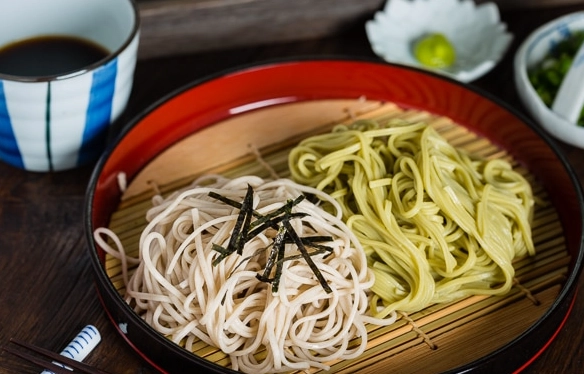
That experience stuck with me. Because zaru soba isn't just food. It's a ritual. It's a specific, refreshing, and honestly, a genius way to eat noodles. When summer hits and the humidity makes you want to melt, a plate of chilled zaru soba is like a reset button for your body. But here's the thing – a lot of people get it wrong. They treat it like any other pasta dish. And that's a shame, because you miss out on the subtlety, the texture, and the whole experience.
So, let's talk about it. Really talk about it. Not just the "what" but the "how" and the "why." Why is it served cold? What's the deal with that dipping sauce? And seriously, how are you supposed to eat this thing without looking like a total beginner?
What Exactly Is Zaru Soba? Let's Clear This Up First
Okay, basics. Zaru soba (ざるそば) is a Japanese dish consisting of chilled soba (buckwheat) noodles served on a flat bamboo basket called a zaru. That's where the name comes from. The noodles are cooked, rinsed thoroughly in cold water to stop the cooking and remove surface starch, then drained and chilled. They're served completely plain and unadorned on the basket.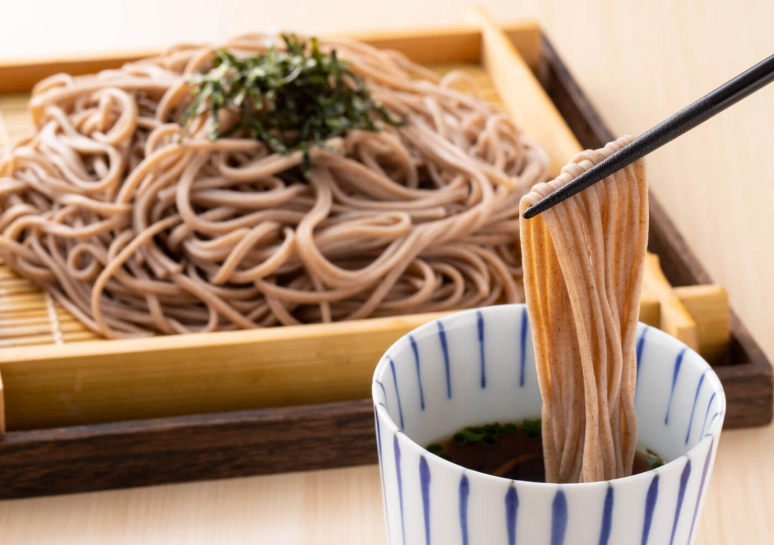
The magic happens with the accompaniments. You always get a small cup of dipping sauce called tsuyu or mentsuyu. This is a concentrated, savory, umami-packed broth made from dashi (Japanese soup stock), soy sauce, and mirin (sweet rice wine). It's served cold or at room temperature. Then you have your condiments: usually grated daikon radish, finely chopped green onions (negi), and a dollop of wasabi. Sometimes you get shredded nori (seaweed) sprinkled on the noodles themselves.
Here's where people get confused. Zaru soba is a type of mori soba (盛りそば), which just means "served soba." The key difference is the zaru basket. Some places might serve mori soba on a regular plate, but if it's on the bamboo, it's zaru soba. The basket isn't just for looks. It allows air to circulate around the noodles, preventing them from getting soggy and sticking together. It's functional design.
The Noodles Themselves: It's All About the Buckwheat
This is non-negotiable. The quality of your zaru soba experience lives and dies with the noodle. Good soba has a distinct, nutty, earthy flavor and a firm, slightly chewy texture. It should have character. It shouldn't just be a bland vehicle for sauce.
Authentic soba noodles are made from buckwheat flour. But here's the catch: 100% buckwheat flour (ju-wari soba) is very difficult to work with. It lacks gluten, so it's fragile and breaks easily. Most soba, even the good stuff, is a blend. A common high-quality ratio is 80% buckwheat to 20% wheat flour (hachi-wari soba). This gives the noodles enough structure to hold together while maximizing that buckwheat taste. The cheaper, more common stuff you find in supermarkets might be 40% buckwheat or less. You can taste the difference immediately. The higher the buckwheat content, the darker, grainier, and more pronounced the flavor.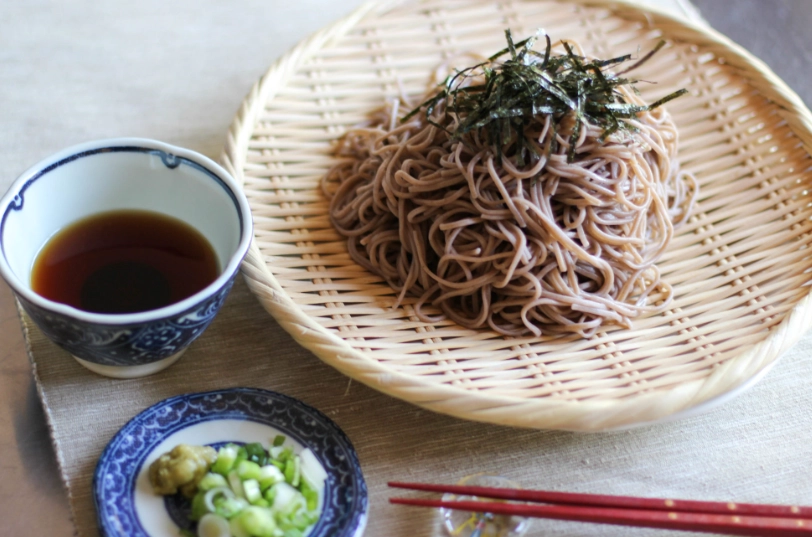
I made the mistake once of buying the cheapest dried soba I could find for a home experiment. The noodles were pale, soft, and kind of sad. They fell apart in the cold water and tasted like nothing. It was a lesson learned. For zaru soba, where the noodle is the star, you can't cheap out. Look for a higher buckwheat percentage.
The texture after chilling is crucial. Properly cooked and rinsed soba for zaru soba should be firm to the bite (al dente, if we're using Italian terms). The cold water rinse shocks the noodles, tightening the starches on the surface. This gives them that wonderful slippery-yet-firm mouthfeel. If the noodles are mushy or clumped together, something went wrong in the process.
The Heart of the Matter: The Dipping Sauce (Tsuyu)
If the noodles are the body, the tsuyu is the soul. This isn't just soy sauce. Calling it that is an insult to centuries of Japanese culinary tradition. Tsuyu is a balanced, complex, and deeply savory concoction.
At its core, a good tsuyu for zaru soba contains three key elements:
- Dashi: The foundational stock. The best dashi is made from kombu (kelp) and katsuobushi (shaved bonito flakes). This provides the umami backbone. Instant dashi granules work in a pinch, but the flavor depth is noticeably different. The Japan Soba Association often emphasizes the importance of quality dashi in defining a great soba experience.
- Soy Sauce: Preferably a good quality, naturally brewed soy sauce (koikuchi shoyu). This adds saltiness and color.
- Mirin: Sweet rice wine. This is the balancer. It rounds out the salty, savory notes with a gentle, clean sweetness. Don't substitute with sugar; it's not the same.
These are simmered together and then cooled. For serving with zaru soba, the tsuyu is usually diluted slightly with water because it's so concentrated. You're meant to dip, not drown.
And here's a pro tip you rarely see: what do you do with the leftover tsuyu at the end of the meal? In many restaurants, they'll bring you a small pot of the hot water the soba was cooked in, called sobayu. You pour this into your leftover dipping sauce cup, mix it, and drink it as a warm, savory soup. It's the perfect finish. If you're making zaru soba at home, save some of the noodle cooking water. Don't throw it all out.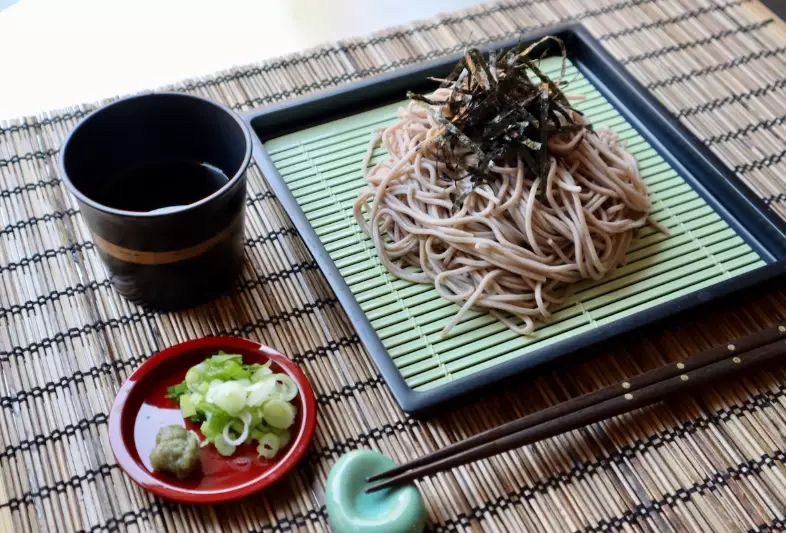
The Art of the Assembly: How to Actually Eat Zaru Soba
This is the part everyone is secretly anxious about. Relax. There's a method, but it's not rocket science. The goal is to enjoy each bite with the perfect amount of seasoned sauce.
- Season your tsuyu. Take your small cup of dipping sauce. Add as much or as little of the grated daikon, green onions, and wasabi as you like. I start with a little of each and adjust as I go. Use your chopsticks to gently mix them into the sauce. The wasabi will dissolve and infuse the tsuyu with its sharp, clean heat.
- Take a small bundle of noodles. Using your chopsticks, pick up a manageable bite-sized amount of noodles from the zaru. Don't take huge clumps. The idea is to dip, not to submerge half the plate.
- Dip, don't soak. Lightly dip about one-third to one-half of the noodle bundle into the tsuyu. Just a quick in-and-out to coat the noodles. You want to taste the noodle AND the sauce, not just a mouthful of liquid.
- Slurp with confidence. This is important. Lift the noodles to your mouth and slurp them up. Yes, slurp. In Japanese noodle culture, slurping is not only acceptable, it's encouraged. It aerates the noodles, enhancing the flavor, and helps cool them down as you bring them into your mouth. Do it without shame.
- Repeat and enjoy. Go back for more noodles, bite by bite. The beauty is that each bite can be slightly different. Maybe you want more wasabi heat on the next one, so you add a bit more to the sauce.
What about the nori? If you have shredded nori on top of your noodles, it will stick to them as you pick them up, adding a briny, oceanic crispness to each bite. It's fantastic.
Why Cold? The Practical and Sensory Reasons
This is a question I had for the longest time. Why serve noodles cold? It seems counterintuitive, especially when most global noodle traditions favor hot soups.
First, climate. Japan has brutally hot, humid summers. A steaming bowl of soup is the last thing you want. Chilled zaru soba is refreshing and cooling. It's a seasonal dish, traditionally associated with summer, though you can find it year-round now.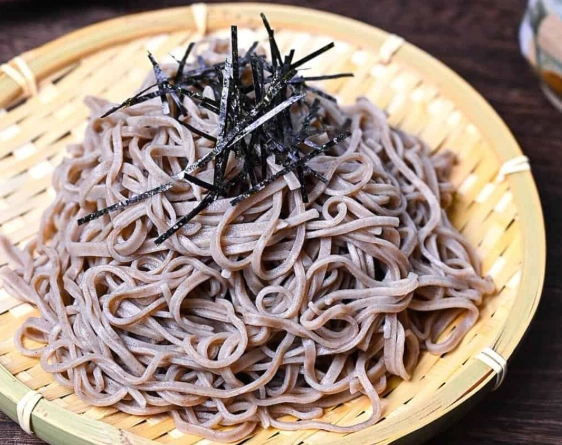
Second, it highlights texture. The cold rinse gives the soba noodles a uniquely slick, firm, and satisfying chew that you simply don't get in a hot broth. The noodles stay distinct and separate.
Third, it focuses the palate. When the noodles and sauce are separate, you taste each component more clearly. The nuttiness of the buckwheat. The deep umami of the tsuyu. The sharp bite of the wasabi. In a hot soup, these flavors meld and muddle together. With zaru soba, it's a clean, precise flavor experience.
I find it to be a more active, engaging way to eat. You're involved in the process. It's not passive consumption.
Common Questions (Stuff You Were Too Afraid to Ask)
Is Zaru Soba Healthy?
Generally, yes, but with caveats. Buckwheat is a nutritional powerhouse. It's a good source of complex carbohydrates, fiber, and protein. It contains all eight essential amino acids (which is rare for a plant-based food) and is rich in minerals like manganese and magnesium. It's also naturally gluten-free, though remember, most soba noodles have some wheat flour blended in. The dish itself is low in fat. The sodium comes mainly from the tsuyu, so you control that by how much you dip. If you're watching your salt intake, just dip lightly. Compared to a creamy pasta dish or a greasy bowl of ramen, zaru soba is a very light and healthy choice. The Ministry of Agriculture, Forestry and Fisheries (MAFF) in Japan often highlights buckwheat as a traditional, healthy staple crop.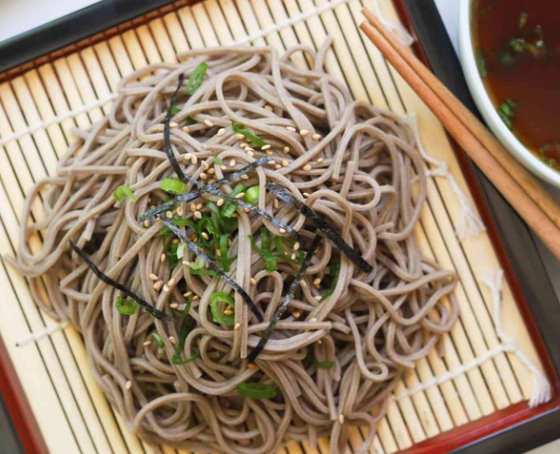
Can I Make Zaru Soba at Home Without Fancy Equipment?
Absolutely. You don't need a bamboo zaru. A colander, a plate, or even a regular strainer will work. The goal is to drain the noodles well and let them cool without steaming themselves. You can buy good-quality dried soba noodles from any Asian grocery store or online. For the tsuyu, you can also buy bottled mentsuyu concentrate. Just dilute it with cold water as per the instructions. It's a fantastic shortcut. Grate some daikon, chop some green onions, and get some wasabi paste (the real stuff, not the dyed horseradish kind if you can help it). That's it. You're 15 minutes from a homemade zaru soba feast.
What's the Difference Between Cold Soba and Cold Udon?
They're completely different beasts. Udon noodles are thick, white, and chewy, made from wheat flour. They have a very neutral, mild flavor and a soft, pillowy texture. Cold udon (zaru udon) is served similarly, but the experience is about the satisfying, dense chew of the udon noodle soaking up the sauce. Zaru soba is about the distinct, nutty, earthy flavor of buckwheat and its firmer, more delicate texture. It's a more flavorful noodle on its own. I prefer soba for its character, but udon is wonderfully comforting in its own way.
Is it Rude to Drink the Leftover Tsuyu?
Not at all! As mentioned, the traditional way to finish is to ask for or add the hot sobayu (noodle water) to your leftover sauce and drink it. It's considered the perfect ending, a way to enjoy every last drop of flavor and warm your stomach after the cold meal. If you're in a restaurant and they don't automatically bring the hot water, you can ask for "sobayu, kudasai." They'll know what you mean.
Zaru Soba vs. Other Cold Noodle Dishes: A Quick Comparison
| Dish Name | Noodle Type | Serving Style | Key Flavor Profile | Best For... |
|---|---|---|---|---|
| Zaru Soba | Buckwheat (Soba) | On bamboo tray, with separate dipping sauce (tsuyu) | Nutty, earthy, clean, umami-forward | A refreshing, light, and elegant meal. Highlighting pure noodle flavor. |
| Hiyashi Chuka (Cold Ramen) | Wheat (Ramen-style) | On a plate, topped with an array of colorful toppings (egg, ham, cucumber) and a poured, often vinegary sauce. | Sweet, tangy, savory, with lots of topping variety. | A vibrant, filling, and fun summer lunch. More of a "meal in a bowl." |
| Somen | Thin, delicate wheat noodles | Often served floating in ice water with a dipping sauce, or with flowing cold water (nagashi somen). | Very light, mild, and subtle. | An ultra-refreshing, almost snack-like experience on the hottest days. |
| Zaru Udon | Thick wheat (Udon) | Similar to zaru soba, on a tray with dipping sauce. | Chewy, mild, comforting. The sauce is the main flavor. | When you want a more substantial, chewy noodle bite with a familiar wheat taste. |
See? Zaru soba occupies its own unique space. It's not trying to be a flavor bomb like Hiyashi Chuka. It's about sophistication and simplicity.
My Go-To Homemade Zaru Soba Setup (The Lazy Version)
Look, I love authenticity, but I also love not spending two hours in the kitchen on a weeknight. Here's my absolutely foolproof, 20-minute home version that still tastes amazing.
- 1 bundle of dried soba noodles (look for 80% buckwheat if possible)
- Bottled mentsuyu concentrate (available at Asian markets or online)
- 1-2 inches of daikon radish
- 1-2 green onions
- Real wasabi paste or powder (or the best you can find)
- Optional: Nori strips (they sell pre-toasted and shredded packs)
- Bring a large pot of unsalted water to a boil. Add the soba noodles. Stir immediately to prevent sticking. Cook for about 4-5 minutes, or as per package instructions. They should be tender but firm.
- While the noodles cook, prepare an ice bath in a large bowl (cold water with lots of ice cubes). Grate your daikon. Chop your green onions finely. Prepare your wasabi.
- Drain the cooked noodles in a colander. Immediately plunge them into the ice bath. Swirl them around with your hands. This stops the cooking and chills them fast.
- Drain the noodles again, giving them a good shake. I sometimes pat them gently with a clean kitchen towel to remove excess water. Arrange them on a plate or in a shallow bowl. If using nori, sprinkle it on top now.
- Prepare the tsuyu. Follow the dilution ratio on the mentsuyu bottle for "cold dipping sauce" (usually something like 1 part concentrate to 2-3 parts cold water). Pour it into small individual cups.
- Serve the noodles, sauce, and condiments together. Eat immediately.
It's that simple. The bottled tsuyu is a lifesaver. The flavor is consistent and deeply savory. Is it as good as from-scratch dashi? Maybe 90% as good for 10% of the effort. I'll take that trade-off any day.
The Final Slurp
At the end of the day, zaru soba is one of those perfect foods. It's simple in concept but deep in execution. It's healthy, refreshing, and feels like a treat without being heavy. It's a dish that demands a moment of your attention, asking you to slow down and engage with your food. In our world of fast, overwhelming flavors, that's a rare and beautiful thing.
So next time you see it on a menu, or feel like making something different at home, give it a try. Don't be intimidated. Grab those chopsticks, mix your condiments into that dark, fragrant sauce, pick up a neat bundle of those gray-brown noodles, dip, and slurp. You might just find your new favorite summer ritual. Or, at the very least, you'll understand why that old chef in LA just smiled and nodded. He knew I'd figure it out eventually.
And hey, if you mess up the first time? That's okay. The noodles still taste good. There are no soba police. Just enjoy the process, and the delicious, cooling reward.
Reader Comments