Quick Navigation
Let's be honest. We've all had that moment. You're scrolling online, you see a picture of a perfect bowl of chicken shoyu ramen—clear, amber broth, springy noodles, a soft-boiled egg staring back at you—and you think, "I need that." But then you remember the last time you tried a packet of instant stuff. It was... fine. Salty, a bit one-note, and nothing like the soul-warming bowl you're craving. That's the gap, right there. Between the dream and the reality.
Good news is, that gap can be closed. You can make a seriously good chicken shoyu ramen at home. It's not a 10-minute affair, I won't lie to you. But it's also not rocket science. It's about understanding a few key parts and how they play together. The savory, umami-rich chicken broth. The salty-sweet depth of the shoyu (soy sauce) tare. The right noodles. The toppings that make it a meal.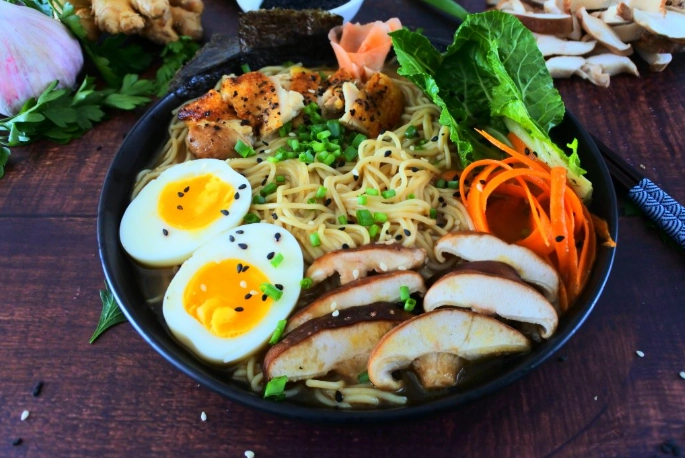
I messed this up for years. My first attempts were murky, too salty, or just bland. I'd follow a recipe to the letter, but it never tasted "right." It took talking to a few chefs (and a lot of mediocre bowls) to figure out why. This guide is what I wish I had back then. We're going to break it all down, no fancy chef jargon, just clear steps and the "why" behind them.
So, What Exactly Is Chicken Shoyu Ramen?
At its heart, it's a type of ramen defined by its seasoning base, the tare (pronounced tah-reh). Shoyu means soy sauce. So, a shoyu ramen uses a soy-sauce-based tare to season a clear broth. When that broth is made primarily from chicken, you get chicken shoyu ramen. It's one of the oldest and most classic styles in Japan, originating from Tokyo and the surrounding Kanto region.
The flavor profile is distinct. It's not as heavy or creamy as a tonkotsu (pork bone) ramen. Instead, think clear, elegant, and deeply savory. It's umami-forward, with a clean chicken flavor that's enhanced, not overpowered, by the complex salinity and slight sweetness of good soy sauce. It's often described as refined and comforting at the same time.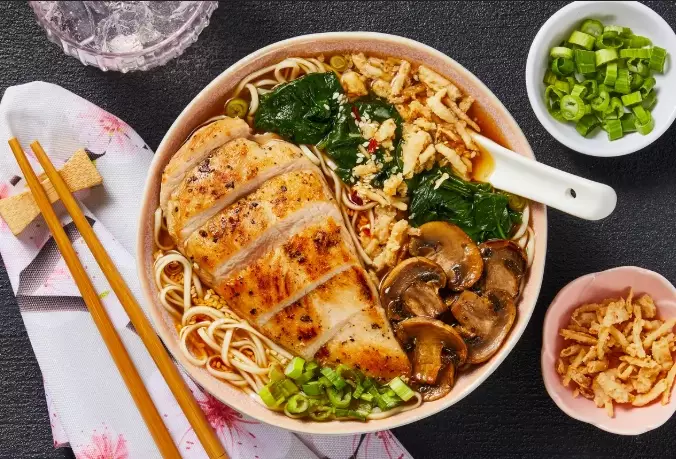
You'll find it everywhere in Japan, from busy Tokyo train station stalls to quiet neighborhood shops. Each place has its own secret blend of soy sauces for the tare. That's where the magic—and the variation—happens.
The Four Pillars of a Great Bowl
Every ramen, including our star chicken shoyu ramen, is built on four essential components. Get one wrong, and the whole bowl feels off.
The Broth (Soup)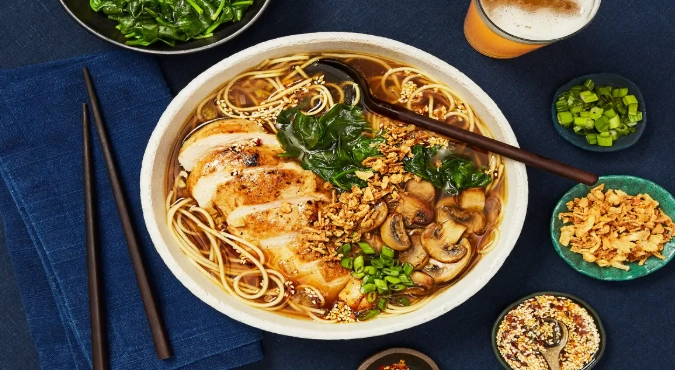
This is the foundation, the soul of the dish. For chicken shoyu ramen, we want a clear, flavorful broth. We're not boiling the bones into a milky emulsion like for tonkotsu. We're simmering them gently to extract flavor while keeping the broth clear. We use a combination of bones (for body and richness) and meaty pieces (for pure chicken flavor). Chicken feet are a secret weapon—they're packed with collagen, which gives the broth a wonderful, silky mouthfeel without cloudiness.
My personal method? I start with cold water, bring it to a boil, skim off the scum religiously for the first 10 minutes (this is crucial for clarity), then drop it to the gentlest possible simmer for 4-6 hours. A rolling boil will make it cloudy. Patience is key. Some people add a few vegetables like onion, ginger, and garlic for extra depth, but I often prefer a pure chicken flavor for this style. It's cleaner.
The Tare (Seasoning Sauce)
This is the flavor engine. Tare is a concentrated seasoning paste or liquid added to the bottom of the bowl before the broth is poured in. For shoyu tare, soy sauce is the star, but it's rarely just one bottle poured in. It's a blend. Often, it includes mirin (sweet rice wine) for sweetness and complexity, sake for aroma, a touch of sugar, and sometimes dashi (kelp and bonito stock) or other umami boosters like dried mushrooms or niboshi (dried sardines).
The tare is what makes one shop's chicken shoyu ramen different from another's. A good tare is balanced—salty, yes, but also with rounded sweetness and umami that doesn't just taste like straight soy sauce. You can make a simple one at home with just a few ingredients, which we'll get to.
The Noodles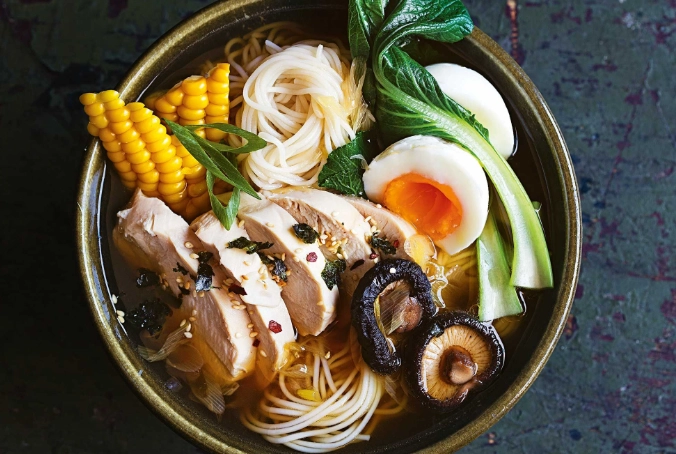
Ramen noodles are wheat noodles made with kansui (alkaline mineral water). This gives them their distinctive yellow color, firm texture, and slightly alkaline flavor that pairs perfectly with the rich broth. For a clear broth like chicken shoyu, you typically want straight, medium-thin noodles. They're elegant and don't overpower the soup. Curly, thick noodles are better for clinging to thick, creamy broths.
Honestly? Making noodles from scratch is a project. For most home cooks, sourcing good fresh or dried ramen noodles is the way to go. Look for them in Asian grocery stores or online. If you must use dried, just be aware the texture will be different—more like a good Italian pasta than the springy "bite" of fresh ramen noodles.
The Toppings (Menma, Chashu, Egg, etc.)
This is the fun part, the customization. Classic toppings for chicken shoyu ramen include:
- Chashu: Braised pork belly, sliced thin. Yes, even on a chicken ramen! The fatty pork is a fantastic contrast. You can also use chicken chashu (braised chicken thigh).
- Ajitsuke Tamago (Marinated Soft-Boiled Egg): Non-negotiable for me. The runny yolk adds richness to the broth.
- Menma: Fermented bamboo shoots, for a crunchy, savory bite.
- Narutomaki: The white fish cake with a pink swirl. Aesthetic more than flavor, but traditional.
- Negi: Finely chopped green onions for freshness.
- Nori: A sheet of dried seaweed.
You don't need all of them. Pick your favorites.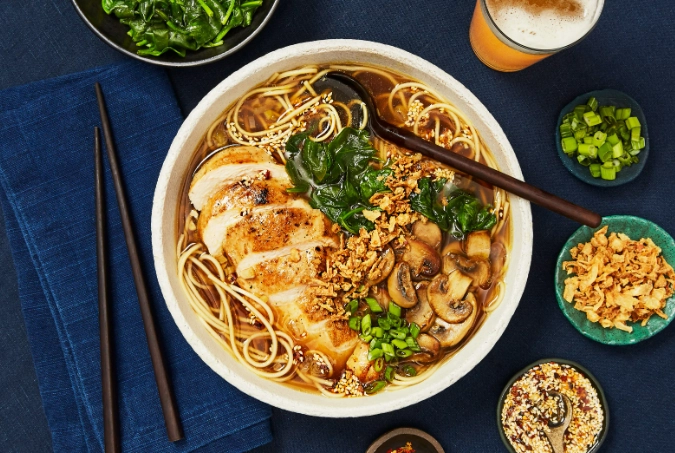
Your Step-by-Step Recipe for Homemade Chicken Shoyu Ramen
Alright, let's get practical. Here's a recipe that works. It's broken down into manageable parts, most of which you can make ahead of time.
Part 1: The Clear Chicken Broth
- 2-3 lbs chicken bones (backs, necks, wings)
- 1 lb chicken feet (trust me on this)
- 1 whole chicken leg (thigh + drumstick), optional but great for flavor
- 1 large onion, halved (skin on is okay)
- 1 knob ginger (about 2 inches), sliced
- 4-5 garlic cloves, smashed
- 4 quarts cold water
Method: Rinse all chicken parts. Place in a large stockpot with cold water. Bring to a rolling boil. Immediately reduce to the lowest heat that maintains a gentle bubble. Skim off the scum and fat that rises to the top for the first 10-15 minutes meticulously. Add the vegetables. Simmer, partially covered, for 5-6 hours. Do not let it boil hard. Strain through a fine-mesh sieve lined with cheesecloth. Let cool, then skim off any fat from the surface. You should have a clear, golden broth. Season with only salt lightly at this stage; the tare will add most of the salt later.
Part 2: The Shoyu Tare
- 1 cup good-quality Japanese soy sauce (like Kikkoman or Yamaki)
- 1/2 cup mirin
- 1/4 cup sake
- 1-2 tbsp sugar (I prefer brown sugar)
- A 2x2 inch piece of kombu (dried kelp)
- 5-6 dried shiitake mushrooms
- 1 small piece of ginger, sliced
Method: Combine all ingredients in a small saucepan. Bring to just barely a simmer over medium heat, then immediately turn off the heat. Let it steep for at least 30 minutes, or until completely cool. Strain out the solids. This tare will keep in the fridge for weeks. It's powerfully flavorful, so you'll only use 1.5-2 tablespoons per bowl.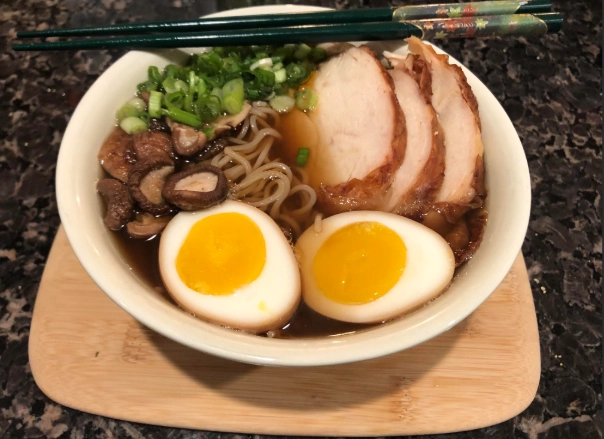
Part 3: The Toppings (Quick Versions)
- Chashu: Roll a piece of pork belly and tie with kitchen twine. Sear all sides in a pot. Add 1 cup water, 1/2 cup soy sauce, 1/2 cup sake, 1/4 cup sugar, sliced ginger and garlic. Simmer for 1.5-2 hours until tender. Cool in the liquid, then slice.
- Ajitsuke Tamago: Soft-boil eggs (6.5 minutes for runny). Cool in ice water, peel. Marinate in a mix of 1/2 cup soy sauce, 1/2 cup water, 2 tbsp mirin, 1 tbsp sugar for 4-12 hours in the fridge.
- Menma & Negi: Buy prepared menma. Slice green onions thinly.
Assembly: The Final Bowl
- Cook the Noodles: Boil your fresh or dried ramen noodles according to package directions. They should be just shy of al dente (katame), as they'll continue cooking in the hot broth.
- Heat the Broth: Bring your clear chicken broth to a rolling boil in a separate pot.
- Season the Bowl: For each serving bowl, add 1.5 to 2 tablespoons of your shoyu tare.
- Combine: Drain the noodles well and place them directly into the bowl. Quickly pour the piping hot chicken broth over the noodles. The hot broth will activate the tare and heat the noodles perfectly.
- Top & Serve: Immediately arrange your toppings: 2-3 slices of chashu, a halved marinated egg, a small pile of menma, a sprinkle of negi, and a sheet of nori on the side. Serve immediately. Slurp loudly—it's polite and enhances the flavor!
See? It's a process, but each part is simple. Make the broth and tare on a weekend, and you can have restaurant-level chicken shoyu ramen on a Wednesday night.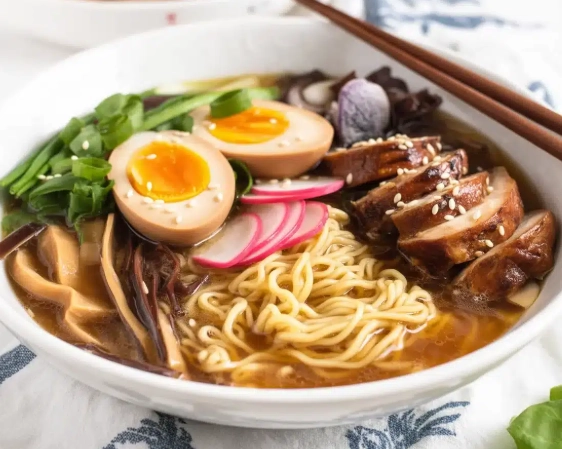
Choosing Your Ingredients: A Quick Guide
Not all soy sauces or noodles are created equal. Here's a no-nonsense breakdown.
| Ingredient | What to Look For | What to Avoid | Why It Matters |
|---|---|---|---|
| Soy Sauce (Shoyu) | Japanese brands like Kikkoman, Yamasa, or artisanal varieties. "Koikuchi" (dark) is standard. "Usukuchi" (light) is great for blending. | Generic "soy sauce" or thick, sweet Chinese styles (like dark soy for color). | Japanese soy sauce is brewed from wheat and soybeans, giving a balanced, nuanced flavor. Others can be harsh or overly sweet. |
| Mirin | "Hon Mirin" (true mirin) with an alcohol content. Or "Mirin-fu" seasoning if you can't find hon mirin. | "Mirin-like" condiments with high fructose corn syrup as the first ingredient. | Real mirin adds a subtle sweetness and complex aroma from fermentation. Fake mirin is just cloyingly sweet. |
| Chicken Parts | Bones with some connective tissue (necks, backs, wings). Chicken feet are the ultimate secret for body. | Just plain breast meat or boneless, skinless thighs. | Flavor and body come from bones, marrow, skin, and collagen. Meat alone makes a weak, thin broth. |
| Ramen Noodles | Fresh or frozen ramen noodles from an Asian market. Look for "Chukamen" on the package. | Instant ramen bricks (for the noodles). Italian pasta or udon. | Ramen noodles' alkaline texture is unique and essential to the experience. Other noodles turn to mush or don't carry the broth. |
Common Questions & Troubleshooting
Here are the things I get asked most, or the problems I ran into myself.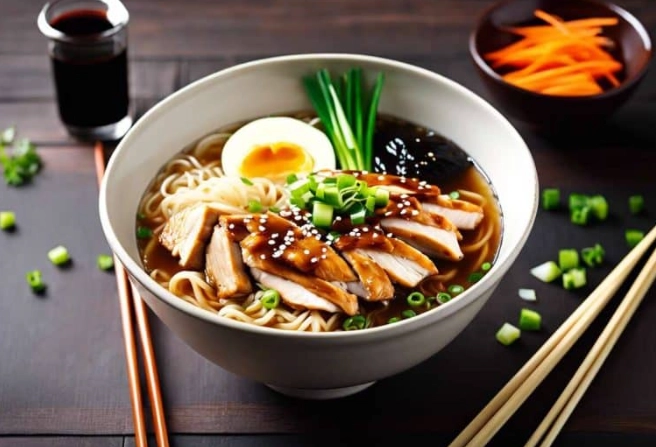
Taking It Further: Variations & Chef Secrets
Once you've mastered the basic chicken shoyu ramen, the world is your oyster (or should I say, your ajitsuke tamago?).
The Double Soup: Many top ramen shops don't use a pure chicken broth. They make a "double soup"—combining a clear chicken broth with a lighter dashi (made from kombu and katsuobushi). This adds a layer of oceanic umami that complements the soy sauce tare incredibly well. Try adding a piece of kombu to your broth during the last hour of simmering (remove before it boils to avoid sliminess).
Fat Back: A tiny spoonful of aromatic fat floated on top of the broth is a classic finish. For chicken shoyu ramen, this is often mayu (black garlic oil) or a simple chicken schmaltz infused with garlic and ginger. It adds aroma and a final layer of richness.
Regional Twists: In Hokkaido, you might find a richer, more robust chicken shoyu ramen to combat the cold. In Kyushu, they might add a hint of pork bone to the chicken broth. Don't be afraid to experiment. Add a dried red chili to your tare for a hint of heat. Smoke the chicken bones lightly before making the broth. The framework is classic, but your kitchen is your lab.
The point is to make it yours.
For a deep dive into the history and cultural significance of ramen in Japan, the Shin-Yokohama Raumen Museum website (though mostly in Japanese) is a fascinating resource. It underscores how this dish evolved from a Chinese import to a national obsession.
Final Slurp
Making a great bowl of chicken shoyu ramen at home is a rewarding project. It demystifies what seems like a complex restaurant dish. It's about patience with the broth, balance in the tare, and quality in the components. It's not a weeknight 20-minute meal, but the components are all make-ahead. Having a container of that golden broth and a jar of dark, fragrant tare in your freezer is like having a gourmet restaurant ticket on standby.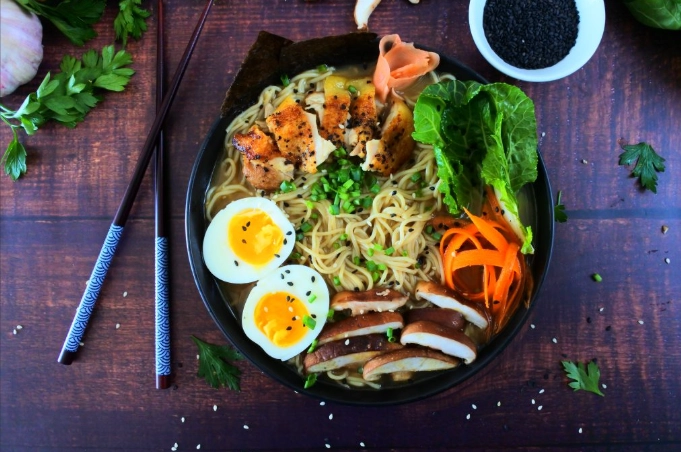
Start with the basic recipe. Taste your tare straight—it should be powerful but balanced. Taste your broth—it should be pure, clean chicken. Then combine them and marvel at how they create something entirely new and greater than the sum of their parts. That's the magic of a well-made chicken shoyu ramen.
Now, go put on a pot of water. Your perfect bowl is waiting.
Reader Comments