I still remember my first attempt at yakisoba. It was a rainy Tuesday, I had a craving for something savory and quick, and I thought, how hard could it be? I threw noodles, veggies, and a bottled sauce into a pan, and ended up with a soggy, sweet mess that tasted nothing like the yakisoba I'd had in Osaka. That failure taught me more than any recipe ever could—yakisoba isn't just about tossing ingredients together; it's a dance of heat, timing, and balance. If you've ever wondered why your homemade version doesn't match up, you're not alone. Let's fix that.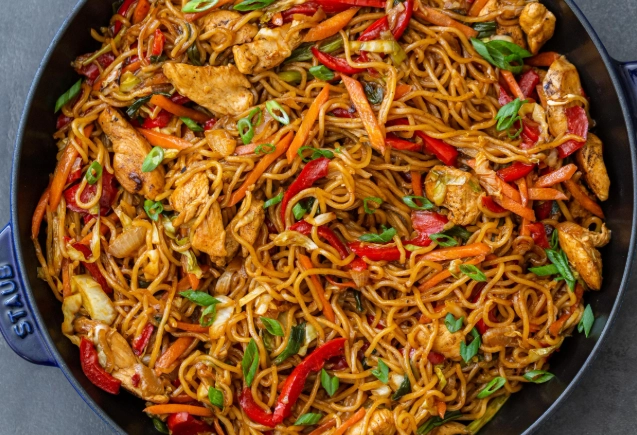
What You'll Learn in This Guide
What Exactly is Yakisoba? Beyond the Noodles
Yakisoba translates to "fried noodles" in Japanese, but that's like calling pizza "baked dough"—it misses the soul. Originating post-World War II, it evolved from Chinese chow mein into a distinct Japanese street food staple, often sold at festivals (matsuri) and food stalls. The key difference? Yakisoba uses a specific sauce based on Worcestershire sauce (the Japanese kind, not the Lea & Perrins style), giving it a sweet, tangy, and umami-rich flavor that's addictive. According to the Japan Food Guide, yakisoba is one of the most popular casual dishes in Japan, rivaling ramen in everyday appeal. But here's the kicker: it's meant to be quick, affordable, and customizable. That's why mastering it at home is a game-changer for busy weeknights.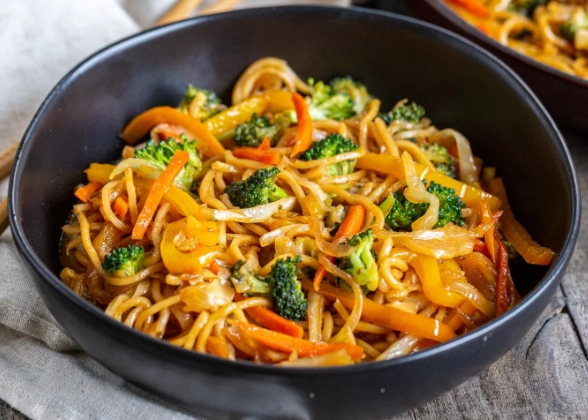
The Yakisoba Toolkit: Ingredients You Can't Skip
Skip one of these, and you're making something else. Let's break it down.
The Noodles: Not All Wheat is Created Equal
Yakisoba noodles are pre-steamed and par-cooked, usually made from wheat flour. They come in vacuum-sealed packs, often labeled "chuka soba" or simply "yakisoba noodles." Brands like Myojo or Nissin are reliable. If you can't find them, ramen noodles (the fresh, non-instant kind) can work, but boil them less—al dente is crucial. I tried using udon once; it was a chewy disaster. Stick to the real deal.
The Protein: Pork, Chicken, or Tofu?
Traditional yakisoba uses thinly sliced pork belly, but it's flexible. Chicken thigh stays juicy, shrimp cooks fast, and firm tofu soaks up sauce beautifully. For a budget twist, I often use ground pork—it's cheaper and fries up crispy. Whatever you pick, slice it thin and marinate for 10 minutes in a bit of soy sauce and sake. It makes a world of difference.
Vegetables: The Crunch Factor
Cabbage is non-negotiable. It adds volume and a slight sweetness when caramelized. Carrots for color, onions for depth, and bean sprouts for crunch. I see recipes adding broccoli or bell peppers—sure, but they release water and can make things soggy. Keep it simple: cabbage, carrots, onions. Maybe some green onions for garnish.
The Sauce: Heart of the Dish
This is where most home cooks go wrong. Store-bought sauces like Otafuku are convenient, but they're often too sweet or salty. Making your own takes 2 minutes and lets you control the flavor. Base recipe: 3 tbsp Worcestershire sauce (Japanese style), 2 tbsp oyster sauce, 1 tbsp ketchup, 1 tbsp mirin, 1 tsp sugar. Adjust to taste. I add a dash of soy sauce if it needs salt, or a splash of rice vinegar if it's too sweet. Experiment—your palate knows best.
Pro Insight: Worcestershire sauce here isn't the English kind. Look for brands like Bulldog or Tonkatsu sauce, which are thicker and fruitier. If you're in a pinch, mix soy sauce, sugar, and a bit of apple cider vinegar as a hack.
Step-by-Step: How to Make Yakisoba Like a Pro
Follow this, and you'll nail it on the first try. I've timed it—under 30 minutes from fridge to plate.
Prep Work: 10 Minutes of Chopping
Get everything ready before you turn on the stove. Thinly slice 200g of pork (or protein of choice), chop half a cabbage into bite-sized pieces, shred one carrot, slice one onion. Mix the sauce in a bowl. Rinse the noodles under hot water to separate them—this prevents clumping. Have your tools: a large wok or skillet, high heat, and a pair of tongs.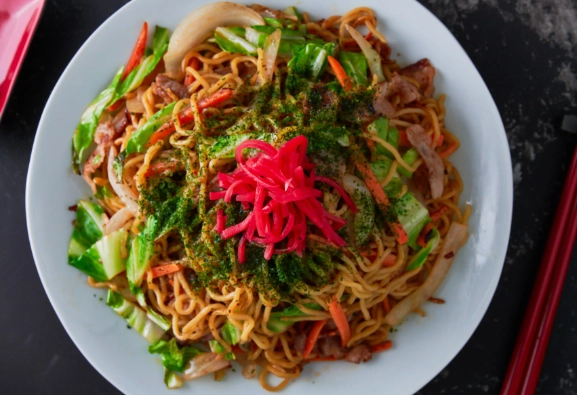
Cooking Process: High Heat is Key
Heat 1 tbsp oil in the wok until it shimmers. Add the pork and stir-fry over high heat until browned, about 3 minutes. Remove and set aside. In the same wok, add another tbsp oil, then the onions and carrots. Stir-fry for 2 minutes until slightly softened. Add cabbage and bean sprouts, cook for another 3 minutes—you want them crisp-tender, not mushy. Push veggies to the side, add the noodles, and pour the sauce over. Toss everything together, add back the pork, and cook for 2 more minutes until heated through. Garnish with benishoga (red pickled ginger) and aonori (seaweed flakes) if you have them.
Common Mistake: Don't dump everything at once. That steams instead of fries. Cook in layers: protein first, then veggies, then noodles and sauce. It keeps textures intact.
Yakisoba Variations to Spice Up Your Week
Once you've mastered the basic, try these twists. They're perfect for meal prep or impressing guests.
Classic Osaka-Style Yakisoba
This is the festival version—extra sauce, topped with a fried egg and mayo. Use pork belly, and don't skimp on the sauce. Cook it until slightly caramelized. Serve with a sunny-side-up egg on top. The runny yolk mixes with the noodles, creating a rich, decadent bite. I had this at a street stall in Dotonbori, and replicating it at home felt like a victory.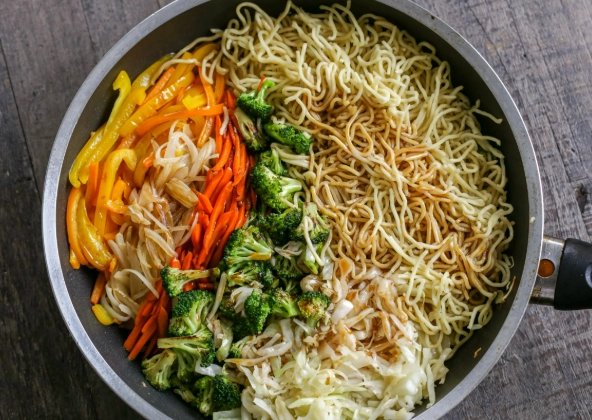
Seafood Delight: Shrimp and Squid Yakisoba
Swap pork for 150g shrimp and 100g squid rings. Marinate in a bit of ginger and garlic. Stir-fry seafood first, remove, then proceed with veggies. Add a splash of sake to the sauce for extra depth. This version is lighter but packs umami punch. Perfect for summer.
Plant-Powered: Vegan Yakisoba
Use firm tofu or tempeh as protein. For the sauce, replace oyster sauce with vegetarian oyster sauce or extra Worcestershire (check labels for fish content). Load up on mushrooms—shiitake adds meatiness. I've served this to vegan friends, and they couldn't believe it was homemade. The key is umami from mushrooms and soy.
| Variation | Key Protein | Sauce Twist | Cooking Time |
|---|---|---|---|
| Osaka-Style | Pork Belly | Extra sauce, add ketchup | 25 mins |
| Seafood | Shrimp, Squid | Add sake, ginger | 20 mins |
| Vegan | Tofu, Mushrooms | Vegetarian oyster sauce | 30 mins |
Pro Tips and Common Pitfalls
After years of trial and error, here's what most recipes don't tell you.
Heat management is everything. If your stove doesn't get hot enough, preheat the wok for a full 5 minutes. A drop of water should sizzle and evaporate instantly. I use a cast-iron skillet when my wok is dirty—it holds heat well.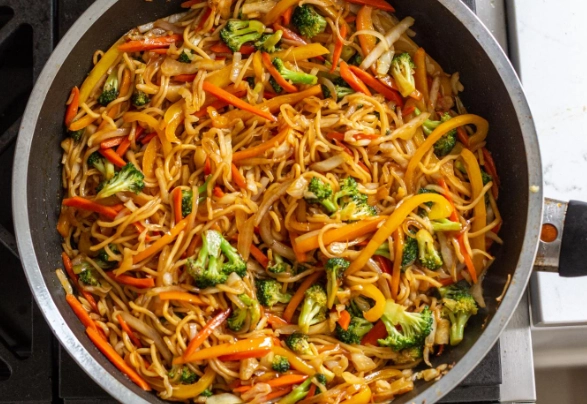
Don't overcook the noodles. They're already pre-cooked, so just heat them through with the sauce. Overcooking turns them mushy. If using substitutes like ramen, boil for only 2 minutes, then rinse with cold water.
Season in layers. Salt the protein lightly, season the veggies with a pinch of salt, then let the sauce do the rest. Taste at the end—you can always add more sauce or a squeeze of lemon.
My personal hack: add a teaspoon of toasted sesame oil at the end. It gives a nutty aroma that elevates the dish. But don't cook with it—it burns easily.
Your Burning Yakisoba Questions Answered
Yakisoba is more than a recipe—it's a technique you can adapt endlessly. Start with the basics, tweak to your taste, and don't fear mistakes. My first soggy batch taught me patience. Now, it's my go-to for busy nights. Give it a try, and share your creations. Happy cooking!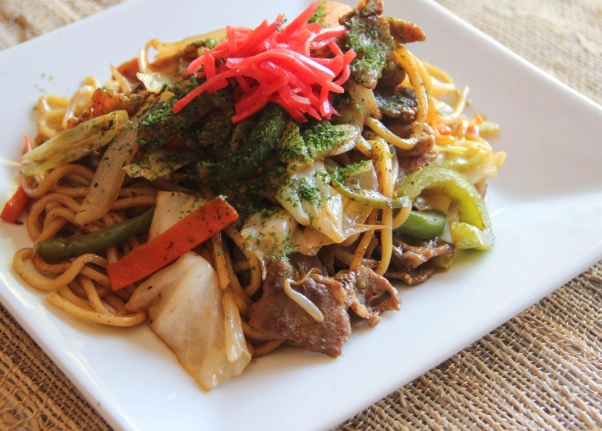
Reader Comments