Quick Guide
- Why Bother Making Them Yourself?
- The Heart of the Matter: Understanding Your Flour
- Gathering Your Tools and Ingredients
- The Step-by-Step Process: How to Make Korean Buckwheat Noodles
- Beyond the Basic Noodle: Serving and Storing
- Troubleshooting: When Things Go Wrong
- The Bigger Picture: History and Health
Let's be honest, the first time I tried to make Korean buckwheat noodles at home, it was a disaster. The dough was sticky, the noodles broke apart, and the texture was all wrong. I ended up with something closer to paste than the springy, chewy strands I craved. That experience sent me down a rabbit hole of research, trial, error, and finally, success. Now, I want to save you from that same frustration.
Learning how to make Korean buckwheat noodles isn't just about following a recipe. It's about understanding why each step matters. These noodles, the star of dishes like naengmyeon (cold noodles) and makguksu, have a unique character. They're slightly grayish, firm, and have a distinct earthy, nutty flavor from the buckwheat. The goal isn't just to make noodles; it's to make noodles that hold up in a flavorful broth, provide the right mouthfeel, and carry the essence of the dish.
This guide is the result of all my kitchen experiments. We'll go beyond the basic mix-and-knead. We'll talk about flour choices, the science of the dough, common pitfalls (I've fallen into most of them), and the little tricks that make a huge difference. Whether you're a seasoned cook or a curious beginner, you'll find everything you need here.
Why Bother Making Them Yourself?
You can buy decent pre-made Korean buckwheat noodles at an Asian grocery store. So why go through the hassle? Control and quality. Store-bought versions often contain additives, preservatives, or use a lower ratio of buckwheat to wheat flour to make them easier to machine-produce. When you learn how to make Korean buckwheat noodles yourself, you control the ingredients. You can adjust the chewiness, the flavor intensity, and create a truly authentic product. Plus, there's a certain pride in it. According to the Korean Ministry of Agriculture, Food and Rural Affairs, traditional food preparation is a key part of cultural heritage, and making staples like this connects you to that tradition in a tangible way.
Another reason? Allergies and dietary preferences. You can ensure no unwanted ingredients sneak in.
The Heart of the Matter: Understanding Your Flour
This is the most critical step. Get this wrong, and your noodle project is doomed from the start. Buckwheat flour, or memil-garu (메밀가루), is gluten-free. That's great for some diets, but terrible for making cohesive, stretchy noodle dough. Gluten is the protein that gives dough its elasticity and structure. Pure buckwheat dough will be crumbly and impossible to roll into thin, long strands.
That's why we blend it. The classic ratio for naengmyeon noodles is about 70-80% buckwheat flour to 20-30% wheat flour (all-purpose or bread flour). The wheat flour provides the necessary gluten. Some traditional recipes might use sweet potato starch or tapioca starch for a different kind of chew, but we'll stick to the flour blend for our first attempt.
Flour Blends Compared
Here’s what happens when you tweak the ratios. I've tried them all so you don't have to.
- High Buckwheat (90/10): Intense flavor, but the dough is fragile. Noodles can be grainy and break easily during cooking. Only for experts.
- Classic Blend (80/20): The sweet spot. Good buckwheat flavor with enough structure for a satisfying chew. This is our target.
- Balanced Blend (70/30): Easier to work with, springier texture, but the buckwheat flavor is milder. A safe choice for beginners.
- High Wheat (50/50): Tastes more like regular wheat noodles. You lose the point of making buckwheat noodles.
Where you source your buckwheat flour matters too. I've found that freshly milled flour from a Korean grocery store has a much more vibrant, aromatic flavor than the stuff that's been sitting on a shelf for a year. Look for a fine, consistent grind.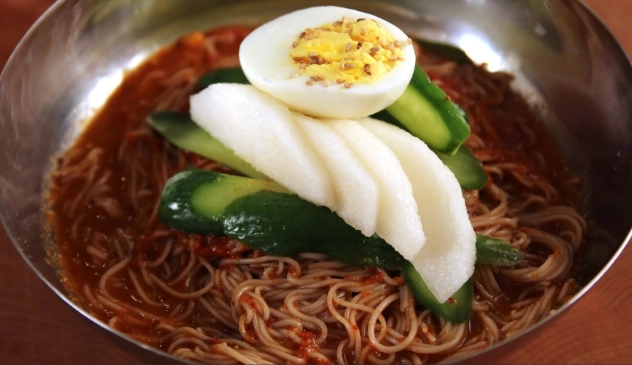
Gathering Your Tools and Ingredients
You don't need fancy pasta-making machines. A large mixing bowl, a sturdy wooden spoon or your hands, a rolling pin, a sharp knife or bench scraper, and a large pot are the essentials. A kitchen scale is highly recommended for accuracy with flour. Volume measurements (cups) for flour are notoriously unreliable.
What You'll Need (for about 4 servings of noodles):
- Buckwheat Flour: 200 grams (about 1 2/3 cups, but please weigh it!)
- Bread Flour or All-Purpose Flour: 50 grams (about 1/3 cup + 1 tbsp)
- Fine Sea Salt: 1 teaspoon
- Warm Water: Approximately 130-150 ml (1/2 cup + 1-2 tbsp). The exact amount varies with humidity.
- Potato or Corn Starch: For dusting during rolling and cutting. This prevents sticking way better than extra flour.
Some recipes add a tiny bit of alkaline water (made from baking soda) to give the noodles a yellowish hue and a firmer bite, similar to ramen noodles. It's not traditional for the classic cold noodle style, but it's an option if you like that texture.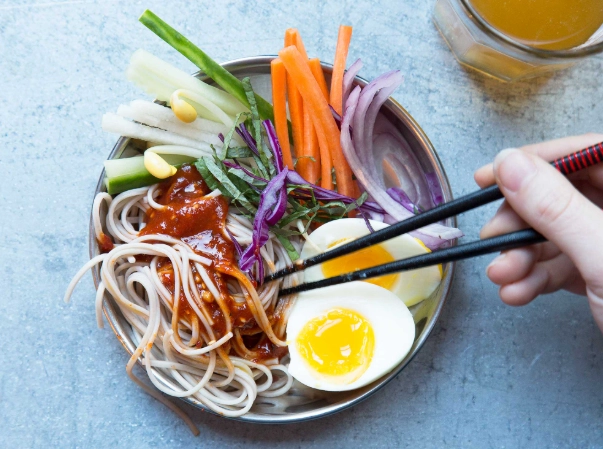
The Step-by-Step Process: How to Make Korean Buckwheat Noodles
Alright, let's get our hands dirty. This is the core of learning how to make Korean buckwheat noodles. Follow these steps, but remember, dough has a feel to it. You'll learn to read it.
Step 1: The Dry Mix
In your large bowl, whisk together the 200g buckwheat flour, 50g wheat flour, and the salt. Make sure they're fully integrated. This isn't just mixing; it's ensuring every bit of dough will have the same composition.
Step 2: Adding the Water (The Tricky Part)
Create a well in the center of your flour. Start by pouring in about 120ml of warm water. Using a spoon or your fingers, start incorporating the flour from the edges into the water. The buckwheat will drink up the water quickly. Add the remaining water a tablespoon at a time until the flour is mostly absorbed and you have a shaggy mass of dough.
Don't pour all the water in at once. You might not need it all.
The dough will look dry and crumbly. That's normal at this stage. It should not be a smooth, pliable ball like bread dough. If it's actively sticking to your fingers, you've added too much water. Sprinkle in a tiny bit more buckwheat flour to correct it.
Step 3: The "Knead" and Rest (It's Not Really Kneading)
Here's where it differs from wheat dough. You're not developing gluten through vigorous kneading. You're hydrating the flour and creating cohesion. Press the shaggy dough together, fold it over itself, and press again. Do this for about 3-5 minutes until it forms a rough, somewhat cohesive ball that holds together when squeezed. It will still look uneven and a bit dry.
Wrap this ball tightly in plastic wrap and let it rest at room temperature for at least 30 minutes, ideally 1 hour. This is non-negotiable. The resting period allows the moisture to distribute evenly throughout the dough, hydrating the buckwheat particles fully. It makes the dough infinitely easier to roll out.
Step 4: Rolling and Cutting the Noodles
Clear a large, flat surface. Generously dust it with potato starch. Unwrap your dough—it should feel more unified now.
- Cut the dough ball into 4 manageable pieces. Work with one piece at a time, keeping the others wrapped.
- Flatten the piece with your hand, then roll it out with a rolling pin. Aim for a rectangle about 1.5 to 2 millimeters thick. It should be very thin, almost translucent. Dust with more potato starch whenever it feels like it might stick.
- Once rolled, fold the rectangle over itself loosely like an accordion, dusting between the folds with more starch.
- With a very sharp knife, cut the folded dough into thin strips, about 2-3 millimeters wide. These are your noodles!
- Unfurl the cut noodles, toss them gently in a little extra starch to prevent clumping, and place them on a tray or plate. Repeat with the remaining dough pieces.
They won't look perfectly uniform, and that's okay. It's part of the homemade charm. You can cook them immediately, or let them dry a bit for 30 minutes if you prefer.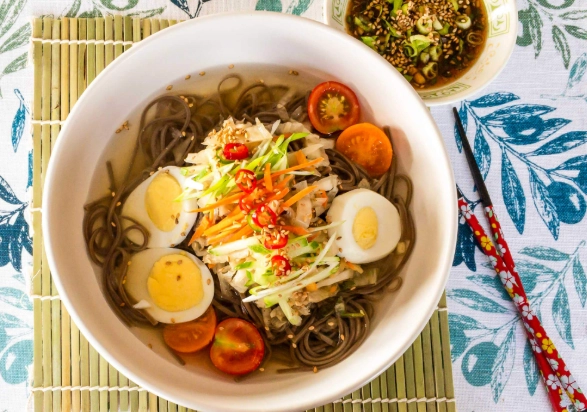
Step 5: Cooking Your Homemade Noodles
This part is quick but crucial. Bring a large pot of water to a rolling boil. Add the fresh noodles all at once and give them a gentle stir to separate.
Fresh noodles cook fast! They usually take only 2 to 3 minutes. Start tasting at 90 seconds. You're looking for al dente—cooked through but still with a definite bite and chew. They should not be mushy.
As soon as they're done, drain them and rinse immediately under cold running water. Rub the noodles between your hands under the water. This washes off the excess starch from the surface, which is what gives you that clean, springy texture and prevents them from sticking together in a clump. Rinse until the water runs clear and the noodles are completely cold.
Drain them well. They're ready to use.
Beyond the Basic Noodle: Serving and Storing
Now that you know the core method for how to make Korean buckwheat noodles, what do you do with them? The classic is Mul Naengmyeon (물냉면), or cold broth noodles.
Your perfect homemade noodles go into an icy bowl of beef or dongchimi (radish water kimchi) broth. Top with sliced Korean pear, cucumber, a hard-boiled egg, and a dollop of spicy mustard sauce. The contrast of the icy, tangy broth with the chewy, earthy noodles is sublime. The Michelin Guide has highlighted several Seoul restaurants specializing in naengmyeon, noting the dish's refreshing qualities and the skill required to balance its components—a balance you're now replicating at home.
Another popular option is Bibim Naengmyeon (비빔냉면), tossed in a sweet, spicy, and tangy gochujang-based sauce without the broth.
| Noodle Type | Best Use | Key Characteristic | Cooking Time (Fresh) |
|---|---|---|---|
| Homemade 80/20 Blend | Mul Naengmyeon (Cold Broth) | Firm, chewy, holds broth well | 2-3 minutes |
| Homemade 70/30 Blend | Bibim Naengmyeon (Mixed) | Slightly springier, good for sauce cling | 2-3 minutes |
| Store-Bought Dried | All-purpose | Consistent, sometimes rubbery | 5-7 minutes |
To store uncooked fresh noodles, you can freeze them. Lay them in a single layer on a parchment-lined baking sheet, freeze solid, then transfer to a freezer bag. Cook directly from frozen, adding maybe 30 seconds to the boil.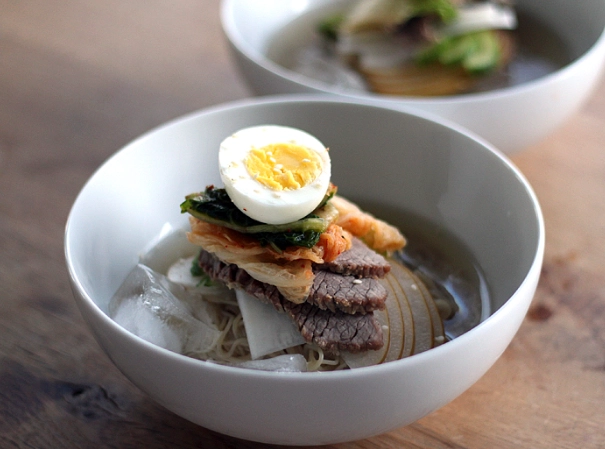
Troubleshooting: When Things Go Wrong
It happens to everyone. Here are fixes for common problems.
Frequently Asked Questions on How to Make Korean Buckwheat Noodles
My dough is too dry and won't come together. What did I do?
You likely didn't add enough water, or you added it too slowly and the flour wasn't hydrated evenly. Next time, make sure your water is warm (not hot) and add a bit more aggressively at the start. For now, try wetting your hands and kneading the dough again. The moisture from your hands can sometimes be enough to bring it together.
My noodles turned to mush when I boiled them.
You overcooked them. Fresh buckwheat noodles cook in a flash. Set a timer. Also, the dough might have been too wet to begin with, making it structurally weak.
The noodles are too tough and chewy, almost rubbery.
You probably used too high a ratio of wheat flour, or you over-kneaded the dough, developing too much gluten. Remember, gentle pressing and folding is key. Stick closer to the 80/20 ratio.
Can I make the dough in a stand mixer or food processor?
You can, but be very careful. Pulse the dry ingredients first, then add water slowly while the machine runs on low. Stop as soon as it forms a crumbly mass. Over-processing is easy and will ruin the texture. Honestly, for the small amount, doing it by hand gives you the best control.
Why are my homemade noodles so much darker than restaurant ones?
Restaurants often use a blend that includes more starch (like potato or sweet potato starch), which is whiter. Pure buckwheat is gray-brown. Your darker color is a sign of a high buckwheat content and good flavor!
The Bigger Picture: History and Health
Knowing how to make Korean buckwheat noodles is more fulfilling when you know their story. Buckwheat has been a staple in Korea's colder, mountainous northern regions (like Pyongan and Hamgyong provinces) for centuries because it grows well in poor soil and has a short growing season. Naengmyeon is believed to have originated there. After the Korean War, refugees brought the dish south to Seoul, where it became a national favorite. The World Instant Noodles Association (yes, it's a real thing) tracks global noodle consumption, highlighting Korea's unique position with dishes like these that are served cold—a relative rarity in the noodle world.
Health-wise, buckwheat is a powerhouse. It's a complete protein, containing all nine essential amino acids. It's rich in fiber, magnesium, and antioxidants like rutin, which supports circulatory health. So, when you're figuring out how to make Korean buckwheat noodles, you're also making a genuinely nutritious food. The blending with wheat flour does add gluten and some simple carbs, but the overall nutritional profile is strong.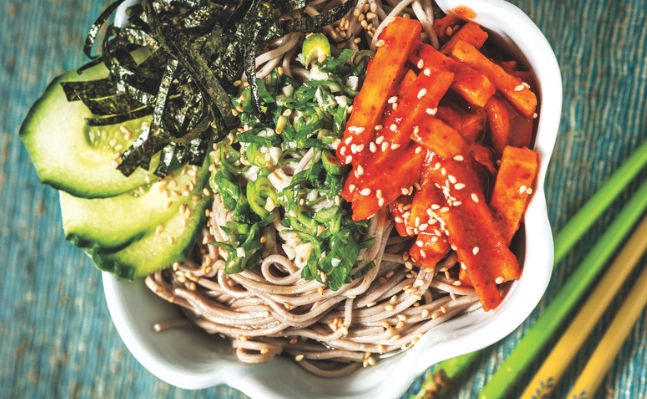
Key Takeaways for Your First Batch
- Weigh your flour. Trust me on this.
- Embrace the crumbly dough. It's supposed to look like that before resting.
- Rest the dough. Don't rush this step.
- Use potato starch, not flour, for dusting. This is a game-changer.
- Cook fast, rinse thoroughly. 2-3 minutes in boiling water, then cold rinse until slick.
- Imperfection is flavor. Slightly uneven, handmade noodles have soul.
The first time you succeed, it feels like magic. That moment you pull a strand from the cold rinse water and it's perfectly springy, with that distinct earthy aroma... there's nothing like it. It connects you to a craft. Is it more work than opening a package? Absolutely. But the depth of flavor and the personal satisfaction are on a completely different level.
So, give it a shot. Get some good buckwheat flour, clear an afternoon, and be prepared to learn. Your first attempt might not be perfect, but it'll be yours. And soon enough, you'll be showing others how to make Korean buckwheat noodles that rival any you've had in a restaurant.
Now, if you'll excuse me, all this writing has made me crave a bowl. I think I have some dough in the fridge that's been resting long enough...
Reader Comments