In This Guide
- Navigating the World of Japanese Soups: A Handy Guide
- How to Make Real Japanese Miso Soup at Home (It's Not What You Think)
- The Ramen Rabbit Hole: Understanding the Big Five Broths
- Why Japanese Soups Are Actually Good For You (Beyond Just Comfort)
- Answering Your Burning Questions About Japanese Soups
- Bringing Japanese Soup Culture to Your Kitchen
Let's talk about Japanese soups. If you think it's just miso soup from your local sushi place, you're in for a treat. There's a whole world in those bowls. I remember my first real bowl of tonkotsu ramen in Fukuoka – the smell hit me before I even saw the shop, this rich, porky aroma that promised pure comfort. That's what Japanese soups are about. They're not just starters; they're meals, they're medicine, they're memories in a bowl. From the simplest clear broth sipped in the morning to the complex, labor-of-love ramen broths that simmer for days, these soups are the heartbeat of Japanese home cooking and restaurant culture.
What makes them special? It's the dashi. That's the secret weapon, the foundational stock made from kelp (kombu) and bonito flakes (katsuobushi). It's this umami-packed base that gives Japanese soups their distinctive, deep flavor that's somehow light and profound at the same time. Without good dashi, you're just floating ingredients in hot water. I've tried making it at home, and getting it right is an art – too little time and it's weak, too long and it turns bitter. It's the soul of the soup.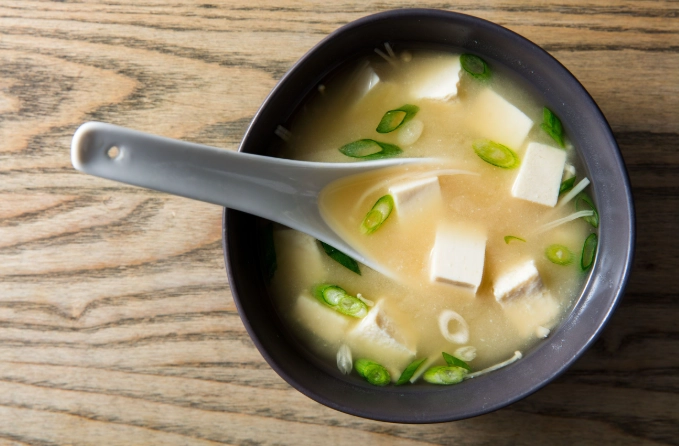
Navigating the World of Japanese Soups: A Handy Guide
It can get confusing. Ramen, udon, soba – what's the difference beyond the noodles? And that's just the noodle soups. Let's break it down into something you can actually use. I like to think of Japanese soups in families, based on their broth, purpose, and heartiness. This isn't some official classification, just my way of making sense of it all after years of eating and cooking them.
| Soup Type | Broth Base | Key Characteristics | When You'd Eat It |
|---|---|---|---|
| Miso Soup (Misoshiru) | Dashi + Miso Paste | Savory, salty, cloudy broth. Daily staple. | Breakfast, lunch, dinner – anytime. |
| Clear Soup (Sumashi-jiru or Osumashi) | Clear Dashi | Light, delicate, see-through. Elegant. | Formal meals, kaiseki cuisine. |
| Ramen | Pork (Tonkotsu), Chicken (Tori Paitan), Soy Sauce (Shoyu), Salt (Shio), Miso | Rich, hearty, noodle soup. Regional varieties. | A full, satisfying meal. |
| Udon Soup | Light Dashi (usu. Shoyu-based) | Mild, soothing broth with thick wheat noodles. | Quick lunch, comfort food. |
| Soba Soup (Tsuyu) | Stronger, sweeter Dashi (Mirin & Soy) | Dark, flavorful dipping sauce or broth for buckwheat noodles. | Often served cold with dipping tsuyu. |
| Hot Pot (Nabemono) | Varied: Kombu, miso, soy milk, tonkotsu | Communal, cook-your-own stew/soup at the table. | Social dining, cold weather. |
See? It starts to make sense. The beauty of Japanese soups is how they fit different moods. Craving something light and clean after a heavy meal? A clear soup with a single shrimp and a sprig of mitsuba does the trick. Need serious comfort on a rainy day? That's a tonkotsu ramen moment, no question.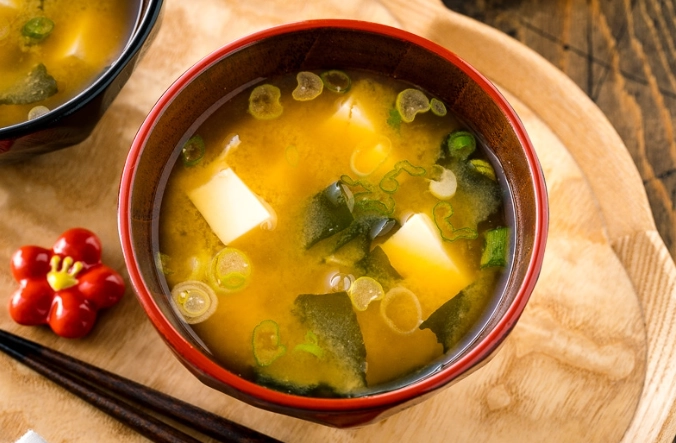
How to Make Real Japanese Miso Soup at Home (It's Not What You Think)
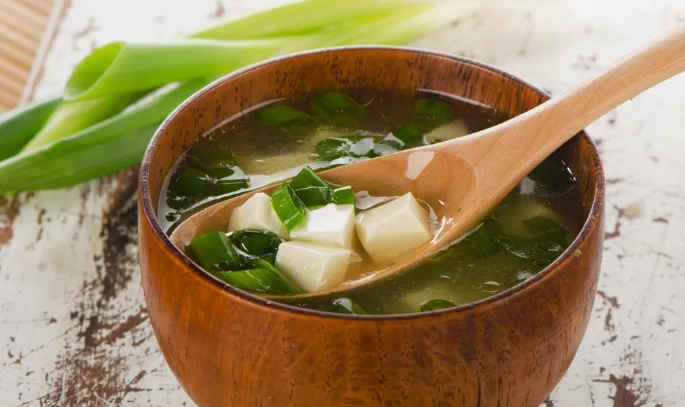
Let's get practical. You want to make miso soup. The stuff in the instant packets? Forget it. It's salty and one-dimensional. Real miso soup is alive, complex, and changes with the seasons. The core is always dashi + miso paste + ingredients (wakame seaweed, tofu, green onion). But the magic is in the details.
The Non-Negotiable: Your Dashi
You can use instant dashi granules (hondashi). I do sometimes, for a quick fix. But for a soup that sings, make it from scratch. It takes 20 minutes, tops.
That broth you just made? It's liquid gold. You can drink it plain. It's the foundation for countless Japanese soups.
Choosing Your Miso
This is where personality comes in. Miso paste is fermented soybeans (and sometimes rice or barley). The color tells you a lot.
- White Miso (Shiro Miso): Mild, sweet, short fermentation. Great for light soups, dressings. My go-to for summer vegetable miso soups.
- Yellow Miso (Shinshu Miso): Middle-of-the-road, versatile. A bit saltier and stronger than white. The all-rounder.
- Red Miso (Aka Miso): Salty, robust, long fermentation. Holds up to hearty ingredients like root vegetables, meat. Perfect for winter.
Pro tip? Mix them. A spoon of red and a spoon of white gives you depth and balance. Experiment.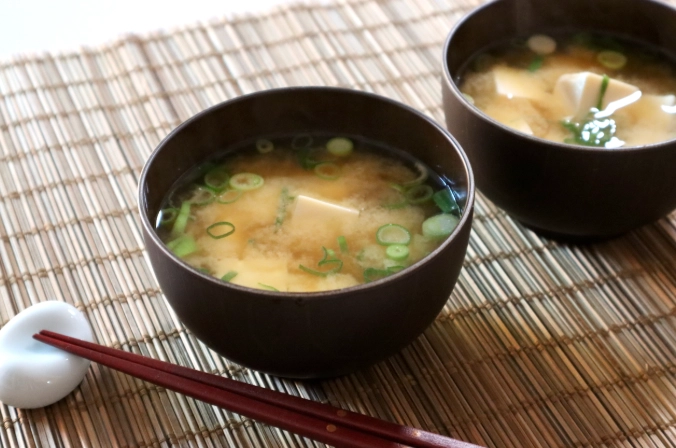
It kills the live enzymes and dulls the flavor. Ladle some hot dashi into a separate bowl, whisk in your miso paste until smooth, then stir it back into the main pot off the heat. That's it. Add your soft tofu and wakame at the end, just to warm through. Garnish with sliced green onion. You've just made a proper bowl of Japanese miso soup.
The Ramen Rabbit Hole: Understanding the Big Five Broths
Ramen is a universe. It's Japan's ultimate adopted comfort food, turned into a high art. The broth is everything. It defines the style. While there are endless regional spins, most fall under the "Big Four" (or Five, depending on who you ask).
- Shoyu (Soy Sauce) Ramen: The classic Tokyo style. A clear, brown chicken- or seafood-based dashi flavored with soy sauce. It's savory, tangy, and well-balanced. A great entry point if you're new to ramen.
- Shio (Salt) Ramen: The oldest style. A clear, light, salty broth, usually chicken-based. It's delicate and lets the taste of the fresh noodles and toppings shine. Don't mistake "light" for "bland" – a good shio broth is intensely flavorful.
- Miso Ramen: Born in Hokkaido to fight the cold. A hearty, cloudy, and complex broth made by blending miso paste into a chicken or pork base. Often has a slight sweetness and nuttiness. They're not shy with toppings like sweet corn and butter here.
- Tonkotsu Ramen: The king of richness from Kyushu. Pork bones (troters, skulls) are boiled at a violent roll for 12, 18, sometimes 48 hours. The collagen and marrow emulsify into the water, creating a thick, creamy, opaque, milky-white broth. The flavor is deeply porky and umami-packed. It's a meal that sticks to your ribs.
- Toripaitan (Chicken Paitan): The rising star. Similar technique to tonkotsu but with chicken bones (especially back and feet). It creates a similarly creamy, white broth but with a lighter, cleaner poultry flavor. A fantastic alternative if you don't eat pork.
My personal ranking? For a cold day, tonkotsu is unbeatable. But sometimes its richness can be too much – I've left bowls unfinished because it felt like a gut bomb. For an everyday crave, a well-executed shoyu ramen is hard to beat. The Japan National Tourism Organization has a great page on regional ramen varieties that dives deeper into local specialties.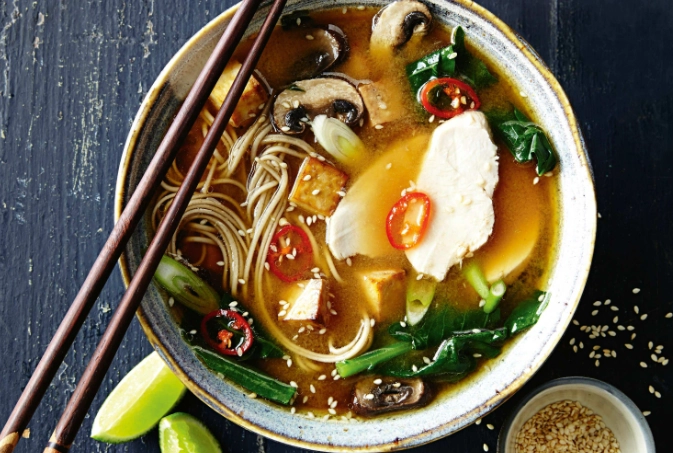
Why Japanese Soups Are Actually Good For You (Beyond Just Comfort)
We often think of soup as just warm filler. But Japanese soups, when made traditionally, are nutritional powerhouses. It's not just about calories; it's about what's in the broth.
Let's start with dashi. Kombu is loaded with iodine, minerals, and glutamic acid (the natural source of umami). Bonito flakes are pure protein. Together, they create a broth that's hydrating, mineral-rich, and incredibly low in fat. Compare that to a cream-based Western soup, and the difference is stark.
Miso paste is a fermented food, meaning it's full of probiotics (good bacteria) that support gut health. It's also a source of protein, B vitamins, and antioxidants. Studies, like those referenced by the World Health Organization on traditional fermented foods, suggest regular consumption of fermented foods like miso may be linked to various health benefits. Of course, it's high in sodium, so moderation is key – you're sipping a seasoning paste dissolved in broth.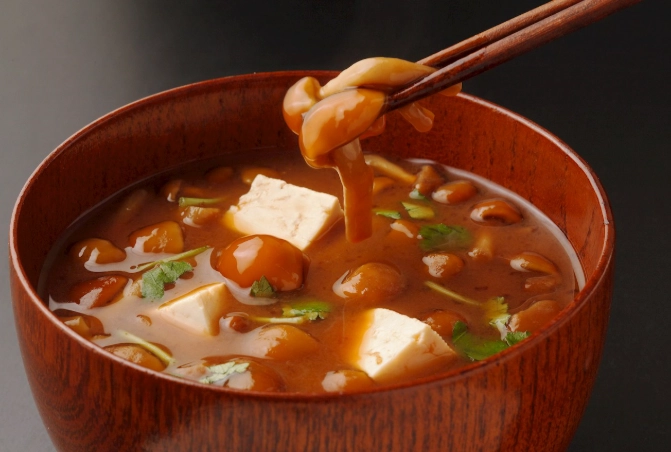
Even the richer Japanese soups like ramen have a health angle if you look. The long-simmered bone broths (tonkotsu, toripaitan) are sources of gelatin, which comes from collagen. While eating collagen doesn't directly translate to better skin or joints (your body breaks it down into amino acids), gelatin is great for gut lining health. The vegetables and protein toppings add vitamins and minerals. The problem with restaurant ramen is often the amount of salt and fat, not the core ingredients themselves. At home, you control that.
Answering Your Burning Questions About Japanese Soups
I get asked these all the time. Let's clear up the confusion.
Bringing Japanese Soup Culture to Your Kitchen
You don't need special equipment. A medium pot, a fine-mesh strainer, and a few bowls are enough. Start with miso soup. Master the dashi. Then try a simple udon soup: heat your dashi, season lightly with soy sauce and mirin, pour over cooked udon noodles, and top with a soft-boiled egg and scallions. It's a 10-minute miracle.
For a project, try a chicken paitan ramen broth. Get a kilo of chicken backs and feet (feet are key for collagen). Cover with water, bring to a boil, skim the scum, then simmer on a low rolling boil for 6-8 hours. Keep adding water to keep bones covered. You'll watch it transform from clear to creamy white. Strain, season with salt, soy, and a bit of sake. The pride you'll feel is part of the flavor.
Japanese soups are a journey. They can be the simplest act of daily nourishment or a deep dive into culinary craft. They teach you about balance, umami, and the power of a good foundation. So grab a bowl. Start sipping. There's a whole world of flavor waiting.
Reader Comments