Quick Navigation
So you've seen it on menus, that picture of a bowl of ramen looking creamy, spicy, and loaded with goodies. Tantanmen, or tantan ramen. It's everywhere now, from fancy ramen shops to instant noodle packets. But when you dig in with your chopsticks, have you ever stopped and wondered, what is tantan ramen made of, exactly? I mean, what's in that rich, nutty, spicy broth that makes it so different from a tonkotsu or shoyu ramen?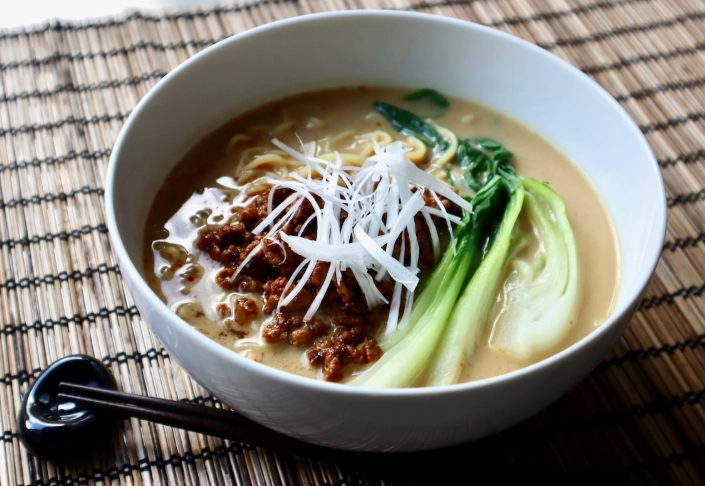
I remember the first time I had a proper bowl. I was expecting just a spicy soup, but it was so much more. It had depth, a kind of savory creaminess that wasn't from dairy, and this lingering heat that made you want to keep going. I had to know what was in it. Was it just chili oil? Peanut butter? (Spoiler: it's not peanut butter).
Let's clear that up right away. If you're asking what is tantan ramen made of, the single most important answer is sesame. Specifically, sesame paste. But that's just the start of the story. It's like asking what makes a great burger – it's the patty, sure, but also the bun, the cheese, the sauce, how it's all put together.
This guide isn't just a dry list of ingredients. We're going to break down every component, talk about why each one matters, and even look at how you can play with them at home. Because once you know what tantan ramen is made of, you appreciate it more, and you can even spot a good bowl from a mediocre one.
The Soul: The Broth Explained
Forget everything you know about clear broths. Tantan ramen's broth is opaque, rich, and packed with umami. It's usually a two-part system: a base soup and the signature tantan sauce that's mixed in.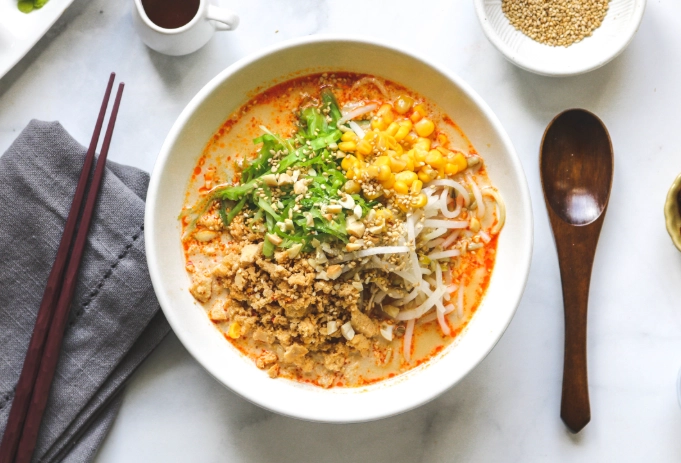
The Soup Base (The Foundation)
Most shops start with a chicken or pork broth, or a combination (chintan). Sometimes it's a simple dashi made from kombu and katsuobushi. The point isn't to have an overpoweringly meaty flavor like tonkotsu, but to create a clean, savory backdrop. It provides the liquid body and a layer of umami that supports the heavier toppings and sauce. You could almost drink this base on its own – it's that light and flavorful.
The Tantan Sauce (The Star of the Show)
This is where the magic happens. This is the paste that answers the core question of what is tantan ramen made of. It's a complex, cooked mixture that's assembled separately and then ladled into the bowl with the base soup. Here's what goes into a classic tantan sauce: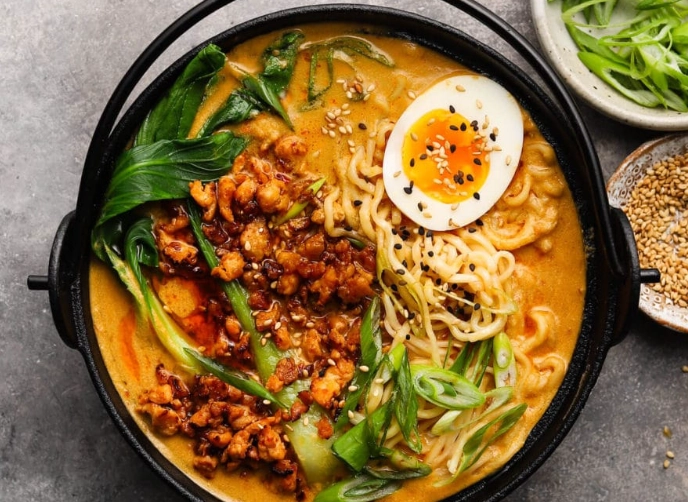
- Sesame Paste (Neri Goma): This is non-negotiable. It's not tahini (though that's a common substitute at home), but a Japanese-style roasted sesame paste that's smoother and often has a deeper roast flavor. It creates the creamy texture and the foundational nutty taste. The Japanese Ministry of Agriculture, Forestry and Fisheries notes the importance of sesame in Japanese cuisine, and here it's the headliner.
- Chili Oil (Rayu): Provides the heat and a beautiful red hue. It's often infused with aromatics like garlic, ginger, and scallions.
- Miso or Soy Sauce: For saltiness and fermented depth. Many recipes use a combination. Sweet white miso (shiro miso) is a popular choice as it balances the heat.
- Minced Pork (Soboro): Often, ground pork is stir-fried until crumbly with doubanjiang (Chinese chili bean paste), soy sauce, and sake. This isn't just a topping; it's mixed into the sauce, adding meaty texture and savory-spicy notes.
- Aromatics: Finely chopped garlic, ginger, and scallions are fried in the oil before the other ingredients are added, building a flavor foundation.
- Seasonings: A touch of sugar or mirin to round out the flavors, and sometimes a dash of rice vinegar or black vinegar for a slight tang.
When the hot base soup hits this sauce in the bowl, it emulsifies. The fat from the sesame and chili oil blends with the soup, creating that signature, slightly creamy consistency that coats every noodle. It's a brilliant technique.
Quick Thought: The best tantan broth walks a tightrope. It should be rich but not greasy, spicy but not painfully so, nutty but not like you're drinking dessert. When it's out of balance, the whole bowl suffers. I've had bowls where the chili oil was too raw and harsh, ruining the subtle sesame notes. Getting this sauce right is an art.
The Body: The Noodles & Toppings
You can't have ramen without noodles, and the toppings are what make each bowl a complete meal. For what tantan ramen is made of to be complete, we have to look at what's floating in that glorious broth.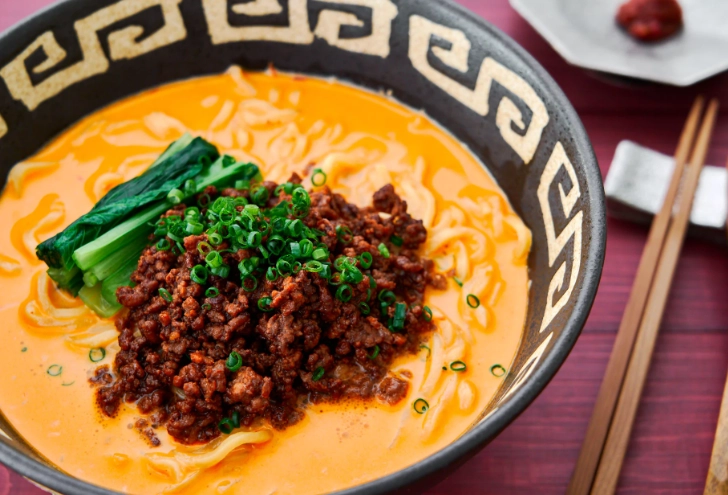
The Noodles
Tantan ramen typically uses medium-thick, wavy, yellow wheat noodles. The waves are crucial – they catch and hold onto the thicker, oilier broth better than straight noodles would. They have a good chew (al dente texture is ideal) and enough substance to stand up to the robust flavors. They're not as thin as soba or as thick as some udon. They're the perfect vehicle.
The Classic Toppings Line-Up
While there are endless variations, a classic bowl will often feature:
| Topping | Role in the Bowl | Common Prep & Notes |
|---|---|---|
| Chashu (Braised Pork Belly or Shoulder) | Rich, fatty, melt-in-your-mouth protein. Balances heat. | Sliced thin or thick, often soy-sauce braised. The fat renders and subtly flavors the broth. |
| Menma (Seasoned Bamboo Shoots) | Crunchy texture, fermented, savory flavor. | Provides a necessary textural contrast to the soft noodles and pork. |
| Soft-Boiled Ramen Egg (Ajitsuke Tamago) | Creamy yolk, sweet-salty marinade. A treasure. | The runny yolk adds richness to the broth when broken. |
| Chopped Scallions (Negi) | Fresh, sharp, colorful garnish. Cuts through richness. | Usually green parts, finely chopped for a burst of freshness. |
| Leafy Greens | Vegetable element, slight bitterness, color. | Blanched spinach (horenso) or bok choy are common. |
| Nori (Seaweed Sheet) | Salty, oceanic umami, crispy texture (at first). | A small rectangle perched on the side, to be dipped or soaked. |
Some places get creative with corn, bean sprouts, or even a sprinkle of crushed peanuts or sesame seeds for extra crunch. But the ones in the table are the core team. The egg, for me, is non-negotiable. A bowl without that marinated egg feels incomplete, like a burger without fries on the side.
From China to Japan: A Quick Flavor Journey
To really understand what tantan ramen is made of, it helps to know where it came from. The name gives it away: it's a Japanized version of Chinese Dan Dan Noodles (担担面).
The original Szechuan dish is a street food classic. It features a sauce of chili oil, Sichuan peppercorns (for that mouth-numbing ma la sensation), preserved vegetables, and minced pork, served over noodles with little to no soup. It's punchy, oily, and intensely flavorful.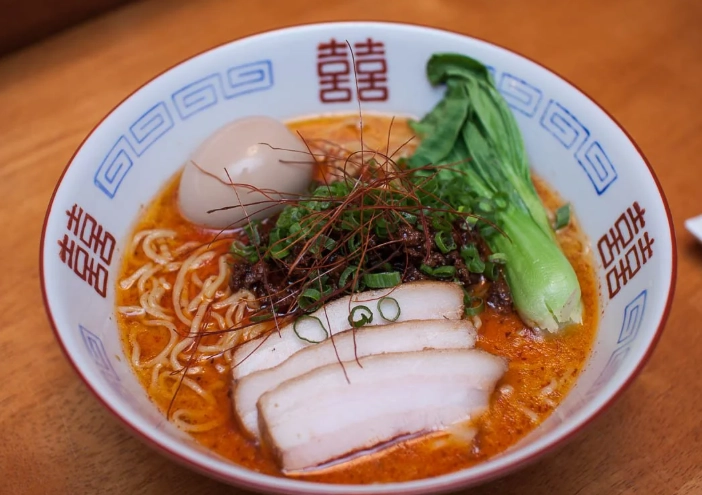
When it came to Japan, chefs adapted it to local tastes. The fiery Sichuan peppercorns were often dialed back or omitted. The sesame paste (more common in Japanese cooking) was amplified, creating a creamier, richer sauce. Broth was added, turning it into a soup noodle dish that fit the ramen format. The Japanese version is generally sweeter, less aggressively spicy, and focuses more on the harmony of the sesame and meat flavors.
It's a perfect example of culinary translation. Japan took the core idea – a spicy, nutty, porky noodle sauce – and rebuilt it in its own image, creating something familiar yet distinctly new. You can still see the family resemblance, but they're like cousins, not twins.
Making It at Home: A Realistic Breakdown
Okay, so you want to try making it yourself. Knowing what tantan ramen is made of is the first step. The second is realizing you don't need to make every single component from scratch to get a fantastic result. Let's be practical.
The "From-Scratch" Route (For the Ambitious)
If you have a weekend afternoon, you can do it all. Make a light chicken broth. Prepare the chashu (it's easier than you think). Marinate the eggs for a day. Then make the tantan sauce from raw aromatics, ground pork, and good sesame paste. It's a project, but deeply satisfying. Resources like Serious Eats often have meticulously tested recipes that are great for this deep dive.
The "Semi-Homemade" Shortcut (My Weeknight Go-To)
This is how I make it 80% of the time, and it's delicious.
- Broth: Use a good-quality low-sodium chicken broth. You can boost it with a piece of kombu simmered for 20 minutes.
- Tantan Sauce: This is where you focus. Brown some ground pork. Add minced garlic, ginger, and a big spoonful of doubanjiang. Cook out the rawness. Stir in a few heaping tablespoons of tahini or Japanese sesame paste, a splash of soy sauce, mirin, and a spoonful of sugar. Cook until fragrant and oily.
- Noodles: Buy fresh or dried ramen noodles from an Asian market. Don't use instant noodle bricks for this (save those for when you're really desperate).
- Toppings: Store-bought menma. Quick-blanced spinach. A soft-boiled egg (marinate for a few hours in a mix of soy, mirin, and water if you have time). Thinly sliced scallions.
Assemble: Sauce in bowl, hot broth, cooked noodles, toppings. Done. It captures the spirit perfectly and answers the question of what is tantan ramen made of in your own kitchen.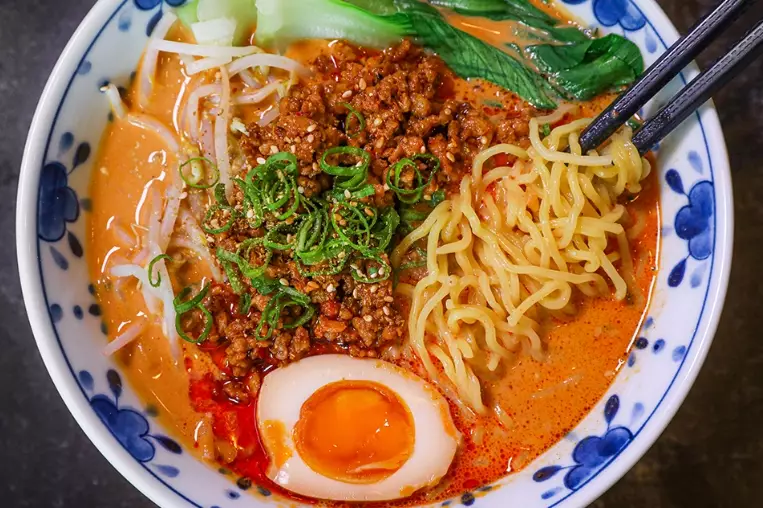
Personal Tip: Don't skip toasting your sesame seeds if you're using tahini. A dry pan, medium heat, stir until golden and fragrant. It makes a world of difference in deepening that nutty flavor. It's the little things.
Your Tantan Ramen Questions, Answered
Final Slurp: It's All About Harmony
So, after all this, what is tantan ramen made of? It's made of contrasts finding balance. The heat of the chili oil balanced by the sweetness of the sesame and mirin. The richness of the pork cut by the sharpness of the scallions. The soft noodles against the crunchy menma. The savory broth embracing the creamy egg yolk.
It's a complete system.
Knowing what goes into it doesn't take away the magic. For me, it adds to it. Next time you're in a ramen shop, you'll look at that bowl differently. You'll recognize the effort in the sauce, the choice of noodles, the placement of each topping. You'll know you're not just eating a spicy noodle soup. You're eating a story of adaptation, a lesson in balancing flavors, and a truly satisfying bowl of comfort that answers the question of what tantan ramen is made of with every single slurp.
Maybe you'll even be inspired to try making your own. Start with the semi-homemade way. Taste, adjust, make it yours. That's the real fun of understanding the ingredients.
Reader Comments