Let's be honest. Most of us think we know eggs. Scrambled, fried, poached—done. Then you encounter real Japanese tamago. It's a revelation. A sweet, layered omelette (tamagoyaki) that melts on your tongue at a sushi counter. A silky, savory egg custard (chawanmushi) hiding treasures of chicken and shrimp. A simple raw egg cracked over steaming rice that transforms into a luxurious sauce. This isn't just cooking; it's a philosophy of texture, umami, and technical finesse. After years of eating my way through Tokyo's yoshoku cafes and failing spectacularly in my own kitchen, I've learned that mastering tamago is the single fastest way to elevate your home cooking with authentic Japanese flavor. And most guides miss the subtle, make-or-break details.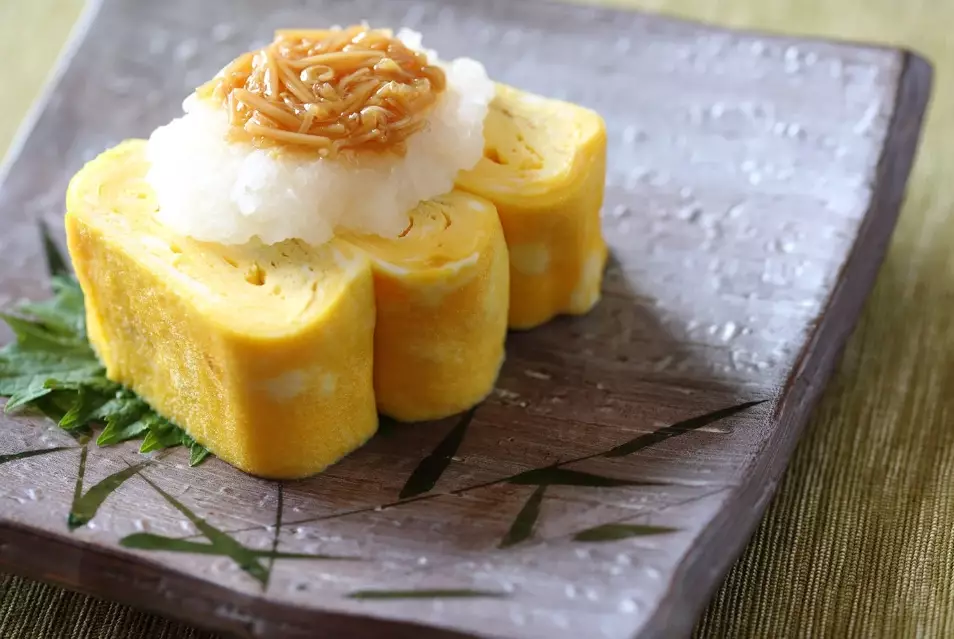
Your Tamago Journey Starts Here
What Exactly is Tamago?
Tamago simply means "egg" in Japanese. But in a culinary context, it refers to the universe of egg dishes that form the bedrock of the cuisine. It's not one recipe. It's a category. Think of it as the Japanese approach to maximizing an egg's potential across textures: from the firm, sweet layers of a rolled omelette to the jiggly, hot-spring consistency of onsen tamago, to the barely-set creaminess of oyakodon (parent-and-child rice bowl). The core principle across all preparations is control. Control of heat, seasoning, and the egg's natural setting point to achieve a specific, often delicate, mouthfeel. That's where most home cooks go wrong—they treat it like a Western egg.
Why Tamago is a Japanese Culinary Pillar
Beyond being a cheap protein source, tamago is deeply woven into the food culture. You'll find it at breakfast, lunch, dinner, and as a snack. It's in bento boxes as a colorful, sweet garnish. It's the final luxurious touch on a bowl of sukiyaki. It's the star of a humble teishoku (set meal). Nutritionally, it's a complete package. Culturally, it represents refinement and care—the ability to transform a simple ingredient into something exquisite. The Japanese Ministry of Agriculture, Forestry and Fisheries highlights eggs as a key component of the dietary pattern, and their food safety standards are among the world's highest, which is why consuming raw or lightly cooked eggs is common and safe there. That trust in the ingredient opens up a whole spectrum of recipes others might avoid.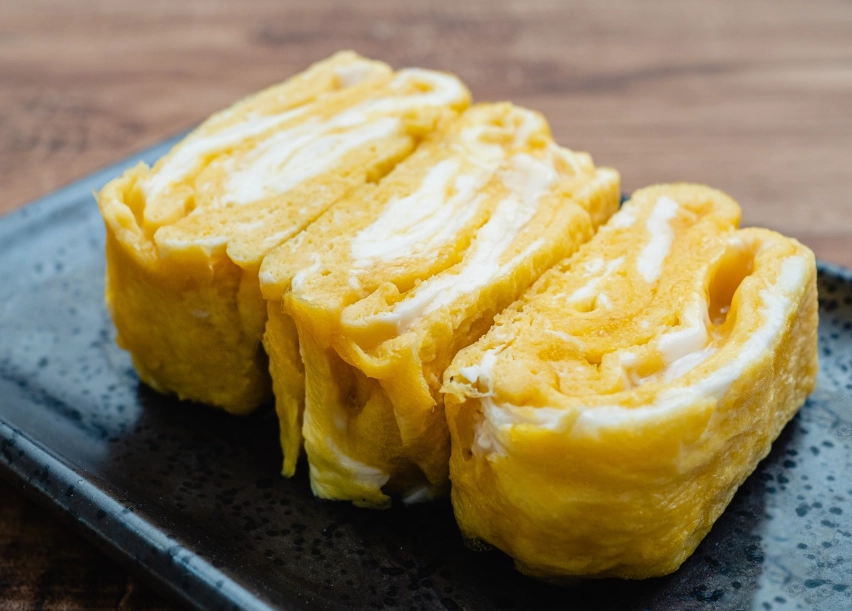
The Tamago Hall of Fame: Must-Try Dishes
Here’s where we get specific. If you're exploring Japanese egg dishes, these are the non-negotiables. I've ranked them not by popularity, but by the technical skill they represent and their accessibility for a home cook.
| Dish | What It Is | Key Texture & Flavor | Where to Try It (A Specific Example) |
|---|---|---|---|
| Tamagoyaki / Dashimaki Tamago | The iconic rolled omelette, layered in a rectangular pan. Sweet or savory. | Dense, moist, layered, subtly sweet or umami-rich from dashi. | Tamago-ya in Tokyo's Tsukiji outer market. They specialize in it. Fluffy, slightly sweet, about 300 yen a slice. |
| Chawanmushi | A savory steamed egg custard, often with chicken, shrimp, ginkgo nut. | Silky smooth, jiggly, delicate, bursting with dashi flavor. | Any decent kappo or kaiseki restaurant. It's a standard appetizer. Or make it—the recipe is forgiving if you strain the mix. |
| Oyako-don | "Parent-and-child bowl." Chicken and egg simmered in a sweet-savory sauce over rice. | The egg should be softly set, creamy, blending into the sauce. Not scrambled. | Tamahide in Ningyocho, Tokyo. They claim to have invented it in 1891. The egg is ethereally soft. |
| Onsen Tamago | Hot-spring egg. Slow-cooked in shell until white is just set and yolk is custardy. | Wobbly white, runny but thick yolk. Served in a dashi-based broth. | Literally at an onsen (hot spring) resort. Or replicate at home with a precise 70°C (158°F) water bath for 45 min. |
| Katsu-don / Other -don | Pork cutlet or other topping with egg simmered on top, served over rice. | Egg acts as a binding, saucy layer that soaks into the rice. Should be set but tender. | Any tonkatsu specialty shop that serves donburi. The egg quality makes or breaks it. |
My personal gateway drug was chawanmushi. I ordered it at a random izakaya in Shinjuku, expecting something like Chinese steamed egg. It wasn't. The depth from the dashi (made from kombu and katsuobushi), the surprise of a shrimp halfway down—it was elegant, comforting, and complex all at once. I was hooked.
How to Make Perfect Tamagoyaki at Home?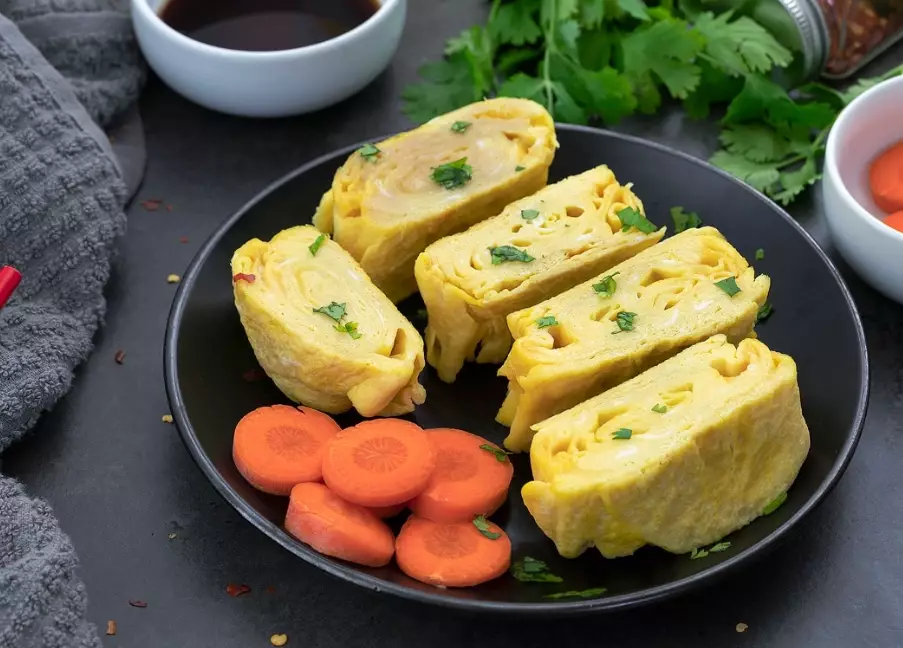
This is the question. Everyone wants that sushi shop roll. You can buy a rectangular pan (makiyakinabe), but the tool is less important than the technique. Here’s my battle-tested method, honed after producing more rubbery logs than I care to admit.
Pro Insight Everyone Misses: The goal is not to fully cook each layer. You want each layer just set enough to roll, but still slightly wet on top. The residual heat from the pan and the subsequent layers will finish the cooking, creating a moist, unified roll. If each layer is fully cooked through, you get dry, separate sheets.
Step 1: The Mix. For 3 eggs, use 1 tbsp dashi (homemade or a quality powder like Hondashi), 1 tsp sugar, 1 tsp mirin, 1/2 tsp soy sauce, pinch of salt. Whisk gently—you don't want a frothy, airy mixture. Strain it through a fine sieve. This step is non-negotiable for a smooth texture.
Step 2: Pan & Heat. Use a well-seasoned rectangular pan or a small 8-inch non-stick skillet. Heat it over medium-low. Test with a drop of egg—it should sizzle softly, not violently. Brush with a thin layer of neutral oil (I use rice bran).
Step 3: The Layering Dance. Pour in just enough egg to coat the pan thinly. As soon as the bottom sets and the top is still runny (about 70% set), start rolling from the far end toward you. Push the roll back. Oil the pan again, especially under the roll. Lift the roll slightly to let raw egg flow underneath. Pour more egg in the empty space, making sure it connects under the roll. Let it set, then roll again, now incorporating the new layer. Repeat until egg is used up.
The Critical Move: After each roll, I press the log gently with my spatula against the side of the pan for a few seconds. This shapes it and ensures the layers adhere while still hot. Let the final roll rest in the pan off-heat for a minute, then transfer to a bamboo mat to shape while warm. Slice with a very sharp, wet knife.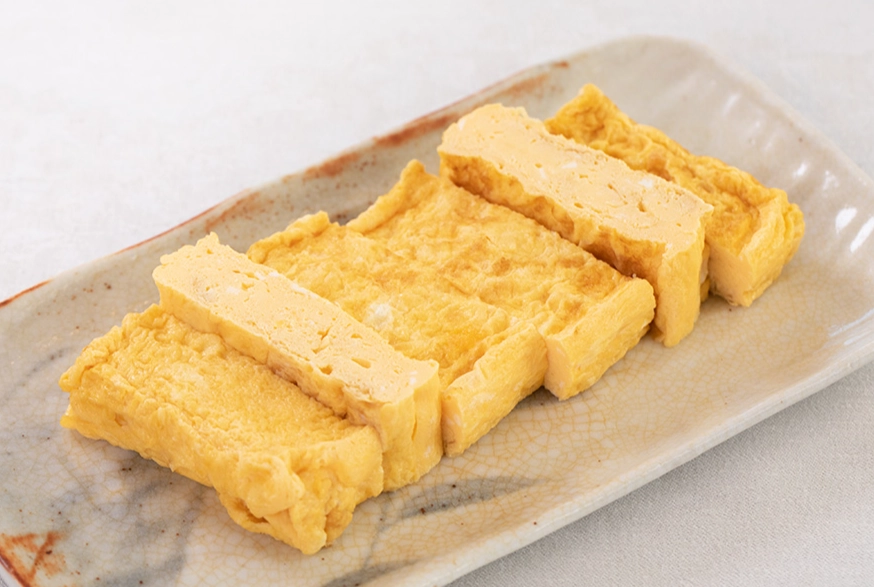
Common Tamago Pitfalls and How to Avoid Them
This is where experience talks. You won't find these in most recipe comments.
Pitfall 1: The Rubbery Tamagoyaki
We've all made it. The egg puck. Cause: Heat too high and overcooking each layer. The pan should be just hot enough to set the egg gently. If it's smoking or the egg browns immediately, it's too hot. Wipe the pan with a damp paper towel between layers to cool it slightly. It's a game-changer.
Pitfall 2: Chawanmushi with Bubbles or Spongy Texture
You steamed it and it came out looking like a honeycomb. This happens from too vigorous boiling. Steam over simmering water, not a rolling boil. Cover the cups with foil or a drop lid (otoshibuta) to prevent condensation droplets from falling and cratering the surface. And yes, strain that egg mixture twice.
Pitfall 3: Oyakodon with Scrambled, Dry Egg
The egg should be softly set, not curdled. The trick is in the lid. Once you pour the beaten egg over the simmering chicken and onions, cover the pan immediately. Turn the heat to low and let it cook for 60-90 seconds without peeking. The steam will cook the top evenly. Remove it while it's still slightly glistening.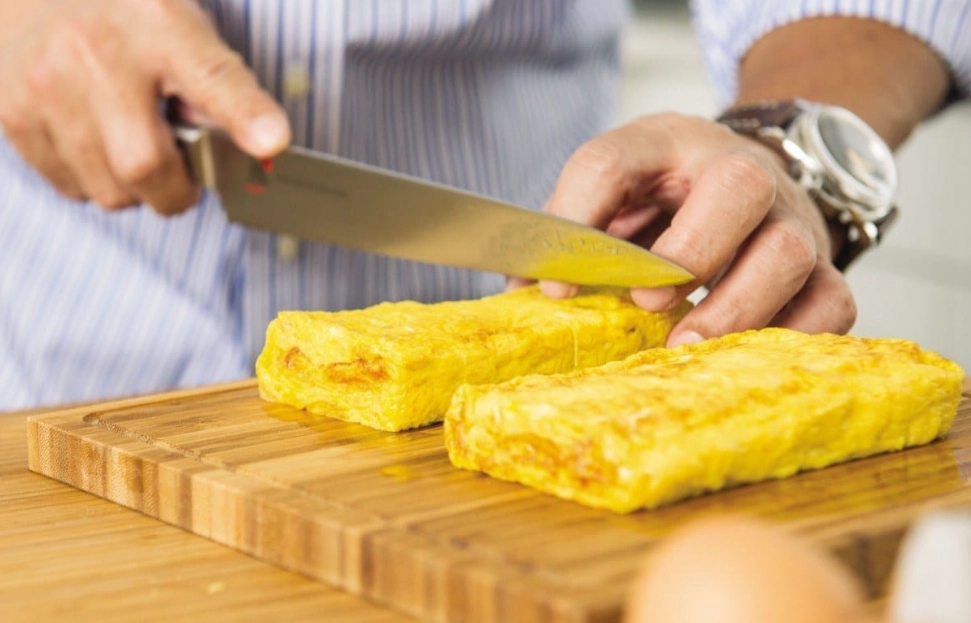
Beyond the Basics: Tamago in Fine Dining
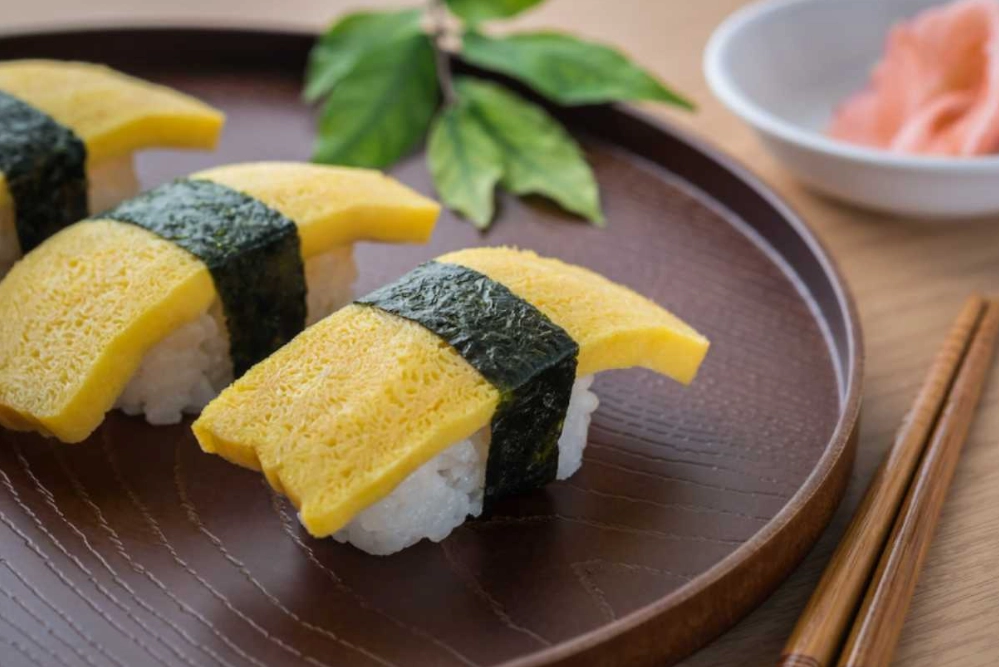
At a high-end sushi-ya, the tamago (at the end of the meal, served as a dessert-like piece) is a point of pride. It can take an apprentice years to be allowed to make it. Jiro's restaurant is famous for its cake-like, layered version. It's often a secret recipe involving grated mountain yam (nagaimo) or shrimp paste for extra sweetness and bounciness. This isn't something you replicate at home easily, but knowing it exists changes how you appreciate the humble ingredient. It shows the ceiling of what's possible.
Your Tamago Questions Answered
 Mastering tamago is a journey. It starts with respecting the egg's delicacy and understanding that low heat and patience are your best tools. Don't aim for Instagram-perfect rolls on the first try. Aim for taste and texture. Get the dashi right—it's the soul of most savory Japanese egg dishes. A good resource for authentic dashi techniques is the site Just One Cookbook, which breaks down the fundamentals clearly. Once you've nailed a moist tamagoyaki or a silky chawanmushi, you'll see eggs in a whole new light. It's not just breakfast anymore; it's an art form hiding in your fridge.
Reader Comments