Quick Guide
- What Is Karaage, Really? (It's Not Just "Japanese Fried Chicken")
- The Foundation: Gathering Your Karaage Toolkit
- The Step-by-Step Karaage Recipe (No Steps Skipped)
- Beyond the Basic: Dips, Sides, and Twists
- Your Karaage Questions, Answered (The Stuff Other Recipes Don't Tell You)
- Leveling Up: Pro Tips and Personal Tweaks
Let's be honest. We've all had that moment staring at a menu, seeing "karaage," and ordering it without a second thought. It's fried chicken, but somehow... different. Lighter. More flavorful. The kind of thing you can't stop eating once you start. I remember the first time I tried to make it at home. It was a disaster. The coating fell off, the inside was dry, and it tasted nothing like the stuff I had in that little izakaya in Tokyo. That failure sent me down a rabbit hole, chatting with chefs, bothering my Japanese friends' mothers for tips, and burning through more chicken thighs than I care to admit. But you know what? I cracked the code. And I'm going to share everything I learned, the easy way and the hard way, so you can make the best karaage recipe right in your own kitchen.
This isn't just a list of ingredients and steps. This is the why behind every choice, from the cut of chicken to the temperature of your oil. We'll cover the classic version, sure, but also how to tweak it to your taste, what to serve it with, and how to avoid the common pitfalls that trip up most home cooks.
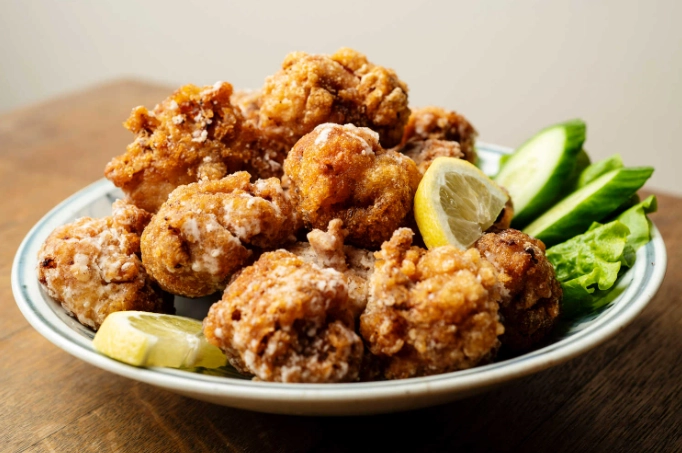 Ready to make karaage that'll have everyone asking for your secret?
What Is Karaage, Really? (It's Not Just "Japanese Fried Chicken")
Okay, so it is Japanese fried chicken. But that label sells it short. Calling karaage just fried chicken is like calling a great steak just cooked beef. It misses the nuance. The term "karaage" (唐揚げ) actually refers to a cooking method where food is lightly coated and deep-fried. While chicken is the most famous version, you can find karaage made with fish or vegetables.
The magic of a great karaage recipe lies in its beautiful simplicity leading to complex flavor. It's marinated, not battered. The coating is feather-light, often just potato starch or a mix, creating a shatteringly crisp shell that doesn't feel heavy or greasy. Inside, the chicken stays unbelievably juicy and packed with savory, garlicky, gingery goodness. It's casual food, the kind you get at pubs (izakayas) with a cold beer, but making it well requires a bit of know-how. Japan's Ministry of Agriculture, Forestry and Fisheries even highlights dishes like this as part of Washoku, traditional Japanese dietary culture, noting the importance of technique and quality ingredients.
The biggest misconception? That it's complicated. It's not. But there are a few non-negotiable steps you can't skip if you want the real deal.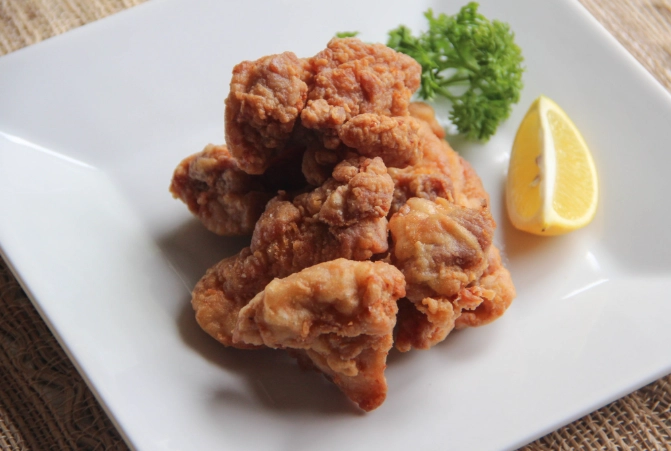
The Foundation: Gathering Your Karaage Toolkit
You don't need fancy gear. A sharp knife, a couple of bowls, and a pot for frying will do. But your ingredients? Those matter.
The Chicken: The Star of the Show
Let's talk about chicken. Breast vs. thigh is a holy war in many kitchens. For karaage, the war is over. Thighs win, no contest. Why? Fat and connective tissue. Thighs have more of both, which means they stay juicy and tender through the high heat of frying. Breast meat, with its lean profile, almost always dries out unless you're incredibly precise. I've tried both side-by-side, and the thigh version was moister and more flavorful every single time.
You'll want boneless, skin-on chicken thighs. The skin is CRUCIAL. It renders fat during frying, adding flavor and helping the coating adhere while getting incredibly crispy. If you get skinless, you're missing a key textural element. Cut them into generous, bite-sized pieces—about 1.5-inch chunks. Too small, and they overcook. Too big, and the coating might burn before the inside is done.
Pro Tip: Don't waste the trimmings! Any uneven bits or very small pieces of chicken can be saved in the freezer. Once you have enough, they're perfect for making a quick chicken stock or adding to a stir-fry.
The Marinade: Where the Flavor Lives
This is the soul of your karaage recipe. The marinade does the heavy lifting, seasoning the chicken from the inside out. The classic combination is:
- Soy Sauce: For saltiness and umami. Use a regular Japanese soy sauce (koikuchi). I find low-sodium soy sauce can work if you're watching salt, but the flavor is less robust.
- Sake: This is key. It tenderizes the meat, adds a subtle sweetness, and helps eliminate any gamey odors from the chicken. Cooking sake (ryorishu) is fine. If you don't have sake, a dry sherry is the closest substitute, but the flavor profile changes.
- Mirin: Sweet rice wine. It adds a glossy finish and a delicate sweetness that balances the soy. If you're in a real pinch, a tiny bit of sugar dissolved in water can mimic the sweetness, but you'll lose complexity.
- Fresh Ginger & Garlic: Grated. Not minced, grated. This creates a paste that clings to the chicken and infuses it with aromatic punch. The pre-minced stuff in jars doesn't compare.
Some recipes add a pinch of sugar or a dash of sesame oil. I like a half teaspoon of sugar—it promotes better browning. I skip the sesame oil for the classic version, as I find it can overpower the other flavors, but it's a nice twist sometimes.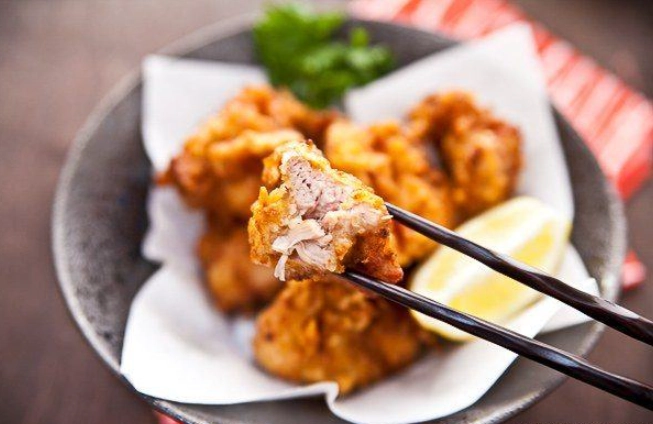
The Coating: The Secret to the Perfect Crunch
Flour? Cornstarch? Panko? This is where many recipes diverge. The most authentic, and in my opinion the best, coating for a karaage recipe is potato starch (katakuriko).
Here's a quick comparison to see why:
| Coating Type | Texture Result | Pros & Cons | Best For... |
|---|---|---|---|
| Potato Starch | Extremely crisp, light, shatteringly delicate. Has a slight translucency. | Pro: The gold standard. Creates the iconic karaage crust. Con: Can be harder to find than cornstarch. | Authentic, classic karaage. |
| Cornstarch | Very crisp, but can be slightly harder/denser than potato starch. | Pro: Widely available, works very well. Con: Texture is a tiny bit different. | A great, accessible substitute. |
| All-Purpose Flour | Softer, more "bready" crust. Browns well but isn't as crisp. | Pro: Everyone has it. Con: Doesn't achieve the signature karaage texture. | If you have absolutely nothing else. |
| Half Potato Starch, Half Flour | A happy medium—crisp but with a bit more substance. | Pro: Forgiving, good crunch. Con: Not as ethereal as pure potato starch. | Beginners or those who prefer a slightly sturdier bite. |
You can find potato starch in most well-stocked supermarkets or Asian grocery stores. It's worth seeking out. Trust me.
The Step-by-Step Karaage Recipe (No Steps Skipped)
Here we go. The main event. Follow this closely, and you're 90% of the way to perfect karaage.
Step 1: Marinate Like You Mean It
In a bowl (or a zip-top bag, which I prefer for easy cleanup and even coating), combine your marinade ingredients. For about 1.5 lbs (700g) of chicken thighs, I use: 3 tablespoons soy sauce, 2 tablespoons sake, 1 tablespoon mirin, 1 tablespoon freshly grated ginger, 2 cloves of garlic grated, and that optional half teaspoon of sugar. Whisk it together.
Add your chicken pieces, making sure each piece gets coated. Now, the waiting game. At least 30 minutes at room temperature. Yes, room temp. This allows the marinade to work faster and brings the chicken closer to room temp for even frying. If you need longer (up to 4 hours), pop it in the fridge, but take it out 30 minutes before frying. Overnight marinating? I've done it. The flavor is intense, almost too intense, and the texture can get a bit mushy from the enzymes in the ginger. 1-2 hours in the fridge is the sweet spot for a weekday meal.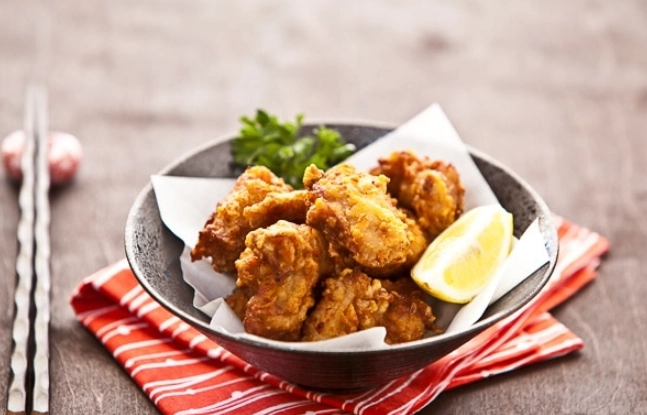
Watch Out: Don't pour the marinade over the chicken once it's coated in starch. It will create a gummy, pasty mess. The marinating step is done before coating.
Step 2: The Coating & The Double-Dredge (Optional but Awesome)
Drain the chicken from the marinade. You don't need to pat it bone-dry; a little wetness helps the starch stick. Put a generous amount of potato starch (or your chosen coating) in a shallow tray or plate.
Here's a trick I picked up: toss a few pieces of chicken in the starch at a time, pressing and tossing them to ensure an even, light coating. Don't just dredge and move on. Really toss them around, then lift each piece and gently shake off the excess. You want a thin, even layer, not a thick, doughy shell.
The "double-dredge": After the first coating, let the pieces sit on a wire rack for 5-10 minutes. The moisture from the chicken will slightly hydrate the starch, creating a sticky surface. Then, give them one more very light toss in the starch. This builds a thin, extra-crispy layer that really holds up. Is it mandatory? No. Does it make a noticeable difference in crunch? Absolutely.
Step 3: Frying to Perfection
This is the scary part for most people. Deep-frying. But for karaage, it's more like a confident shallow-fry. Use a heavy-bottomed pot (a Dutch oven is perfect) and fill it with about 1.5 to 2 inches of neutral oil with a high smoke point—canola, peanut, or vegetable oil are all fine.
Temperature is everything. You need a thermometer. Guessing will lead to greasy or burnt chicken. Heat the oil to 340°F (170°C). This is a bit lower than you might think. Why? We're doing a two-stage fry. The first fry at this lower temperature cooks the chicken through gently without burning the coating.
Fry the chicken in batches. Don't crowd the pot! This drops the oil temp and makes everything soggy. I do maybe 5-6 pieces at a time. They should sizzle actively but not violently. Fry for about 3-4 minutes, until they are a light golden color and feel firm to the touch. They won't look done yet. That's okay. Remove them to a wire rack set over a sheet pan (NOT paper towels—the steam makes the bottom soggy).
Once all pieces have had their first fry, crank the heat and bring the oil up to 375°F (190°C). This is the second fry, or "age-tori." Fry the chicken again, in batches, for about 45-60 seconds. This is where the magic happens. The coating puffs up, turns a deep, irresistible golden brown, and becomes impossibly crisp. This double-fry method is the single best tip for achieving professional-level karaage at home.
According to food safety guidelines from sources like the USDA, chicken should be cooked to an internal temperature of 165°F (74°C). A good instant-read thermometer is your friend here, especially when you're starting out.
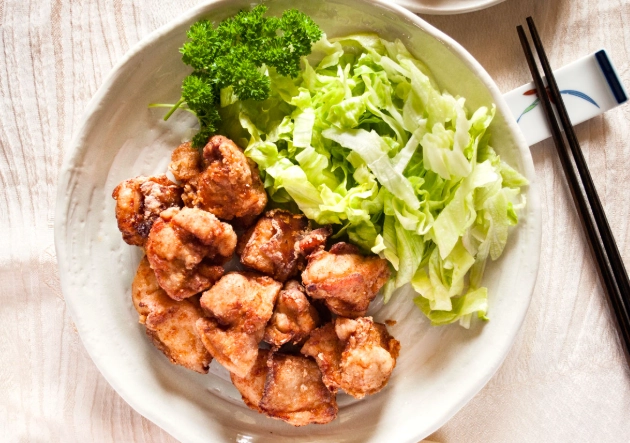 Hear that crunch? That's the sound of success.
Beyond the Basic: Dips, Sides, and Twists
Fresh out of the fryer, karaage is glorious with just a squeeze of lemon. But let's talk accompaniments.
The Dipping Sauce Trinity
You don't need much. Often, just lemon is perfect. But here are three classic options:
- Lemon Wedges: Non-negotiable. The bright acidity cuts the richness.
- Japanese Mayo (Kewpie): Richer, eggier, and slightly sweet compared to Western mayo. It's a creamy, dreamy partner.
- Ponzu Sauce: A citrus-soy sauce. You can buy it or make a quick version with soy sauce, lemon juice, and a bit of dashi or water.
I sometimes mix a little yuzu kosho (a spicy citrus paste) into my mayo for a kick. It's fantastic.
What to Serve With Your Karaage
This isn't a sit-down-with-mashed-potatoes kind of dish. It's casual, shareable food.
- With Beer: The classic izakaya pairing. A cold lager or a Japanese beer like Asahi Super Dry.
- Over Rice: Make it a donburi (rice bowl). Place karaage on hot rice, maybe with a drizzle of sauce and some shredded cabbage.
- With a Simple Salad: A vinegary cabbage salad (like an amazu salad) or just some shredded lettuce with a ginger-soy dressing provides a fresh contrast.
- As Bento Box Filler: It holds up surprisingly well at room temperature, making it a great bento addition.
Your Karaage Questions, Answered (The Stuff Other Recipes Don't Tell You)
I get a lot of questions whenever I make this. Here are the most common ones.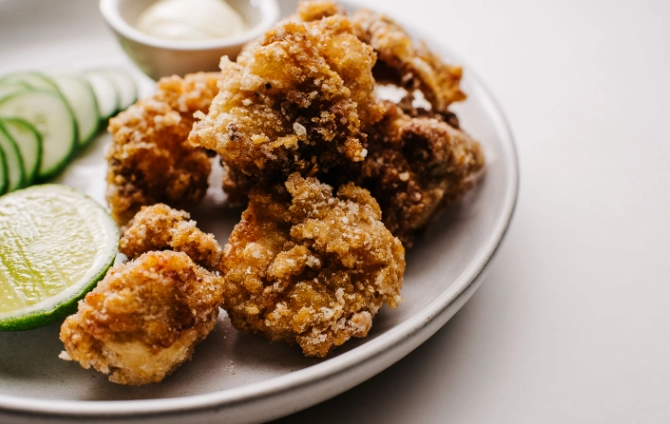
You can try. I have. Many times. The result is... okay. It's a decent, healthier approximation, but it is not the same. The crust doesn't get as uniformly crisp or shattery, and the chicken doesn't cook in the same burst of intense heat. If you must air-fry, spray the coated chicken generously with oil and cook at a high temp (400°F/200°C), shaking halfway. It'll be tasty, but call it "crispy baked chicken" not karaage. For a true karaage recipe, deep-frying is part of the deal.
Two likely culprits. First, the oil wasn't hot enough. If the oil is below 320°F (160°C), the coating will absorb oil and slide off before it sets. Use a thermometer. Second, you might have too much loose starch on the chicken before frying. Make sure to shake off the excess thoroughly after coating.
Yes, with a caveat. You can marinate the chicken (in the fridge) for up to a day. You can even coat it in starch an hour or two before frying and keep it on a rack in the fridge (this can actually help the coating set). But fry it just before serving. Reheated karaage loses its magic. The crispness fades. If you must, reheat in a toaster oven or air fryer, not a microwave.
Great question. Korean fried chicken (like yangnyeom) is typically double-fried for extreme crispness, similar to karaage. But the coating is often a wet batter or a heavier flour-based dredge, resulting in a very thick, crunchy crust. It's then often tossed in a sweet, spicy, sticky sauce. Karaage is marinated, has a very light, non-battered coating, and is usually served with just lemon or a simple dipping sauce on the side. Both are amazing, but different.
Leveling Up: Pro Tips and Personal Tweaks
Once you've mastered the basic karaage recipe, play around! Here are some of my favorite riffs and hard-won tips:
- The Garlic Bomb: Add an extra clove or two of grated garlic to the marinade. Maybe some black pepper. It's punchy and perfect.
- Shichimi Togarashi Finish: Sprinkle this Japanese seven-spice blend over the hot karaage right after frying. It adds color, heat, and complexity.
- The "No-Sake" Workaround: If you truly can't find sake, use a dry white wine with a pinch of sugar. Or, just use a bit more mirin and some water, but the tenderizing effect won't be as strong.
- Rest the Coated Chicken: I mentioned it before, but letting the coated pieces sit for 5-10 minutes before frying really does prevent the coating from sliding off. It gives the starch time to adhere.
- Fry in Small Batches: I know I said it, but it's the number one mistake. Be patient. Your oil temperature will thank you, and your chicken will be crisp.
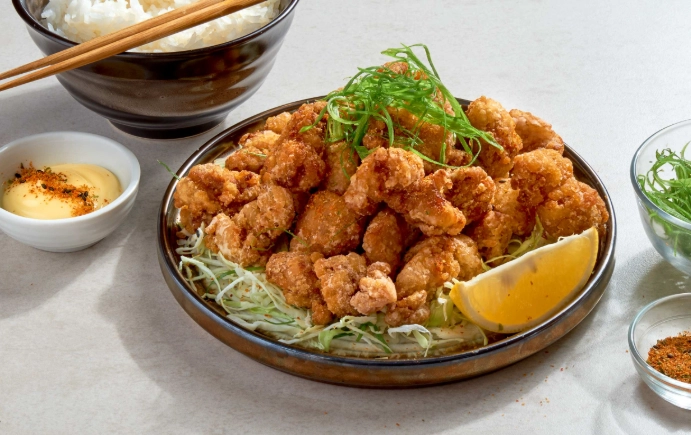
The beauty of a great karaage recipe is its versatility. It's a template. Master the technique—the marinade, the double-fry, the potato starch—and then make it your own. Add some chili paste to the marinade. Use lime instead of lemon. Toss it with a spicy mayo. It's a dish that rewards curiosity.
So there you have it. My entire journey into making perfect karaage, distilled into one guide. It took me a lot of trial and error (mostly error at the start), but now it's one of my most-requested dishes for friends and family. It seems fancy, but it's just good, honest, incredibly satisfying food. The kind that makes you feel like a kitchen wizard with very little actual effort once you know the tricks. Grab some chicken thighs, grate that ginger, and heat up that oil. Your new favorite karaage recipe is waiting for you to make it.
Reader Comments