Quick Guide
Let's be honest. When you hear "Japanese cooking," what comes to mind? Maybe it's intricate sushi, hours of broth simmering, or hard-to-find ingredients. It can feel a bit intimidating, right? I used to think exactly that. I'd scroll through beautiful food blogs and think, "That looks amazing, but there's no way I have the time or skill."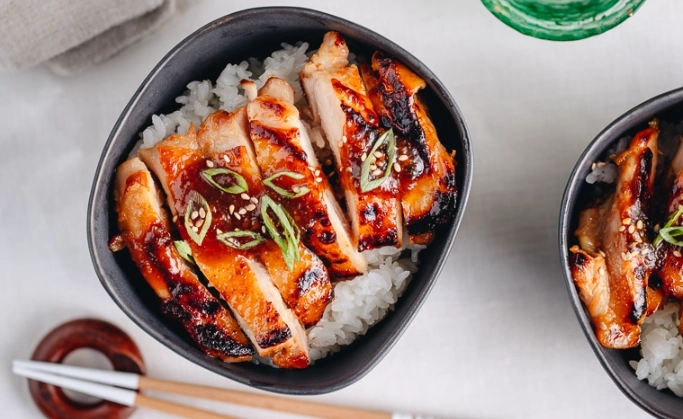
But here's the secret they don't always tell you: Japanese home cooking, especially when it comes to chicken, is some of the most straightforward, forgiving, and downright delicious food you can make on a busy Tuesday night. Seriously. The whole idea of Japanese chicken dishes easy to prepare isn't a myth—it's how millions of Japanese families eat every day.
I learned this the hard way after one too many disappointing takeout orders that were expensive and just... meh. I decided to give it a real shot in my own kitchen. And guess what? The results were game-changing. We're talking about juicy, flavor-packed meals that come together faster than you can decide what to stream.
Why Japanese Chicken Recipes Are Perfect for Beginners
It's not an accident. The philosophy behind a lot of Japanese home cooking is harmony and simplicity. You take a great-quality main ingredient—like chicken—and you enhance it, not drown it. The techniques are often simple: simmering, pan-frying, grilling. The flavor profiles are clear and balanced: savory-sweet (like teriyaki), salty-umami (soy-based), or crispy and satisfying.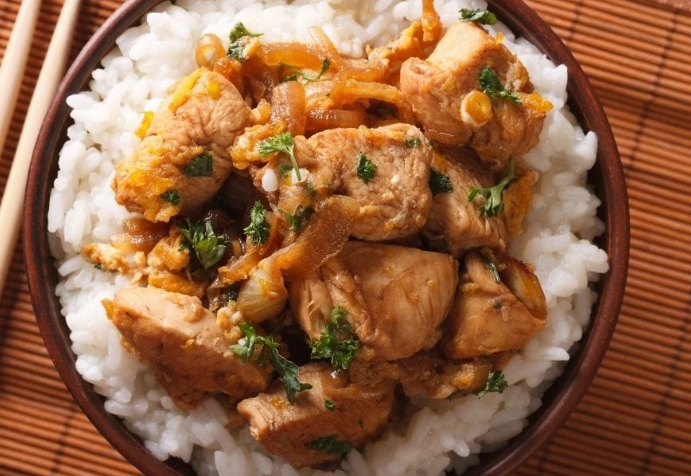
Another huge point? Many of these dishes are designed to be one-pan or one-bowl meals. Less cleanup is always a win in my book. The Japanese Ministry of Agriculture, Forestry and Fisheries even promotes "washoku" (traditional dietary cultures) principles that emphasize simplicity and seasonal ingredients, which aligns perfectly with easy home cooking. You can explore more about these principles on their official washoku promotion page.
So, let's get into the good stuff. These are the recipes that have earned a permanent spot in my dinner rotation because they're reliable, delicious, and yes, incredibly easy.
5 Easy Japanese Chicken Dishes You Can Master Tonight
I'm not just listing recipes. I'm telling you about the ones that passed the "weeknight test"—minimal fuss, maximum flavor. We'll go through why each one is simple, the one key thing to get right, and a little trick I learned along the way (sometimes from my own mistakes).
Teriyaki Chicken: The Classic for a Reason
If you only try one easy Japanese chicken recipe, make it this. The name "teriyaki" comes from "teri" (shine) and "yaki" (grill or broil). That beautiful glossy glaze is what you're after. The best part? You can make a killer teriyaki sauce with three basic ingredients you probably have: soy sauce, mirin (sweet rice wine), and sugar.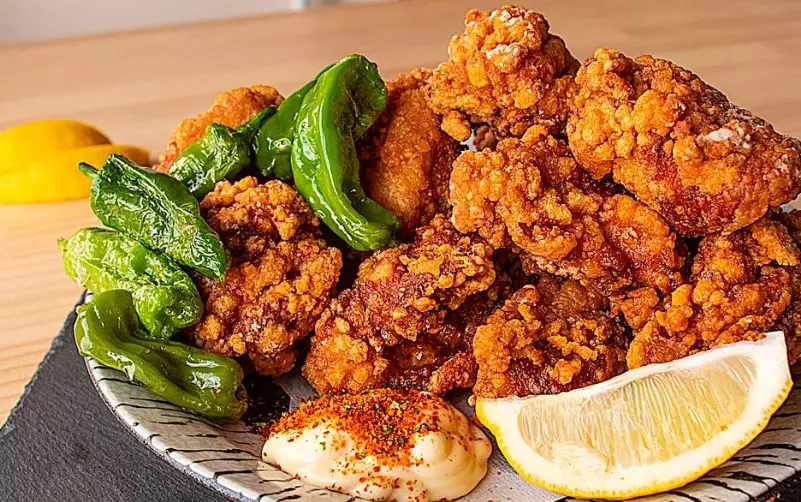
Serve it over a bowl of steaming rice with some steamed broccoli. It's the definition of comfort food and a perfect example of a Japanese chicken dish easy enough for anyone.
Chicken Karaage (Japanese Fried Chicken)
Hear me out on the "fried" part. Karaage is different. It's not a heavy, thick-battered fry. The chicken is marinated in soy, ginger, and garlic, then lightly coated in potato starch (or cornstarch) before a quick fry. The result is insanely crispy on the outside, juicy and packed with flavor on the inside. It's a pub favorite in Japan for good reason.
What makes this an easy Japanese chicken dish is the simplicity of the prep. Chop chicken, marinate, coat, fry. The active cooking time is short. Pair it with a simple cabbage salad and lemon wedge. The official Japan National Tourism Organization site has a great feature on Japanese pub food culture where dishes like karaage shine, highlighting their role in everyday dining.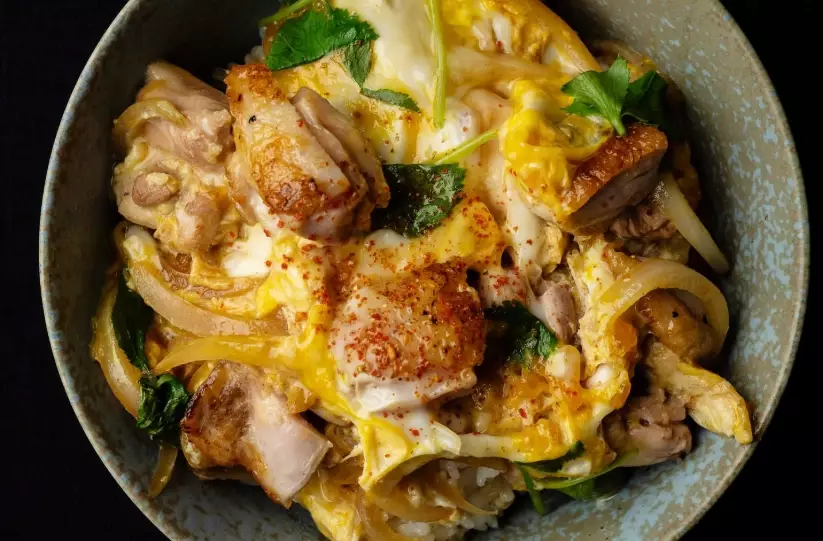
Oyako Don (Chicken and Egg Bowl)
"Oyako" means parent and child (chicken and egg). It's a humble, soul-warming bowl of simmered chicken and onions in a sweet-savory dashi-soy broth, topped with softly scrambled eggs. It all cooks in one pan in about 15 minutes and gets served directly over rice.
This is the ultimate busy-night lifesaver. The technique is just simmering. You can't really mess it up. The eggs should be just set but still a bit runny when you take it off the heat—they'll keep cooking from the residual heat.
Japanese Chicken Curry
Forget Indian or Thai curry for a second. Japanese curry is its own wonderful thing—milder, sweeter, heartier, and thickened into a rich stew. And the biggest secret? Most home cooks in Japan use store-bought curry roux blocks. It's not cheating; it's the standard! This makes it one of the most accessible Japanese chicken dishes easy to make.
You sauté onions, carrots, and potatoes, add chicken and water, simmer until tender, then melt in the curry roux. That's it. It's a one-pot wonder that tastes like it simmered for hours. The blocks, like the popular S&B or House brands, are a perfect blend of spices and thickeners. You can find them in most Asian grocery stores or online.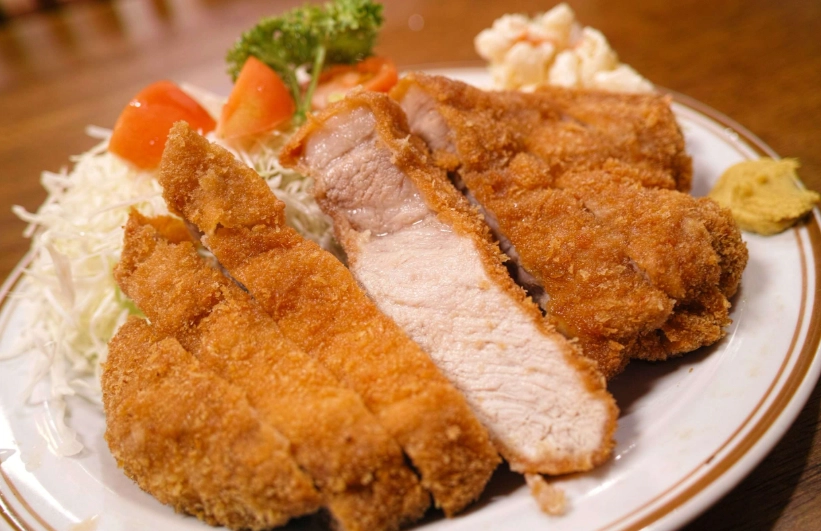
It's the perfect meal for a crowd or for leftovers that taste even better the next day.
Chicken Nanban
This one is a fun twist from southern Japan. Chicken is lightly fried (like karaage), then briefly dipped in a sweet-vinegar soy sauce while hot, and finally topped with a creamy tartar sauce. The combination of crispy, tangy, and creamy is unreal.
The "easy" hack here? For a quick weeknight version, skip the deep fry. Do a shallow pan-fry. It's less oil, less mess, and still gets you that crispy exterior. The tartar sauce is just chopped pickles, boiled egg, and mayo mixed together—takes two minutes.
It sounds fancy but the steps are very straightforward, making it a fantastic easy Japanese chicken recipe to impress with.
Your Toolkit for Easy Japanese Chicken Success
You don't need a kitchen full of special gear. A few key items and ingredients will make your life infinitely easier and your food taste more authentic.
The Pantry Staples (The Flavor Foundation):
- Soy Sauce: The backbone. Use a regular Japanese soy sauce (like Kikkoman). Not light, not dark for these basic recipes.
- Mirin: Sweet rice wine. It's the key to that balanced sweet-savory glaze in teriyaki. If you're in a real pinch, a tiny bit of sugar mixed with water or dry sherry can sub, but real mirin is best and lasts forever in the fridge.
- Sake: Cooking sake adds depth and removes gaminess from the chicken. It's worth having a small bottle.
- Dashi: This is Japanese soup stock, the source of umami. For ultimate ease, use instant dashi granules or packets. Just dissolve in hot water. It's the flavor base for Oyako Don, soups, and simmered dishes. The Kikkoman Cookbook has many recipes showcasing its use.
- Potato Starch or Cornstarch: For crispy coatings (karaage) and for thickening sauces quickly.
The Equipment:
- A good, heavy-bottomed frying pan or skillet. Even heat distribution is crucial.
- A medium-sized pot for curries and simmering.
- A rice cooker. I'm serious. Perfect rice every time with zero effort. It's the foundation of the meal.
- Some shallow bowls for serving. Presentation matters—it makes the meal feel special.
Here’s a quick comparison to help you decide which Japanese chicken dish easy to try first based on your time and mood: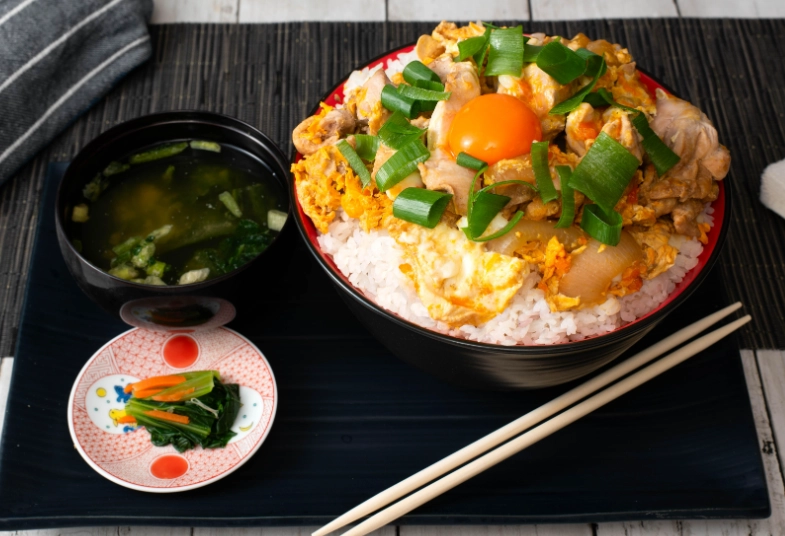
| Dish | Active Prep Time | Key Skill | Best For |
|---|---|---|---|
| Teriyaki Chicken | 20 mins | Pan sauce reduction | A classic, crowd-pleasing sweet & savory fix |
| Chicken Karaage | 25 mins (plus 30 min marinade) | Shallow frying | When you crave something crispy and fun (great for parties) |
| Oyako Don | 15 mins | Simmering & egg control | The ultimate quick, comforting, one-bowl weeknight dinner |
| Japanese Chicken Curry | 30 mins | One-pot stewing | Feeding a family, making leftovers, ultimate comfort food |
| Chicken Nanban | 30 mins | Pan-frying & quick sauce dip | Something a bit different with bright, tangy flavors |
Answering Your Questions (The Stuff You Actually Google)
Taking It a Step Further (When You're Ready)
Once you're comfortable with these basics, the world opens up. It's not about making things harder, but about building on your confidence.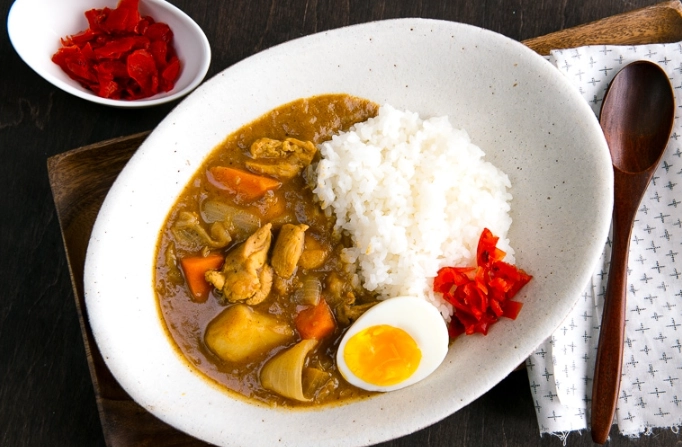
Try making your own teriyaki sauce from scratch and adjusting the sweet/salty balance to your taste. Experiment with adding different vegetables to your curry—sweet potatoes, mushrooms, bell peppers. Try grilling the chicken for teriyaki instead of pan-frying for a smokier flavor.
Explore the concept of "teishoku"—a set meal. Your easy Japanese chicken dish is the main star. Now add a small bowl of miso soup (instant packets are fine!), a side of quick-pickled cucumbers, and a bowl of rice. Suddenly, you have a beautiful, balanced Japanese-style meal at home.
The goal was never to become a master chef. The goal was to get a delicious, satisfying dinner on the table without stress. These Japanese chicken dishes easy to prepare are your ticket to that. They demystify a beautiful cuisine and make it part of your regular life.
So pick one. Maybe start with the Oyako Don tonight—it's the quickest. Get the ingredients on your way home. Don't overthink it. Just follow the simple steps. Taste that first bite of savory chicken and soft egg over fluffy rice.
Reader Comments