Quick Guide
- The Core of the Matter: It’s All About the Broth
- Head-to-Head: A Side-by-Side Comparison
- Beyond the Broth: Noodles, Toppings, and the Full Experience
- Where Did They Come From? A Slice of History
- So, Which One Should YOU Choose? A Decision Guide
- Common Questions (And Straight Answers)
- Final Slurp: It's About Your Personal Flavor Journey
Let's be real. You're staring at a menu, online or in a restaurant, and you see both shoyu ramen and tonkotsu ramen staring back at you. Maybe you've had one before but not the other. Maybe you've heard the names tossed around by foodie friends. Your stomach is rumbling, and you need to make a choice. But which one? The shoyu ramen vs tonkotsu ramen debate isn't just about two soups; it's about two completely different philosophies in a bowl. One is the elegant, clear, savory classic. The other is the rich, creamy, porky powerhouse. Picking the wrong one can lead to a meal that doesn't hit the spot.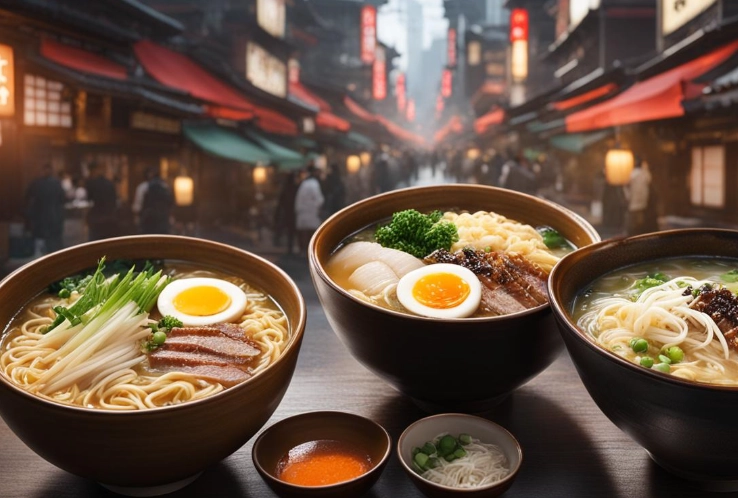
I remember my first confusing encounter. I was in a tiny shop in Tokyo, my Japanese was terrible, and I just pointed at a picture. I got a bowl of milky-white broth that was so intensely flavorful it felt like a warm hug for my soul. That was my introduction to tonkotsu. A year later, I tried a shoyu ramen at a different place. The broth was dark, clear, and complex—more like a refined whisper than a hearty shout. I loved them both, but for totally different reasons. That's the heart of the shoyu ramen vs tonkotsu question. It's not about which is better. It's about which is better for you, right now, based on your mood and cravings.
Think of it this way: choosing between shoyu and tonkotsu is like choosing between a perfectly seared steak with a red wine reduction (shoyu) and a slow-braised pork belly in its own rich jus (tonkotsu). Both are incredible, but they deliver their satisfaction in fundamentally different ways.
The Core of the Matter: It’s All About the Broth
If you take away one thing from this shoyu ramen vs tonkotsu guide, let it be this: the broth defines everything. The noodles, the toppings, the overall experience—they all play supporting roles to the star of the show, which is the liquid in that bowl. Understanding how these broths are made is the key to understanding their taste.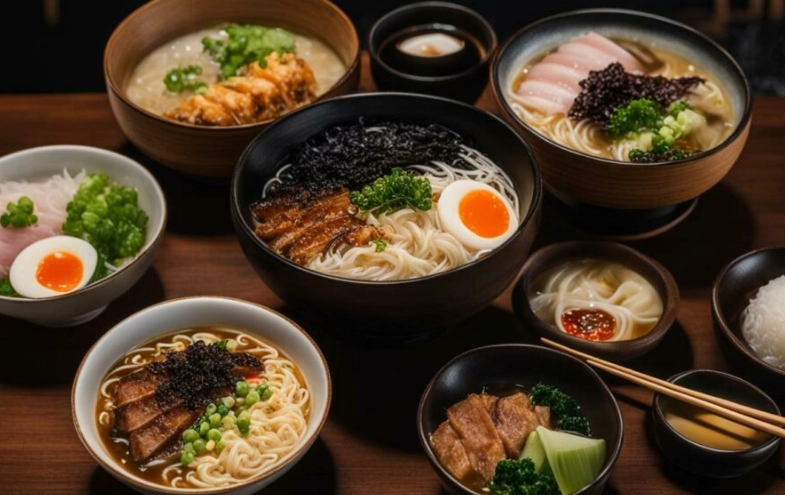
Shoyu Ramen Broth: The Clear, Savory Foundation
Shoyu means soy sauce in Japanese. That's your first clue. But shoyu ramen broth is not just chicken or pork stock with soy sauce poured in. That's a common mistake. The process is more nuanced. Traditionally, the base broth (called the *tare*) is made by simmering chicken bones, sometimes with a few pork bones or dried fish like niboshi and katsuobushi (bonito flakes), for several hours. The goal isn't to extract every last bit of collagen and fat to create opacity. The goal is to create a clear, refined, and deeply savory stock.
Then comes the *shoyu tare*—the seasoned soy sauce blend. This isn't your average Kikkoman. It's a custom mixture of different soy sauces (like koikuchi, usukuchi), often aged or blended with mirin, sake, and other aromatics. This tare is added to the clear broth at the end, giving the soup its characteristic amber-to-dark brown color and its signature salty, umami-forward, slightly tangy flavor profile. The result is a broth that's light on the palate but heavy on complexity. You can taste the layers—the clean poultry notes, the depth of the soy, the hint of the sea from the dried fish. It's brothy, not creamy.
Key Taste Note: Shoyu ramen broth is clean, salty, and umami-rich. It has a sharp, defined flavor that doesn't coat your mouth. It's refreshing in its own way, which is why it's often considered a great introductory ramen—it's less of a shock to the system than the heavy richness of tonkotsu.
Tonkotsu Ramen Broth: The Creamy, Porky Bomb
Now, let's talk about the heavyweight champion. Tonkotsu translates to "pork bones." And that's literally what it is. Pork bones (especially leg bones, trotters, and skulls) are boiled at a ferocious, rolling boil for 12 to 18 hours, sometimes even longer. This intense, continuous boiling emulsifies the fat, marrow, and collagen into the water. The bones literally break down, creating that iconic, opaque, milky-white or pale beige broth. It's not milk or cream added—it's pure pork essence.
The flavor is profoundly porky, rich, and creamy. It coats your lips and mouth. The mouthfeel is thick and velvety. While shoyu broth is about clarity and separate flavors, tonkotsu broth is about unity and overwhelming richness. The seasoning tare for tonkotsu is usually simpler, often a salty *shio* (salt) base or a lighter *shoyu* tare, because the broth itself is so powerful it doesn't need as much complexity added. The famous Hakata-style tonkotsu from Fukuoka is a prime example—creamy, straight-up pork flavor with thin, hard noodles.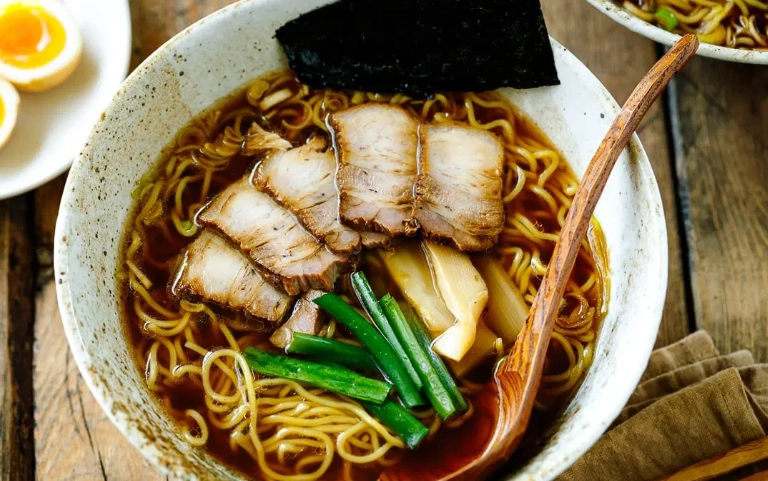
Some places, especially outside Japan, make a hybrid called *tonkotsu shoyu*, which is a tonkotsu broth seasoned with a shoyu tare. It's a popular middle ground, offering the creamy body of tonkotsu with the sharper, salty kick of shoyu. But for the pure shoyu ramen vs tonkotsu comparison, we're talking about the classics.
I have to admit, there are days when a full bowl of pure tonkotsu is just too much for me. Halfway through, the richness can feel like a weight. It's incredibly delicious, but it's a commitment. On those days, I lean towards shoyu.
Head-to-Head: A Side-by-Side Comparison
Alright, let's put this shoyu ramen vs tonkotsu breakdown into a clear table. This should help you visualize the differences at a glance.
| Aspect | Shoyu Ramen | Tonkotsu Ramen |
|---|---|---|
| Broth Base & Color | Clear chicken/pork/fish stock, darkened by soy sauce tare. Color ranges from light amber to dark brown. | Opaque, milky-white emulsion from long-boiled pork bones. |
| Primary Flavor | Salty, savory, umami (soy sauce), with clean poultry/fish notes. Lighter and more sharp. | Deep, rich, creamy, intensely porky. Heavy and round on the palate. |
| Mouthfeel | Thin, brothy, clean. Doesn't coat the mouth. | Thick, creamy, velvety, lip-coating. |
| Cooking Time | Moderate (4-8 hours for a clear broth). | Very long (12-18+ hours of rolling boil). |
| Typical Noodles | Medium thickness, wavy or straight. Slightly firm to complement the clear broth. | Very thin, straight, hard noodles (in Hakata style). Designed to be quick-cooking and a textural contrast to the thick broth. |
| Classic Toppings | Chashu (often leaner), menma (bamboo shoots), narutomaki (fish cake), spinach, green onions, nori. | Chashu (often fattier), black fungus (kikurage), beni shoga (red pickled ginger), green onions, sesame seeds. |
| Regional Heartland | Tokyo (and Eastern Japan broadly). Considered a classic, all-purpose style. | Fukuoka (Kyushu, Southern Japan). A regional specialty that went global. |
| Best for... | Lunch, warmer weather, when you want flavor without heaviness. A "refined" ramen experience. | Dinner, cold weather, when you crave ultimate comfort and richness. A "hearty" ramen experience. |
See? It's a world of difference. The shoyu ramen vs tonkotsu decision often comes down to texture as much as taste. Do you want to drink a broth or savor a cream?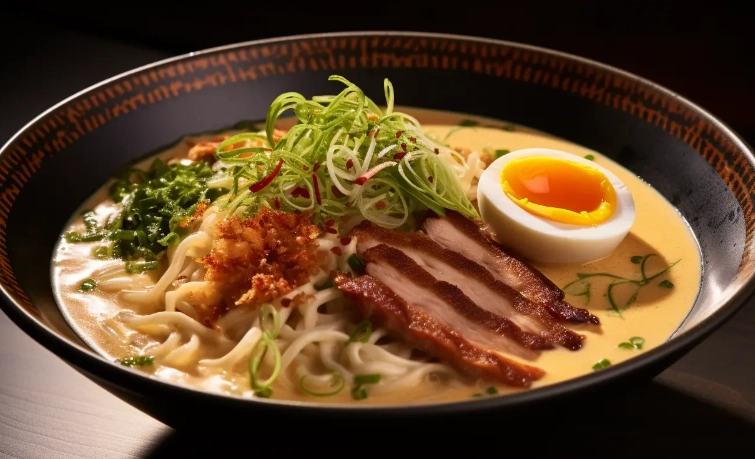
Beyond the Broth: Noodles, Toppings, and the Full Experience
The broth might be the star, but the supporting cast matters. The choice in the shoyu ramen vs tonkotsu debate influences everything else in the bowl.
The Noodle Factor
Noodles aren't an afterthought. They're engineered for their broth. Shoyu ramen typically uses medium-thick, wavy or straight noodles. The waviness helps grab the clearer, thinner broth. They're usually served with a bit of bite (*koshi*) to stand up to the savory liquid without getting soggy too quickly.
Tonkotsu noodles are a different beast.
Especially in the Hakata style, they are very thin, straight, and hard. Why? Because the broth is so thick and rich, you don't need a thick noodle for substance. The thin noodles cook in seconds (often to order, a system called *kaedama*), and their firm texture provides a wonderful contrast to the creamy soup. They're like little vehicles for delivering that rich pork flavor without adding starchiness that might clash. It's a brilliant pairing.
Toppings and Accoutrements
Toppings also follow the broth's lead. Shoyu ramen often features toppings that complement its clarity: a slice of leaner chashu (braised pork belly or loin), vibrant green spinach, a sheet of nori (seaweed) for a oceanic umami punch, and maybe a classic narutomaki fish cake with its pink swirl.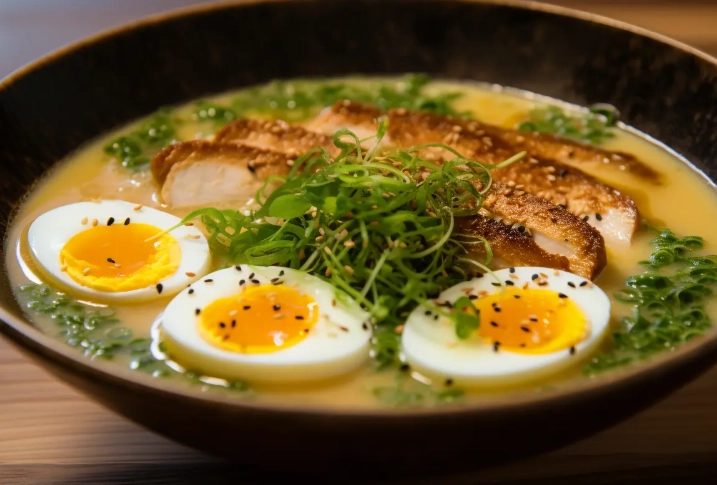
Tonkotsu ramen toppings are often about adding texture or cutting the richness. You'll almost always find beni shoga (red pickled ginger). Its sharp, vinegary bite is essential for cutting through the fat and cleansing your palate between slurps. Black fungus (kikurage) adds a crunchy contrast. The chashu here is often fattier, melding into the soup. Sesame seeds add a nutty aroma. It's a cohesive, rich ecosystem in a bowl.
Pro Tip: When eating tonkotsu, don't ignore the beni shoga (red ginger). Mix a little into each bite. It's not just a garnish; it's a functional part of the meal that keeps the richness from becoming overwhelming.
Where Did They Come From? A Slice of History
Understanding the origins adds another layer to the shoyu ramen vs tonkotsu story. They come from different places and times in Japan's culinary history.
Shoyu ramen is widely considered the older, more "original" style of modern ramen. Its roots are often traced back to early 20th century Tokyo (then called Edo). Chinese settlers introduced noodle soup dishes, which were adapted using Japanese ingredients like soy sauce. The clear broth seasoned with shoyu tare became a quick, savory meal for the working class. It spread across eastern Japan as a standard. The Japan National Tourism Organization notes ramen's evolution as a quintessential *yoshoku* (Western-influenced) food that became uniquely Japanese. You can read more about food culture on their site, like this page on Japanese cuisine.
Tonkotsu ramen is a regional superstar with a more specific origin story. It's the signature dish of Fukuoka on the island of Kyushu. The story goes that in the 1930s, a street stall owner accidentally left his pork bone soup boiling overnight. The next morning, he discovered the milky, concentrated broth and decided to serve it. It was a hit. The style remained a local favorite for decades before exploding in popularity across Japan and the world in the late 20th and early 21st centuries. Its richness made it a sensation. The Ramen Manufacturers Association of Japan has documented the proliferation of regional styles, with tonkotsu being one of the most distinct and popular exports.
So, in a way, the shoyu ramen vs tonkotsu dynamic is also a tale of the established classic versus the powerful regional newcomer that captured the global imagination.
So, Which One Should YOU Choose? A Decision Guide
Enough theory. Let's get practical. You're hungry. How do you decide in the great shoyu ramen vs tonkotsu debate? Ask yourself these questions.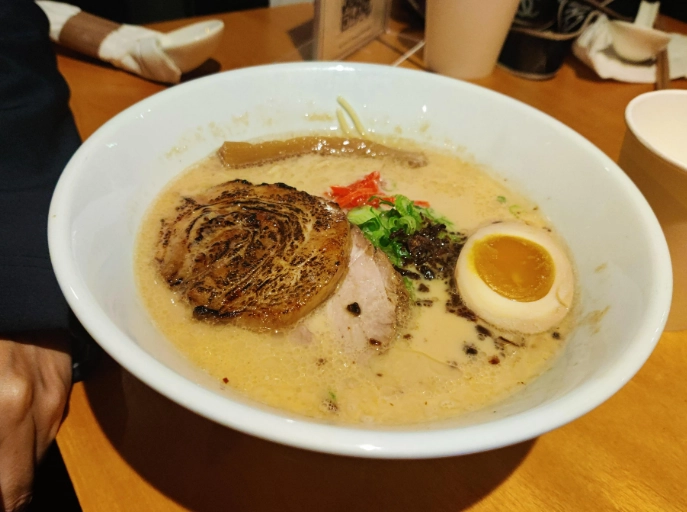
Choose SHOYU Ramen if...
- You prefer clear soups and broths over creamy ones.
- You want a savory, salty flavor that feels lighter and more refreshing.
- It's lunchtime or a warmer day.
- You're new to ramen and want a less intimidating entry point.
- You appreciate subtle, layered flavors where you can pick out individual components (chicken, soy, fish).
- You don't want to feel weighed down after eating.
Choose TONKOTSU Ramen if...
- You love rich, creamy, and indulgent foods (think clam chowder, alfredo sauce).
- You are a serious pork fanatic.
- It's dinner, a cold day, or you need serious comfort food.
- You enjoy a thick, velvety mouthfeel that coats your tongue.
- You're looking for a deeply satisfying, "meal-in-a-bowl" experience.
- You're not afraid of a little (or a lot of) richness.
What if you're still stuck? My personal rule of thumb: if the restaurant is known for one style specifically, get that. If it's a generalist shop, I look at my mood. Feeling delicate? Shoyu. Need a flavor hug? Tonkotsu. You really can't go wrong, but you can go more right.
Common Questions (And Straight Answers)
Absolutely not. This is a huge misconception. They start from completely different places. Shoyu is a clear broth *seasoned* with soy sauce. Tonkotsu is an emulsified pork bone broth that gets its creaminess from the bones themselves, not from dairy. The base ingredients, cooking method, and final product are distinct. A tonkotsu shoyu hybrid exists, but the pure forms are their own things.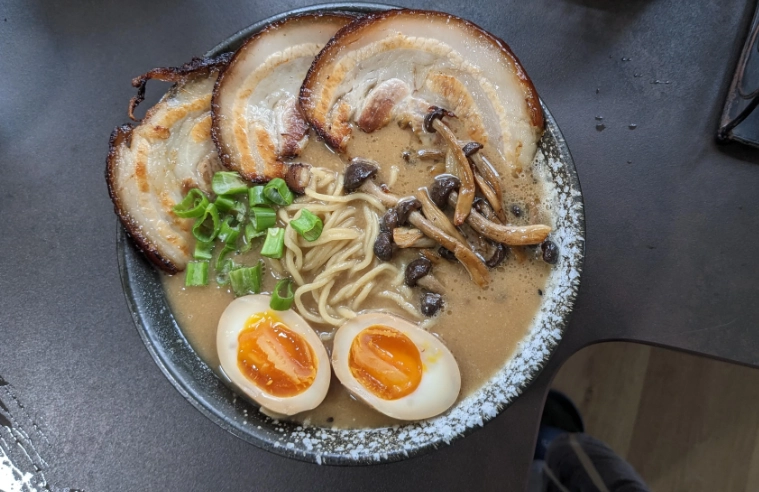
Both are 100% authentic Japanese ramen styles. Shoyu has older, more widespread roots as a foundational style. Tonkotsu is an authentic and beloved regional specialty from Fukuoka. Neither is more "Japanese" than the other.
Probably. Tonkotsu is the essence of pork. If you dislike pork flavor, it will likely be too strong for you. Shoyu, with its chicken/fish/pork blend seasoned with soy, is a much safer bet and often tastes less distinctly of pork.
Generally, shoyu ramen tends to be lower in calories and fat because the broth isn't emulsified with marrow and fat. However, it can be very high in sodium from the soy sauce tare. Tonkotsu is higher in fat, calories, and collagen from the bones. Calling either "healthy" is a stretch—they're indulgent meals. But if you're comparing, shoyu is usually the lighter option.
Yes, definitely. The global ramen scene has exploded. Major cities in the US, Europe, and Asia have excellent specialty shops. Look for places that make their broth in-house (it's usually advertised proudly). A good sign for tonkotsu is a description mentioning long boiling times (12+ hours). For shoyu, look for mentions of a double soup (chicken and pork) or use of dried fish.
Final Slurp: It's About Your Personal Flavor Journey
At the end of the day, the shoyu ramen vs tonkotsu discussion isn't about crowning a winner. It's about expanding your palate and knowing what you're getting into. They represent two magnificent pillars of the ramen world. Shoyu is the elegant, complex, refreshing classic. Tonkotsu is the bold, rich, comforting powerhouse.
The best advice I can give? Try them both. Maybe even side-by-side if you get the chance. Pay attention to how each one makes you feel during and after the meal. Do you crave the clean finish of the shoyu, or the satisfying fullness of the tonkotsu? Your preference might change with the season, the time of day, or your mood.
Ramen is personal. The beauty of the shoyu ramen vs tonkotsu choice is that it offers two perfect, yet perfectly different, answers to the question: "What does a great bowl of noodles taste like today?"
Now go forth and slurp with confidence. You're armed with the knowledge to choose your perfect bowl. Just remember to lift the noodles high, slurp loudly (it's polite and cools them down!), and enjoy every last drop of that incredible broth—whether it's clear and savory or creamy and porky.
Reader Comments