In This Guide
- What Exactly Is Doria? It's More Than Just Baked Rice
- The Foundation: Gathering Your Doria Ingredients (The Smart Way)
- The Step-by-Step Walkthrough: Building Your Doria
- Beyond the Classic: Doria Recipe Variations to Explore
- Fixing Common Doria Disasters (I've Had Them All)
- Answering Your Doria Questions
- The Final Scoop: Why This Doria Recipe Works
Let's be honest. The first time I saw a picture of Doria, I thought it was just a fancy Western gratin that got lost and ended up in a Japanese restaurant. A creamy, cheesy top, golden brown from the broiler, hiding a world of savory rice and meat underneath. It looked decadent, complicated, the kind of thing you order out because making it at home seems like a project. Then I actually tried to make a Doria recipe myself. Spoiler: my first attempt was a soupy, bland mess. The white sauce was too thin, the rice was mushy, and the cheese? It just sat there like a greasy blanket. Not great.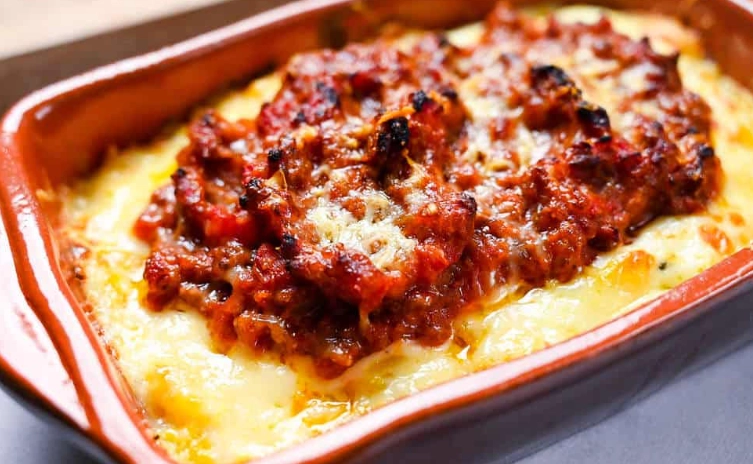
But that failure is exactly why I'm writing this. Because once you break it down, a Doria recipe isn't some culinary magic trick. It's a method. A fantastically comforting, deeply satisfying method for turning leftover rice and a few pantry staples into what might be the ultimate Japanese-style comfort food. It sits in this wonderful space between Italian risotto, French gratin, and Japanese yoshoku (Western-inspired food). So if you've ever craved that restaurant-style creamy baked rice at home, you're in the right place. We're going to walk through this together, step by step, with all the tips and tricks I wish I'd known from the start. No fancy chef skills required, just a bit of patience.
What Exactly Is Doria? It's More Than Just Baked Rice
Before we dive into cooking, let's clear up what we're actually making. Doria is a Japanese yoshoku dish. It's essentially a creamy, baked rice casserole. The classic version layers seasoned pilaf or plain steamed rice with a rich meat sauce (often chicken or beef), blankets it all in a luxurious béchamel (white sauce), and finishes it with a generous layer of cheese that's baked until bubbly and bronzed.
Its origins are a bit fuzzy, but it's widely believed to have been created in the early 20th century at the New Grand Hotel in Yokohama, possibly named after a French battleship or an Italian noble family. You can read more about the fascinating history of yoshoku and its cultural significance on the official site of the Japanese Ministry of Agriculture, Forestry and Fisheries. This context matters—it tells you Doria was born from adaptation and comfort, not rigid tradition. So feel free to make it your own.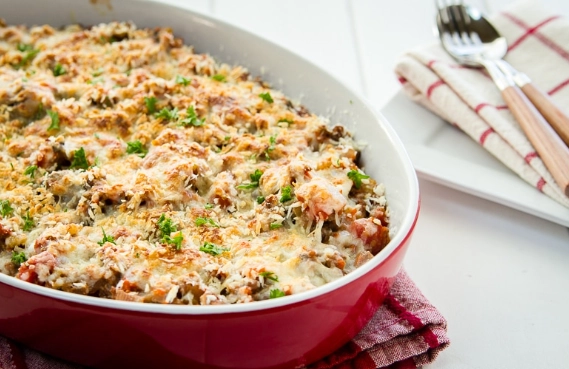
Now, people often mix it up with gratin or risotto. Here's the quick breakdown:
- Vs. Gratin: A gratin can be made with pasta, potatoes, or vegetables. Doria is specifically about the rice. The rice is the non-negotiable star.
- Vs. Risotto: Risotto's creaminess comes from starch released by the rice during slow cooking. Doria's creaminess is an external addition—the béchamel sauce. The rice grains in a good Doria recipe remain distinct, not mushy.
So why has this dish stuck around? It's the texture. The contrast of the crisp, cheesy top with the creamy sauce and the firm, savory rice underneath. It's a whole experience in one spoonful.
The Foundation: Gathering Your Doria Ingredients (The Smart Way)
You don't need a million exotic things. A solid Doria recipe is about quality, not quantity, in a few key areas. Let's talk ingredients.
The Rice: Getting This Wrong Ruins Everything
This is the hill I will die on. Use day-old, refrigerated Japanese short-grain rice (like Koshihikari or Calrose). Freshly cooked rice is too moist and sticky. It will turn into a gluey paste when baked. Chilling the rice overnight dries it out slightly and firms up the grains, allowing them to hold their structure against the sauces. If you're in a pinch, spread fresh-cooked rice on a tray and let it cool completely, even pop it in the freezer for 20 minutes. But overnight fridge rice is the true secret weapon.
The Béchamel: The Heart of the Creaminess
The white sauce can intimidate people. It shouldn't. It's just butter, flour, and milk. The goal is a thick, velvety sauce that coats the back of a spoon. Use whole milk for richness. Some recipes add a pinch of nutmeg or a bay leaf for depth—I'm a fan of a tiny grate of nutmeg. It makes a difference.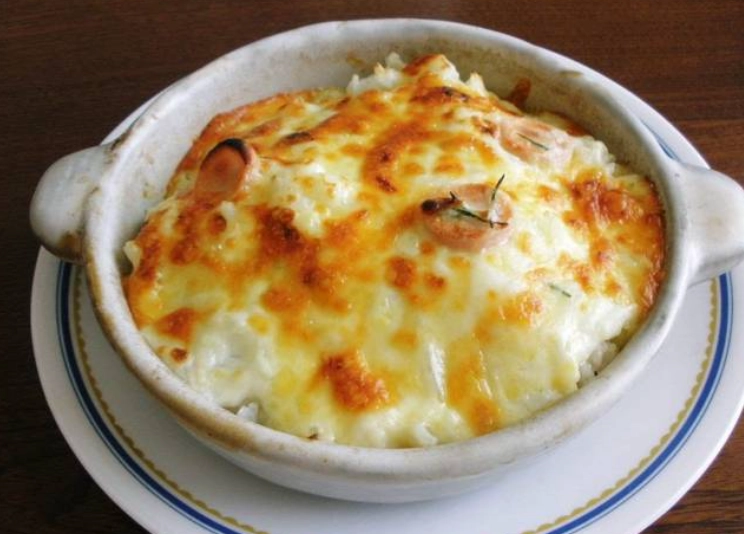
The Meat Sauce: Where the Flavor Lives
Classically, it's a simple tomato-based sauce with ground chicken or beef, onions, and mushrooms. But here's a personal opinion: I find a pure tomato sauce can be a bit too acidic against the béchamel. I lean towards a demi-glace based sauce, or even a hybrid. A tablespoon of tomato paste cooked with the onions, then deglazed with a splash of red wine and some broth, creates a much deeper, rounded flavor. But a simple tomato-meat sauce is absolutely authentic and delicious too. Use what you like.
The Cheese: The Golden Crown
Melting and browning are key. A blend works wonders. I use a mix for both flavor and function.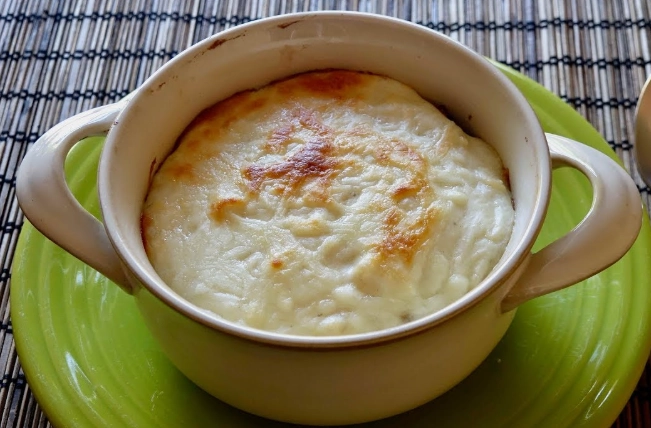
| Cheese Type | Role in Doria | Flavor & Melting Notes | My Personal Preference |
|---|---|---|---|
| Mozzarella (low-moisture) | Primary melter. Provides the iconic stretchy, gooey layer. | Mild, creamy, excellent melt and stretch. | Essential. About 70% of my blend. |
| Parmesan (freshly grated) | Flavor booster. Adds a salty, umami punch. | Salty, nutty, doesn't melt smoothly alone but enhances flavor. | Must-add. A big handful mixed in and some on top. |
| Gruyère or Emmental | Flavor & Browning. Adds complexity and helps with a beautiful golden crust. | Sweet, slightly nutty, browns beautifully. | Luxury upgrade. If I have it, I add it. |
| Cheddar (mild) | Flavor & Color. Adds a sharp note and helps with browning. | Tangy, melts well but can be oily if overused. |
Pre-grated cheese is coated in anti-caking agents like potato starch or cellulose. This can prevent it from melting as smoothly into a silky sauce. For the best texture in your Doria recipe, take the extra minute to grate it yourself. Trust me.
The Step-by-Step Walkthrough: Building Your Doria
Okay, ingredients are ready. Let's cook. This isn't a race. Take your time with each layer—that's where the flavor builds.
Step 1: The Meat Sauce Base
Start by sautéing finely chopped onions in a bit of oil or butter until they're soft and translucent. This sweetness is important. Add your ground meat (I prefer a mix of pork and beef for flavor) and break it up until it's browned. If you're using mushrooms (and you should, they add great umami), add them now. Stir in a tablespoon of tomato paste and let it cook for a minute. That caramelizes it. Splash in a bit of red wine or sake if you have it, let it evaporate, then add about a cup of chicken or beef broth. Let it simmer until it's thickened but still saucy. Season well with salt, pepper, and maybe a dash of soy sauce or Worcestershire for that extra yoshoku touch. Set aside.
Step 2: The Béchamel (White Sauce)
In a separate saucepan, melt butter over medium heat. Whisk in an equal amount of all-purpose flour. Cook this roux, whisking constantly, for about 2 minutes until it's bubbly and pale golden. Don't let it burn. Slowly, and I mean slowly, start whisking in warm milk. Adding it too fast is the other big mistake—it'll get lumpy. Whisk vigorously until smooth after each addition. Once all the milk is in, keep cooking and whisking until the sauce thickens enough to coat the back of a spoon. It should be able to hold a line if you run your finger through it. Season with salt, white pepper, and that tiny pinch of nutmeg. Remove from heat.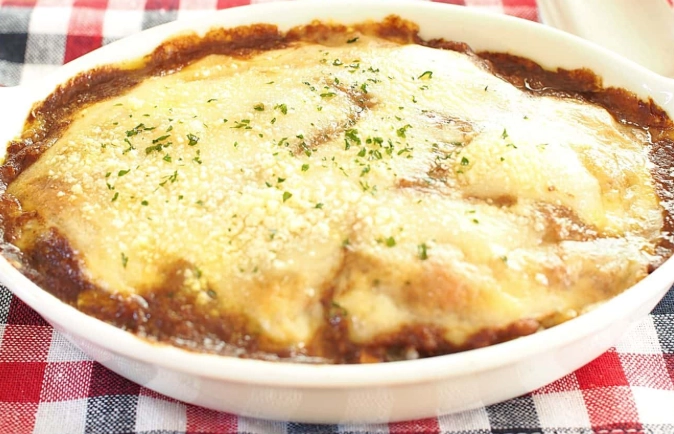
Step 3: Assembly & Baking – The Final Act
Preheat your oven to 200°C (390°F). Get an oven-safe dish. I like a ceramic or glass one.
- Rice Layer: Fluff your cold rice with a fork. Lightly grease your baking dish and press the rice into an even layer at the bottom. Some people mix a little butter into the rice here for extra flavor. Not a bad idea.
- Meat Sauce Layer: Spread your prepared meat sauce evenly over the rice.
- Béchamel Layer: Now, carefully pour and spread the white sauce over the meat. Try to seal the edges to prevent the meat sauce from bubbling up.
- Cheese Layer: Generously cover everything with your cheese blend. Be generous. This is not the time to diet.
Bake in the preheated oven for 15-20 minutes, until the cheese is melted and starting to bubble. Then, switch your oven to broil/grill mode. Watch it like a hawk. This is where the magic happens. It can go from perfect golden brown to burnt in 60 seconds. You want a beautifully spotted, deep golden crust.
Beyond the Classic: Doria Recipe Variations to Explore
The basic template is incredibly flexible. Once you've mastered the classic Doria recipe, the world is your oyster (and maybe an ingredient).
- Seafood Doria: Replace the ground meat with a mix of shrimp, scallops, and squid. A dash of white wine in the sauce complements it perfectly. This is a restaurant favorite for a reason.
- Curry Doria: This is a game-changer. Use Japanese curry (from a roux block is fine) as your sauce layer instead of the meat sauce. The combination of curry and béchamel is unexpectedly heavenly. For an authentic take on Japanese curry, resources from sites like Japan Centre can be helpful.
- Vegetable & White Sauce Doria: A great vegetarian option. Sauté a mix of broccoli, cauliflower, spinach, and mushrooms. Use them as your middle layer. You can even stir some sautéed veggies into the béchamel itself.
- Kimchi Doria: Add chopped kimchi to your meat sauce, or mix it with the rice. It adds a fantastic spicy, tangy kick that cuts through the richness.
Honestly, I made a "leftover roast chicken and gravy Doria" once, and it was spectacular. The template is forgiving.
Fixing Common Doria Disasters (I've Had Them All)
Things don't always go right. Here's how to troubleshoot.
Problem: The sauce is too thin/runny.
Cause: Béchamel wasn't thick enough before baking, or the rice was too wet.
Fix for next time: Cook your béchamel longer. It should be quite thick at room temperature. Always use cold, dry rice. For a quick fix now? Bake it longer to evaporate moisture, though the texture might suffer.
Problem: The top isn't browning.
Cause: Oven not hot enough, wrong cheese, or no broiler step.
Fix: Ensure your oven is fully preheated. Use a cheese blend that browns well (hello, Parmesan and Gruyère). You must use the broiler/grill. The bake cycle just melts; the broiler crisps and colors.
Problem: It's bland.
Cause: Underseasoning each layer.
Fix: Season each component—the meat sauce, the béchamel, even a little salt on the rice layer. Taste as you go. Umami boosters are your friend: a dash of soy sauce, Worcestershire, or a bit of dashi powder in the meat sauce.
Answering Your Doria Questions
Let's tackle some things you might be wondering.
The Final Scoop: Why This Doria Recipe Works
Look, at its core, a great Doria recipe is about comfort and contrast. It's a project that rewards a little care but doesn't demand chef-level skill. The key takeaways? Cold rice, a properly cooked roux, seasoning every layer, and the courage to use the broiler. Don't be afraid of the variations. The classic is wonderful, but your kitchen, your rules.
My journey from that sad, soupy first attempt to now, where I can whip up a Doria recipe that makes people ask for seconds, was just about understanding those few principles. It's become my go-to for using up leftovers, for impressing a casual dinner guest, or just for treating myself on a rainy day. That crispy, cheesy top cracking under your spoon to reveal the creamy, savory layers below… it’s worth every minute. Give it a try. And if your first one isn't perfect? Well, you'll know exactly what to fix next time.
Reader Comments