What’s Inside
Let's be real. Finding a good gluten free buckwheat noodles recipe that actually works can feel like a quest. Store-bought versions are either too expensive or have a weird aftertaste. And let's not talk about the ones that turn into glue the second they hit boiling water. I've been there, staring at a pot of murky water and a sad, disintegrated mess that was supposed to be dinner.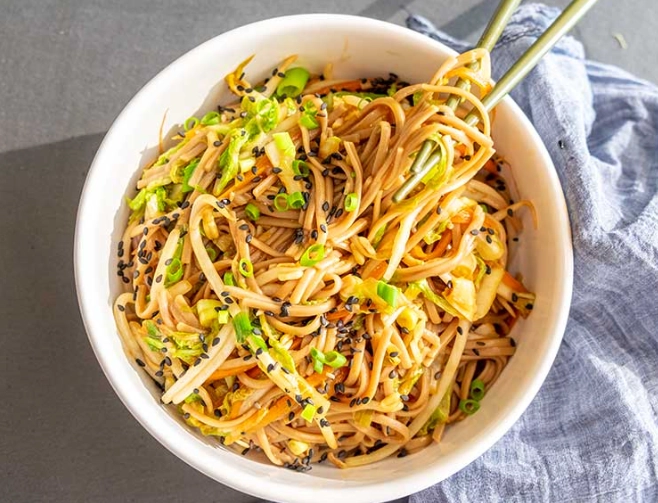
It took me more failed attempts than I care to admit – dough that crumbled like sand, noodles that snapped instead of stretched, more frustration than a dropped pot of spaghetti – to finally crack the code. But once you get it right, there's nothing like the satisfaction of slurping up a bowl of noodles you made from scratch. The nutty, earthy flavor of pure buckwheat is something else entirely. This isn't just a recipe; it's the culmination of all my mistakes so you don't have to make them.
So, if you're ready to roll up your sleeves (literally, you'll get flour everywhere), this guide will walk you through every single step, pitfall, and pro-tip for creating perfect gluten free buckwheat noodles at home.
Why Buckwheat? It's Not What You Think
First off, let's clear the air. Buckwheat is gluten free. Despite the "wheat" in its name, it's not a grain at all; it's a seed related to rhubarb and sorrel. The folks at the Celiac Disease Foundation confirm it's a safe and excellent staple for a gluten-free diet. For anyone with celiac disease or gluten sensitivity, it's a game-changer.
But why choose it for noodles? Flavor and nutrition. Buckwheat has a robust, almost hearty taste that stands up to sauces. Nutritionally, it's a powerhouse. According to data from the USDA FoodData Central, buckwheat is a good source of fiber, plant-based protein, and minerals like magnesium and manganese. It's a whole food in its truest sense.
Making your own gluten free buckwheat noodles recipe puts you in control. No weird gums, preservatives, or fillers. Just buckwheat, water, and maybe a touch of another flour for structure.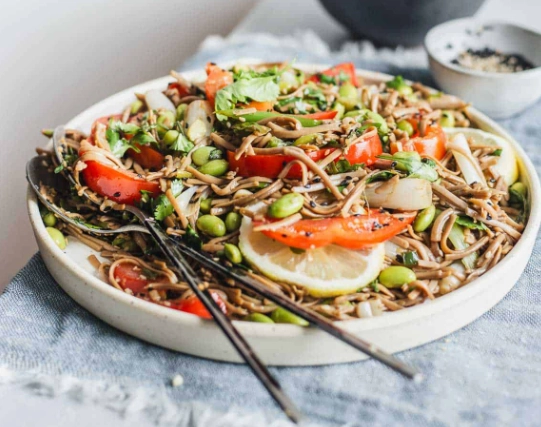
What You Actually Need: The Ingredient Deep Dive
This isn't a complicated list. The magic is in the specifics.
The Star: Buckwheat Flour
Not all buckwheat flour is created equal. You'll typically find two types: light (white) and whole-grain (dark). For a gluten free buckwheat noodles recipe, I strongly recommend using whole-grain buckwheat flour. It has more flavor and nutrients. The light stuff feels a bit bland to me. Just make sure the package says "100% buckwheat flour" and is certified gluten-free if cross-contamination is a concern.
Here's a personal gripe: some brands grind it too coarsely. If your flour feels gritty between your fingers, it might make your noodles a bit rough. Bob's Red Mill or an organic brand from a health food store usually has a good, fine texture.
The Binder: Tapioca Starch or Potato Starch
This is the secret weapon. Pure buckwheat lacks gluten, the protein that gives wheat dough its elasticity and strength. Without it, the dough is fragile. Adding a starchy binder like tapioca or potato starch (about 20-25% of the total flour weight) introduces stretch and helps the noodles hold together during rolling and cooking. Tapioca gives a slightly chewier, bouncier texture, which I prefer. Potato starch works perfectly fine too.
The Liquid: Just Water (But Temperature Matters)
Hot water. Not boiling, but hot from the tap, around 140-160°F (60-70°C). Hot water helps gelatinize the starches in the buckwheat and tapioca, making the dough more pliable and cohesive from the start. Cold water results in a crumbly, frustrating mess that's hard to knead. This one tip alone saved my sanity.
Optional: A Pinch of Salt for Flavor
Just a pinch, mixed into the dry ingredients. It enhances the natural flavor of the buckwheat.
That's it. Four simple ingredients. See the table below for the exact ratios I've found to be the most reliable.
| Ingredient | Weight (for accuracy) | Volume (approx.) | Why It's Here |
|---|---|---|---|
| Whole-grain Buckwheat Flour | 160g | 1 1/3 cups | Base flour, provides flavor, color, and nutrients. |
| Tapioca Starch (or Potato Starch) | 40g | 1/3 cup | Critical binder, adds elasticity and prevents breakage. |
| Fine Sea Salt | 3g | 1/2 tsp | Enhances the nutty flavor of the buckwheat. |
| Hot Water (140-160°F/60-70°C) | 100-110g | ~1/2 cup | Binds the dough. Start with less, add as needed. |
The Step-by-Step: Your Blueprint for Success
Okay, ingredients are assembled. Let's make some noodles. Clear a big workspace. You'll need a large bowl, a bench scraper (incredibly useful), a rolling pin, a sharp knife or pasta cutter, and some parchment paper.
Step 1: Mixing the Dough – The Foundation
In your large bowl, whisk together the buckwheat flour, tapioca starch, and salt. Make sure they're fully combined. Now, create a well in the center. Pour in about 100g (a scant 1/2 cup) of the hot water.
Using a fork or your fingers, start bringing the mixture together from the inside out. It will look shaggy and dry at first. Don't panic. The buckwheat flour is thirsty. If after a minute of mixing there are still lots of dry bits, add more water, a teaspoon at a time. You want a dough that comes together into a ball but isn't sticky. It should feel firm, like Play-Doh.
Step 2: Kneading – It's Not Like Bread Dough
Turn the dough out onto a clean surface lightly dusted with buckwheat flour. Here's the key: you only need to knead for about 2-3 minutes. You're not developing gluten, you're just ensuring everything is evenly hydrated and smooth.
If the dough cracks easily, it's too dry – sprinkle on a few drops of water and knead it in. If it sticks to your hands, it's too wet – dust with a tiny bit more buckwheat flour. Aim for a smooth, cohesive ball that holds its shape.
Wrap it in plastic wrap and let it rest for 30 minutes.
This rest period is non-negotiable. It allows the flour to fully absorb the water and the starches to relax, making the dough much easier to roll out without springing back.
Step 3: Rolling & Cutting – Patience is a Virtue
After resting, divide the dough into two or three manageable pieces. Keep the pieces you're not working with wrapped up. Lightly dust your surface and rolling pin with tapioca starch (it's less likely to absorb into the dough than more buckwheat flour).
Roll the first piece out into a thin rectangle. How thin? Aim for about 1/16th of an inch (1.5mm) – you should almost be able to see the counter pattern through it. This thinness is crucial for the right texture. It takes some elbow grease.
Once you have your sheet, generously dust the top with tapioca starch. Gently fold it over itself like a letter, creating a loose roll. Using a very sharp knife, cut across the roll into your desired noodle width – about 1/4 inch for a soba-like noodle. Unfurl the cut noodles, give them a gentle toss in a little extra starch to prevent sticking, and lay them out on a parchment-lined tray.
Step 4: Cooking – The Moment of Truth
Bring a large pot of water to a rolling boil. Add the fresh noodles all at once and give them a gentle stir to prevent clumping. Fresh gluten free buckwheat noodles cook fast.
They'll float to the top within 1-2 minutes. Let them cook for another 30-60 seconds once they float. Start tasting for doneness at the 2-minute mark total. You want them tender but still with a slight bite (al dente).
Do not walk away from the pot.
Overcooking is the fastest way to get mushy noodles. As soon as they're done, drain them immediately and rinse under cold running water. This stops the cooking process and washes off excess surface starch, preventing them from gumming together. If serving in a hot broth, you can just give them a quick dip in the hot broth to rewarm.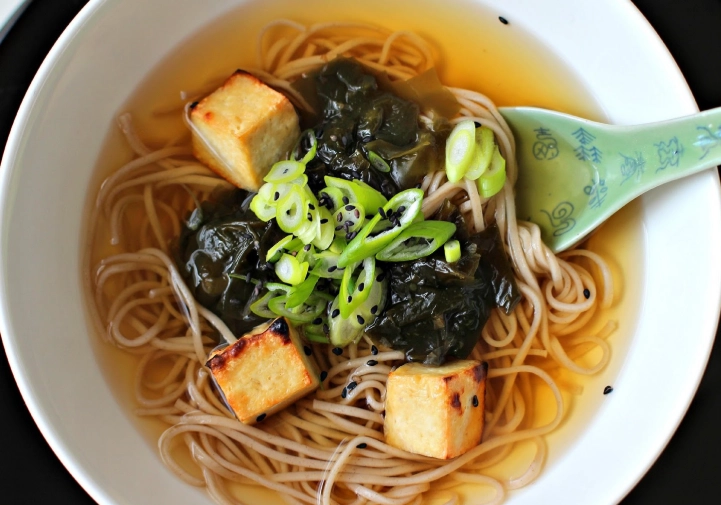
Your Gluten Free Buckwheat Noodles Recipe FAQs (All the Stuff You're Wondering)
I get a lot of questions whenever I share this recipe. Here are the big ones.
Beyond the Basic Recipe: Ideas & Troubleshooting
Once you've mastered the basic gluten free buckwheat noodles recipe, you can play around.
Flavor Twists: Add a teaspoon of matcha powder to the dry mix for green tea noodles. Or add a bit of pureed beetroot (adjust water accordingly) for a stunning pink color.
Serving Ideas: These noodles are incredibly versatile.
- Classic Soba Style: Serve chilled with a tsuyu dipping sauce (a mix of gluten-free soy sauce, mirin, and dashi), topped with sliced green onions and nori.
- In Broth: Add to a simple miso or chicken broth with veggies and a soft-boiled egg.
- Stir-Fry: Their sturdy texture holds up beautifully in a quick veggie stir-fry with a garlic-ginger sauce.
- Pesto or Nut Sauce: The nutty flavor pairs amazingly with a basil pesto or a creamy cashew sauce.
When Things Go Wrong (A Quick Guide):
- Noodles are too soft/mushy: You overcooked them. Fresh noodles need mere minutes. Set a timer next time.
- Noodles are too hard/chewy: The dough was rolled too thick, or they were undercooked. Roll thinner and taste-test during cooking.
- Dough is impossibly sticky: Too much water. Next time, add water more cautiously. For now, knead in more buckwheat flour a tablespoon at a time until manageable.
- Noodles stick together in the pot: The pot wasn't big enough or boiling vigorously enough, or you didn't give them an initial stir. Use a large pot of well-salted, rapidly boiling water.
Making your own noodles is a process. It’s tactile, a little messy, and deeply satisfying. This gluten free buckwheat noodles recipe won't give you instant, perfect results on the first try – few things worth doing do. But follow these steps, pay attention to the dough's feel, and you'll end up with something far superior to anything from a box.
The taste of success, in this case, is deliciously nutty and slurpable.
Reader Comments