Ask someone about Japanese drinks, and they'll probably say "sake." Maybe "green tea." That's like describing American cuisine as just hamburgers. The reality is so much richer, nuanced, and frankly, more interesting. Having spent years exploring izakayas, tea houses, and distilleries from Hokkaido to Kyushu, I've seen travelers make the same mistakes—ordering the wrong sake temperature, missing out on incredible non-alcoholic options, or paying a fortune for whisky when a brilliant alternative sits right next to it on the shelf.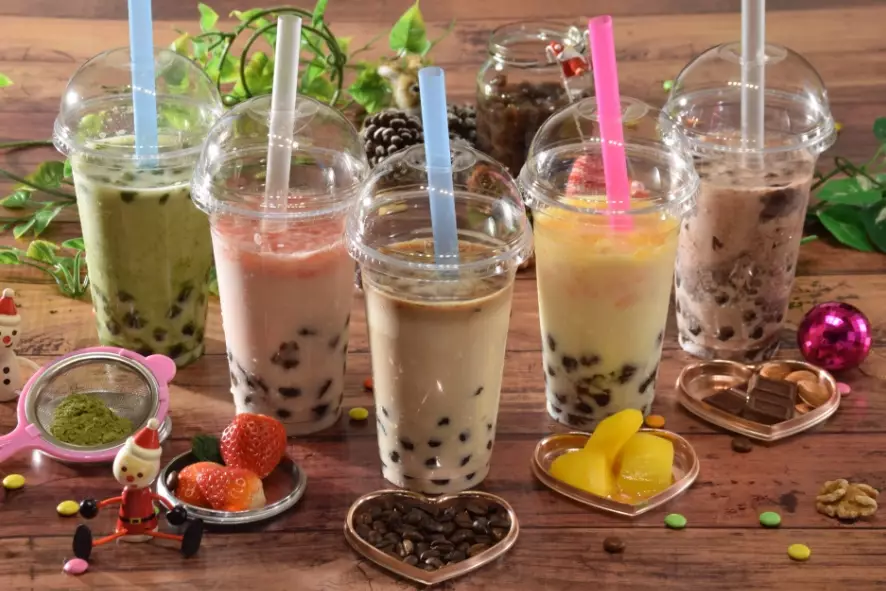
This guide isn't a list of drinks. It's a roadmap to understanding and enjoying Japan's beverage culture like you live there. We'll move past the basics into the details that matter: what to order, how to order it, and the subtle rules no one tells you about.
What's Inside?
Sake Decoded: It's Not All Hot & Strong
Let's clear this up first. Sake is brewed, not distilled. It's closer to beer in process, but drinks like a wine. The biggest rookie error is assuming premium sake should be warm. Heat amplifies umami and alcohol, but it murders delicate aromatics.
The key to choosing is the Seimai Buai (精米歩合), or rice polishing ratio. This number tells you how much of the outer grain has been milled away. Lower percentage = more polished, potentially more refined.
| Type | Polishing Ratio | Flavor Profile | Best Served | Try This (Brand/Example) |
|---|---|---|---|---|
| Daiginjo | 50% or less | Extremely fragrant, light, fruity (melon, apple, pear). The pinnacle of refinement. | Chilled (8-12°C) | Dassai 45, Juyondai |
| Ginjo | 60% or less | Floral, fruity, clean. Elegant and aromatic. | Chilled (10-15°C) | Hakkaisan Ginjo, Kubota Manju |
| Junmai | No minimum (often 70%) | Full-bodied, rich, savory umami, rice-forward. Can be robust. | Chilled to Room Temp (some can be lightly warmed) | Born Junmai, Tedorigawa |
| Honjozo | 70% or less | Lighter, drier, clean finish due to a small addition of brewer's alcohol. | Room Temp to Gently Warmed (40-45°C) | Ozeki Karatamba, Gekkeikan Traditional |
Where to drink it? Skip the tourist traps in Golden Gai and head to a proper Sakaya (sake shop) or Sake Bar. In Tokyo, Nihonshu Stand Moto in Akasaka lets you sample dozens by the glass with English guidance. In Kyoto, Sakabar Yoramu is run by a passionate Israeli expert who gives mini-lectures with each serving. Expect to pay ¥600-¥1500 per glass for premium stuff.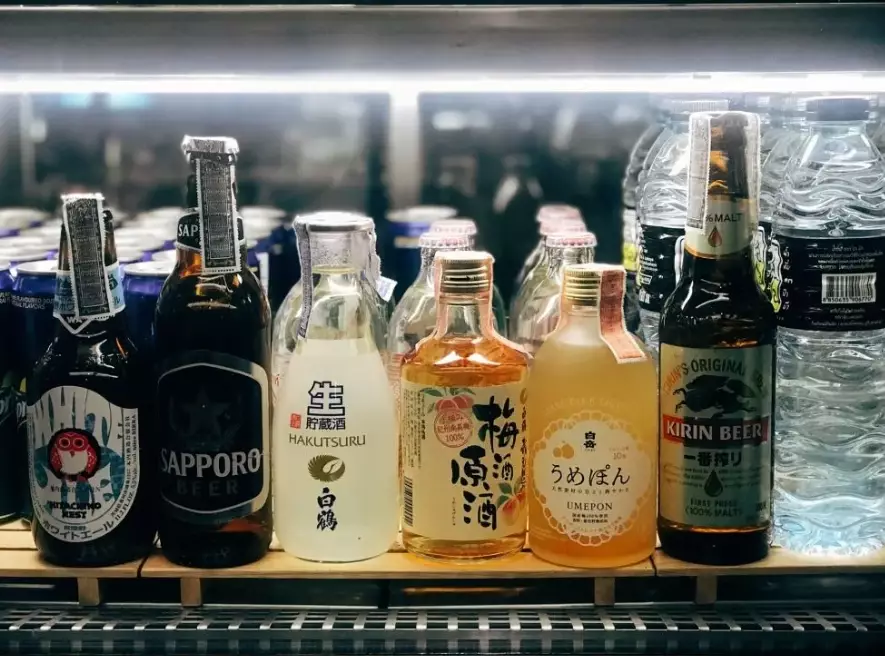
Pro Tip: When in doubt at an izakaya, ask for "osusume no futsuu-sake" (おすすめの普通酒) — the recommended house sake. It's usually a reliable, affordable Junmai or Honjozo served in a cute glass flask (tokkuri). They'll likely ask if you want it "atsukan" (hot) or "reishu" (cold). For house sake, "atsukan" is often the safe, comforting bet.
From Ritual to Everyday: The Japanese Tea Spectrum
Tea here isn't just a drink; it's a context. The powdered Matcha you get in a solemn ceremony is a world away from the bancha you're given for free at a sushi joint.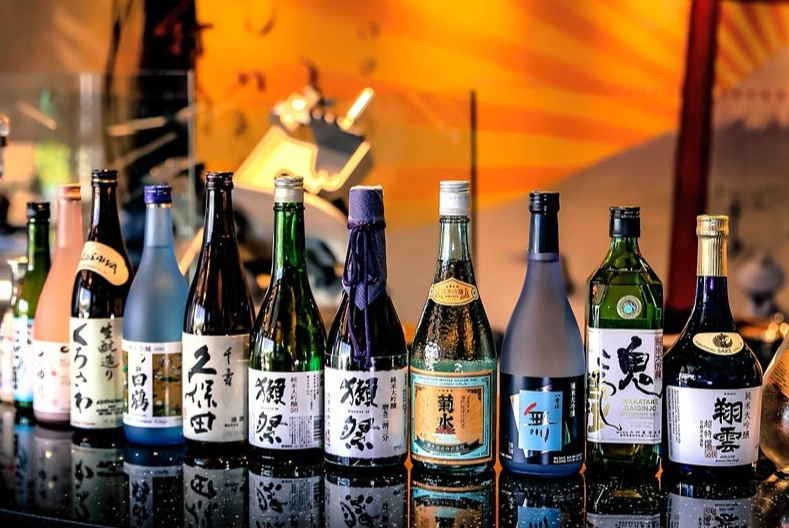
Matcha: The Ceremonial Grade vs. The Latte Grade
Ceremonial matcha is vibrant jade green, smells like fresh-cut grass and sweet peas, and has a profound, lingering umami sweetness with minimal bitterness. The stuff used for lattes and sweets is culinary grade—often duller, more bitter, and cheaper. To try the real deal, book a short tea ceremony experience in Kyoto (like at Camellia Garden near Kodai-ji) or visit a specialist shop like Ippodo Tea in Kyoto or Tokyo, where you can drink a bowl for around ¥800.
Sencha, Gyokuro, Hojicha: The Steeped Staples
Sencha is the everyday green tea, grassy and astringent. Gyokuro is its luxury cousin, shade-grown for weeks before harvest, resulting in a deep, brothy, almost savory flavor. It's expensive but unforgettable. Hojicha is roasted green tea or bancha. It's brown, has a nutty, toasty aroma, and is naturally low in caffeine. It's the perfect evening tea. You'll find excellent packaged versions at department store basements (depachika).
My personal hack? In summer, look for Mugicha (roasted barley tea). It's served cold from pitchers in homes and restaurants, caffeine-free, and incredibly refreshing. It's the unsung hero of Japanese summers.
The Spirit Revolution: Whisky, Shochu & Where to Spend Your Yen
The Japanese whisky boom priced bottles like Yamazaki 18 or Hibiki 21 into the stratosphere. Hunting for those in a bar now can cost more than your dinner.
Here's the alternative view: explore the new generation. Distilleries like Nagahama in Shiga or Akkeshi in Hokkaido are producing fantastic "Japanese-style" whisky that's more accessible. Or, pivot completely to Shochu.
Shochu is a distilled spirit, typically around 25% alcohol, made from a single base ingredient. This defines its character:
- Mugi (Barley): Clean, often floral or cereal-like. The closest analogue to a light whisky. Try Iichiko Saiten.
- Imo (Sweet Potato): Robust, earthy, sometimes with notes of chestnut or caramel. The king of Kagoshima. Kurokirishima is a classic.
- Kome (Rice): Soft, mild, and slightly sweet. Very approachable.
Drink shochu on the rocks (rokku), mixed with warm water (oyuwari), or with soda water and a twist (chuhai base). A great shochu bar in Tokyo is Ningyocho Bar BenFiddich—the owner is a mad scientist of spirits.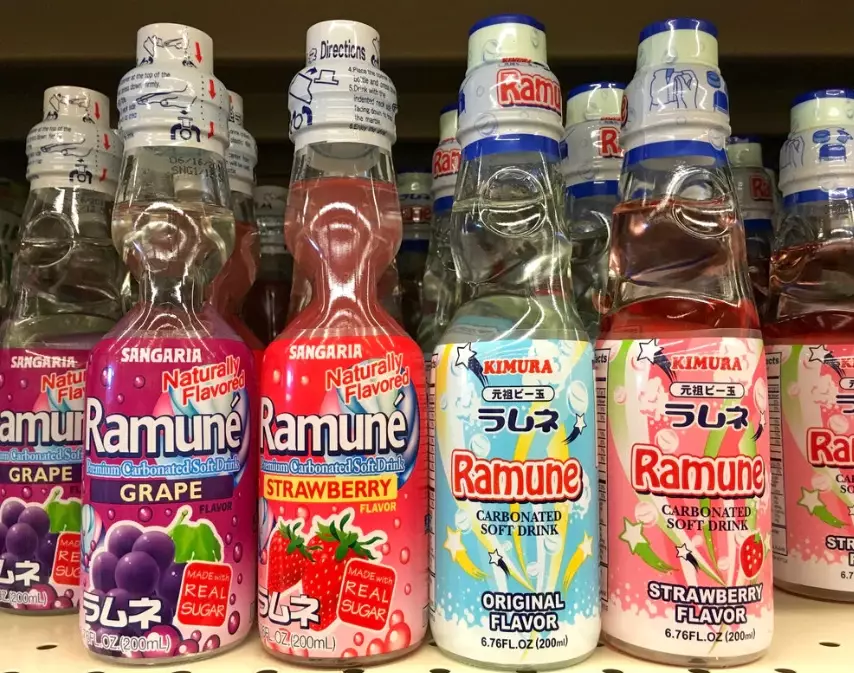
The Hidden Gems: What Locals Actually Drink
Walk into any convenience store (konbini) and you'll see the real drinking culture.
- Hoppy: A near-beer, low-alcohol drink meant to be mixed with a shot of shochu. It's cheap, bubbly, and the foundation of many a salaryman's evening.
- Various RTD Cans (Chuhai): Lemon, grapefruit, peach, white soda—these canned cocktails (typically shochu-based) are everywhere. Strong Zero by Suntory is infamous for its high ABV and low price.
- Calpis / Calpico: That milky, tangy, yogurt-like soft drink. Served diluted with water or soda. An acquired taste, but utterly beloved.
- Regional Sodas: Melon Cream Soda in Hokkaido, Giant Kanto Ramune in Tokyo, the bizarrely flavored local sodas sold at train stations. These are fun, non-alcoholic souvenirs.
The Izakaya Ordering Masterclass
You sit down. They hand you a towel and a menu. Here’s the sequence.
First drink order: This often comes with a small snack (otoshi) for a cover charge (¥300-¥500). To blend in, start with a draft beer (nama biru). "Kirin Nama, onegaishimasu." It's a neutral opener. If not beer, a shochu highball (say, "Mugi shochu no soda-wari") or a umeshu soda (plum wine with soda) are great choices.
Second round: Now you explore. "Kore wa dou desu ka?" (How is this?) pointing at a local sake on the menu. Or switch to happoshu (a lower-malt beer, like Asahi Super Dry) if you're pacing yourself.
The unwritten rule: It's common to order the same type of drink for the whole table in rounds, especially in casual group settings. Someone will say "Let's all get beer!" and you just go with it.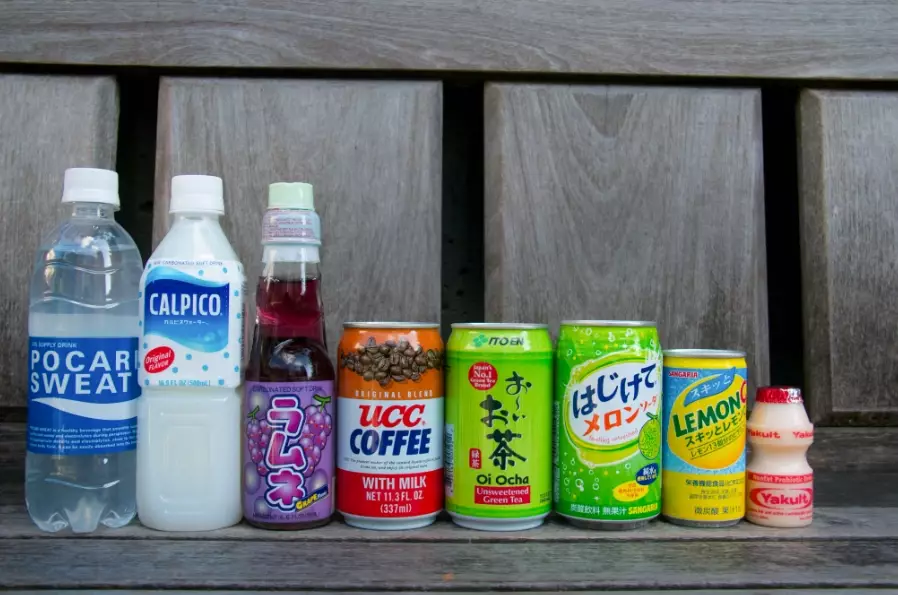
Your Burning Questions Answered
What is the proper way to drink sake? Is it always served warm?
This is a classic misconception. Serving all sake warm is a mistake that can ruin delicate flavors. High-quality Ginjo and Daiginjo sake, prized for their fragrant, fruity, and floral notes, are best served chilled (8-15°C) to preserve their aroma. Fuller-bodied, richer sake like some Junmai or aged Koshu can be gently warmed (around 40-45°C) to enhance their umami. The rule of thumb: if the sake label mentions fruity or floral descriptors, chill it. If it mentions nutty, earthy, or savory notes, warming it can be an option. Always ask the server for their recommendation.
Does matcha have caffeine, and how does it compare to coffee?
Yes, matcha contains caffeine—about half the amount of a cup of coffee per serving. However, the experience is dramatically different. Matcha contains L-theanine, an amino acid that promotes calm alertness. The caffeine and L-theanine work together, providing sustained energy without the jitters or crash associated with coffee. You feel focused yet relaxed. This is why it's integral to Zen meditation. The powdered form also means you're consuming the entire tea leaf, leading to a higher concentration of antioxidants compared to steeped green tea.
 I don't drink alcohol. What are my best options for authentic non-alcoholic drinks in Japan?
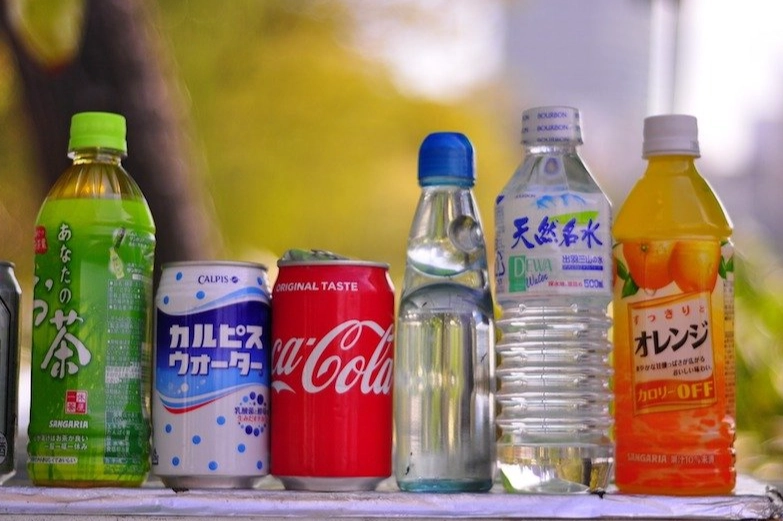
You're in luck. Beyond the ubiquitous green tea, seek out Mugicha (roasted barley tea). It's caffeine-free, served cold everywhere in summer, and has a nutty, refreshing taste. At an izakaya, confidently ask for "jockey" (ジョッキ) which is code for a mug of cold mugicha. Also, try Amazake, a sweet, fermented rice drink often sold at shrines during winter festivals. It's naturally sweet, creamy, and contains beneficial enzymes. For a unique experience, look for regional specialty sodas like Hokkaido's Melon Cream Soda or the various flavors of Ramune.
Why is Japanese whisky so expensive now, and are there affordable alternatives?
The price surge is due to a perfect storm of global awards (like Yamazaki winning World's Best Whisky), skyrocketing demand, and limited aged stock—Japanese distilleries didn't anticipate this boom 20 years ago. For a more accessible entry point, look for new-age "Japanese-style" whiskies from distilleries like Akkeshi or Nagahama. Better yet, explore Japan's fantastic shochu. A high-quality barley shochu (Mugi-jochu) from Kagoshima, served on the rocks, can offer a complex, clean, and sippable experience reminiscent of a gentle single malt, often at a fraction of the price of premium whisky.
Reader Comments