Let's be honest. When you think of sushi rolls, your mind probably jumps to the elaborate, sauce-drenched creations with ten ingredients. But the real test of a sushi bar's skill often lies in the simplest item on the menu: tekka maki. It's just tuna and rice wrapped in seaweed. Sounds easy, right? That's the trap. Making a truly great tekka maki is where you separate the masters from the amateurs. I've spent years eating my way through sushi counters from Tokyo's Tsukiji to back-alley spots in New York, and the difference in a simple tuna roll can be staggering. This guide isn't just about what tekka maki is. It's about why this humble roll is a sushi cornerstone, where to find unforgettable versions, and how to avoid the common pitfalls if you try making it yourself.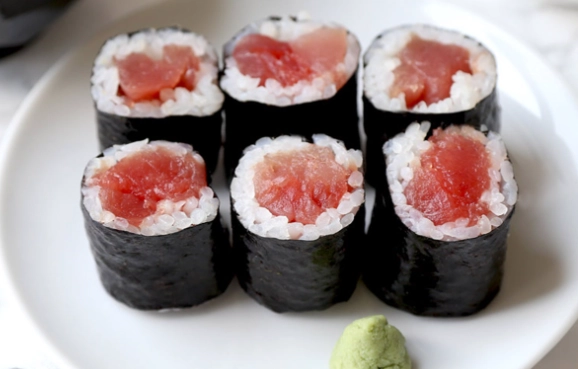
What's Inside This Tekka Maki Guide?
What is Tekka Maki Sushi? (Beyond the Basics)
The name gives it away. "Tekka" (鉄火) literally means "red-hot iron," which is a poetic way to describe the deep red color of fresh tuna. "Maki" means roll. So, it's a red-hot iron roll. But there's more history here. Some say the name comes from the old gambling dens (also called "tekka") where this quick, easy-to-eat roll was a popular snack. You could eat it with one hand while keeping the other on your cards.
At its core, tekka maki is the definition of minimalist sushi: a strip of akami (the lean, red meat from tuna), sushi rice, and nori (seaweed). No cucumber, no avocado, no fancy sauces. This purity is its strength and its challenge. Every element is exposed. The rice must be perfectly seasoned and at body temperature. The tuna must be pristine, with a clean cut against the grain. The nori should be crisp, not chewy. When done right, it's a perfect bite of the ocean.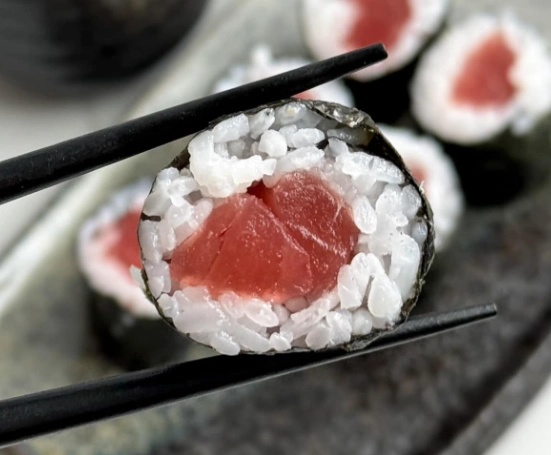
Here's a look at how tekka maki stacks up at different types of spots:
| Venue Type | Typical Price (per roll) | What to Expect | The Tuna Used |
|---|---|---|---|
| High-End Sushi-ya (Tokyo/NYC) | $8 - $15 | Hand-pressed rice, expertly sliced akami, nori toasted to order. Served immediately. | Premium bluefin or bigeye tuna, often aged for flavor. |
| Mid-Range Sushi Restaurant | $5 - $8 | Solid execution, good quality tuna. Nori might be pre-toasted. | Fresh yellowfin (ahi) or bigeye tuna. |
| Conveyor Belt/Kaiten-zushi | $2 - $4 | Efficient and consistent. Rice might be firmer/cooler. A great value test. | Good quality, often frozen-at-sea yellowfin. |
| Supermarket/Grocery Store | $3 - $6 (pack) | Pre-made, refrigerated. Nori is often soggy, rice is hard. Last resort. | Variable quality, often lower-grade tuna scraps. |
How to Eat Tekka Maki Like a Pro
You don't just throw this roll in soy sauce and call it a day. There's a finesse to it that makes the experience better.
First, the soy sauce. Pour a small amount into the dish. Don't drown it. Here's the subtle mistake most people make: you should dip the fish-side of the roll lightly into the soy sauce, not the rice-side. The rice absorbs too much liquid, falls apart, and overpowers the delicate seasoning already in the rice. You want just a kiss of saltiness on the tuna.
Second, eat it in one bite. Tekka maki is designed as a single, harmonious mouthful. Biting it in half ruins the structure and muddles the balance of rice, fish, and nori in your mouth. If the pieces are too big (a sign of an inexperienced chef), that's on them.
Third, refresh with gari. That pickled ginger on the side? It's a palate cleanser, not a topping. Eat a slice between different types of sushi or after a rich piece to reset your taste buds. Don't put it on top of your tekka maki.
I still remember my first time at a proper sushi counter in Ginza. The chef placed a single piece of tekka maki on the counter. I fumbled with my chopsticks, dipped the rice side, and took a clumsy bite. He didn't say a word, but his slight smile said everything. I learned by watching him serve the next customer.
Where to Find the Best Tekka Maki: A Shortlist
You can find tekka maki everywhere, but these places do something special with it. This isn't just a list of famous spots; it's a list of places where the simple tuna roll shines.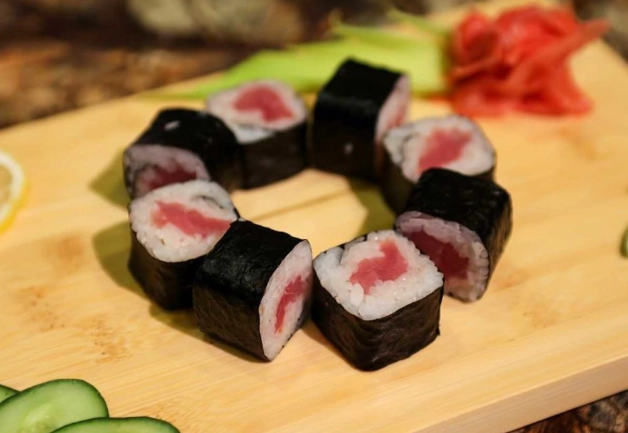
In Tokyo: The Temple of Tuna
If you're in Tokyo, head to the Toyosu Market (Tsukiji's successor) area. Restaurants here get first pick of the morning's auction. Sushi Saito (though notoriously hard to book) is legendary for its tekka maki, using perfectly aged bluefin. For a more accessible experience, try any reputable sushi-ya in the Ginza or Nihonbashi districts. Look for places where the chef handles the nori sheet directly over a small flame before rolling—that fresh toast makes a world of difference.
In New York City: The Modern Classics
NYC's sushi scene is deep. For an omakase experience where the tekka maki will be a highlight, Sushi Nakazawa in the West Village is a safe bet. The rice preparation there is textbook. For a more neighborhood feel, Sushi Yasaka on the Upper West Side consistently delivers a crisp, fresh tekka maki that rivals more expensive spots. A personal, slightly controversial opinion: some of the best value tekka maki I've had recently was at a tiny, 8-seat counter in the East Village where the chef used a less common, fatty cut from the tuna's shoulder (kami) for a richer flavor. It wasn't traditional, but it was unforgettable.
The Supermarket Reality Check
Sometimes you just need a quick fix. Whole Foods or a high-end Japanese market like Mitsuwa or H Mart can have decent pre-packaged tekka maki. The key is to check the color of the tuna—it should be a bright red, not brown or gray—and feel the package. If the nori looks wet or the rice feels rock hard, walk away. At its best, supermarket tekka maki is a 6/10 experience. At its worst, it's a sad, chewy disappointment. I've had both.
Local Tip: If you're at a sushi restaurant and want to gauge their skill, order the tekka maki first. If the rice is warm, seasoned well, and the tuna tastes clean and fresh, you're in good hands. If it's mediocre, the fancier rolls likely won't be much better.
How to Make Tekka Maki at Home: An Expert's Recipe
Making tekka maki at home is absolutely doable. It's also where you'll appreciate the craft. Here’s a straightforward method, plus the pitfalls most online recipes don't mention.
What You'll Need (The Non-Negotiables)
- Sashimi-Grade Tuna: This is the biggest investment. Go to a Japanese market or a trusted fishmonger. Ask for akami (lean red meat). A 4-6 oz block is plenty. Don't buy "tuna steaks for grilling."
- Proper Sushi Rice (Shari): Short-grain Japanese rice like Koshihikari. You'll need rice vinegar, sugar, and salt for the seasoning.
- Nori Sheets: Full-size, toasted yaki-nori. The kind sold for making onigiri is usually too thin.
- A Bamboo Makisu (rolling mat): Wrap it tightly in plastic wrap first. This keeps it clean.
The Step-by-Step, With Pro Tips
1. Prepare the Rice. Cook the rice. While it's hot, gently fold in the seasoned vinegar mixture (sushi-zu). Fan the rice as you mix to cool it and give it a glossy shine. The rice should be at roughly body temperature when you roll—not cold. Cold rice is hard and flavorless. This is mistake #1 for home cooks.
2. Prepare the Tuna. Look at the grain of the tuna muscle. Slice a strip about 1-inch thick against the grain. This ensures tenderness. The strip should be as long as your nori sheet is wide. Pat it completely dry.
3. Roll. Place the nori shiny-side down on the mat. With wet hands, spread a thin, even layer of rice over the bottom 2/3 of the nori, leaving a 1-inch border at the top. Place the tuna strip horizontally across the center of the rice. Using the mat, lift the edge closest to you and roll it over the filling, tucking it in tightly. Continue rolling forward, applying even pressure, until you reach the bare nori edge. Seal the roll with a few grains of rice or a dab of water.
4. Slice. Use a very sharp, wet knife. Wipe the blade clean between each cut. Slice the roll in half first, then slice each half into thirds, giving you six pieces. Don't saw back and forth—use one confident downward motion. Soggy, crushed ends are usually from a dull knife.
The biggest "aha" moment for me was realizing the rice texture is more important than a perfectly cylindrical roll. If your first roll is a bit lopsided, who cares? If the rice is perfect and the tuna is good, it will still taste fantastic.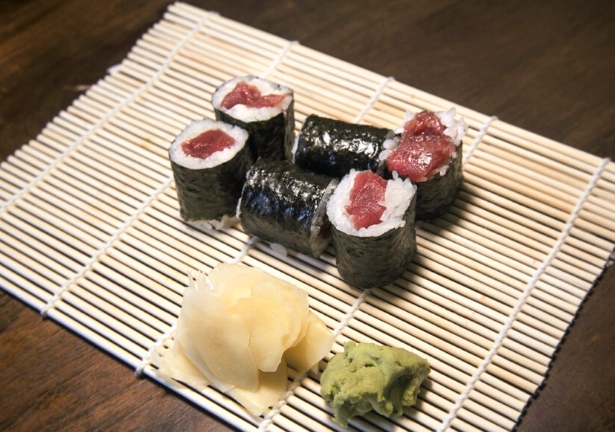
Your Tekka Maki Questions, Answered
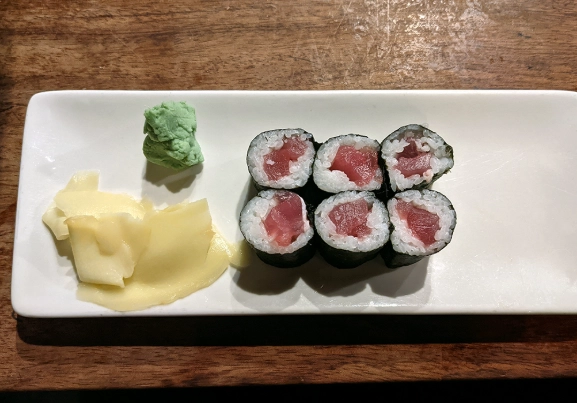
So, the next time you see tekka maki on a menu, don't skip over it for something more flashy. Order it. It's a direct line to the heart of sushi. It’s a bite-sized lesson in quality, balance, and respect for ingredients. And if you're feeling brave, try making it. You might just find that mastering the simple roll is the most satisfying sushi journey of all.
Reader Comments