If you've ever tasted a rich, savory Japanese soup and wondered what gives it that deep umami kick, chances are kombu was involved. This dried kelp isn't just a background player—it's a kitchen powerhouse that can transform your cooking from bland to brilliant. I've been using kombu for over a decade, and I still get excited about its versatility. Let's cut to the chase: kombu is your secret weapon for flavor, nutrition, and sustainable eating. In this guide, I'll walk you through everything from picking the right kombu to avoiding common pitfalls that even pros stumble into.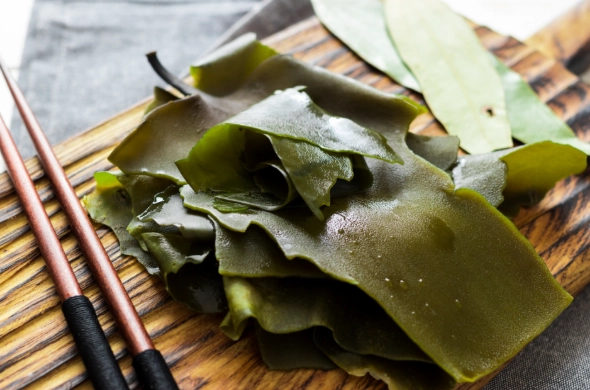
What You'll Find Inside
- What is Kombu and Why It's a Kitchen Staple
- How to Choose the Right Kombu: A Buyer's Guide
- Making Perfect Dashi: A Step-by-Step Tutorial
- Beyond the Broth: Creative Ways to Use Kombu
- Health Benefits of Kombu: What Science Says
- Common Kombu Mistakes Even Experienced Cooks Make
- Frequently Asked Questions About Kombu
What is Kombu and Why It's a Kitchen Staple
Kombu is a type of edible kelp, usually sold dried in thick, dark strips. It's harvested off the coasts of Japan and Korea, and it's been a cornerstone of East Asian cuisine for centuries. Think of it as the unsung hero of umami—that fifth taste beyond sweet, sour, salty, and bitter. When kombu soaks in water, it releases glutamates, natural compounds that boost savoriness without adding salt.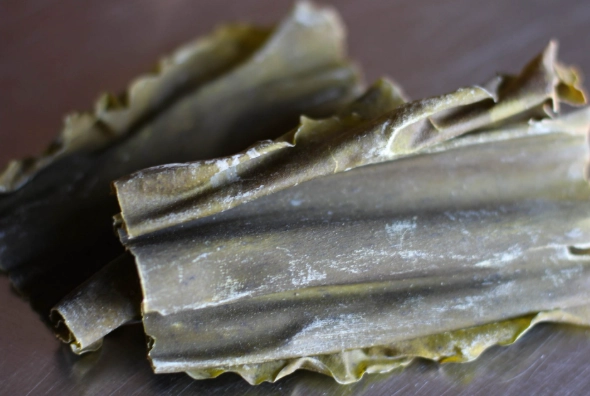
I remember my first time buying kombu: I grabbed the cheapest pack at an Asian market, not realizing there were grades. It worked, but later I tried premium stuff and the difference was night and day. The good kombu has a white, powdery coating called mannitol, which is a sign of quality—it's not mold, despite what some beginners think.
Why keep kombu in your pantry? It's vegan, gluten-free, and packs a nutritional punch. Plus, it's sustainable; seaweed farming has a low environmental impact, according to reports from the Food and Agriculture Organization of the United Nations. If you're into plant-based cooking, kombu is a game-changer for adding depth to dishes.
How to Choose the Right Kombu: A Buyer's Guide
Not all kombu is created equal. Walk into a store, and you might see varieties like Rishiri, Ma-kombu, or Rausu. It can be overwhelming, but here's a simple breakdown.
Pro tip: Look for kombu with a whitish bloom—that's the mannitol, indicating high umami content. Avoid pieces that are brittle or have a fishy smell; they might be old or poorly stored.
Where to buy kombu? I usually hit up Asian grocery stores or order online from reputable sellers like Amazon or specialty Japanese sites. Prices range from $5 to $20 per pack, depending on quality. For beginners, a mid-range pack around $10 is fine. Here's a quick table to help you navigate the options: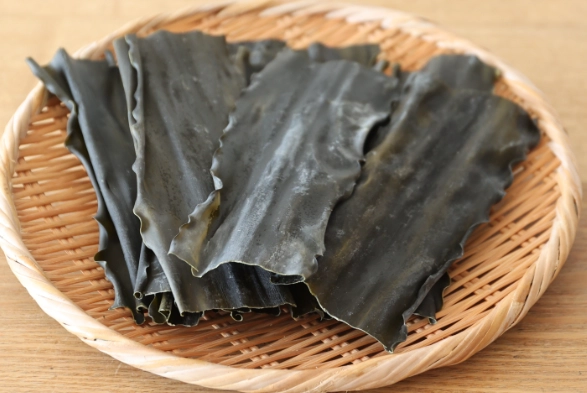
| Type of Kombu | Best For | Price Range (per 100g) | Where to Find |
|---|---|---|---|
| Ma-kombu (Hokkaido) | Rich dashi, soups | $15-$20 | High-end Asian markets, online |
| Rishiri kombu | Clear, delicate broths | $12-$18 | Japanese specialty stores |
| Standard dried kombu | Everyday cooking, stews | $5-$10 | Most Asian supermarkets |
I once bought a cheap brand from a discount store, and it had sand grit—not fun. So, invest a bit more for quality. Also, check the packaging date if possible; fresher kombu means better flavor.
Storing Your Kombu Properly
Once you have kombu, storage is key. Keep it in an airtight container in a cool, dark place. I use a glass jar in my pantry. Don't refrigerate it unless you live in a humid area, as moisture can ruin it. Properly stored, dried kombu lasts over a year, but for peak taste, use it within six months.
Making Perfect Dashi: A Step-by-Step Tutorial
Dashi is the foundational broth in Japanese cooking, and kombu is its star. Making dashi might seem intimidating, but it's straightforward once you get the hang of it. Here's my go-to method, refined after years of trial and error.
Ingredients: 10g dried kombu, 1 liter water, optional: katsuobushi (bonito flakes) for added flavor.
Steps:
1. Wipe the kombu gently with a damp cloth—don't wash off the mannitol. Some people skip this, but I find it removes dust without losing flavor.
2. Soak the kombu in cold water for 30 minutes to an hour. This slow soak extracts maximum umami. I've seen recipes call for overnight soaking, but that can make the broth slimy if overdone.
3. Heat the water and kombu on medium-low. Just before it boils, remove the kombu. Boiling kombu releases bitterness, which is a common mistake. Aim for a temperature around 60-70°C (140-160°F).
4. If using, add katsuobushi, then strain. That's it—you have basic dashi.
Watch out: Don't let the dashi boil with kombu in it. I ruined a batch once by getting distracted, and the broth turned unpleasantly bitter. It's a subtle error that can throw off a whole dish.
Use this dashi for miso soup, noodle broths, or as a base for stews. It freezes well too; I portion it into ice cubes for quick use.
Beyond the Broth: Creative Ways to Use Kombu
Kombu isn't just for dashi. Get creative—it can enhance all sorts of dishes. Here are a few ideas I've picked up from chefs and home cooks.
Kombu Tsukudani: Simmer chopped kombu in soy sauce, mirin, and sugar until tender. It's a savory-sweet condiment that pairs with rice. I make a batch every few months; it keeps for weeks in the fridge.
Vegetable Braises: Add a piece of kombu when braising root vegetables like daikon or potatoes. It tenderizes them and adds umami. I learned this from a Japanese grandmother who swore by it for her stews.
Salads and Pickles: Soak kombu briefly, then slice it thinly for salads. Or use it as a bed for quick pickles—the kombu infuses flavor while keeping veggies crisp.
One of my favorite hacks: toss a small piece of kombu into bean dishes while cooking. It reduces gas and adds depth, thanks to enzymes that break down complex sugars. According to traditional practices documented by sources like the Japan External Trade Organization, this has been done for generations.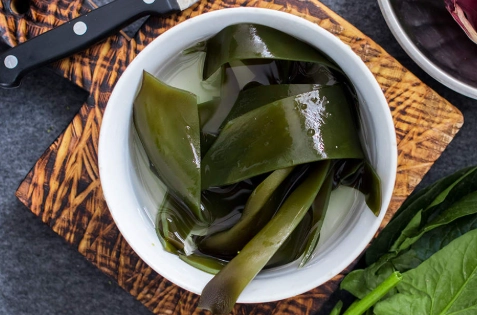
Health Benefits of Kombu: What Science Says
Kombu isn't just tasty; it's packed with nutrients. Let's break down the health perks, but keep it real—it's not a miracle cure.
Rich in Iodine: Kombu is one of the best natural sources of iodine, essential for thyroid function. But moderation is key; too much can cause issues. A small piece (about 5g) daily is plenty. I've seen people go overboard with kombu supplements, and it's not wise.
Dietary Fiber: It's high in soluble fiber, which aids digestion. Studies, like those referenced in the USDA National Nutrient Database, show seaweed can support gut health.
Minerals Galore: Kombu contains calcium, iron, and magnesium. For vegans, it's a great way to get these without supplements.
Low in Calories: Almost zero fat and low calories, making it a weight-friendly ingredient.
However, be cautious with sodium content if you're using kombu in salty dishes. Some processed kombu products have added salt, so read labels. I prefer plain dried kombu to control my intake.
Common Kombu Mistakes Even Experienced Cooks Make
After years of cooking with kombu, I've seen—and made—plenty of errors. Here are the big ones to avoid.
Over-soaking kombu: Leaving it in water for too long, especially in warm environments, can lead to a slimy texture. I limit soaks to a few hours max.
Boiling the broth: As mentioned, boiling kombu releases bitterness. Keep the heat low and remove it before boiling.
Using old kombu: Stale kombu loses its umami and can taste flat. If it's been in your pantry for years, toss it. I check mine every six months.
Ignoring the cut: For dashi, use large pieces; for stews, chop it. I once used chopped kombu in dashi, and it made the broth cloudy—not ideal for clear soups.
Another subtle mistake: not wiping the kombu. Dust and debris can affect flavor. A quick wipe does the trick.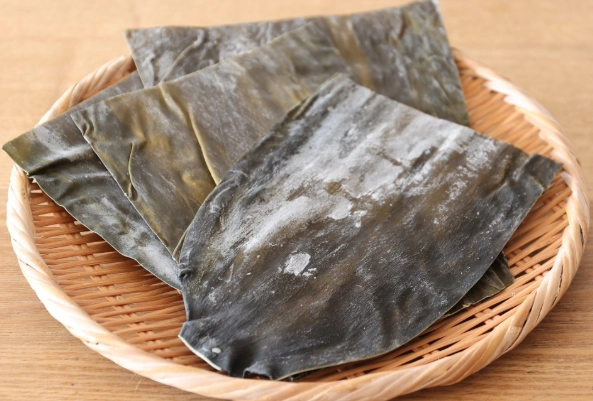
Frequently Asked Questions About Kombu
Kombu might seem like a niche ingredient, but once you start using it, you'll wonder how you cooked without it. From boosting flavors to adding nutrients, it's a versatile ally in the kitchen. Give it a try—grab a pack, make some dashi, and experiment. You might just find your new favorite secret ingredient.
Reader Comments