Let's get this out of the way first. If you think menchi katsu is just a glorified hamburger patty dipped in panko, you're missing the point entirely. This Japanese staple, a deep-fried ground meat cutlet, sits at the intersection of comfort, craft, and crunch. It's the food you crave on a rainy day, the star of a humble lunch set, and a surprisingly tricky dish to perfect at home. I've eaten my way through dozens, from back-alley Osaka joints to fancy Tokyo depachika, and burned more than a few batches in my own kitchen. Here's what I've learned.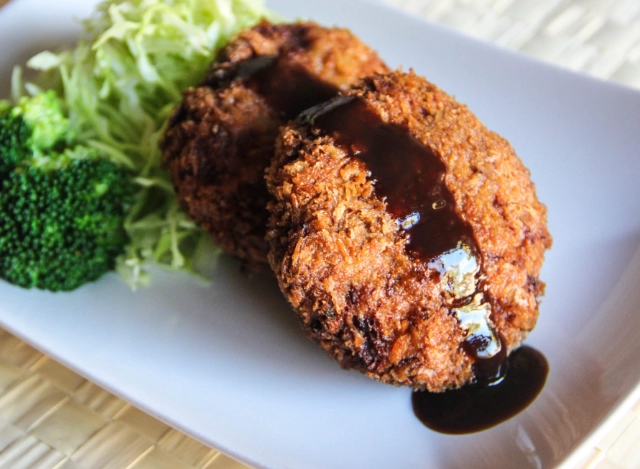
Your Quick Guide to Menchi Katsu Mastery
What Exactly Is Menchi Katsu?
"Menchi" comes from the English "mince," and "katsu" is short for "katsuretsu" (cutlet). So, a minced cutlet. It's part of yoshoku, Japan's category of Western-inspired dishes that have been completely naturalized. Unlike a tonkatsu (pork cutlet) which uses a solid slice of meat, menchi katsu is all about the blend. Typically, it's a mix of ground pork and beef, seasoned, shaped, breaded with panko, and deep-fried until golden. The magic is in the texture—a shatteringly crisp exterior giving way to a juicy, savory, finely textured interior. It's almost always served with shredded cabbage, a mound of rice, miso soup, and that indispensable, umami-rich tonkatsu sauce.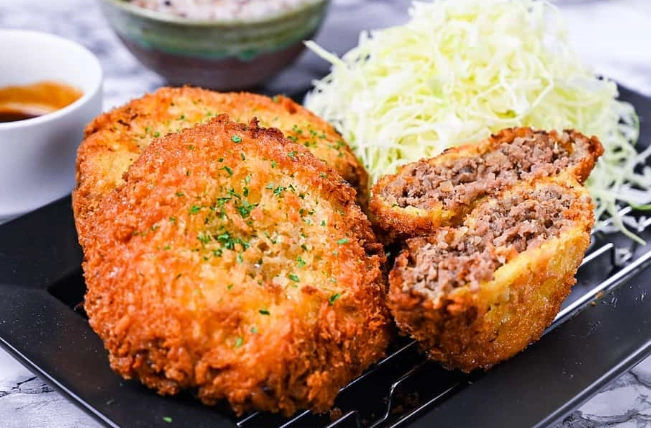
Key Takeaway: Don't confuse it with a korokke (croquette). Korokke usually has a mashed potato or white sauce base mixed with meat. Menchi katsu is all meat, no filler. The texture is fundamentally different.
The Anatomy of a Perfect Patty
Getting the inside right is 80% of the battle. A dry, dense patty is a failure. A greasy, loose one that falls apart is just sad.
The Meat Ratio is Your Secret Weapon
Most home recipes call for a 50/50 pork and beef mix. That's fine, but it's basic. After talking to butchers and chefs, I lean towards a 70% pork (with a decent fat content, say 20%) to 30% beef blend. The pork fat renders during frying, self-basting the patty from the inside, while the beef adds a deeper, robust flavor. Using only lean meat is the most common home cook error. You need that fat.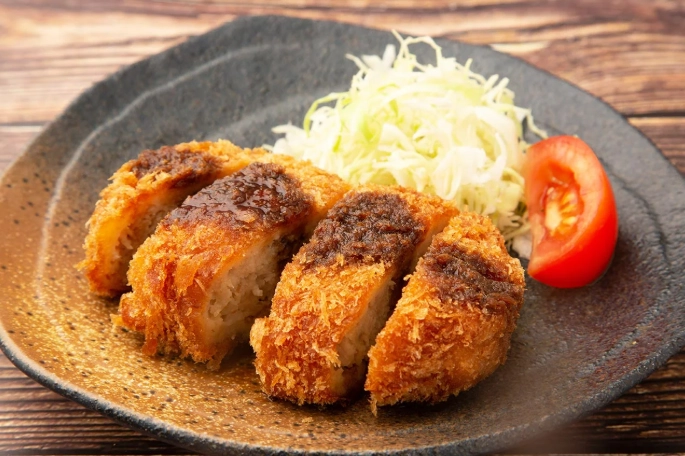
The Binders and Seasonings
You'll see egg, panko, milk, onion, and spices. The micro-decision here is the onion. Grating it on a microplane versus dicing it finely creates different outcomes. Grated onion disappears into the mix, adding moisture and sweetness without texture. Finely diced onion gives little bursts of flavor and a slight crunch. I prefer grated for a more uniform, tender bite. A splash of milk or cream soaked into some of the panko (a panade) is your insurance policy against dryness.
A Master Home Recipe (With All the Pitfalls)
Let's walk through a recipe, but I'll focus on the why and the what can go wrong.
Ingredients (for 4 patties):
- 300g ground pork (not extra-lean)
- 150g ground beef
- 1/2 medium onion, grated
- 1 large egg
- 3 tbsp panko (for the mix)
- 2 tbsp milk
- 1 tsp soy sauce
- 1/2 tsp salt, black pepper
- A pinch of nutmeg (trust me)
- Flour, beaten egg, panko (for coating)
- Neutral oil for deep-frying
The Critical Process:
1. Mix, don't knead. In a bowl, combine the panko and milk for the panade. Let it sit for a minute. Add all the other patty ingredients. Now, use a folding and turning motion with a spatula or your hands. Stop the second everything is incorporated. Overmixing makes the proteins tight and the final texture bouncy in a bad way. This is the step most people rush.
2. Shape and rest. Divide into four portions. Shape into oval patties about 2cm thick. Make a slight indentation in the center of each—this prevents them from puffing up into a ball during frying. Place them on a plate, cover, and refrigerate for at least 30 minutes. This firms them up, making the coating process less messy and helping the crust stick.
3. The Coating Station. Set up three shallow dishes: flour, beaten egg, dry panko. The flour should be a light, even dusting—it helps the egg stick. The egg is the glue. For the panko, press gently to adhere, but don't crush the flakes. Let the breaded patties sit for 5-10 minutes before frying to let the coating set.
4. Frying: The Two-Temp Method. This is the pro trick most recipes omit. Heat oil to 160°C (320°F). Gently add patties. Fry for about 4-5 minutes, turning once, until golden and cooked through. Remove and drain on a rack. Let them rest. Just before serving, heat the oil to 180°C (355°F). Fry the patties again for 60-90 seconds. This double-fry creates an incredibly crisp, non-oily crust that stays crunchy longer. The first fry cooks the meat, the second fry perfects the texture.
Where to Eat the Best Menchi Katsu in Japan
To know what you're aiming for, you need a benchmark. Here are two iconic spots that do things differently.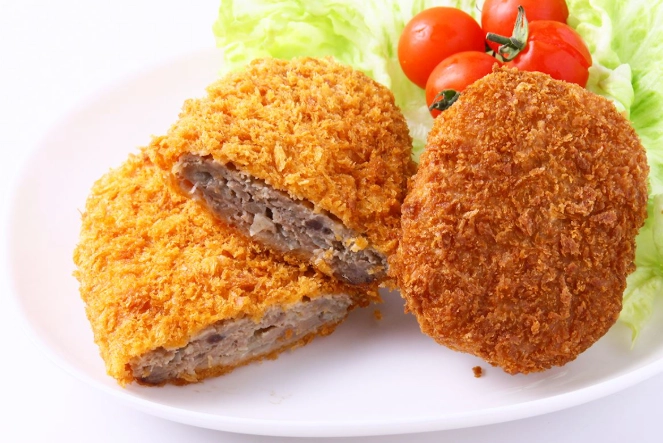
Tokyo Spotlight: Tonkatsu Tonki (Meguro)
Address: 1-1-2 Shimo-Meguro, Meguro-ku, Tokyo.
This legendary tonkatsu shop has a cult following. Their menchi katsu is a masterclass in simplicity. The blend is finely textured, almost smooth, and incredibly juicy. The crust is a lighter golden brown, delicate but crisp. It's part of their teishoku (set meal), served in a bustling, standing-room-only atmosphere that's pure old-school Tokyo. Expect a line. Price: Around 1,500 yen for a set. Open 4:00 PM – 10:45 PM (closed Wed).
Osaka Spotlight: Daruma (Kushikatsu District)
Address: 2-3-9 Ebisuhigashi, Naniwa-ku, Osaka.
In the home of kushikatsu (deep-fried skewers), Daruma's menchi katsu is a hearty, chunky affair. You can see bits of onion and carrot in the coarse-ground meat. It's thicker, meatier, and has a more robust flavor. Dipped in their signature communal tonkatsu sauce (the rule: no double-dipping!), it's a deeply satisfying bite. It embodies Osaka's "kuidaore" (eat until you drop) spirit. Price: About 400 yen per piece. Open 11:00 AM – 10:00 PM.
| Feature | Tokyo Style (Tonki) | Osaka Style (Daruma) |
|---|---|---|
| Texture | Fine, uniform, melt-in-your-mouth | Coarse, chunky, substantial bite |
| Crust | Light, delicate, very crisp | Thicker, crunchier, robust |
| Flavor Profile | Elegant, pure meatiness | Hearty, savory, with vegetable notes |
| Vibe | Efficient, traditional, focused | Bustling, lively, communal |
Going Beyond the Basics: Creative Twicks
Once you've mastered the classic, play with it.
The Cheese Surprise: Embed a small cube of mild cheese (like mozzarella or gouda) in the center of the patty before breading. When you bite, you get a molten core. Just ensure the patty is sealed well.
Herb and Spice Blends: Add finely chopped shiso (perilla leaf) or a little yuzu kosho (citrus chili paste) to the meat mix for a bright, modern twist.
Alternative Dips: Break free from tonkatsu sauce. Try it with a Japanese curry sauce, a ponzu-soy dip with grated daikon, or even a spicy mustard aioli.
Your Menchi Katsu Questions, Answered
What is the biggest mistake people make when preparing menchi katsu meat filling?
Overworking the meat mixture. Kneading it like bread dough develops the proteins, making the final texture dense and rubbery, not juicy and tender. Mix the ingredients just until combined, using a folding motion with a spatula or your hands. A little bit of visible marbling of fat in the ground pork is a good thing for flavor.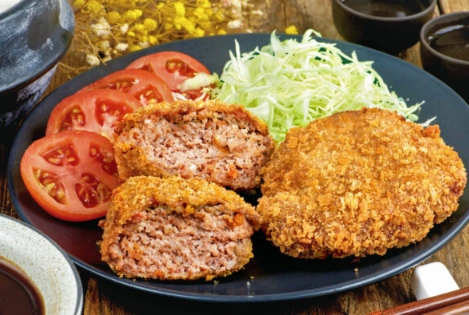
How can I get my menchi katsu crust extra crispy and keep it from getting soggy?
The double-fry method is a game-changer. Fry once at a slightly lower temperature (160°C/320°F) to cook the meat through, then drain and rest for a few minutes. Just before serving, fry a second time at a higher heat (180°C/355°F) for 60-90 seconds. This re-crisps the coating and drives out any absorbed oil. Also, let the shaped patties rest in the fridge for 30 minutes before breading; this firms them up and helps the coating adhere better.
What are some non-traditional sauces or sides that go surprisingly well with menchi katsu?
While tonkatsu sauce is classic, try a drizzle of Japanese curry sauce for a heartier meal. A simple side of grated daikon radish with a ponzu-soy dressing cuts through the richness beautifully. For a fusion twist, a spicy gochujang mayo or even a dollop of chutney can create exciting new flavor profiles.
Can I prepare menchi katsu ahead of time for a party, and how do I reheat it?
You can bread the patties and keep them layered between parchment paper in the fridge for up to 4 hours before frying. For reheating, never use a microwave—it turns the crust to leather. Use a toaster oven, air fryer, or conventional oven at 180°C (350°F) for 8-10 minutes. This restores the crispness far better.
The journey to a great menchi katsu is a delicious one. It's about respecting the simple elements—fatty meat, crisp panko, hot oil—and understanding how they interact. Start with the double-fry. Pay attention to your mix. And maybe take a trip to Meguro or Naniwa-ku for inspiration. Your next rainy-day comfort meal is waiting.
Reader Comments