Your Tonkatsu Navigation
- Why Bother Making Tonkatsu at Home?
- The Foundation: Choosing Your Pork Cut
- Gathering Your Arsenal: Ingredients & Tools
- The Step-by-Step Tonkatsu Recipe: No Secrets, Just Technique
- The Supporting Cast: Sauce, Sides, and Serving
- Leveling Up: Pro Tips & Troubleshooting
- Beyond the Classic: Variations & Twists
- Your Tonkatsu Recipe Questions, Answered
- Wrapping It Up: Your Path to Tonkatsu Mastery
Let's be honest. We've all been there. You're sitting in a cozy izakaya or a bustling tonkatsu-ya in Tokyo, you bite into that perfectly golden, impossibly crisp piece of breaded pork, and the thought hits you: "I could never make this at home." The crunch echoes in your ears, the juicy interior melts in your mouth, and the rich, savory-sweet sauce ties it all together. It feels like culinary magic reserved for professionals.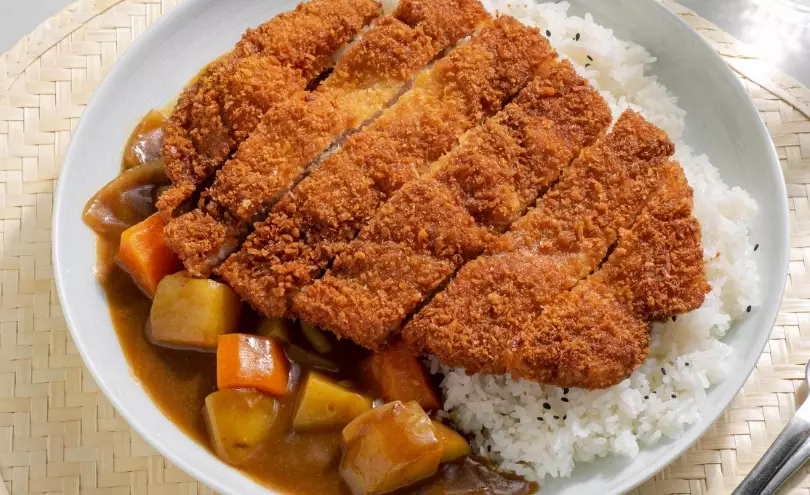
Well, I'm here to tell you that's nonsense.
I thought the same thing for years. My early attempts were... educational. Soggy breading. Overcooked, tough pork. A kitchen floor dusted with a blizzard of panko. It was frustrating. But after more tries than I'd care to admit, chatting with a chef friend from Osaka, and even messing up a batch just last month by getting distracted (multitasking and hot oil are enemies), I've cracked the code. This isn't just a tonkatsu recipe. This is the one that finally gave me that restaurant-quality result in my own, admittedly sometimes chaotic, kitchen. And you can do it too.
Why Bother Making Tonkatsu at Home?
Sure, you can order it. But where's the fun in that? More importantly, where's the control? When you master this Tonkatsu recipe, you control the quality of the pork (no mystery meat here). You control the thickness of the cut, which directly impacts juiciness. You can fry it in fresh, clean oil every single time. And you can make that tonkatsu sauce exactly to your taste—a bit more tangy, a touch sweeter, whatever you like.
It's also surprisingly weeknight-friendly once you get the rhythm down. The active work is maybe 20 minutes. The payoff? Immense satisfaction and a meal that will have everyone at the table asking for seconds.
The Foundation: Choosing Your Pork Cut
This is where most recipes just say "use pork loin or fillet" and move on. Not good enough. The cut you choose is the single biggest factor in your final dish. Get this wrong, and even perfect frying won't save you.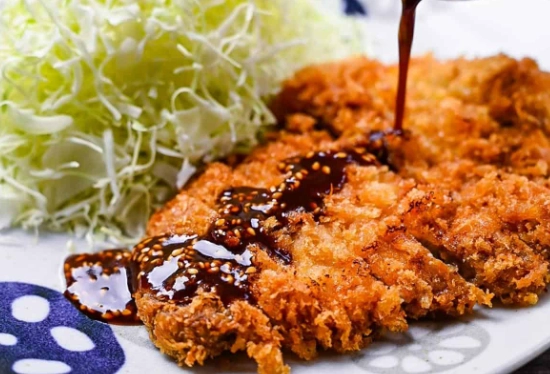
You're generally looking at two main contenders for a classic tonkatsu recipe:
Pork Loin (ロース, Rōsu)
This is the most popular choice, and for good reason. It has a beautiful marbling of fat running along one side and sometimes through the meat. This fat bastes the cutlet from the inside as it fries, leading to incredible juiciness and flavor. The texture is tender with a slight chew. If you're new to making tonkatsu, start here. It's forgiving and delivers that classic, rich experience. Look for loin chops that are at least 3/4-inch thick, preferably 1 inch.
Pork Fillet/Tenderloin (ヒレ, Hire)
The leaner, more tender option. It's all meat, no fat cap. The texture is supremely tender and uniform. The trade-off? Because it's so lean, it's slightly more prone to drying out if overcooked. It's often considered the "premium" choice in Japan for its delicate texture. I personally prefer the flavor punch of a good loin, but a perfectly cooked fillet tonkatsu is a thing of beauty.
What about pork chops from the supermarket? They can work in a pinch, but they're often cut too thin and from a different part of the loin. You'll likely need to pound them to an even thickness, which can be tricky. For your first few attempts with this Tonkatsu recipe, seek out a good butcher and ask for a center-cut loin chop, thick-cut. Trust me, it makes a world of difference.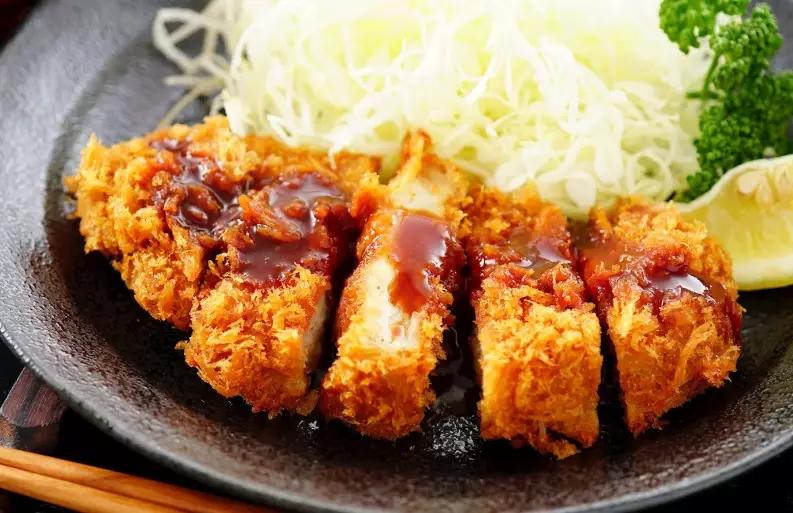
For authoritative information on meat cuts and quality, resources like the Japanese Ministry of Agriculture, Forestry and Fisheries (MAFF) provide insights into Japan's agricultural standards, though specific cut guides are often regionally defined.
| Cut | Fat Content | Texture | Best For | My Personal Take |
|---|---|---|---|---|
| Pork Loin (Rōsu) | Higher (has fat cap) | Juicy, rich, slight chew | Classic, forgiving, flavor-focused tonkatsu | My go-to. The fat is flavor. Don't fear it. |
| Pork Fillet (Hire) | Very Low (lean) | Extremely tender, uniform | A lighter, more delicate tonkatsu experience | Elegant, but requires more precision to avoid dryness. |
| Standard Pork Chop | Varies | Can be tough if not treated right | A last-resort option | Often too thin. You'll be fighting it more than cooking it. |
Gathering Your Arsenal: Ingredients & Tools
Japanese cooking is often about simplicity and quality ingredients. This tonkatsu recipe is no exception. You don't need a hundred things, but what you do need matters.
The Non-Negotiables
- Pork: As discussed above. Two thick-cut loin chops (about 1 inch thick, 6-7 oz each) will serve two people generously.
- Salt & Pepper: For seasoning the meat. Simple.
- Flour: All-purpose is fine. This is the first layer of the coating trifecta.
- Egg: Beaten, for the second layer. It's the glue.
- Panko Breadcrumbs: This is NOT the place for regular breadcrumbs. Panko is made from crustless bread, creating larger, flakier, drier shards that fry up into an airy, incredibly crisp, and non-greasy crust. It's the defining characteristic of tonkatsu. You can find it in most supermarkets now. For an authentic deep dive into Japanese ingredients, the Japan External Trade Organization (JETRO) offers extensive resources on food exports and standards.
- Neutral Oil for Frying: Canola, vegetable, or peanut oil. You need enough to deep-fry or at least come halfway up the sides of the cutlet in a pot.
The Flavor Enhancers (Highly Recommended)
- Tonkatsu Sauce: Store-bought like Bulldog (Bulldog Fruit & Vegetable Sauce) is perfectly authentic and delicious. But making your own is easier than you think and lets you adjust the flavor.
- Japanese Mustard (Karashi): That spicy yellow mustard served on the side. A fantastic contrast.
- Shredded Cabbage: The traditional, crisp, refreshing counterpoint to the rich, fried pork. A mandoline makes quick work of this.
- Cooked Japanese Short-Grain Rice: Because tonkatsu without rice feels... incomplete.
Tool Talk: You don't need special equipment. A heavy-bottomed pot (Dutch oven is ideal) for stable oil temperature, a frying thermometer (this is a game-changer—guesswork leads to greasy food), a wire rack for draining (NOT paper towels, which steam the crust soggy), and a pair of long tongs. That's the core team.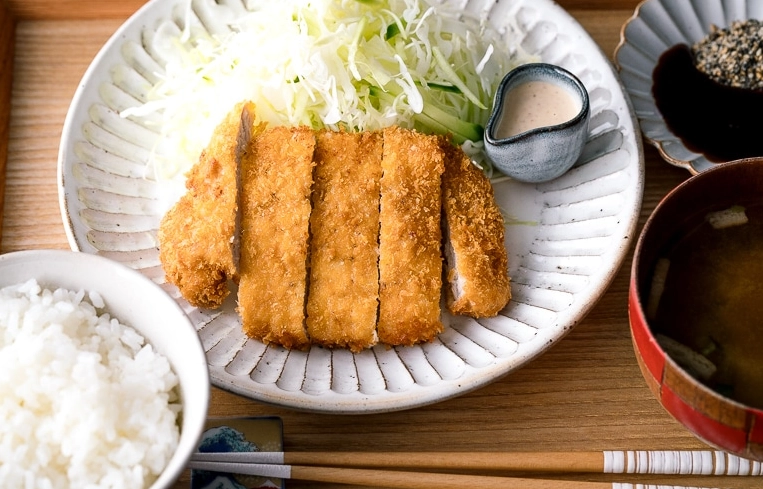
The Step-by-Step Tonkatsu Recipe: No Secrets, Just Technique
Alright, let's get our hands dirty. This is where we turn ingredients into that iconic dish. Follow these steps, pay attention to the details, and you'll be golden. Literally.
Step 1: Prepping the Pork
Take your pork chops out of the fridge about 15-20 minutes before cooking. Frying cold meat shocks it and can lead to uneven cooking. Pat them completely dry with paper towels. Any surface moisture is the enemy of a crisp coating.
Now, look at the edges. See that silvery membrane or any thick pieces of fat? Make small snips about 1/4-inch apart along the edges and any connective tissue in the middle. This prevents the cutlet from curling up into a little pork football as it cooks. It's a simple trick with huge results.
Season both sides generously with salt and pepper. Don't be shy here; the coating is bland, so the meat itself needs to be well-seasoned.
Step 2: Setting Up Your Coating Station (The *Mise en Place*)
This is about organization and keeping one hand dry, one hand wet. Set up three shallow dishes or plates in a row:
- Dish 1: All-purpose flour.
- Dish 2: Beaten egg. A fork or whisk helps.
- Dish 3: Panko breadcrumbs. Pour out a generous amount.
Line a tray or plate with parchment paper for your coated cutlets. Have your oil pot and thermometer ready to go nearby.
Step 3: The Coating Trifecta (Flour, Egg, Panko)
This is the ritual. For each pork cutlet:
- Dredge in flour: Coat it thoroughly on all sides. Then, pick it up and shake off the excess flour like you mean it. A thin, even dusting is all you want. Too much flour creates a pasty layer under the panko.
- Dip in egg: Let the excess egg drip off. A thin, even coat is key.
- Press into panko: Now, place the cutlet into the panko. Don't just sprinkle. Gently press the cutlet down, then scoop panko over the top and press again. You want a generous, even coating that adheres. The pressing action is crucial—it creates little peaks and valleys in the panko that fry up extra crisp. Get the sides too. Once coated, place it on your parchment-lined tray.
Let the coated cutlets rest for 5-10 minutes. This lets the coating set and adhere, preventing it from sloughing off in the oil. Use this time to heat your oil.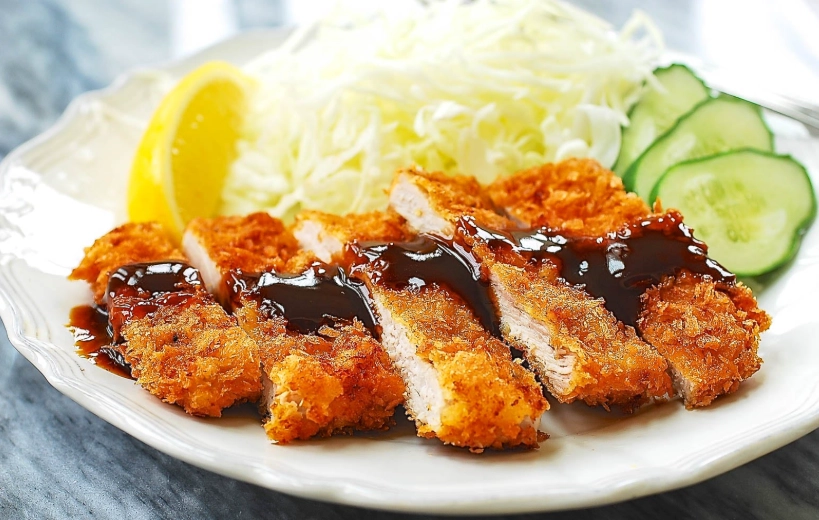
Step 4: Frying to Perfection (The Main Event)
Fill your heavy pot with 2-3 inches of oil. Attach your thermometer. Heat over medium-high heat to 340°F (170°C). This is your first fry temperature.
Why so specific? Too hot, and the outside burns before the inside cooks. Too cool, and the cutlet absorbs oil like a sponge and becomes greasy. The thermometer is your best friend. I didn't use one for ages, and my results were inconsistent. Once I started, it was a revelation.
Gently lower a cutlet into the hot oil. Don't drop it. Avoid crowding the pot; fry one at a time if your pot is small. The temperature will drop when you add the meat. Adjust the heat to maintain it as close to 340°F as possible.
Fry for 5-6 minutes, turning occasionally with tongs for even browning, until it's a beautiful pale golden brown. This is the cook-through phase.
Now, here's a pro move for extra crispiness: remove the cutlet and place it on a wire rack over a tray. Let it rest for 3-4 minutes. This allows the internal heat to distribute (carryover cooking) and the crust to set.
While it rests, crank the heat and bring your oil temperature up to 365°F (185°C). This is for the second fry, or "age" in Japanese.
Carefully return the cutlet to the hotter oil and fry for another 1-2 minutes, until it turns a deep, rich, golden brown and the bubbling from the oil becomes very vigorous. This second fry crisps and sets the crust without further cooking the interior, making it incredibly light and crunchy.
Remove and place immediately on the wire rack to drain. Do not use paper towels. The wire rack allows air to circulate, keeping the bottom crust crisp. Paper towels trap steam and create sogginess.
Let it rest for a few minutes before slicing. This allows the juices to redistribute. Cutting immediately sends all those precious juices running onto the plate.
The Supporting Cast: Sauce, Sides, and Serving
A tonkatsu recipe isn't complete without its accompaniments. They're not optional extras; they're part of the balance.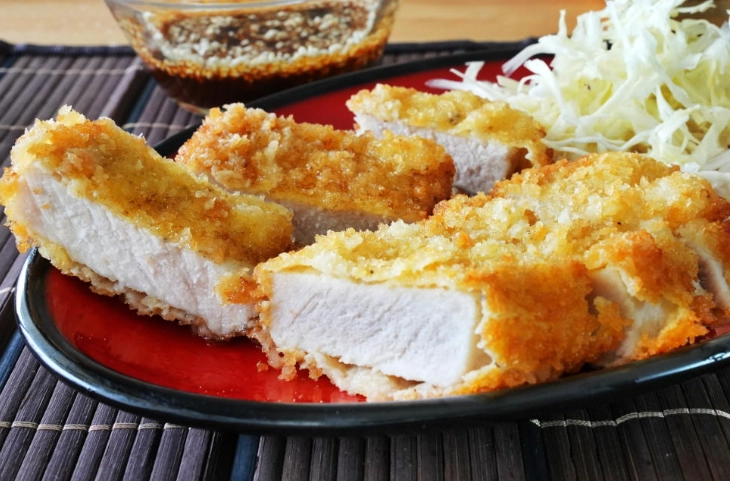
Homemade Tonkatsu Sauce (It's Easier Than You Think)
While store-bought is great, homemade lets you tweak it. Here's a simple, all-purpose version:
- 4 tbsp Worcestershire sauce
- 2 tbsp ketchup
- 1 tbsp oyster sauce (or more Worcestershire if you don't have it)
- 1 tsp sugar (adjust to taste)
- A tiny dash of soy sauce
Just whisk it all together in a small bowl. Taste. Want it fruitier? Add a bit of apple or pear puree. More tang? A squeeze of lemon. This is your sauce. The Japan Soy Sauce Brewers Association provides great context on the foundational flavors of Japanese cuisine, though tonkatsu sauce uses Worcestershire as its base.
The Perfect Slice and Plate
Use a very sharp knife. Slice the rested tonkatsu crosswise into 3/4-inch to 1-inch wide strips. This showcases the juicy interior and makes it easy to eat. Plate it over or next to a mound of shredded cabbage (I like to drizzle a little ponzu or sesame dressing on my cabbage, but purists serve it plain). A scoop of rice, a dollop of karashi mustard, and a generous drizzle or side of your tonkatsu sauce. That's the picture.
Leveling Up: Pro Tips & Troubleshooting
Even with a solid Tonkatsu recipe, things can go sideways. Here's how to avoid the common pitfalls.
Uneven Cooking/Browning? Your oil temperature is fluctuating too much, or you're crowding the pot. Fry in batches. Use a thermometer and adjust the heat actively.
Dry Pork? The cutlet was too thin, you fried it at too high a temperature from the start, or you skipped the rest before slicing. The two-stage fry (lower temp then higher temp) is designed to prevent this.
Beyond the Classic: Variations & Twists
Once you've mastered the basic tonkatsu recipe, the world opens up.
- Chicken Katsu: Use boneless, skinless chicken thighs (more flavor, juicier) or breasts. Pound to an even 1/2-inch thickness. Same method.
- Katsu Sando: The legendary Japanese sandwich. Use thinly sliced or pounded pork (or chicken), fry, let cool slightly, then sandwich between soft, crustless white bread (shokupan) with tonkatsu sauce and maybe a little shredded cabbage. Life-changing.
- Katsu Curry: Serve your tonkatsu over Japanese curry rice. The ultimate comfort food.
- Menchi Katsu: A ground meat patty (often pork and beef mix), seasoned, coated, and fried. Different texture, equally delicious.
- Air Fryer Attempt? I've tried it. It can produce a decent, less-oily result, but it lacks the sublime, all-around crispness and rich flavor of deep-frying. It's a good "healthier" alternative for a quick fix, but it's not the real deal. The crust is often drier and can be patchy.
Your Tonkatsu Recipe Questions, Answered
Wrapping It Up: Your Path to Tonkatsu Mastery
Look, making a great tonkatsu at home isn't about having secret skills. It's about understanding a few key principles: start with good pork, master the three-layer coating, control your oil temperature religiously, and respect the resting times. This Tonkatsu recipe lays all of that out.
My first perfect one felt like a victory. It wasn't just dinner; it was proof that those restaurant walls don't hold magic—just good technique. And that's something you can bring into your own kitchen.
So go on. Pick up some thick pork chops, grab a bag of panko, and heat that oil. Listen for that first satisfying sizzle. You might make a mess (I still do). The panko will get everywhere (it's a law of nature). But when you slice into that golden cutlet, hear that crisp crackle, and see the steam rise from the juicy interior, you'll know it was worth it. This isn't just another recipe. It's your ticket to one of Japan's most beloved comfort foods, made by your own hands. Now, who's hungry?
Reader Comments