In This Article:
Let's be honest. You've probably had a bowl of miso soup at a Japanese restaurant and thought, "I could make this." It seems simple enough, right? Broth, some tofu, green onions, and that flavorful miso paste. But then you try to make it at home, especially a heartier version with chicken, and something feels off. Maybe the broth lacks depth, or the chicken is dry, or the whole thing just tastes... salty, not savory. I've been there. The difference between a good chicken miso soup and a great one almost always comes down to the ingredients. Not just what you use, but how you choose them and how you treat them.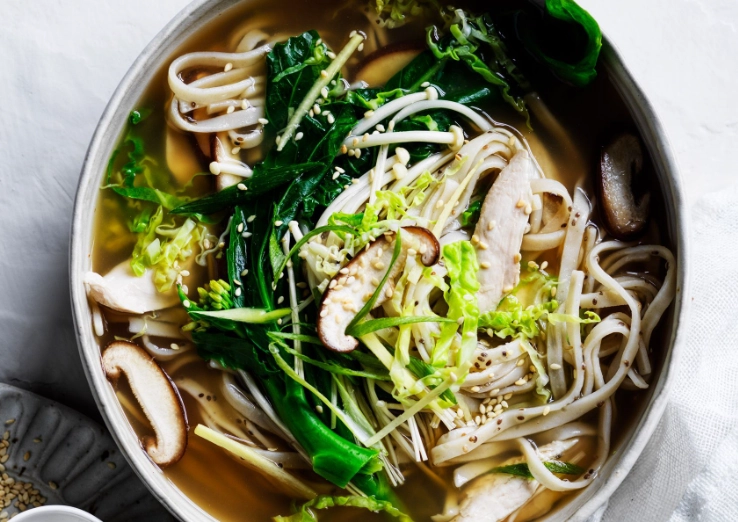
This isn't about slavishly following a single recipe. It's about understanding the chicken miso soup ingredients as a toolkit. Once you know what each component brings to the table (or the bowl), you can mix, match, and substitute based on what's in your fridge, what your family likes, or what you're craving that day. We're going to go deep, past the basic list, into the why and how of each element. From the soul of the soup—the miso paste itself—to the choice of chicken, the supporting cast of vegetables, and the little extras that make it sing.
The Core Cast: Non-Negotiable Chicken Miso Soup Ingredients
Okay, let's break down the absolute essentials. You can't call it chicken miso soup without these. But within each category, there's a world of choice that dramatically changes the final flavor.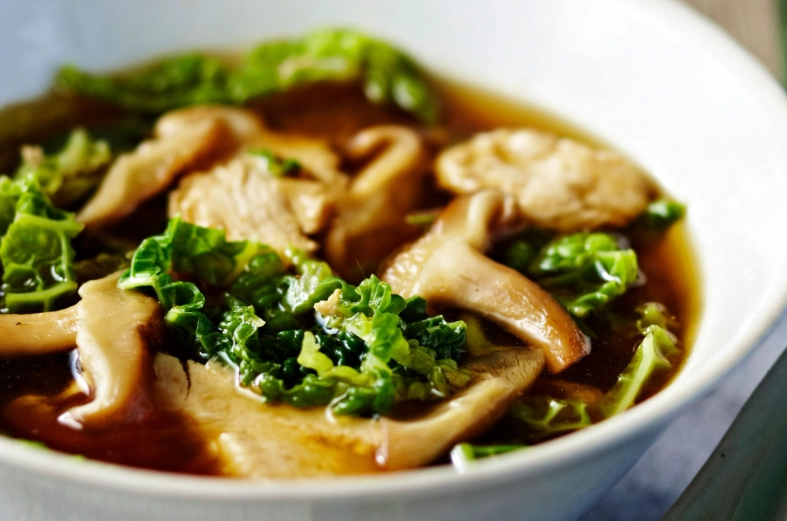
1. The Miso Paste: The Heart and Soul
This is where the magic starts. Miso is a fermented paste usually made from soybeans, salt, and a mold culture called koji. The type of grain used with the koji (like rice, barley, or soybeans alone) and the fermentation time create different varieties. Choosing the right one is the single most important decision for your soup's personality.
- Shiro Miso (White Miso): Fermented for a shorter time, it's sweeter, milder, and lighter in color. Perfect if you're new to miso or want a delicate, almost sweet soup. I find it fantastic for a lighter chicken and vegetable soup.
- Aka Miso (Red Miso): Fermented longer, it's saltier, richer, and packs a deep umami punch. It can overpower delicate ingredients, but it stands up beautifully to the robust flavor of chicken. This is my go-to for a hearty, warming soup.
- Awase Miso (Mixed Miso): A blend of white and red. This is the best of both worlds for many home cooks—balanced, versatile, and widely available. It's a safe and delicious bet for your chicken miso soup ingredients list.
Where do you get good miso? Your local Asian grocery store will have the best selection. Look for brands that list just a few simple ingredients. You can also find reputable brands like Hikari Miso or Miyasaka Jozo online or in well-stocked supermarkets. Avoid any paste that's sitting in a warm spot on the shelf; refrigeration is key to preserving its live cultures.
2. The Broth: The Foundation
Water alone won't cut it. You need a flavorful base. The traditional Japanese base is dashi, a stock made from kombu (dried kelp) and katsuobushi (dried bonito flakes). This adds a clean, oceanic umami that complements the earthy miso perfectly.
But here's a secret for chicken miso soup: you can (and should!) double down on flavor. My preferred method is a hybrid broth.
- Make a Simple Dashi: Steep a piece of kombu in cold water, bring it almost to a boil, then remove the kombu. Turn off the heat and add a handful of katsuobushi, let it steep for 5 minutes, then strain. It sounds fancy but takes 15 minutes. The Japanese Ministry of Health even highlights kombu as a traditional source of minerals.
- Use Chicken Cooking Liquid: If you're poaching or simmering chicken for the soup, that water becomes golden. It's packed with chicken flavor and gelatin, which gives the soup a lovely body. Use this liquid as part or all of your soup base instead of plain water.
- The Cheat (It's Okay!): No time? A good-quality, low-sodium chicken broth is a perfectly fine substitute. Look for ones without a lot of herbs or strong flavors. Combine it with a dashi packet or a bit of dashi powder for that authentic umami note.
3. The Chicken: The Star Protein
Not all chicken is created equal for soup. You want flavor and tenderness.
- Thighs vs. Breasts: This is the big debate. Chicken thighs are my unwavering champion for soup. They have more fat and connective tissue, which means they stay juicy and tender even after simmering. Breasts can easily become dry and stringy if overcooked. If you must use breast, cut it small and add it at the very end, just to cook through.
- With Bone or Without? Bone-in, skin-on chicken thighs will give you the most flavor for your broth. You simmer them, then shred the meat. Boneless, skinless thighs are the ultimate convenience—just dice and cook. The flavor is a bit less intense, but it's a trade-off many busy cooks are willing to make.
- How to Prep It: For maximum flavor, I like to brown diced chicken thighs lightly in the pot before adding any liquid. That fond (the browned bits at the bottom) is pure flavor gold. Then deglaze with your dashi or broth.
4. The Vegetables & Tofu: The Supporting Cast
This is where you get creative. The classic trio is wakame (dried seaweed), tofu, and green onion. But with chicken in the mix, you can go heartier.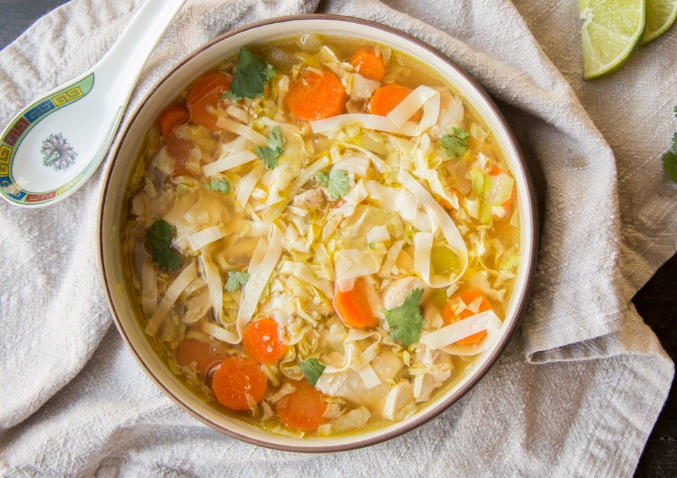
Classic Add-Ins:
- Wakame: A pinch of dried wakame rehydrates in the hot soup in seconds. It adds a subtle sea flavor and a lovely texture.
- Tofu: Silken or soft tofu is traditional. Cut it into small cubes and add it at the end, right before the miso, so it doesn't break apart. It soaks up the broth beautifully.
- Green Onion: The fresh, sharp finish. Slice it thin and use it as a garnish.
Heartier Options (Great with Chicken):
- Mushrooms: Shiitake (fresh or dried) are incredible. Enoki or shimeji mushrooms add great texture.
- Leafy Greens: Spinach, baby bok choy, or komatsuna. Wilt them in at the last minute.
- Root Vegetables: Thin slices of carrot, daikon radish, or small potato cubes. They make the soup more substantial.
- Onion: A little finely diced onion sautéed at the start builds a fantastic flavor base.
5. The Seasonings: The Finishing Touches
Usually, just miso. But a tiny splash of usukuchi shoyu (light soy sauce) at the end can heighten flavors without darkening the soup. A few drops of toasted sesame oil drizzled on top before serving is a game-changer with chicken. A little grated ginger simmered with the broth adds a wonderful warmth.
Your Chicken Miso Soup Ingredients Selection Guide
Walking down the grocery aisle can be overwhelming. This table should help you make smart choices for your next pot of soup.
| Ingredient | Best Choice for Flavor | Best Choice for Convenience | What to Avoid |
|---|---|---|---|
| Miso Paste | Refrigerated, artisanal Awase or Aka Miso. Short ingredient list. | Any refrigerated Awase Miso from a major brand. | Miso sold unrefrigerated on a regular shelf. Pastes with added sugars or MSG as a primary ingredient (though some trace amounts are natural). |
| Chicken | Bone-in, skin-on chicken thighs. Simmer for broth, then shred meat. | Boneless, skinless chicken thighs, diced. Quick to cook, still flavorful. | Pre-cooked, seasoned chicken strips. They'll make your soup taste processed. |
| Broth Base | Homemade hybrid broth: Dashi + poaching liquid from your chicken. | Low-sodium chicken broth + a dashi tea bag or 1 tsp dashi powder. | Regular chicken broth or bouillon cubes. They're often too salty and will dominate the miso. |
| Tofu | Silken tofu (kinugoshi) for traditional texture. | Soft tofu or pre-diced, packed tofu from the refrigerated section. | Firm or extra-firm tofu (unless you prefer a chewier bite). Smoked or seasoned tofu. |
| Vegetables | Fresh shiitake, wakame, negi (Japanese long onion). | Baby spinach, pre-sliced carrots, dried wakame flakes. | Strongly flavored veggies like broccoli or Brussels sprouts. They'll overpower the soup. |
See? It's about balancing the ideal with the practical. Most nights, I'm in the "convenience" column for everything except the miso paste. And the soup is still fantastic.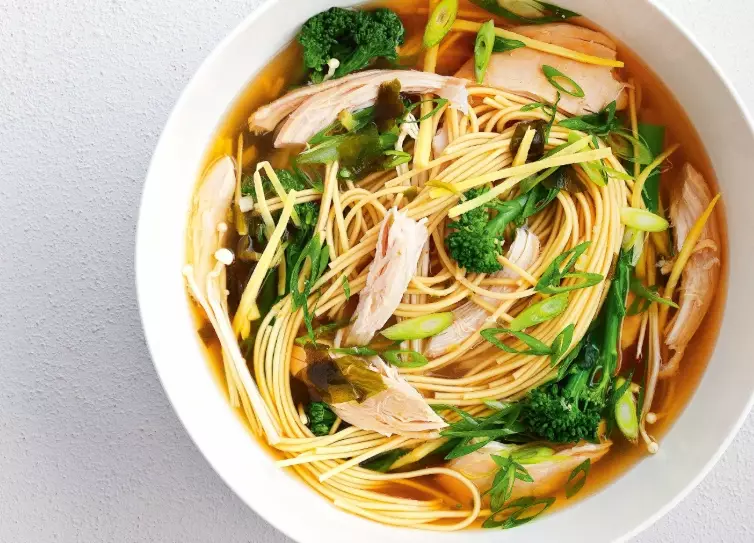
Common Mistakes and Pro Tips with Your Ingredients
I've messed up plenty of pots of soup to learn these lessons. Save yourself the trouble.
Other pitfalls:
- Using only water: Your soup will taste flat and one-dimensional. The broth matters.
- Overcrowding with chicken: It's a soup, not a stew. A little chicken goes a long way. Too much can make the broth murky.
- Adding all vegetables at once: Mushy spinach, crunchy carrots—no one wants that. Stagger them.
- Not tasting as you go: Miso salinity varies wildly. Add half, taste, then add more if needed. You can always add, but you can't take away.
A great tip: If you find your soup is a bit bland even after adding miso, it might need a touch of acidity, not more salt. A tiny squeeze of lemon or yuzu juice at the very end can brighten everything up magically. Don't tell the purists I said that.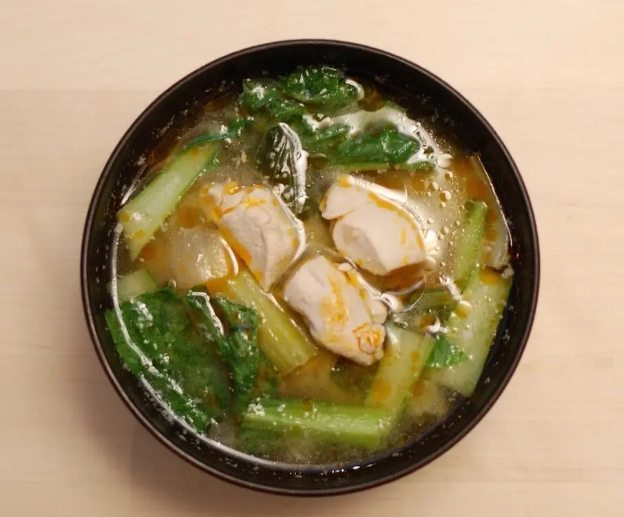
Flexibility and FAQs: Answering Your Chicken Miso Soup Questions
Here’s where we tackle the real-world questions that pop up when you're staring at your fridge.
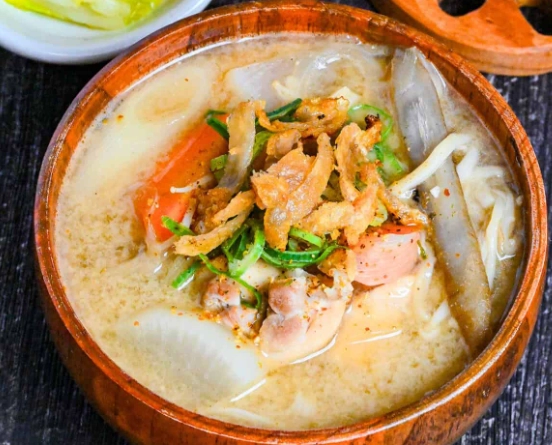
Putting It All Together: A Template, Not a Recipe
Here’s how I think about building my soup on a weeknight. Use this as a guide, not a law.
- Build the base: In a pot, sauté some diced onion and sliced mushrooms until soft. Add diced boneless, skinless chicken thighs and cook until no longer pink.
- Add the liquid: Pour in 4 cups of low-sodium chicken broth and a cup of water. Throw in a small piece of kombu if you have it. Bring to a simmer, then reduce heat and let it cook for 10-15 minutes. Fish out the kombu.
- Add hardy veggies: Toss in some thin carrot slices or daikon. Simmer for 5 more minutes.
- Final touches: Add a handful of spinach and cubed soft tofu. Cook for 1 minute until spinach wilts. Turn off the heat.
- Add the miso: In a small bowl, ladle some hot broth. Add 3-4 tablespoons of awase miso paste and whisk until completely smooth. Pour this back into the pot and stir gently. Taste. Need more? Repeat with another tablespoon.
- Serve: Ladle into bowls. Top with chopped green onions and a tiny drip of sesame oil.
That’s it. You’ve just made a soup that’s miles better than most takeout, tailored to your taste, and you understand why every step matters.
So, the next time you gather your chicken miso soup ingredients, do it with confidence. Pick a good miso, choose flavorful chicken, build a layered broth, and treat your ingredients with respect. Don't be afraid to throw in that half-empty bag of spinach or those leftover mushrooms. Now that you know the roles each ingredient plays, you're not just following a recipe—you're conducting an orchestra of flavor. And the result is a comforting, nourishing, deeply satisfying bowl of soup that’s truly your own.
Go on, give it a try. Your perfect bowl of chicken miso soup is waiting.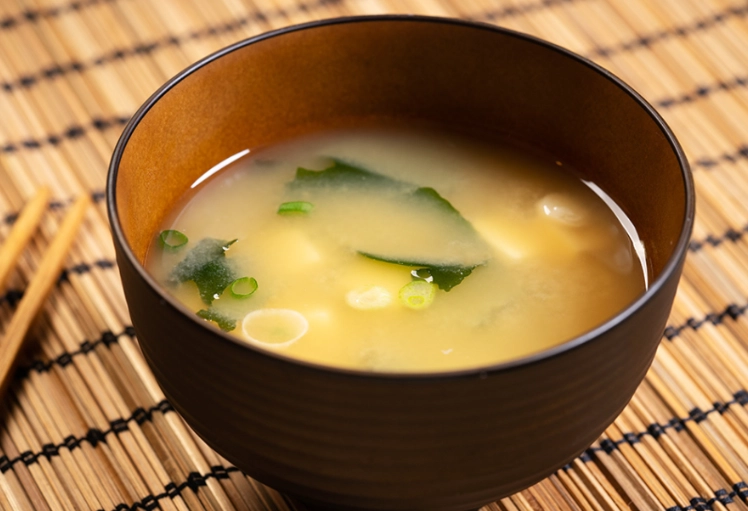
Reader Comments