Your Oden Guide at a Glance
Let's talk about oden. You might have seen it at Japanese convenience stores in the winter, a simmering pot full of mysterious brown shapes. Or maybe you've walked past a street vendor in Japan, drawn in by that incredible, savory smell wafting through the cold air. It looks complicated, right? All those different ingredients stewing together. I used to think so too. I'd stare at the pot and think, "I could never make that at home."
Well, I was wrong. And if you're here looking for an oden recipe, you're about to find out why. This isn't some fussy, restaurant-only dish. At its heart, oden is Japanese comfort food. It's a one-pot wonder meant for sharing, for warming up from the inside out on a chilly day. The best part? Once you get the broth right – and it's easier than you think – you can put almost anything you like in there.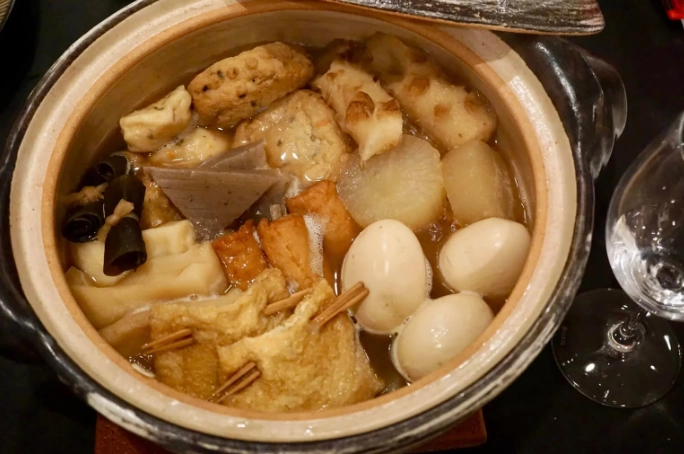
I remember my first attempt. It was... edible. But the daikon was crunchy, the broth was weak, and the eggs were rubbery. Not great. But that's how you learn. Over the years, through trial and error (and lots of tasting), I figured out the little tricks that turn a good pot of oden into a great one. That's what this guide is for. I want to save you the mistakes I made and get you straight to the delicious part.
What is Oden, Really?
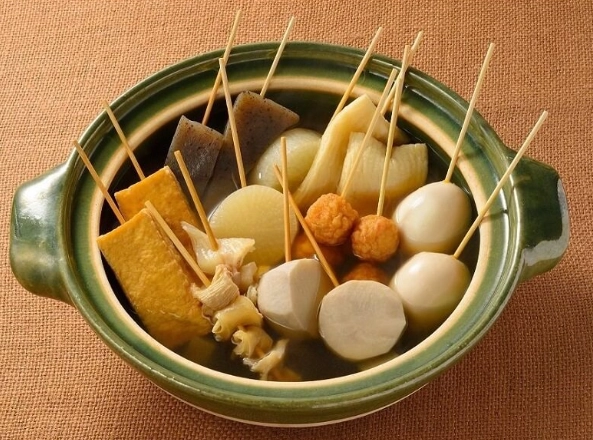
Before we dive into the how-to, let's get clear on the what. Oden is a type of nabemono (Japanese hot pot). But unlike shabu-shabu or sukiyaki, it's a slow-simmered dish. Various ingredients – daikon radish, eggs, fish cakes, konnyaku, tofu products – are gently cooked in a light, soy-seasoned dashi broth for hours. The magic happens over time. The flavors from each ingredient melt into the broth, and the broth, in turn, seeps into every pore of the ingredients.
It's a dish with history. Its origins are surprisingly humble, tracing back to a simple miso-based dish called "dengaku" in the Edo period. The modern version, simmered in a soy-based broth, really took off after WWII. Now, it's a winter staple. Every family, every region in Japan has its own version. Some broths are darker and stronger (Kantō style, like Tokyo), others are lighter and more delicate (Kansai style, like Osaka). The ingredients vary wildly too. It's a wonderfully flexible tradition.
Why make it at home? Three reasons. First, it's infinitely cheaper than buying individual pieces at a store. Second, you control the ingredients – less salt, no MSG, all your favorites. Third, and this is the big one, the smell of it cooking all afternoon is pure happiness. It turns your kitchen into the coziest place in the house.
The Heart of the Matter: The Two Core Elements
Every good oden recipe rests on two pillars: the broth and the ingredients. Get these right, and you're 90% of the way there.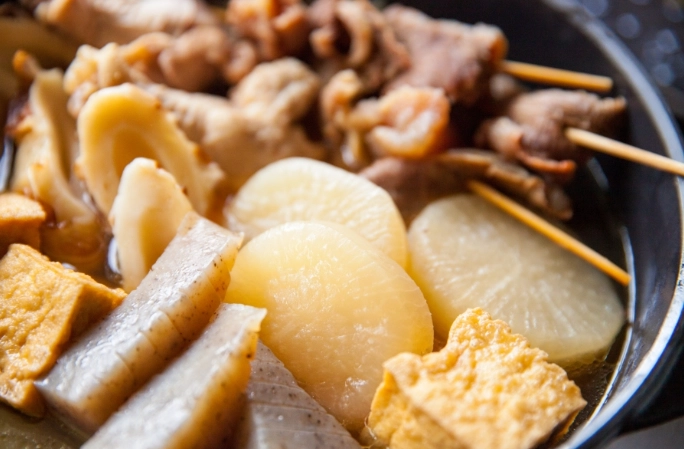
Pillar One: The Soulful Broth
The broth is everything. It's the conductor of the flavor orchestra. A weak broth means bland oden, no matter how good your ingredients are. The base is dashi. You can use instant dashi powder (I won't judge – I use it on busy weekdays), but for your first special pot, I really recommend making it from scratch. The difference in depth is noticeable.
To this dashi, you add the seasoning. The classic trio is soy sauce, mirin, and a touch of sugar. Some recipes add sake, some a bit of salt. The ratios are where the personal touch comes in. I like a balanced broth where you can taste the dashi first, followed by the sweetness and saltiness. My typical ratio for 2L of dashi is: 100 ml soy sauce (use usukuchi/light soy for a clearer broth, koikuchi/dark for richer color), 80 ml mirin, and 2 tablespoons of sugar. I simmer the mirin for a minute first to cook off the alcohol, then add the rest.
Pillar Two: The Cast of Characters (The Ingredients)
This is the fun part. Oden is incredibly democratic. There are classics, but no strict rules. I've broken down the usual suspects into categories to make sense of it all.
| Category | Key Ingredients | Prep Needed & Why It Matters | Flavor/Texture They Add |
|---|---|---|---|
| Root Vegetables & Staples | Daikon, Potatoes, Chikuwa (fish cake tubes), Ganmodoki (tofu fritters) | Daikon: Peel thickly, cut into rounds, and pre-boil in rice water to remove bitterness. This step is non-negotiable for sweet daikon. | Daikon becomes sweet, tender, and soaks up broth. Potatoes add heartiness. Chikuwa is bouncy and mild. |
| Tofu & Soy Products | Atsuage (thick fried tofu), Konyaku (devil's tongue jelly), Shirataki noodles | Atsuage: Pour hot water over it to remove excess oil. Konyaku: Rub with salt, boil for 2-3 mins, then score surfaces to help it absorb broth. | Atsuage is spongy and rich. Konyaku has a unique, firm, almost crunchy texture and is near-zero calorie. |
| The Protein Stars | Hard-boiled Eggs, Beef Tendon, Chicken Wings | Eggs: Boil, peel, and score lightly around the middle so broth penetrates. Beef tendon: Requires long, separate pre-cooking until tender. | Eggs become savory, creamy gems. Beef tendon is the ultimate in melt-in-your-mouth luxury. Adds collagen to the broth. |
| Processed Fish Cakes (Nerimono) | Hanpen, Satsuma-age, Tsumire | Most are ready-to-use. Hanpen is very delicate – add it in the last 15-20 minutes of cooking. | Hanpen is light, fluffy, and airy. Satsuma-age is firmer, often with bits of vegetable inside. Adds variety and fun shapes. |
See? It's not so scary when it's laid out. You don't need everything. A simple oden recipe with daikon, eggs, atsuage, and konnyaku is already fantastic. The table is just to show you the possibilities.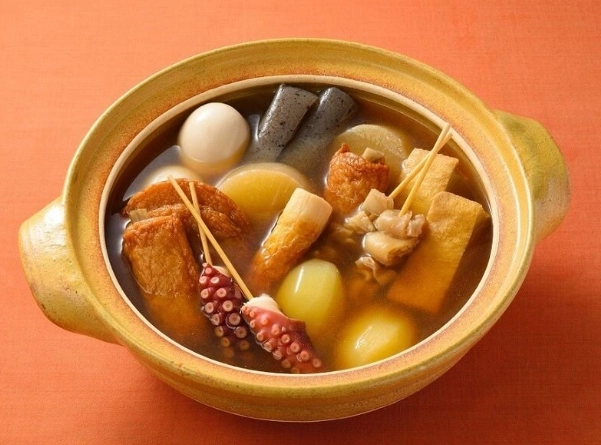
Your Step-by-Step Roadmap to Oden Bliss
Alright, let's cook. Here is my tried-and-true method for a foolproof pot. I've written this easy oden recipe assuming you're starting from zero.
What You'll Need (for a medium-sized pot):
- For the Broth: 2L dashi (homemade or from 2-3 tsp of good quality dashi powder), 100 ml light soy sauce, 80 ml mirin, 2 tbsp sugar, 1 tbsp sake (optional).
- For the Pot: 1/2 large daikon radish, 4-6 eggs, 2 pieces atsuage (thick fried tofu), 1 block konnyaku, 4-6 chikuwa or satsuma-age fish cakes, 2-3 hanpen (optional), 2-3 small potatoes (optional).
- Equipment: A large, heavy-bottomed pot (donabe if you have one, but any sturdy pot works), a smaller pot for prepping.
Step 1: The Prep Work (This is 80% of the effort). Don't skip this. Get everything ready before you even think about the broth.
- Daikon: Peel, cut into 3cm thick rounds. Score a shallow cross on one side. In a separate pot, cover with water and a splash of the leftover rice-washing water (or a pinch of rice). Bring to a boil, simmer for 15-20 minutes until a skewer goes in with just a little resistance. Drain. This parboiling removes the pungent, bitter notes and leaves pure sweetness.
- Eggs: Hard boil, cool in ice water, peel. Gently score a ring around the middle with a knife. This gives the broth an entry point.
- Atsuage: Place in a colander and pour boiling water over it to wash off surface oil. Cut into large chunks.
- Konnyaku: Rub the block with salt, rinse. Boil in water for 2-3 minutes, drain. Cut into triangles or rectangles. Score a crisscross pattern on both sides of each piece. This is crucial for texture and broth absorption.
- Potatoes: Peel and soak in water if using.
- Fish cakes: Most are ready. If they seem oily, a quick blanch helps. Hanpen stays out until the very end.
Step 2: Building the Broth. In your large pot, combine your dashi, mirin, and sake (if using). Bring to a gentle simmer for a minute. Add the sugar and stir until dissolved. Now add the soy sauce. Taste. It should be under-seasoned, but pleasant. Remember, it will concentrate.
Step 3: The Simmering Order (The Secret to Perfect Texture).
- First Wave (Long Simmerers): Add the parboiled daikon and the konnyaku to the broth. Bring to a very gentle simmer (tiny bubbles, not a rolling boil). Put a lid on, slightly ajar. Let this go for at least 1 hour. You want the daikon to become translucent at the edges.
- Second Wave (Medium Cookers): After an hour, add the atsuage, the peeled eggs, and any root vegetables like potatoes. Continue the gentle simmer for another 30-45 minutes.
- Third Wave (Quick Warmers): In the last 15-20 minutes of cooking, add the chikuwa, satsuma-age, and other sturdy fish cakes.
- Final Touch (The Delicates): Turn off the heat. Add the hanpen. Let it sit in the hot broth for 10-15 minutes to warm through and float beautifully. Adding it while boiling will make it disintegrate.
Step 4: The Rest (The Most Important Step Nobody Talks About). Oden is best the next day. Seriously. Let the pot cool completely, then refrigerate it overnight. All those flavors marry and deepen. The daikon and eggs become even more infused. Reheat it gently the next day. The difference is night and day.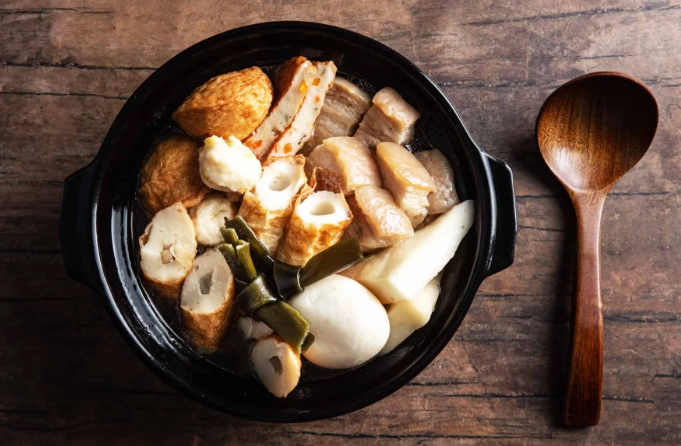
Answering Your Oden Questions (The FAQ Bit)
Making It Your Own: Customization is Key
Once you've mastered the basic Japanese oden template, play with it. That's how regional varieties are born.
- Broth Twist: Add a tablespoon of miso paste for a deeper, rounded flavor. A piece of dried chili or a sprinkle of shichimi togarashi adds a gentle heat.
- Ingredient Adventures: Try adding mochi-stuffed kinchaku (fried tofu pouches), thick shiitake mushrooms with stems removed, or even a piece of grilled mochi on a stick in the last few minutes.
- The "Clean Out the Fridge" Oden: Have some leftover chicken meatballs? Toss them in. Extra firm tofu? Cube it and add it late. It's a forgiving pot.
Look, the goal isn't perfection. The goal is a pot of something warm, savory, and deeply satisfying that you made yourself. It's about the process – the slow simmer, the aroma filling your home, the anticipation. It's about ladling out a bowl for yourself or someone you care about on a cold evening.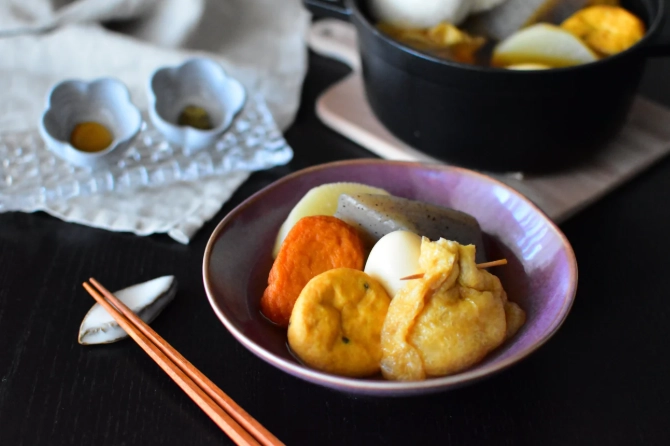
My final piece of advice? Don't be intimidated. Start simple. Maybe just daikon and eggs in a good broth. You'll be amazed at how good it is. Then, next time, add one new ingredient. Before you know it, you'll have your own signature oden recipe, your own little tradition. And that's the real magic of this dish. It's not just food; it's a feeling. A feeling of warmth, home, and simple, slow-cooked goodness. Now go get your pot ready.
Reader Comments