Japanese curry is a lie. A delicious, comforting, universally beloved lie. We're told it's this simple, one-pot meal you whip up with a store-bought block of roux. And on the surface, it is. But the gap between a decent homemade curry and the soul-warming, complex bowl you get at a specialist shop in Tokyo is vast. I've spent years eating my way through curry joints from Hokkaido to Kyushu and burning more than a few pots at home. Let's talk about what really makes Japanese curry tick, where to find the mind-blowing versions, and how to bridge that gap in your own kitchen.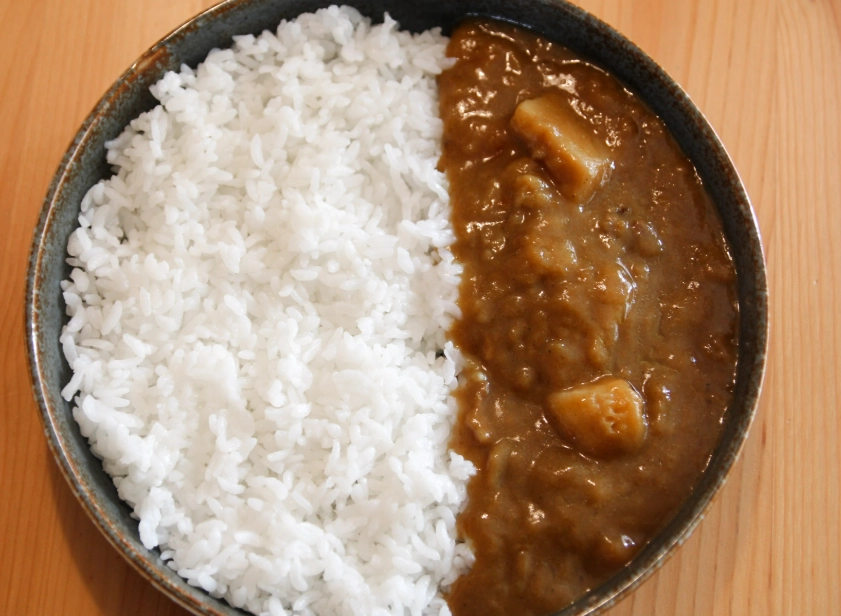
What’s Inside This Guide
Understanding the Curry Roux: It's Not Just Seasoning
Walk into any Japanese supermarket abroad, and you'll face a wall of curry roux boxes. S&B Golden Curry, House Foods Vermont Curry, Java Curry. They look the same, but they're not. That block is a pre-cooked roux—flour and fat toasted with spices. It's a brilliant shortcut, but treating it as mere "seasoning" is the first rookie mistake.
The roux provides thickness and the foundational spice blend. The flavor? That comes from everything you do before you drop that block in.
Here’s the thing most packaging doesn't scream at you: the quality of your curry is decided in the first 20 minutes. You need to build a flavor base. For a chicken or pork curry, that means browning your meat well and setting it aside. Then, you attack the onions.
Thinly slice two large onions. Cook them low and slow in the meat drippings and a little oil for a good 30-40 minutes. You want them deeply caramelized, golden brown, and sweet. This is non-negotiable. This sweet, savory onion jam is the soul of your curry. Toss in minced garlic and ginger for the last few minutes.
Only after your veggies (carrots, potatoes) have had a quick sauté in this flavorful base do you add water or broth and the meat back. Simmer until tender. Then you add the broken-up roux blocks.
And about those blocks—they have a shelf life. An old, stale roux block will taste flat. Look for a smooth, glossy surface, not a dull, chalky one.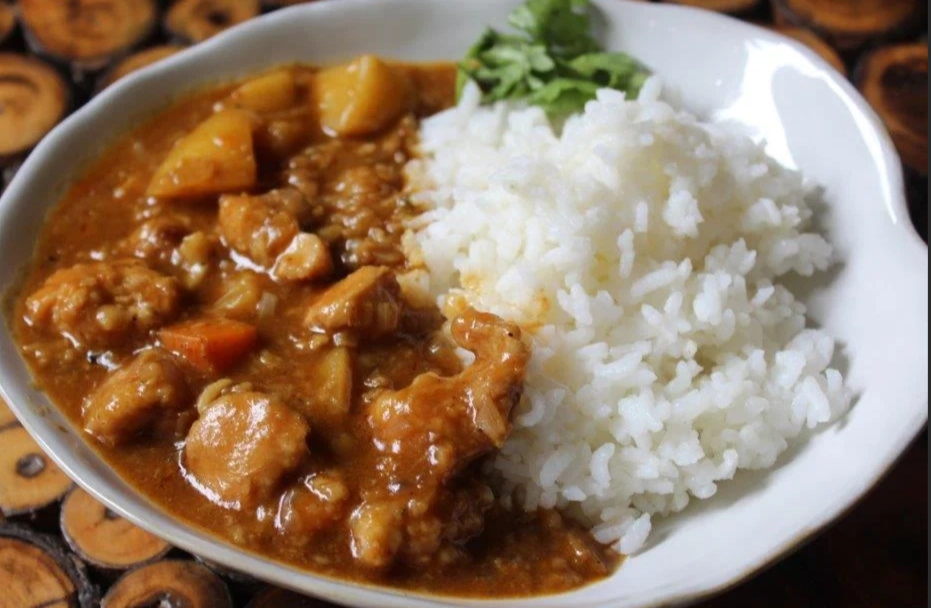
The Tokyo Curry Map: Beyond CoCo Ichibanya
Yes, CoCo Ichibanya is everywhere. It's the McDonald's of curry—consistent, customizable (spice level 1 to 10!), and absolutely fine. But if you're in Tokyo and want a transcendent experience, you need to go deeper. The city's curry scene splits into distinct camps.
You have the Soup Curry specialists from Hokkaido, with a lighter, brothier sauce packed with herbs and spices. Then there are the Heavy, Demi-Glace Style curry places, where the sauce is dark, rich, and often includes demi-glace or red wine. Finally, the Classic Specialist Shops that have perfected the standard thick curry over decades.
Here are three places that are worth planning your day around:
| Restaurant & Style | What to Order & Address | Price Point & Vibe |
|---|---|---|
| Curry Kingdom Garaku (Shinjuku) Classic Specialist |
Signature: The "Omu-Rice Curry" (omelette over rice) or the Pork Cutlet Curry. Address: 2-8-5 Shinjuku, Shinjuku-ku. A 7-min walk from Shinjuku San-chome Station. Hours: 11:00 AM - 3:00 PM, 5:00 PM - 9:00 PM (Closed Wed). |
¥1,200 - ¥1,800 per plate. Expect a line. Small, no-frills, focused entirely on the curry. The sauce is incredibly balanced—savory, slightly sweet, with a hint of fruitiness. |
| Rojiura Curry SAMURAI. (Multiple locations) Hokkaido Soup Curry |
Signature: The "Chicken & 20 Vegetables" Soup Curry. You choose soup flavor (coconut, tomato, etc.) and spice level. Address: The Daikanyama branch is great: 20-11 Sarugakucho, Shibuya-ku. Hours: 11:30 AM - 9:00 PM (Last Order 8:30 PM). |
¥1,400 - ¥1,900. Brighter, healthier feel. The vegetables are stunning—crisp pumpkin, tender okra, lotus root. The soup is fragrant and drinkable. |
| Curry Up (Nakameguro) Modern / Demi-Glace Style |
Signature: The "Beef Tendon Demi-Glace Curry." Fall-apart tender beef in a deeply savory, almost stew-like sauce. Address: 2-43-12 Kamimeguro, Meguro-ku. Near Nakameguro Station. Hours: 11:30 AM - 3:00 PM, 6:00 PM - 10:00 PM (Closed Tue). |
¥1,500 - ¥2,200. Trendier, darker interior. This is hearty, adult curry. It's less sweet than the classic style, with more umami punch from the slow-cooked meat and demi. |
A quick note on "Katsu Curry" (curry with a fried pork cutlet). It's a masterpiece of textures, but eat it fast. That crispy cutlet will steam and soften under the hot sauce within minutes. Some places serve the curry and katsu separately for this reason—a sign of a thoughtful kitchen.
Home Curry Mastery: The 10-Year Cook's Playbook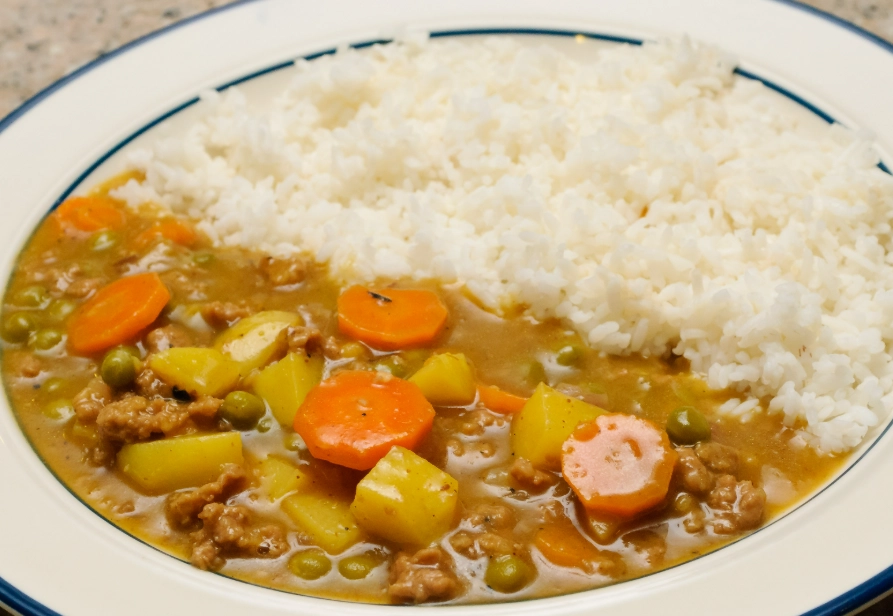
So you want your home version to rival those shops? Let's move past the instructions on the box.
The Foundation: Sautéing is Everything
I already harped on the onions. But let's talk about the "fond"—those browned bits stuck to the pot after searing meat. Deglaze that pot with a splash of water or sake before adding the onions. That's pure flavor you're saving.
Use a heavy-bottomed pot. A thin pot will scorch your onions during that long, slow cook.
The Liquid: Water vs. Broth
The box says water. Using a light dashi stock or a diluted chicken broth adds a subtle umami layer. Don't use a strong Western-style stock; it'll clash. If using water, a single piece of kombu (kelp) simmered in it for 10 minutes before you add your ingredients makes a world of difference. Fish it out before adding the roux.
The "Secret Ingredients" (They're Not Secret)
Every Japanese home cook has one. These aren't added with the roux, but during the simmering stage, 10-15 minutes before the roux goes in.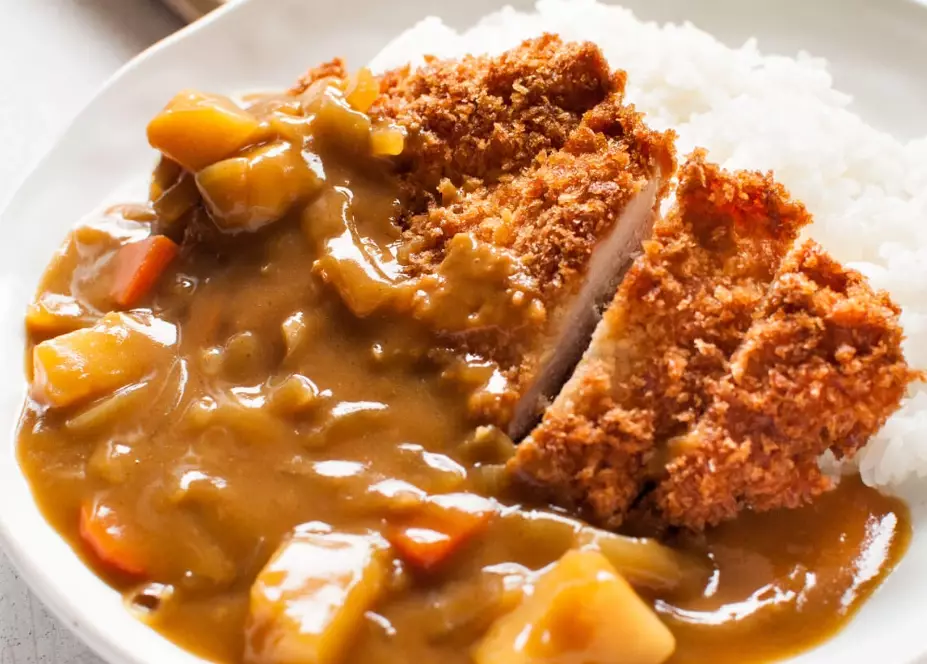
- Chocolate: A small square of dark chocolate (70% cocoa) adds richness and rounds out sharp flavors.
- Instant Coffee: A teaspoon. It doesn't make it taste like coffee, just deeper and more robust.
- Fruit: A grated apple or a tablespoon of applesauce is classic for sweetness. A splash of pineapple juice works too.
- Worcestershire Sauce or Tonkatsu Sauce: A tablespoon for tang and savoriness.
Pick one. Maybe two. Don't go overboard.
The Final Texture and Resting
Once the roux is dissolved and the sauce has thickened, turn off the heat. Let it sit, covered, for at least 20 minutes. This resting time allows the flavors to marry and the starch in the roux to fully hydrate, resulting in a smoother, glossier sauce. Reheat gently to serve.
My personal fail? I used to add honey for sweetness. It made the curry cloying and one-dimensional. The natural sweetness from properly caramelized onions, carrots, and a touch of fruit is far more complex.
Your Japanese Curry Questions, Answered
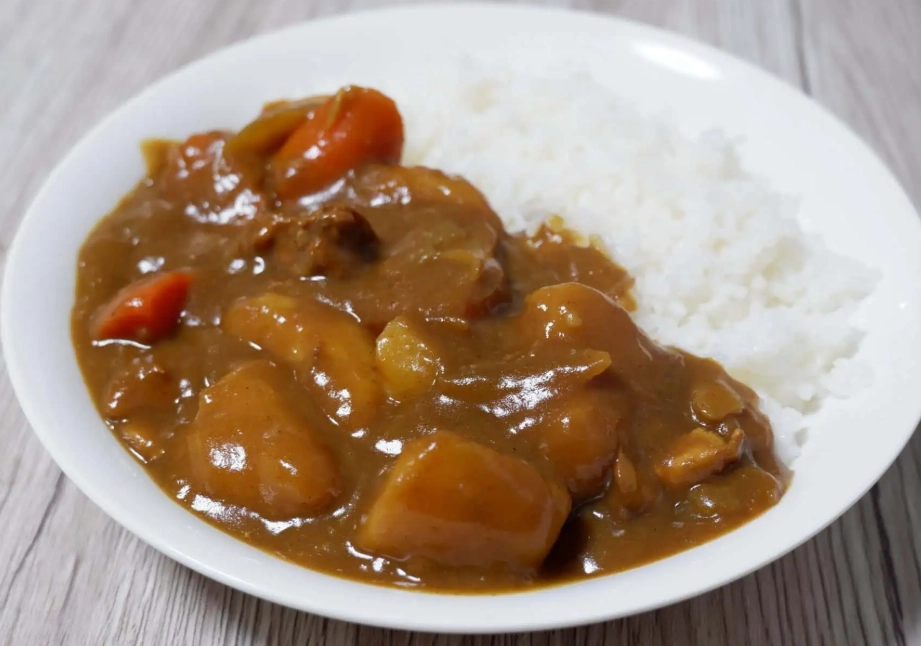 The journey with Japanese curry never really ends. There's always a new roux to try, a hidden shop to discover, or a little tweak to your home recipe. It's that perfect culinary project—simple to start, impossible to truly master, and always deeply satisfying to eat. Start with those onions. Take your time. The rest will follow.
Reader Comments