Let's be honest, store-bought udon is convenient. But that first bite of a truly great, homemade udon noodle? It's a revelation. The chew is different. The flavor, subtle and wheaty, stands up to any broth. And the satisfaction of making it yourself? Unbeatable. I've been chasing that perfect noodle for years, and I'm telling you, the gap between good and great udon isn't about fancy equipment—it's about understanding the dough. Most recipes give you a formula. I'm going to teach you how to feel it.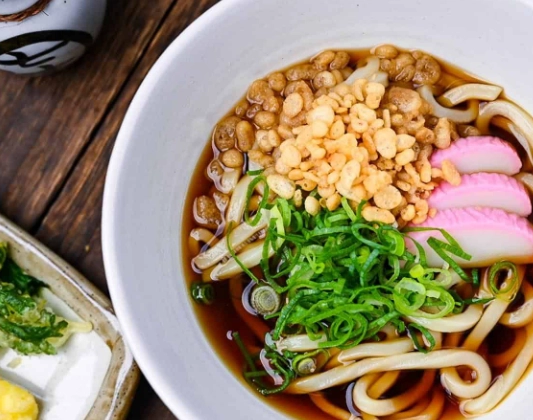
What You'll Learn Here
Why Homemade Udon Beats Store-Bought Every Time
Walk into any Japanese supermarket and you'll see shelves of pre-packaged udon. They're fine. But they often contain additives like modified starch or lactic acid to stabilize texture and shelf life. When you make udon at home, it's just flour, water, and salt. The texture is alive—springy, with a satisfying resistance that packaged noodles struggle to match.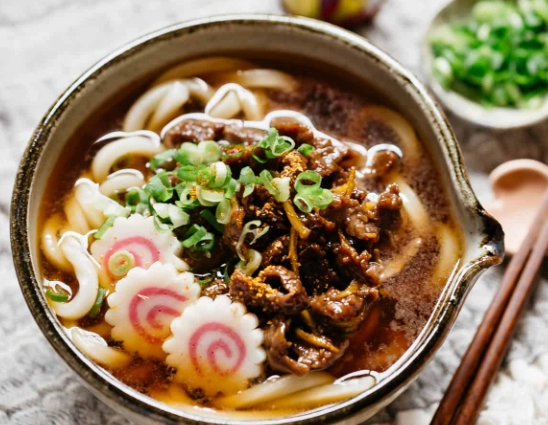
There's a cost factor too. A bag of good bread flour costs pennies per serving. And you control everything: the thickness, the width, the level of chew.
But the real reason? It's a forgiving process. Unlike delicate pasta or ramen, udon dough is robust. You can't really over-knead it in a home kitchen. The worst that happens is you get a serious arm workout. The best? You get a bowl of noodles that makes you feel like a kitchen wizard.
The Udon Dough: Ingredients and the 'Feel' Over Formula
Forget precision for a second. The classic ratio is simple: 100% flour, 45% water, 5% salt (by weight). But here's where most beginners get stuck. They follow the numbers exactly, then panic when their dough looks wrong. Flour absorbs moisture differently depending on humidity, brand, and even the day. The number is a guide. Your hands are the judge.
Flour Power: Choosing the Right Type
In Japan, they use special udon flour, which is a medium-protein wheat. For the rest of us, bread flour (12-14% protein) is the best widely available substitute. It gives the gluten strength needed for that iconic chew. All-purpose flour (10-12% protein) works but yields a softer, less resilient noodle. I don't recommend cake flour.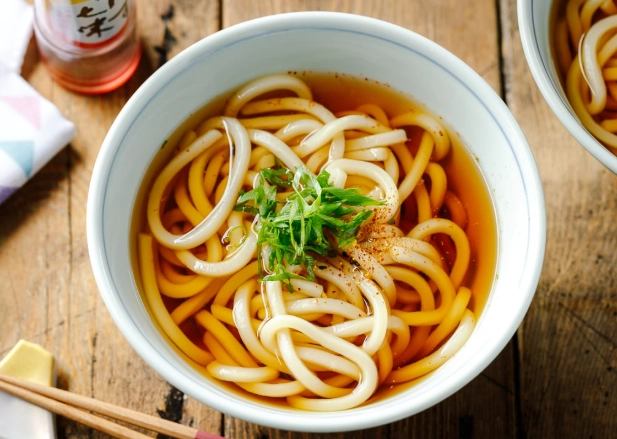
Hydration is Everything
That 45% water is key. It creates a stiff dough, which is why kneading is crucial. You're developing an incredible amount of gluten with very little water. This is what creates the dense, chewy texture. If your kitchen is very dry, you might need 46-47%. If it's humid, maybe 44%. Mix until no dry flour remains, then let it rest covered for 30 minutes before you even try to knead. This autolyse period lets the flour fully hydrate, making the next step easier.
Salt's Role
Salt isn't just for flavor. It tightens the gluten structure, making the dough stronger and the noodles more toothsome. Use fine sea salt and dissolve it completely in the water before adding to the flour.
Step-by-Step: Kneading, Resting, and Rolling
This is the heart of it. Don't rush.
1. Mix and Initial Rest: Combine flour and salted water in a bowl. Stir with chopsticks or a fork until it's a craggy, shaggy mess. It will look hopeless. That's fine. Cover it and walk away for 30 minutes.
2. The First Knead: Turn it out onto an unfloured surface. Now, knead. Not like bread. Stomp on it. Literally. Put the dough in a sturdy plastic bag, seal it, and step on it with your feet for 5-10 minutes, folding it over occasionally. No plastic bag? Use your body weight: press, fold, rotate, repeat. You're not incorporating air; you're brutally aligning gluten strands. Do this until the dough starts to look smoother.
3. The Long Rest: Form the dough into a ball, wrap tightly in plastic, and let it rest at room temperature. Not the fridge. For at least 2 hours, ideally 3 or more. This is non-negotiable. The gluten relaxes, and the moisture distributes evenly. The dough will soften dramatically. I sometimes let mine go for 5 hours if I start it in the morning for dinner.
4. Rolling and Cutting: After the long rest, the dough will be supple. Dust your surface and rolling pin with cornstarch or potato starch (not flour—it makes the noodles gummy when cooked). Roll it out to about 3-4mm thickness. Fold the sheet over itself, dusting between folds, and cut into ¼-inch wide strips. Unfurl your noodles, toss them in more starch to prevent sticking.
5. Cooking: Boil a huge pot of water. Add the noodles, stir immediately. Fresh udon cooks fast—about 8-10 minutes for al dente. Taste one. Drain and rinse under cold water to stop cooking and remove surface starch. This gives them a cleaner, bouncier texture.
Three Classic Udon Recipes to Master
Now you have perfect noodles. Here’s how to serve them.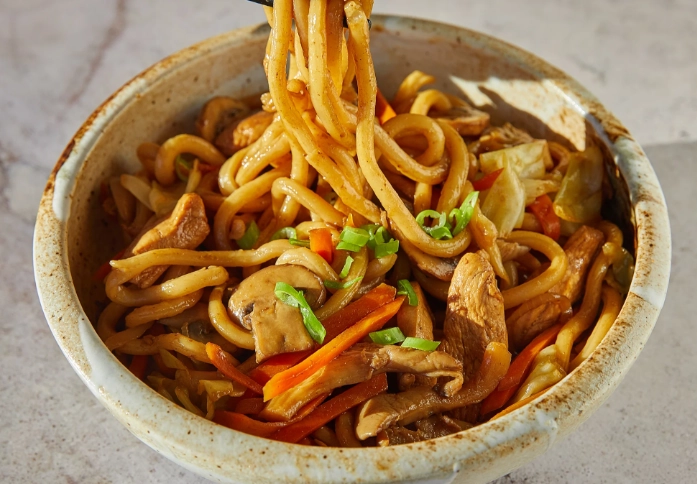
| Dish | Broth Base | Key Toppings | Essence |
|---|---|---|---|
| Kake Udon | Simple hot dashi (kombu & bonito), soy sauce, mirin, dash of sugar. | Thinly sliced scallions, maybe a sprinkle of shichimi togarashi. | The purest form. It's all about the noodle and a clean, umami-rich broth. |
| Niku Udon | Rich dashi or a combination of dashi and chicken stock. | Thinly sliced beef (like sukiyaki cut) simmered in soy, mirin, and sugar with onions. | Comfort in a bowl. Sweet, savory beef against the chewy noodles. |
| Bukkake Udon (Chilled) | Concentrated, chilled mentsuyu (soy-dashi-mirin blend) diluted with a bit of water. | Grated daikon, shredded nori, wasabi, maybe a soft-boiled egg. | Refreshing summer dish. The cold, thick sauce clings to the noodles perfectly. |
For the dashi, don't cut corners. A good kombu (like Rishiri or Ma-kombu) and properly shaved bonito flakes make a world of difference. The Japan External Trade Organization (JETRO) has resources on Japanese ingredients that can help you source quality stuff.
Troubleshooting Your Udon Dough
Things go wrong. Here's how to fix them.
Dough is rock hard and won't come together: You didn't add enough water, or you didn't let it hydrate during the initial rest. Try sprinkling a teaspoon of water over it and kneading it in. If it's truly a brick, you might need to start over. Remember, it's a stiff dough, but it should be pliable, not concrete.
Dough is a sticky, gloopy mess even after kneading: You likely added too much water. This is trickier. Knead in a tablespoon of flour at a time until it becomes manageable. It might never be perfect, but it'll still make edible noodles—they'll just be a bit softer.
Noodles are mushy after cooking: You overcooked them, or your dough was too soft (over-hydrated). Fresh udon cooks quickly. Start tasting at 7 minutes. Also, ensure you rinse them well in cold water to halt the cooking process.
Noodles are too hard/chewy: You might not have kneaded enough, or you didn't let the dough rest long enough. The long rest is critical for tenderness. Next time, be more brutal during the kneading/stomping phase and be patient with the rest.
Your Udon Questions Answered
My udon dough is too sticky to handle. What did I do wrong?
Can I use all-purpose flour instead of bread flour for udon?
Why do my homemade udon noodles taste bland compared to restaurant ones?
How long can I store fresh udon noodles?
Reader Comments